
Anti-Nutrients in Vegetables,
Legumes and Nuts:
Just Another Case of Baseless Fearmongering?
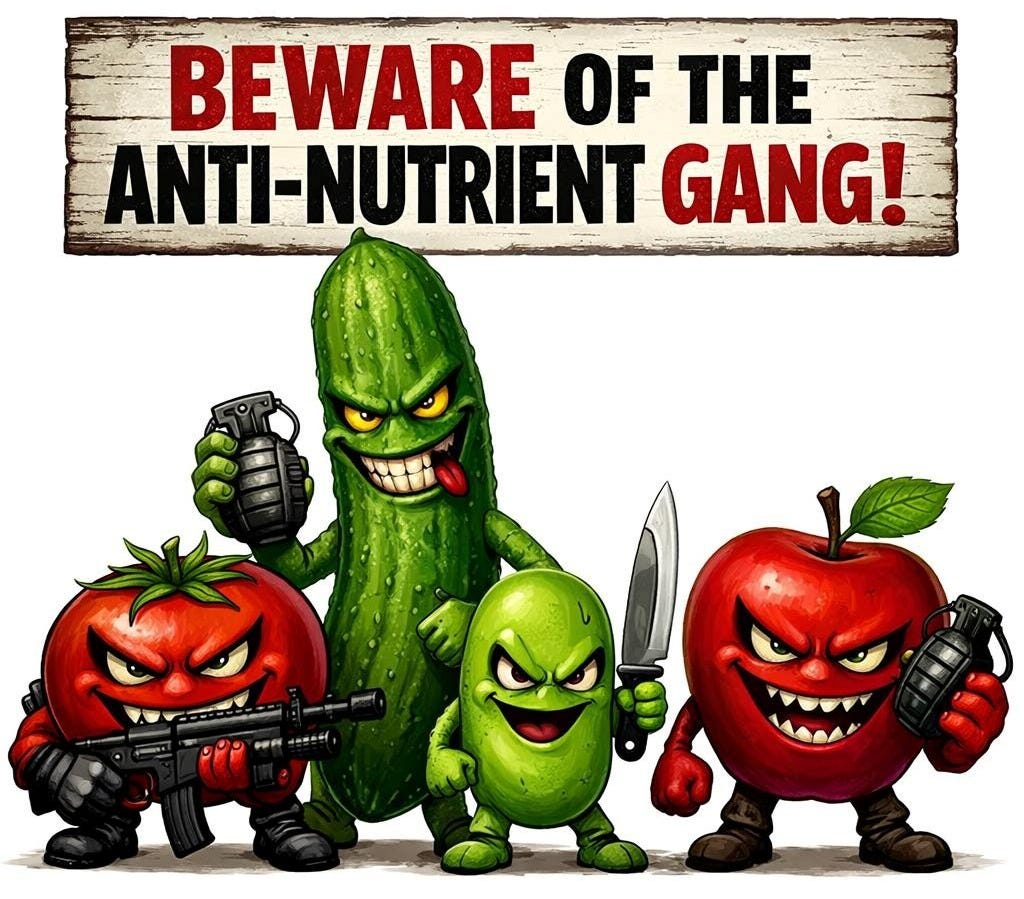
Anti-nutrients are a curious phenomenon. They conjure up images of vicious little plant gangs armed with weapons, hellbent on sabotage.
Purportedly contained in just about everything that grows in the ground or on trees, they are said to be found in vegetables, legumes, grains, nuts, seeds, and herbs like parsley. These anti-nutrients are officially defined as: “naturally-occurring substances found in plant-derived foods that interfere with absorption or proper functioning of nutrients such as minerals, vitamins, and proteins.”
In other words, while the food being consumed is PROVIDING beneficial nutrients, apparently there are enemies lurking within this trojan horse who are doing their damnedest to CANCEL and OBLITERATE those nutrients!

This seems totally counterproductive and counterintuitive. It certainly doesn’t sound like any sort of Intelligent Design or the way Nature usually conducts her business.
In their most raw, organic, and untampered-with state, these foods from the garden are teeming with “living enzymes” that give life to cells. Yet we are to believe that the anti-nutrients they allegedly contain are so deleterious that they somehow negate this life-sustaining benefit.
So what’s behind it all? Do these anti-nutrients turn all these foods into toxins? Or is it all just baseless fearmongering meant to stigmatize these nutritious foods known as “plants”?
As for fruits, you may have noticed that they are not included in this group that contains anti-nutrients. But they, too, are being accused of possessing toxic consumption properties, due to something called “amygdalin.”
This substance is present in just about every so-called “stone” fruit that is seeded — from avocados, apples, and apricots, to pears, plums, and peaches.
It is naturally-occurring, and ONLY located within the fruit’s seeds.
But there is a very simple explanation to refute these allegations of toxicity and self-sabotage. It is to be found within the NOBLE PURPOSE that amygdalin serves – and that is to protect the seed from being eaten.
You see, the amygdalin in the seeds acts as a self-protective mechanism, ensuring the fruit successfully continues to grow and comes to fruition as intended. Any bird or animal chomping on the seed will immediately be deterred by the bitter taste.
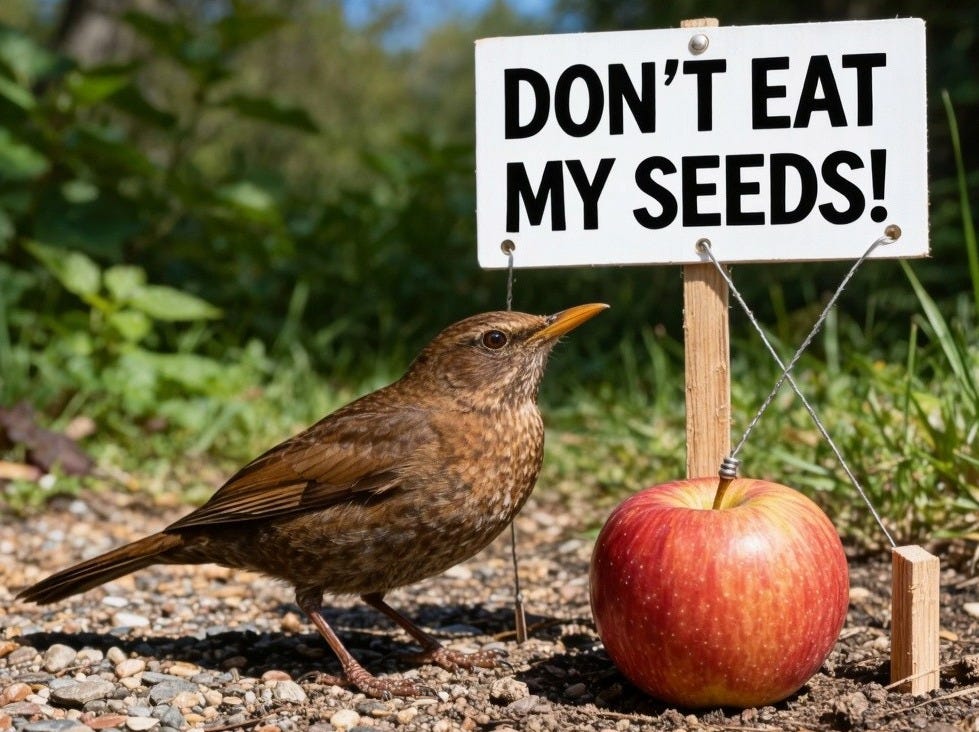
These seeds with amygdalin also have a hard protective casing that surrounds it, referred to as the endocarp, or the pit. This is the stony layer of the fruit wall.
The seed itself must be bitten into and actually CHEWED in order for it to release any toxins. If simply swallowed whole, there is no toxicity. And it takes a lot more than just a few little bites.
In fact, it’s been estimated that a human would have to chew up at least 1,000 seeds to obtain any sort of toxic effect! And good luck with THAT, with OUR pathetic little “canine” teeth!

This amygdalin is also accused of being a “cyanogenic glycoside” that can release “toxic hydrogen cyanide when enzymatically hydrolyzed.” But whether or not this “hydrogen cyanide” is an organic compound is a topic of debate among chemists. It is traditionally considered inorganic and can sometimes be considered a nitrile.
With alternative names like methanenitrile, also known as formonitrite, this substance is derived from METHANE through chemical reactions, specifically by the addition of a CYANIDE group to the carbon chain. Certainly doesn’t sound too “organic” to me!
In addition, it is defined as a “toxic liquid or colorless gas” by ChemWerth. Further, the MSDS (Material Safety Data Sheet) of hydrogen cyanide published by Airgas describes it as a “synthetic.”
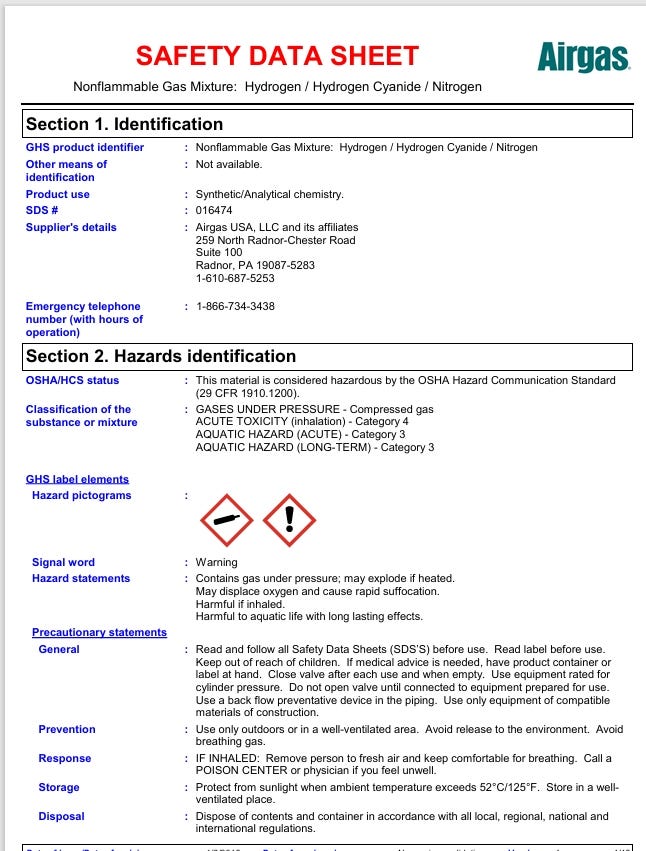
It confirms that hydrogen cyanide is “considered hazardous by the OSHA Hazard Communication Standard.” It is warned that it is harmful if inhaled, and may displace oxygen and cause rapid suffocation.
It is also considered acutely harmful to aquatic life with long-lasting effects. Oh — and it may also explode if heated.

YIKES!!! Does this sound like something that would be “naturally-occurring” in the seed of a FRUIT?!?But because of this incorrect claim that fruit seeds contain “cyanide,” the type of cyanide in Vitamin B12 supplements is quite often compared to the amygdalin in fruit. This dishonest comparison is used solely to downplay B12’s toxicity...but they have NOTHING in common with each other.
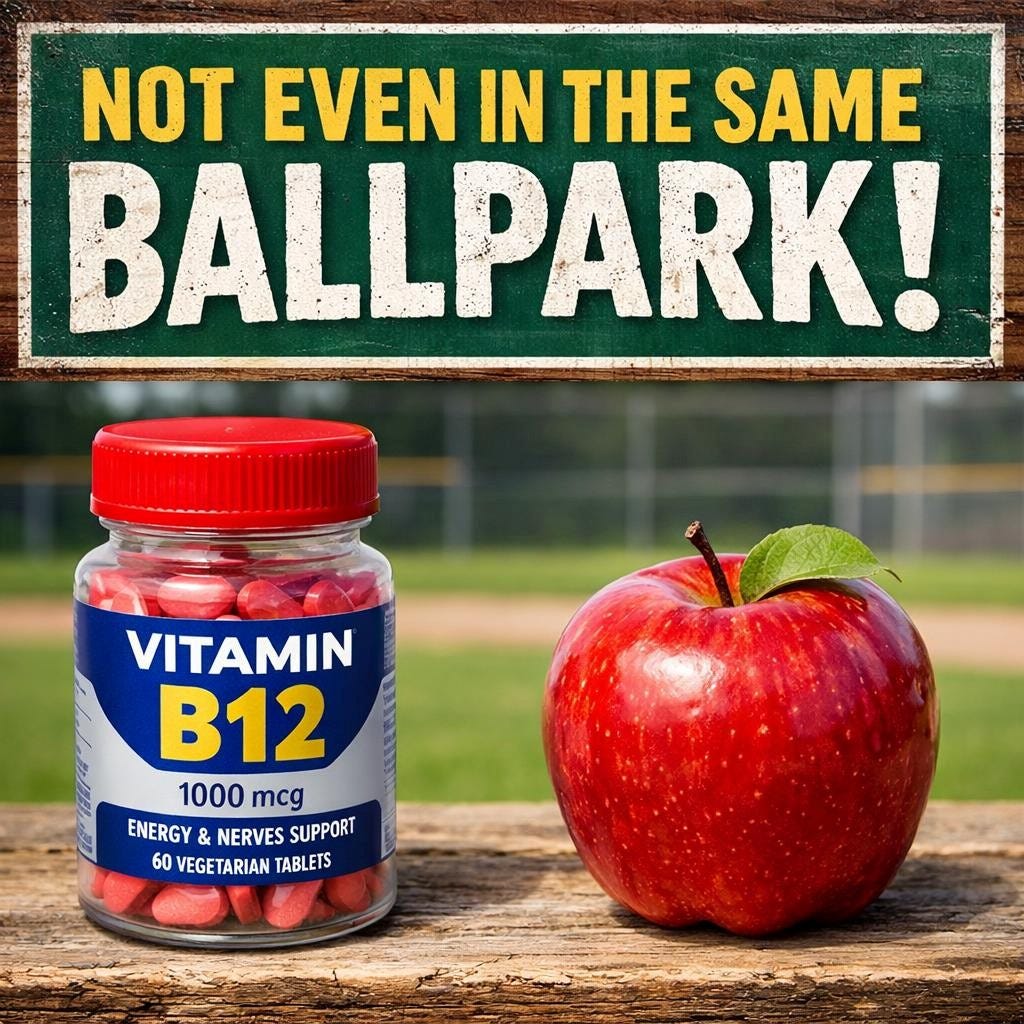
The amygdalin is a naturally-occurring substance, while the cyanide in the B12 is created with toxic chemicals manufactured in a drug lab.
As for those naughty anti-nutrients, these nasty fellows are broken down into six groups: phytates, oxalates, lectins, tannins, glucosinolates, and saponins.
What’s especially curious is that legumes are the worst offenders, as they are included in four of the six categories. We can only assume that this is inclusive of all of the nearly 23,000 species of beans, peas, and lentils… with every one of them apparently possessing these “toxic” qualities that steal nutrients!
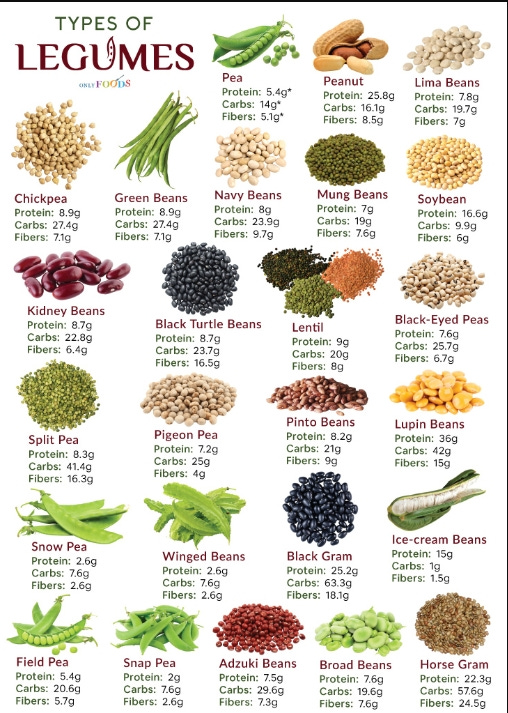
NOTE: The only brief word of advice I would give about cooking legumes is that they are at their best when soaked first, and the foam that appears during the one-minute of boiling should be ladled out.
We’ll start with the PHYTATES, which are also known as Phytic Acid. They’re said to be commonly found in the hulls of seeds and grains, as well as whole grains, legumes, and nuts.
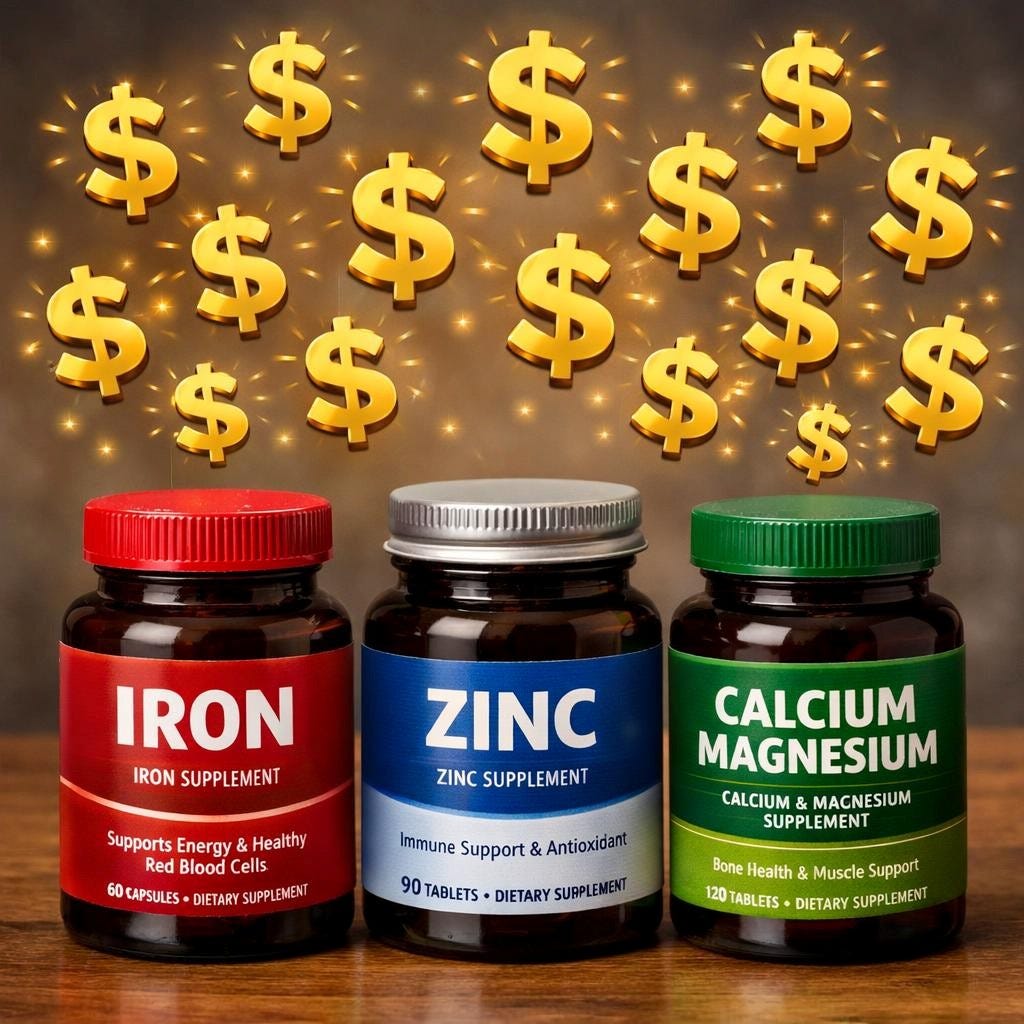
These little rascals reduce absorption of minerals such as iron, zinc, magnesium, and calcium. (Conveniently enough, all of these minerals are sold as supplements… as if they could be found in jars)
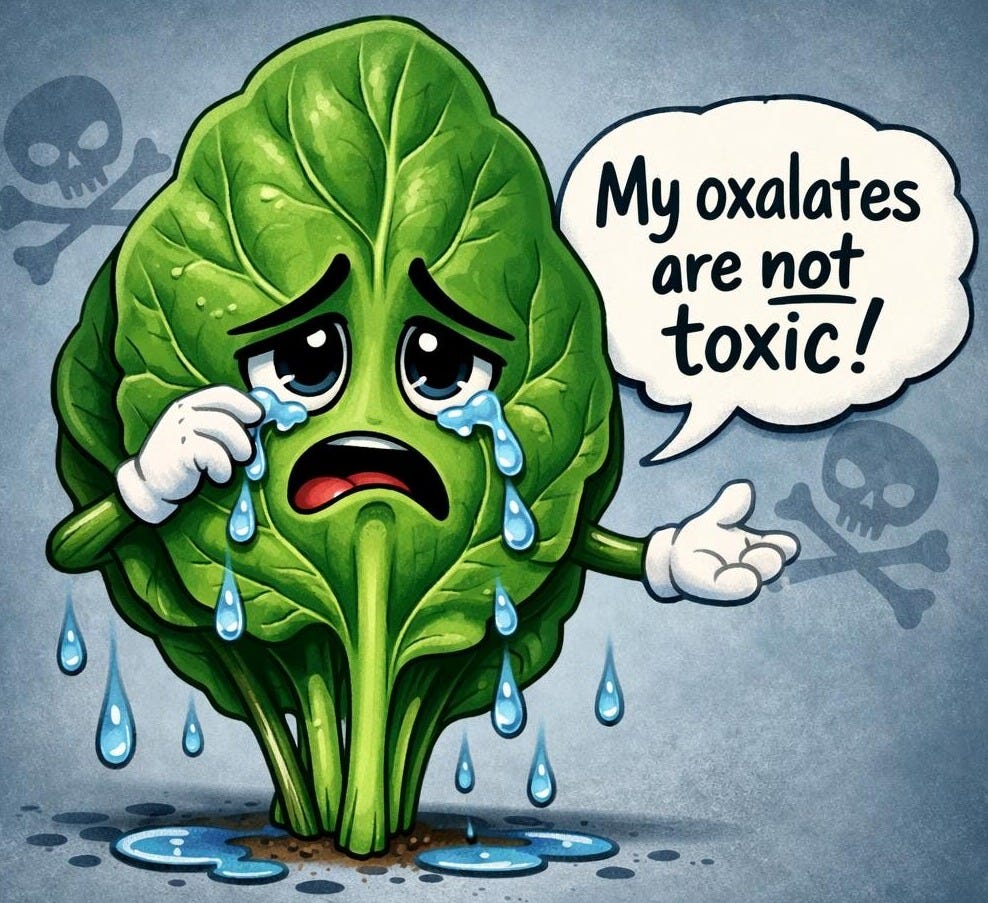
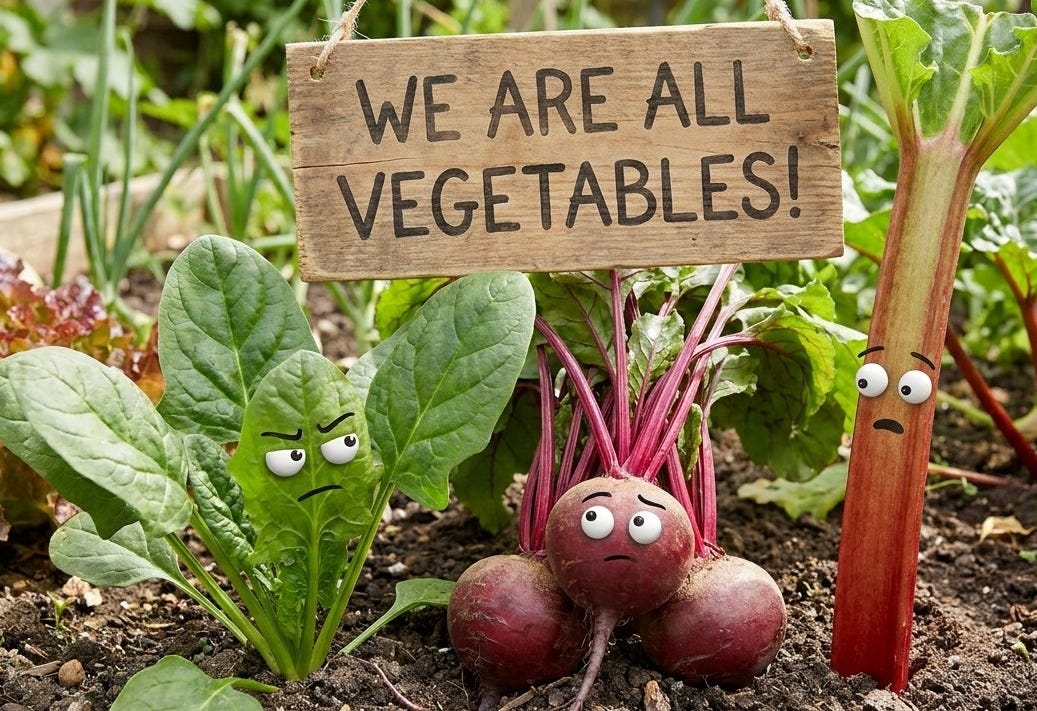
Next up are the OXALATES, which are said to be found in spinach, tea, parsley, nuts, beets, and rhubarb. It’s claimed that these, too, steal minerals like calcium, and it’s even warned that they can CAUSE KIDNEY STONES TO FORM!
Antibiotics like ciprofloxacin and ceftriaxone are major causes of kidney stones, along with sulfonamide antibiotics and topiramate for migraines.
STUDY FINDS LINK BETWEEN ANTIBIOTICS AND KIDNEY STONES:“In a study recently published in the Journal of the American Society of Nephrology, CHOP researchers have found that children and adults treated with some oral antibiotics have a significantly higher risk of developing kidney stones.”
https://www.chop.edu/news/study-finds-link-between-antibiotics-and-kidney-stones#:~:text=In%20a%20study%20recently%20published%20in%20the%20Journal,a%20significantly%20higher%20risk%20of%20developing%20kidney%20stones.
The mainstream website kidney.org does not mention oxylates in the three major causes of kidney stones they list, which are: 1) not drinking enough water/dehydration;
2) conditions of diabetes, obesity or bowel disease; or
3) from a diet high in table salt, refined sugar, and/or meat, fish, and dairy where NOT ENOUGH FRUITS AND VEGETABLES ARE CONSUMED!
2) conditions of diabetes, obesity or bowel disease; or
3) from a diet high in table salt, refined sugar, and/or meat, fish, and dairy where NOT ENOUGH FRUITS AND VEGETABLES ARE CONSUMED!
This appears to be the OPPOSITE of what we’re being told by the Anti-Nutrient Gang. (And last time I checked, spinach, beets and rhubarb were all vegetables…)
As for the accusation that spinach is one of the main carriers of these nutrient-stealing oxalates, you need to look back to the 1930s. It was at that time that cow’s liver was just starting to become heavily promoted as a cure for anemia.
This was all due to vivisectionist George Whipple’s very questionable experiments in the 1920s that involved bleeding out dogs, then claiming that feeding them liver “cured” them.
Simultaneously, spinach was experiencing a HUGE upsurge in consumer interest, thanks in great part to the iconic Popeye comic strip, which portrayed it as a source of superhuman strength. But the damning accusation of OXALATES would soon change all that, and liver would soon win the competition as “the best source of iron.”

Next up we have the TANNINS, and this is where the REAL confusion comes in. It appears that they’re considered to be both anti-nutrient (bad) AND super-healthy (good)!
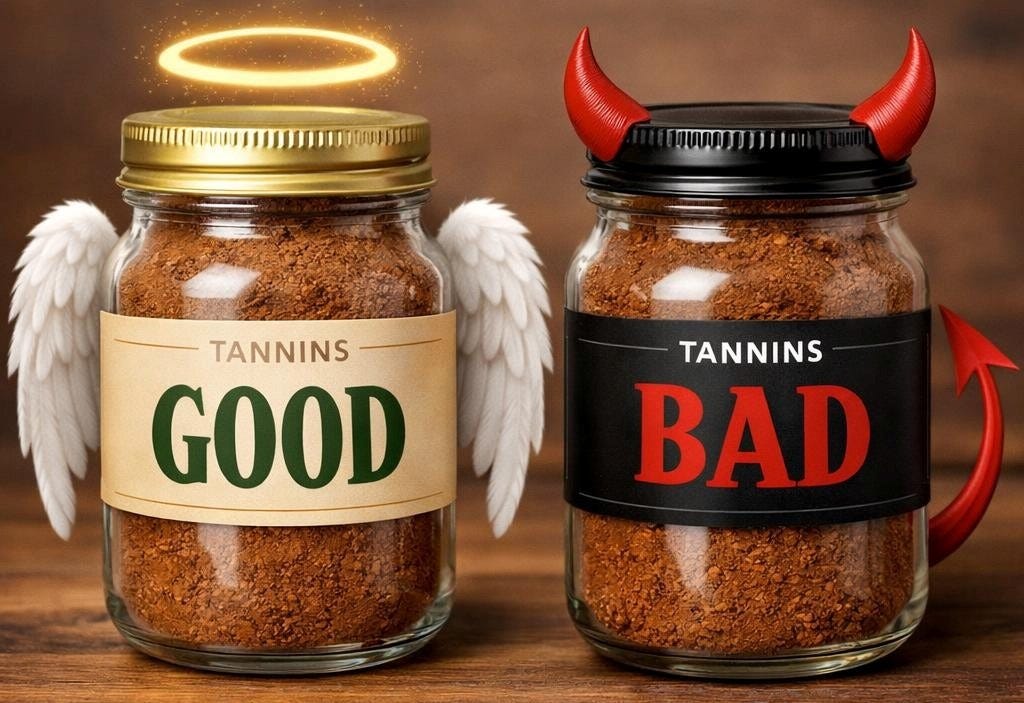
An article published on the Food For Net website on May 14, 2023, entitled “25 Foods With Tannins And Their Health Effects,” only has glowing praise for these particular anti-nutrients.
It states that: “Black tea is is one of the richest sources of tannins. Most of the active compounds in the tea are tannins. This suggests that tannins are responsible for many of the health benefits of tea.”
It then lists grapes, berries, apples, bananas, persimmons, olives, and pomegranates as being extremely beneficial because they contain tannins.
It also compliments rhubarb for containing tannins, stating that it has lots of benefits like fiber and antioxidants. And this is the vegetable that is heavily demonized for containing oxalates!
In contrast, a paper from Spain was published in the Journal of Functional Foods in 2022 under the title “Antinutrients: Lectins, Goitrogens, Phytates and Oxalates, Friends or Foe?”
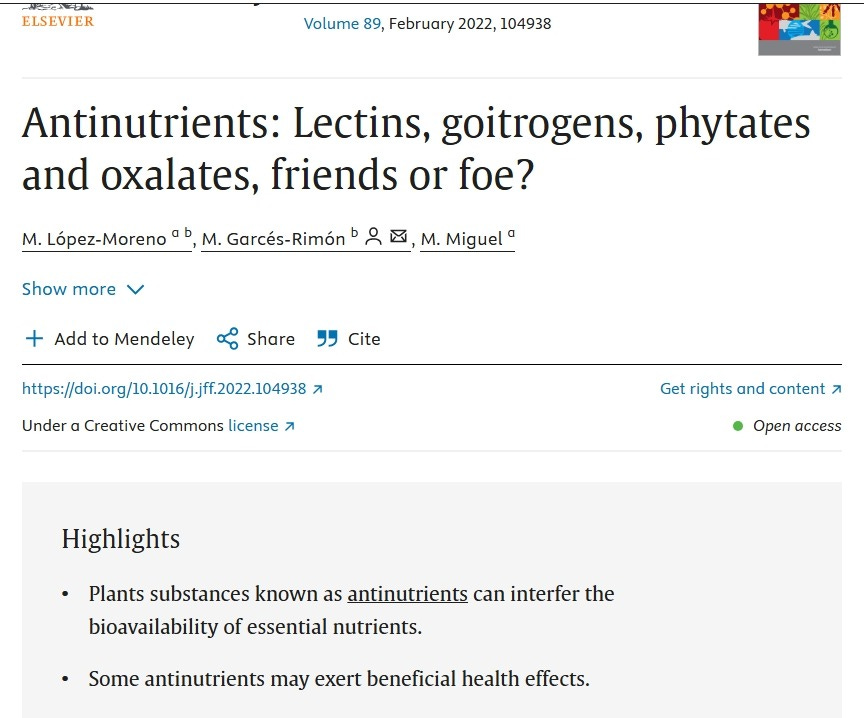
It starts out with two conflicting statements: “Plant substances known as anti-nutrients can interfere with the bioavailability of essential nutrients;” and then, “Some anti-nutrients may exert beneficial health effects.”
Are you getting the picture here? No one can seem to make up their mind! Are these foods with the alleged “anti-nutrients” good? Or are they bad?!? But the next group, the LECTINS, has very little to say in the way of good. They’re said to be found in legumes, peanuts, soybeans, and whole grains.
It’s claimed that they can “inhibit digestive enzymes” and interfere with the absorption of calcium, iron, phosphorus, and zinc (again with the minerals!).
You’ll notice that “vitamins” are not specifically mentioned in the lists of negative effects these anti-nutrients allegedly possess. However, let’s just say that the original term “vitamine” was coined in 1912 to describe foods isolated synthetically in a drug lab, all just to sell jars of supplements…
They are said to block enzymes and interfere with hormone-related nutrient pathways. That’s a whole lot of interfering and blocking!
Now, if you’re talking about peanuts that have grown mold from being stored in hot, humid warehouses or improperly dried, that’s a whole different matter. That can cause dizziness if you eat too many jars of peanut butter!
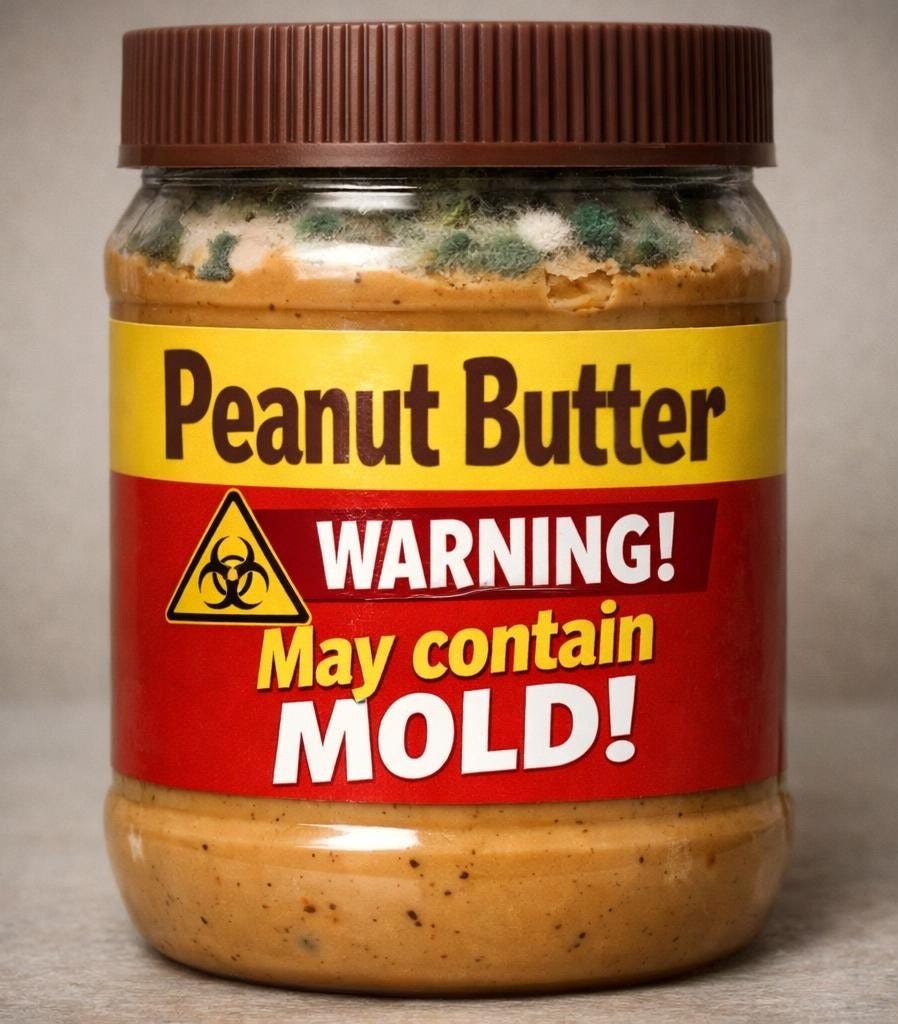
NOTE: Healthy alternatives are unsweetened/unsalted sunflower seed butter or cashew butter.
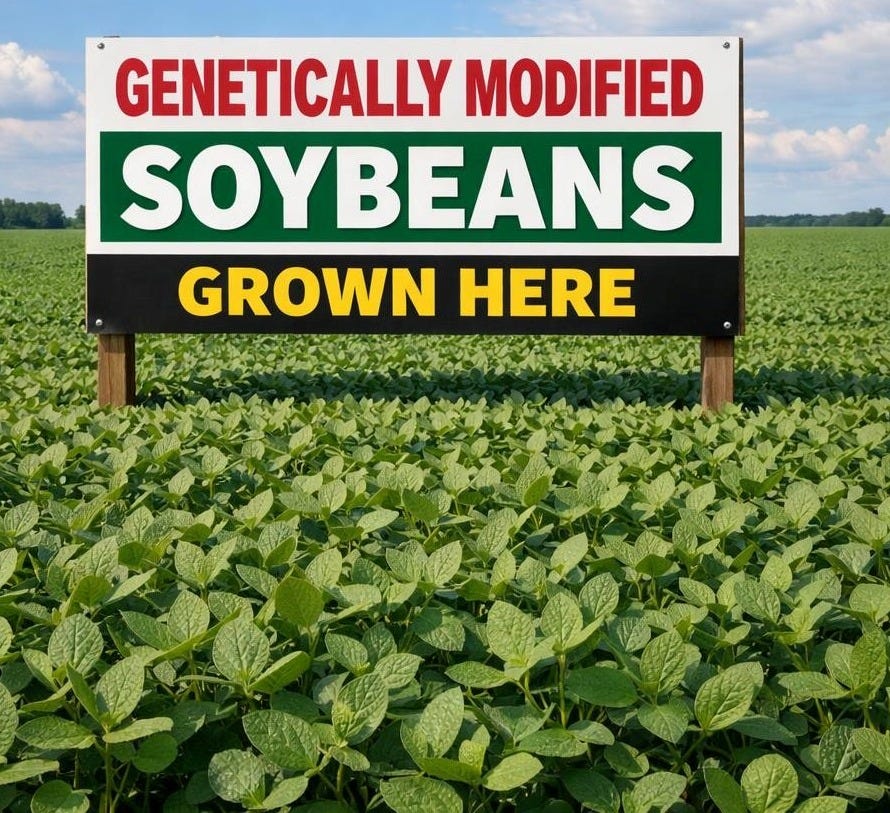
…OR if you’re referring to genetically-modified soybeans, which are grown primarily to feed livestock, that can cause various health problems as well if consumed.
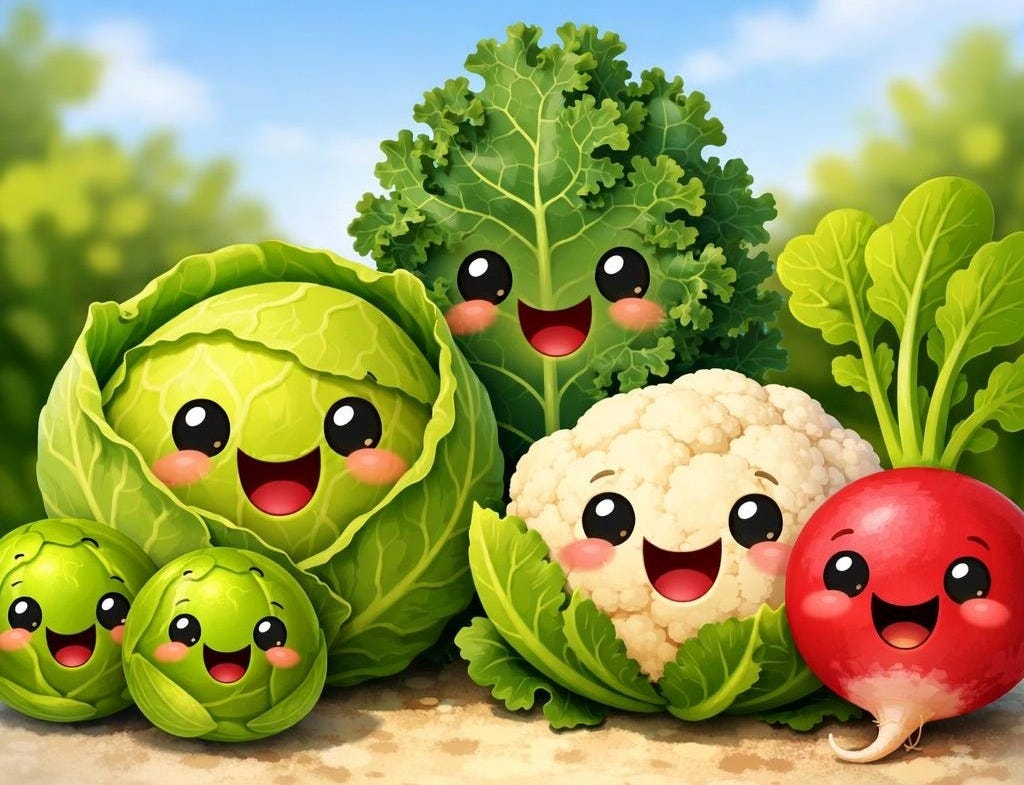
Then there are the GLUCOSINOLATE anti-nutrients. These are said to be predominantly found in cruciferous vegetables, in the category of the Brassicaceae family. Common sources include broccoli, brussels sprouts, cabbage, kale, cauliflower, radishes, mustard greens, bok choy, collard greens, and watercress.
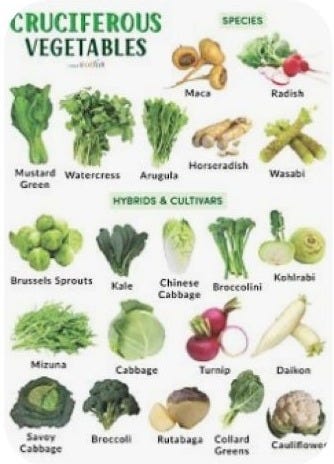
These foods do not appear to contain the usual negative “anti-nutrients” at all. Rather, they are highly praised for possessing an impressive range of health benefits.
Aside from the healthy dose of fiber they contain, other benefits include antioxidant and anti-inflammatory properties, as well as aiding in detoxification. But best of all, they are the most well-known food group for preventing cancer.
On the website biologyinsights.com, it is stated: “The breakdown products of glucosinolates, particularly isothiocyanates and indoles, are associated with a range of health benefits.
“These compounds possess antioxidant properties, helping to neutralize harmful free radicals and reduce oxidative stress. They also exhibit anti-inflammatory effects, which can contribute to managing chronic inflammatory conditions.
“Research focuses on their role in supporting detoxification pathways. Isothiocyanates induce Phase II enzymes, which convert carcinogens and other toxic substances into forms that can be more easily eliminated from the body.
“This mechanism suggests a role in cancer prevention. Studies indicate these compounds may inhibit cancer cell growth and interfere with tumor development.”
There’s absolutely nothing negative to say about these helpful critters. They practically have angel wings!
And last in our list of anti-nutrient groups come the SAPONINS, yet another group that seems to merit nothing but praise. The foods they are said to be contained in include dried peas, beans, lentils, chickpeas, soybeans, quinoa, sunflower seeds, asparagus, spinach, and yams.
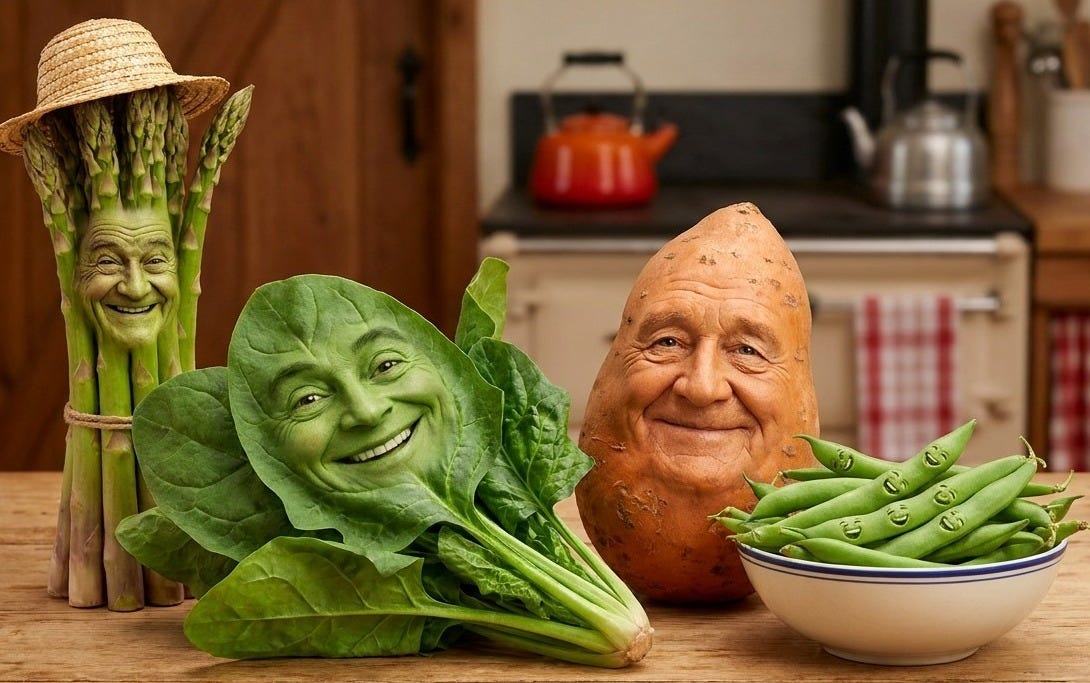
It is said that: “These plant chemicals are able to help eradicate free radical damage in the body,” and that “There are numerous reported benefits of saponins, but one of the most widely studied is their antioxidant capabilities.”
It is also said that: “There is also no evidence of saponins negatively affecting the absorption of any specific nutrient in ways that make them necessary for the average person to avoid.”
Then we are told to think of saponins as “bodyguards for plants,” and that they are “made by plants as a defense mechanism to protect against infections and pests.”
NOW we’re getting somewhere! This certainly sounds similar to the noble purpose that the amygdalin in the fruit seeds serves!

In fact, you might even begin to think that these “anti-nutrients” aren’t actually “anti” at all… but simply naturally-occurring self-protection mechanisms to keep the plant germinating, growing, sprouting, and healthy!You could certainly equate them to the thorns or “prickles” found on all true rose bushes. These prickles certainly don’t negate any of the beauty and fragrance of the flowers, and their mission is only to keep the roses alive and thriving while providing support.

You may even surmise that all of these negative characteristics attributed to the plants are… well, just LIES to demonize.
And you would have every right to then wonder who might stand to gain from slandering these innocent plants with these negative allegations of interfering with absorption of nutrients. A rival industry, perhaps?
The conclusion here is that there is absolutely NO VALID PROOF that the alleged “anti-nutrients” in ANY of these foods listed cause ANY of the problems they are accused of causing.
All of the food groups claimed to have “toxic qualities” actually have a plethora of healthy benefits… with the exception of the moldy peanuts or the genetically modified soybeans. But that’s about the ONLY thing you can’t blame on the “anti-nutrients”!
+++++++++++++++++++++++++++++++++
+++++++++++++++++++++++++++++++++
Thank you for reading!And now, if you haven’t already done so, please check out my book, “THE ENIGMA OF VITAMIN B12: NATURE’S ONLY MISTAKE?” to learn the complete sordid history and diabolical marketing of all synthetic supplements, which many have praised as fascinating, life-changing, and fun to read! (Only $13.62 FOR PAPERBACK during promotional period!)
LINK TO BOOK ON AMAZON
LINK TO BOOK ON AMAZON
Comments
Nothing yet. Say the first thing.
Sign in to join the conversation.