
Some people dream of staying in five-star luxury hotels. Crisp sheets. Infinity pools. Champagne on arrival. As you well know, that is definitely me.
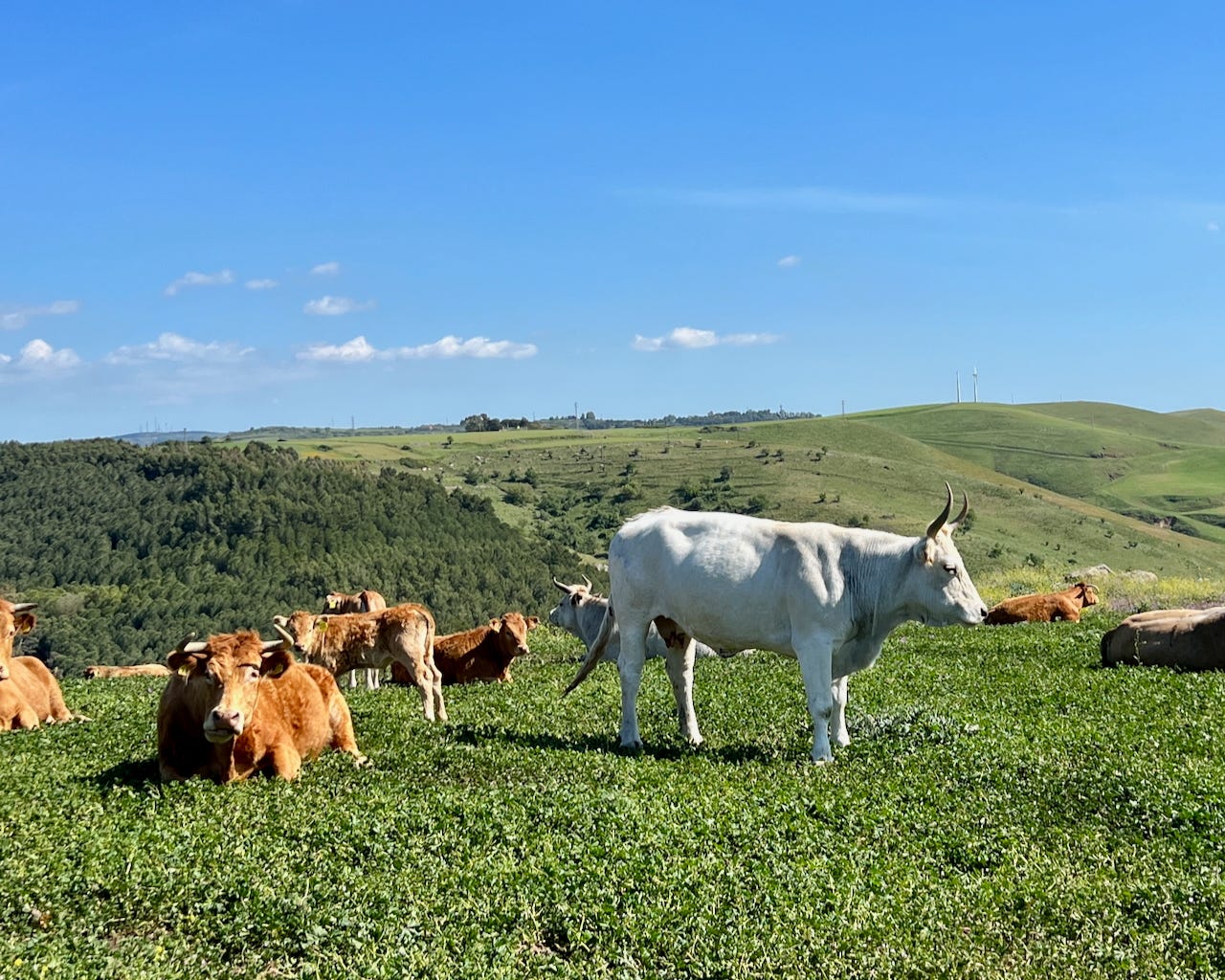
And then there are those of us whose idea of luxury is waking up to the sound of a donkey braying outside the window. Walking past chickens on the way to breakfast. Drinking coffee while looking out over olive groves instead of a parking lot. This is also definitely me.
If this second scenario sounds like your idea of heaven, then an agriturismo, or farm stay, may be one of the best travel experiences you never knew existed in Italy.
The funny thing is that while it’s incredibly easy to book a luxury hotel in Italy, finding a truly wonderful farm stay can feel much more challenging. There isn’t a single booking site that tells the whole story, and many of the best places aren’t particularly good at marketing themselves. They are more intent on pruning the vines rather than maintaining an instagram account.
But it is worth the effort to search them out. Because staying on a working farm is one of the most authentic ways to experience Italy, its food, and the people who produce it.
It’s also why every Via Rosa itinerary includes time on farms. We visit olive oil producers, vineyards, dairies, almond growers, shepherds, and family farms because I firmly believe you can’t understand Italian food without meeting the people who produce it. Staying at an agriturismo takes that one step further. Instead of simply visiting for a few hours, you get to wake up there, share meals, and experience the rhythms of rural life firsthand.
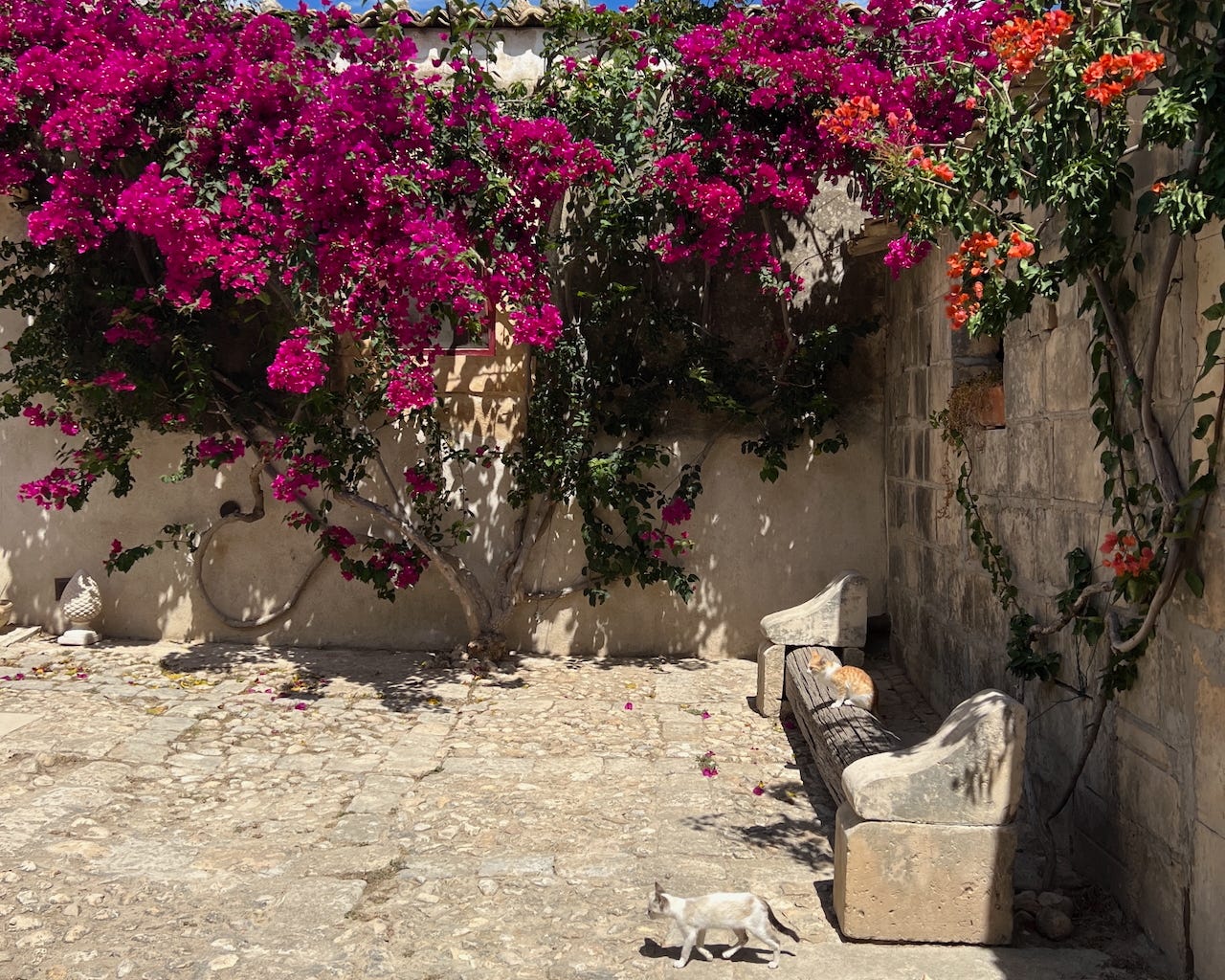
The word agriturismo combines agricoltura (agriculture) and turismo (tourism). But unlike the term “farm stay,” which can mean almost anything in other countries, agriturismo is actually a legally defined category in Italy. An agriturismo must first and foremost be a working agricultural business. Farming is not an add on. It’s the reason the property exists.
Depending on the farm and location, that might mean producing olive oil, wine, vegetables, fruit, cheese, grains, honey, or raising livestock. Hosting guests is a secondary activity that helps support the farm.
Fun Fact: Agriturismi as we know them today were officially established by an Italian law passed in 1985, although many farms had been informally hosting guests for years before that. The goal was to help struggling family farms earn additional income while preserving traditional agriculture, protecting the countryside, and encouraging travelers to experience rural Italy firsthand.
This is what makes agriturismi so special. You’re not staying at a hotel that happens to have a few chickens wandering around for atmosphere. You’re staying on a real farm where real people are making a living from the land. And most importantly? It’s a sustainable way to plan your trip in Italy.
I’ve stayed in many over the years, both for work and for pleasure.
Agriturismi are gloriously simple. If you arrive expecting turn down service and luxury bath products then this may not be for you. But if you really want to get to know a place and the people who live there (which is the whole point of travel, right?) then this is perfect.Because almost all of them have one thing in common: they give you access to a side of Italy that most visitors never see.
You are forced to slow down and really begin to understand the rhythms of rural life and learn not to take simple things for granted. This might include:
Breakfast with eggs collected that morning.
Olive oil on the table came from the trees outside your window.
Jam made from the plum tree in the courtyard by Nonna.
Over the course of your stay you’ll take away something that money can’t buy: experience and knowledge. It’s difficult to leave without learning something, whether it’s how pecorino is made, why wheat varieties matter, or why everyone is watching the weather forecast so anxiously during grape harvest.
For someone like me, who has always believed that food tells the story of a place, agriturismi feel like the most precious luxury there is.
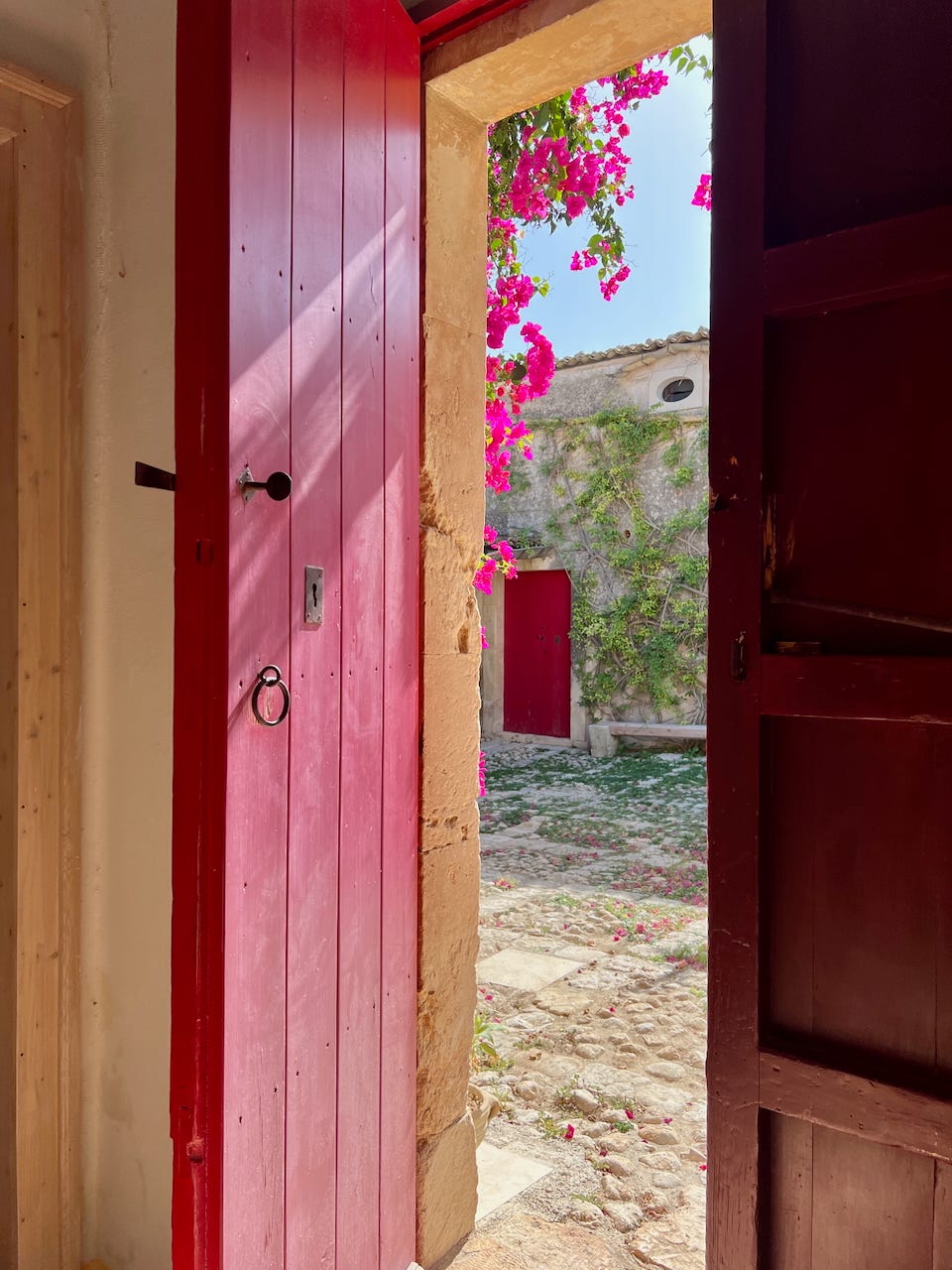
Almost every region in Italy has agriturismi, but some regions lend themselves particularly well to this style of travel.
Tuscany
Probably the region most associated with agriturismi.
Rolling vineyards, cypress trees, wine estates, olive groves and restored farmhouses make it the classic destination. Keep in mind that Tuscany also has the greatest concentration of luxury versions that can sometimes feel more like boutique hotels than working farms. This means the prices may be a bit higher too.
Umbria
My personal favorite.
The farms tend to be smaller, quieter and often less expensive than Tuscany. Olive oil, wine, lentils, grains and truffles all play an important role here, and the countryside feels wonderfully untouched.
Puglia
One of the most exciting places to stay on a farm today.
Cone shaped trulli located amid ancient olive trees, vegetable gardens surrounding ancient masserie, orchards, fresh burrata, tomatoes still warm from the sun and some of the best home cooking you’ll find anywhere.
Sicily
The range is enormous.
You can stay on citrus farms beneath Mount Etna, vineyards overlooking the sea, olive farms, pistachio producers or inland estates producing ancient grains.
Piedmont
Ideal if your interests lean toward wine, hazelnuts, truffles and slow food traditions. And since it’s northern Italy? A bit more organized than the south.
This is where things become slightly more complicated. Many wonderful agriturismi don’t have sophisticated websites. Some don’t use online booking platforms at all. One that I had hoped to include here told me they had actually disabled their website because they were getting too many requests and couldn’t be bothered. True story.
But with the right tools, you can find the one that’s perfect for you. Here are some of the resources I use along with recommendations not just from me, but from my colleagues all over Italy.
Comments
Nothing yet. Say the first thing.
Sign in to join the conversation.