
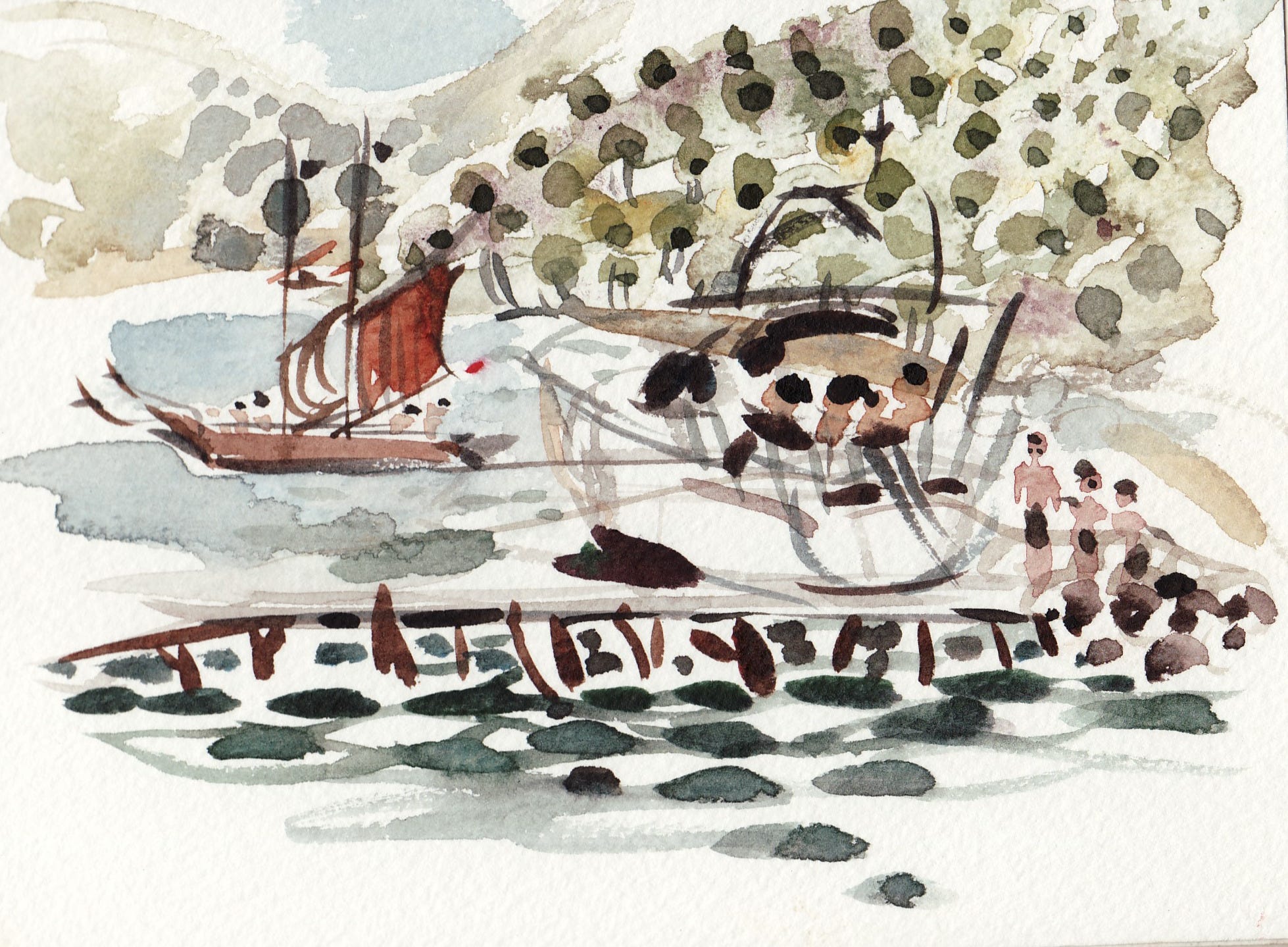
Crafty Odysseus, returned in his storm-battered ship to patient Penelope on the island of Ithaca, outwitted the sea-god’s monsters on the long voyage home from the siege of Troy
Long before the popularity of the three-hour blockbuster, Odyssey, currently making well-deserved millions at the box-office - none of it filmed on the island, but never mind - Ithaca was proud of her hero for virtues that protect seafarers but are little admired on land: cunning, endurance, patience, and the courage to do whatever needs to be done without regret.
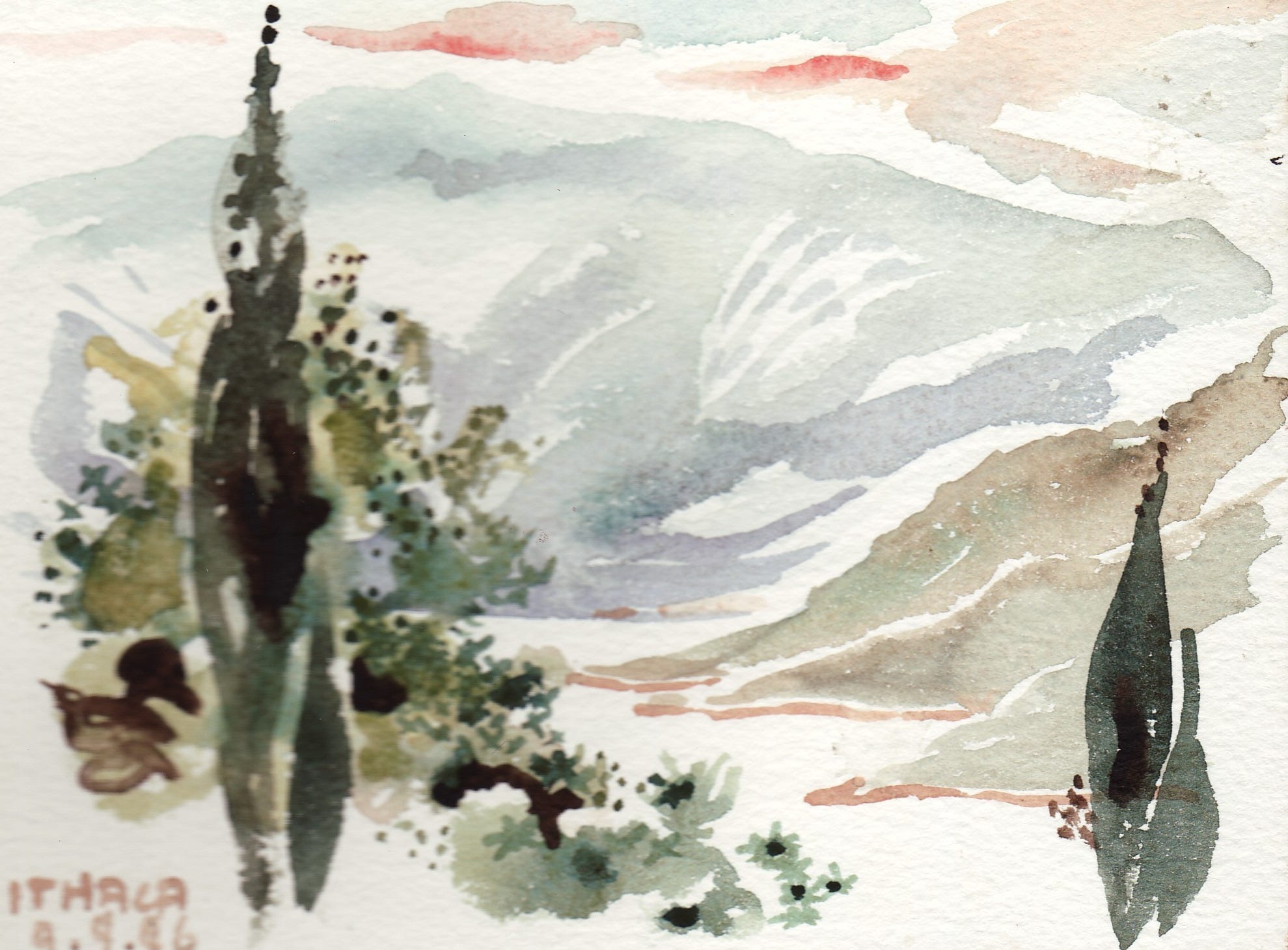
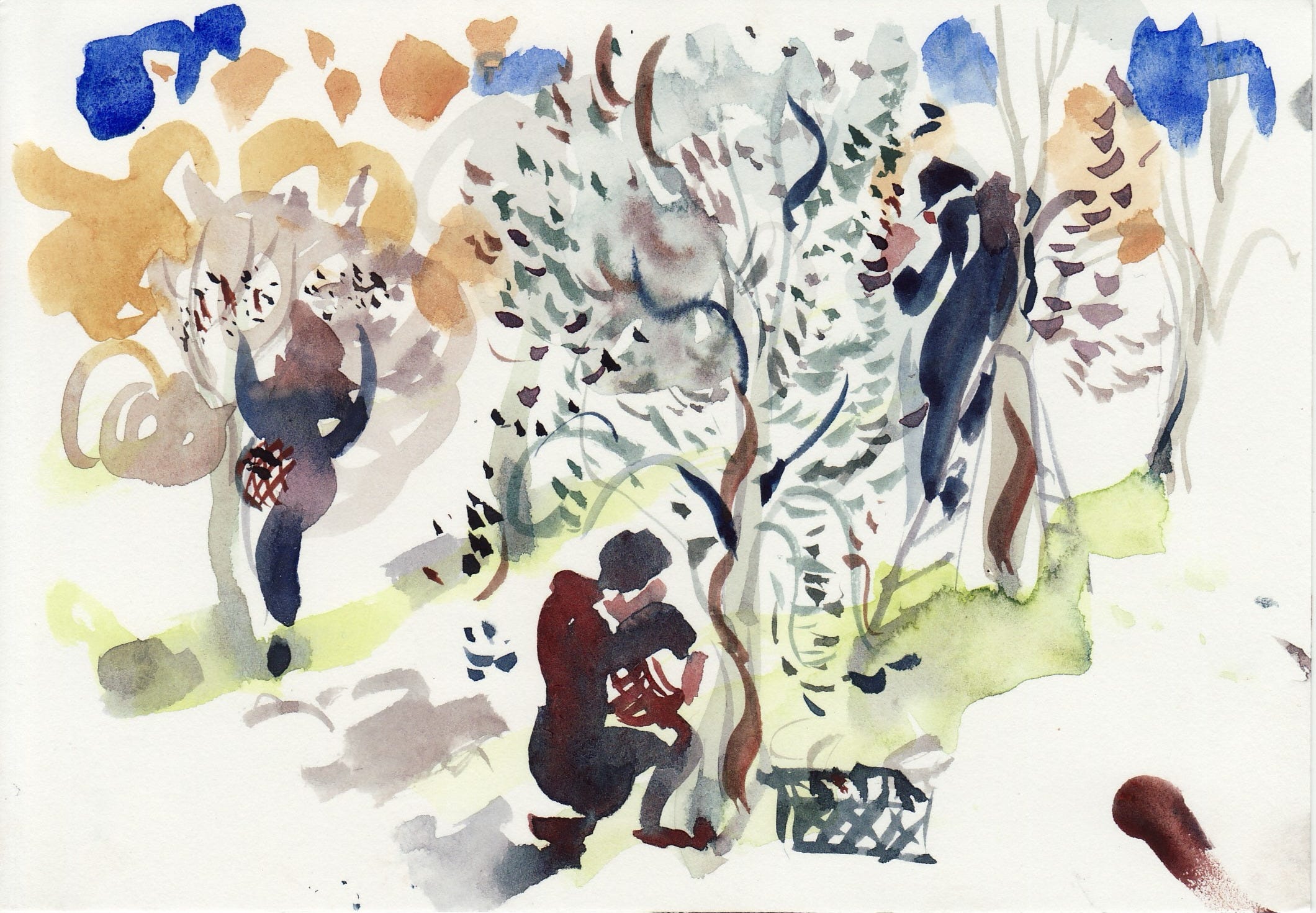
Odysseus’s palace long vanished into the stony hillside when, some twenty years ago, I was gathering edible plants for illustration with the occasional assistance of the island’s resident botanist, Nikolaus, recently retired from an important academic post in Athens. The botanist’s identification in Latin was immediately corrected by his ouzo-buddy Lazarus, chef-proprietor of the local restaurant in the village of Stravros, leading contender for the location of Odysseus’ palace.
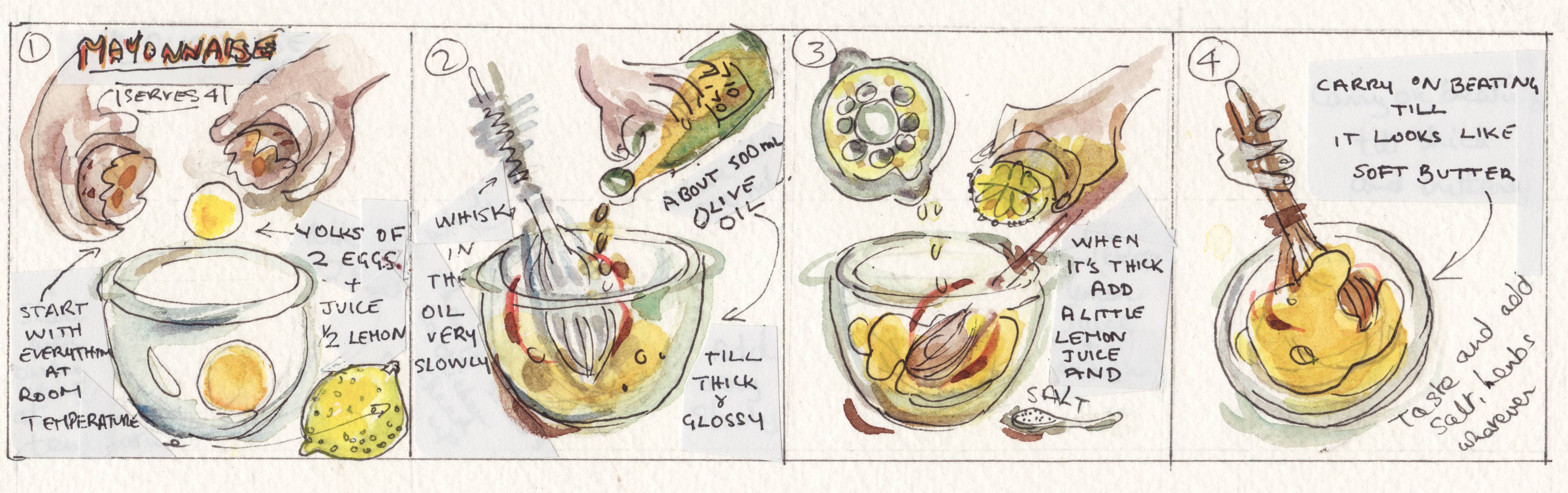
Lazarus house-speciality - recommended with a chilled tumbler of his home-brewed ouzo distilled with the island’s aniseed - is courgette fritters flavoured with mint prepared to his mother-in-law’s recipe. His wife is from Kos, famous for those crisp, long-leaved lettuces that serve as useful tools for scooping skordalia, a garlicky dip prepared like a mayo with bread or potato instead of egg-yolk.
My hostess on the island is an old friend, Ileana Gratsos, daughter of one of Greece’s great ship-owning families now a Londoner. All Greek expats, anyone who can afford it, keeps a summer home on one of the islands. Ileana’s, reached by water rather than unpaved road, is on the bay of Skinos, one of the island’s many inlets.
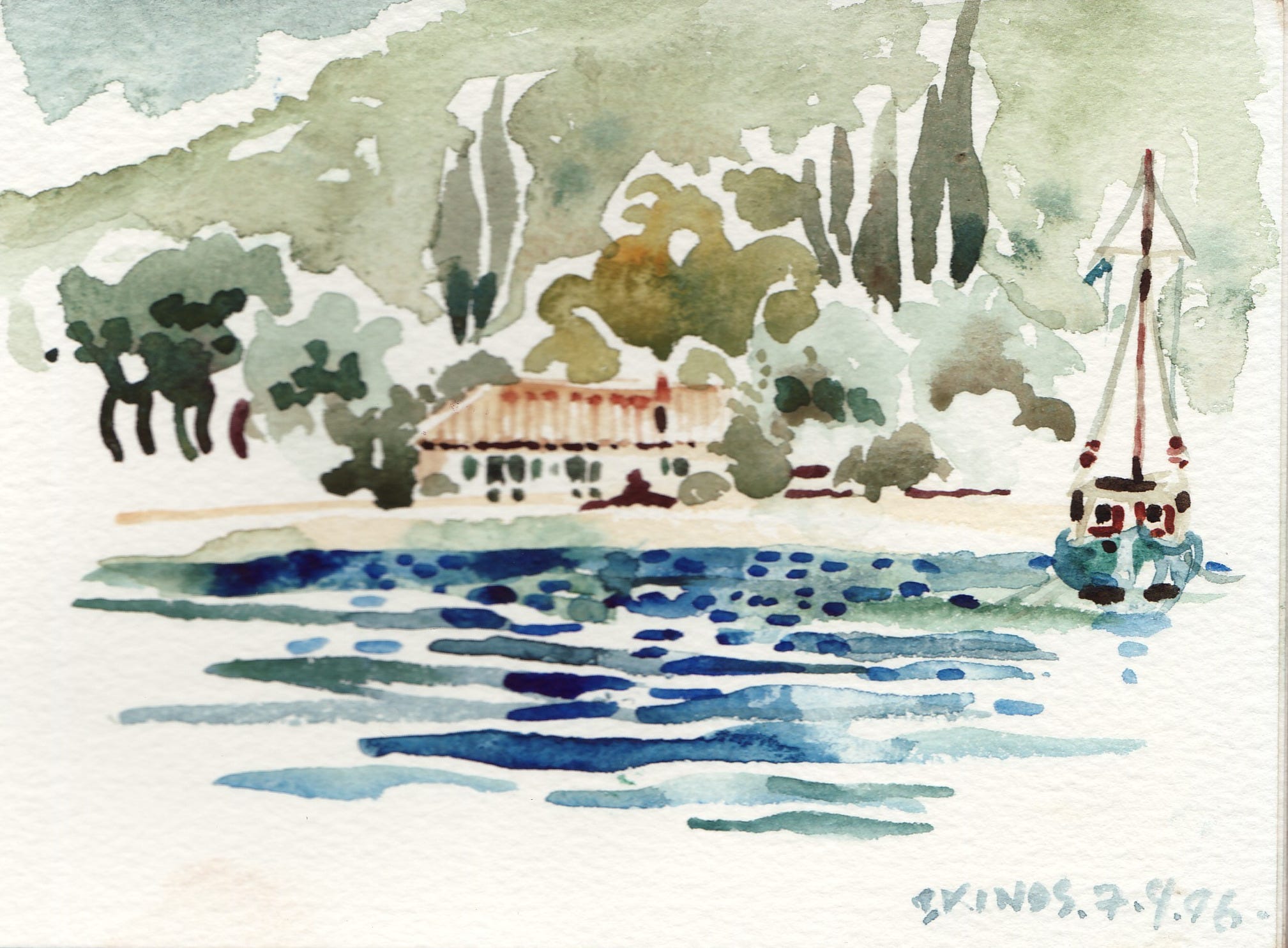
Unlike many of the islands, Ithaca is well-watered and fertile, and the house - single-story, red-tiled, shaded by lemon-trees - is occupied year-round and self-sufficient in olives for oil, vines for wine, fish from the sea, chickens for eggs and produce throughout the seasons from the kitchen garden.
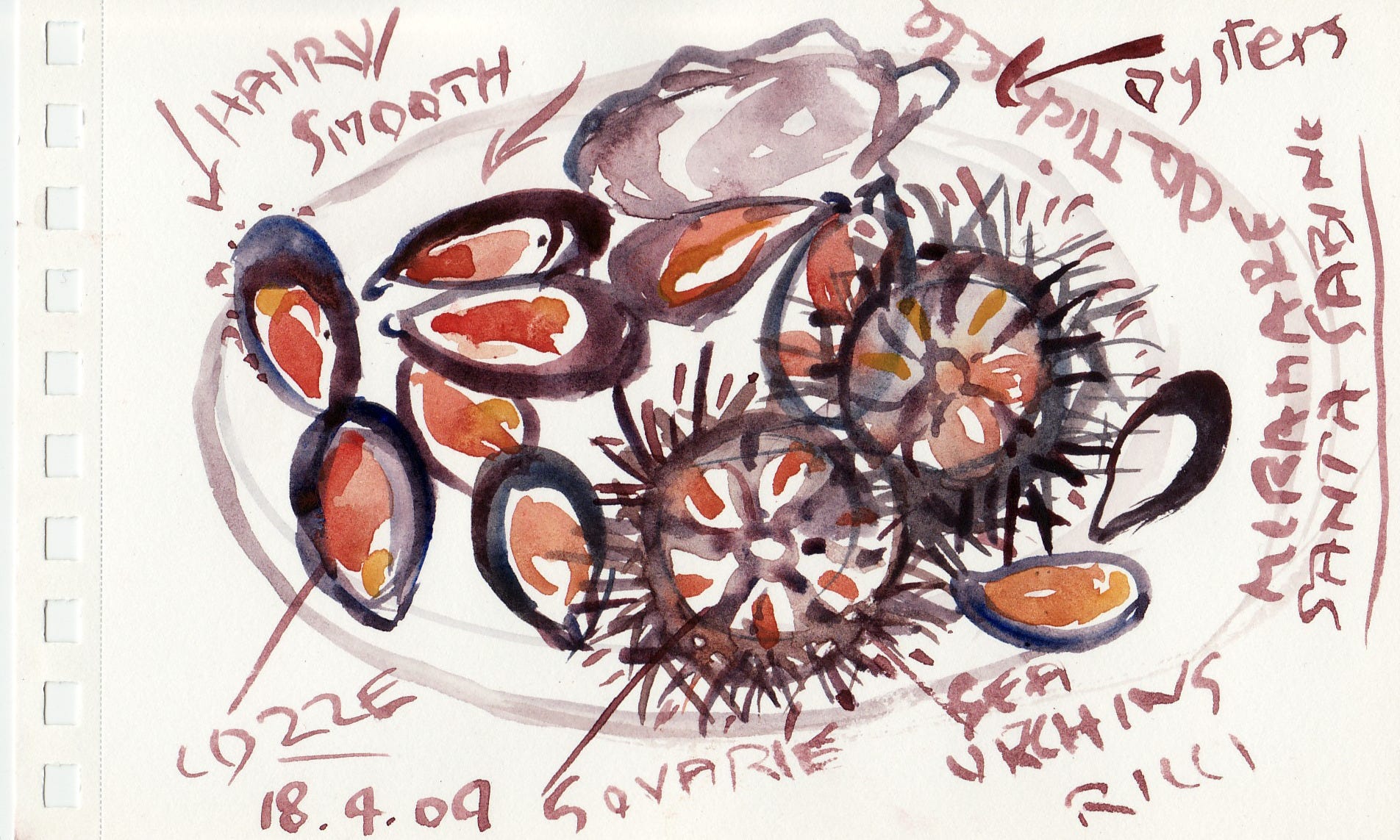
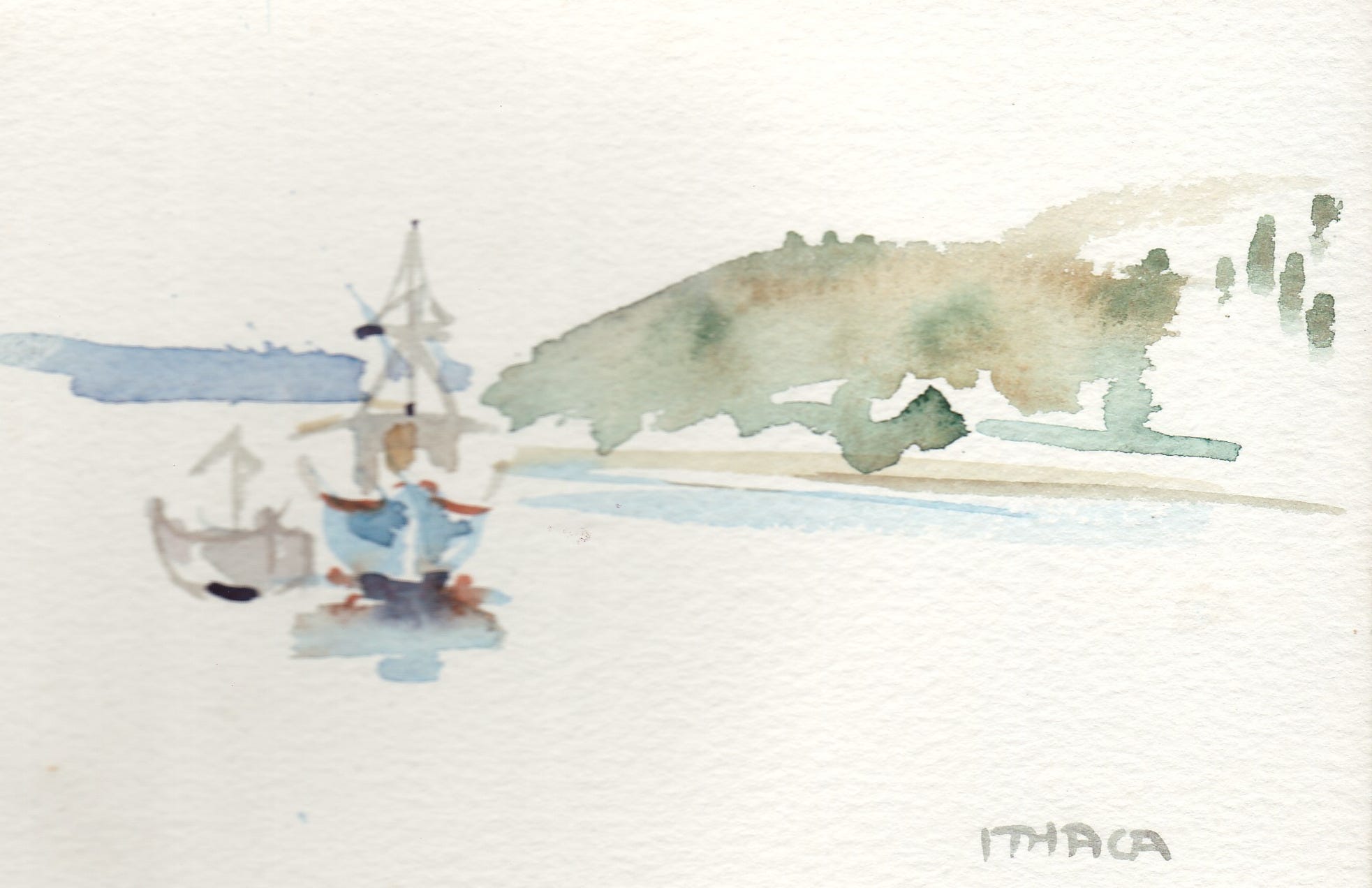
The natives avoid travel by road if they can travel by sea, whether by row-boat or rather more comfortably, Ileana’s family gulet. This, a wooden ex-fishing boat equipped with sails and an outboard motor, rides at anchor in the bay. Exploration of the neighbouring inlets always include a dive for sea-urchins. a hazard to be avoided when wading in the shallows as the spines are worse than falling into a bramble hedge. The best are the darker specimens - light means not yet mature enough to breed. To prepare, hold your urchin, mouthpiece upwards, and scissor or use a sharp knife, right round the equator to reveal the five little orange ovaries nestling round center. A squeeze of lemon is all that’s needed for a mid-morning snack
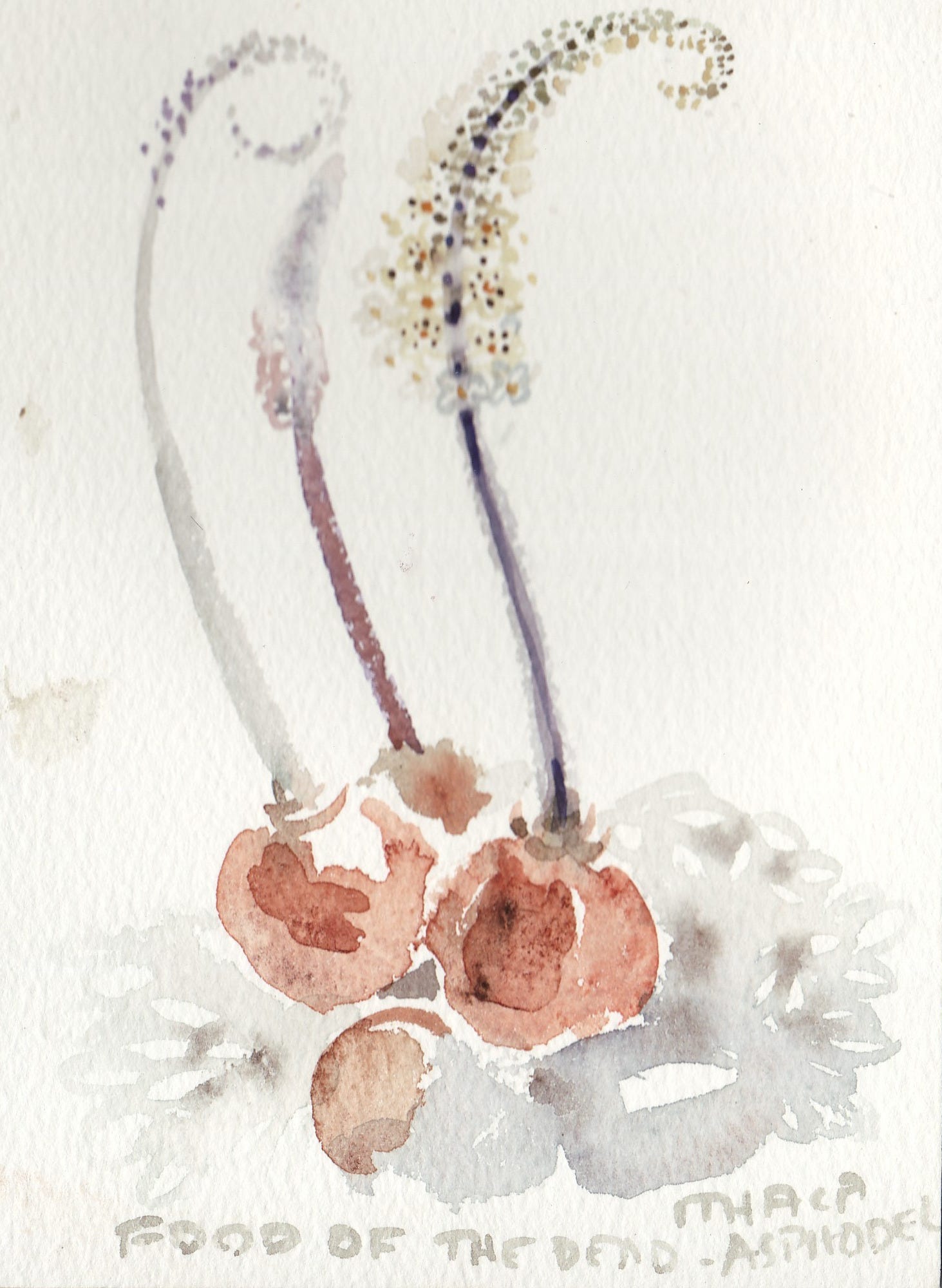
.Botanists, on the other hand, have no such choice. An hour’s bone-shattering ride in Spiro’s ancient Land Rover, brought the pair of us to the day’s destination, a wide plateau by the edge of the northern cliffs, treeless, carpeted with tall, lily-like plants, many-branched, starred with clusters of blossoms with bright yellow centers and cream-coloured petals streaked with scarlet.

“Asphodelus ramosus,” observes Spiros, scraping the sandy covering from a cluster of onion-like bulbs.. “The food of dead. Not even the goats will eat it.”
A plant that not even the goats will eat? “The bulb is mildly halucinogenic. Always found on old battefields. I wouldn’t eat it myself. The dead who die in battle are entitled to their share.”
My literary guide to leasurely exploration of island - nobody goes out in the midday sun unless they’re a tourist or have lost the good sense they were born with - is poet and novelist Louis Golding’s Goodbye to Ithaca, an island he first visited in youth in 1916 as a survivor of the battle of Gallipoli. Battlefields loom large in memories of the Great War, as well they must.
So it was that Odysseus sailed from Aeolia for his home, Ithaca. Nine days later there he was with sign of the beloved island, its vines and olive trees, its high hills starred with rock-rose, and the goats leaping from ledge to ledge. That was Ithaca there, those long cliffs running north and south. the sun was hot and hard on the peaks; the scrub on the slopes moved faintly in the heat-haze like seaweed anchored in rock-pools.

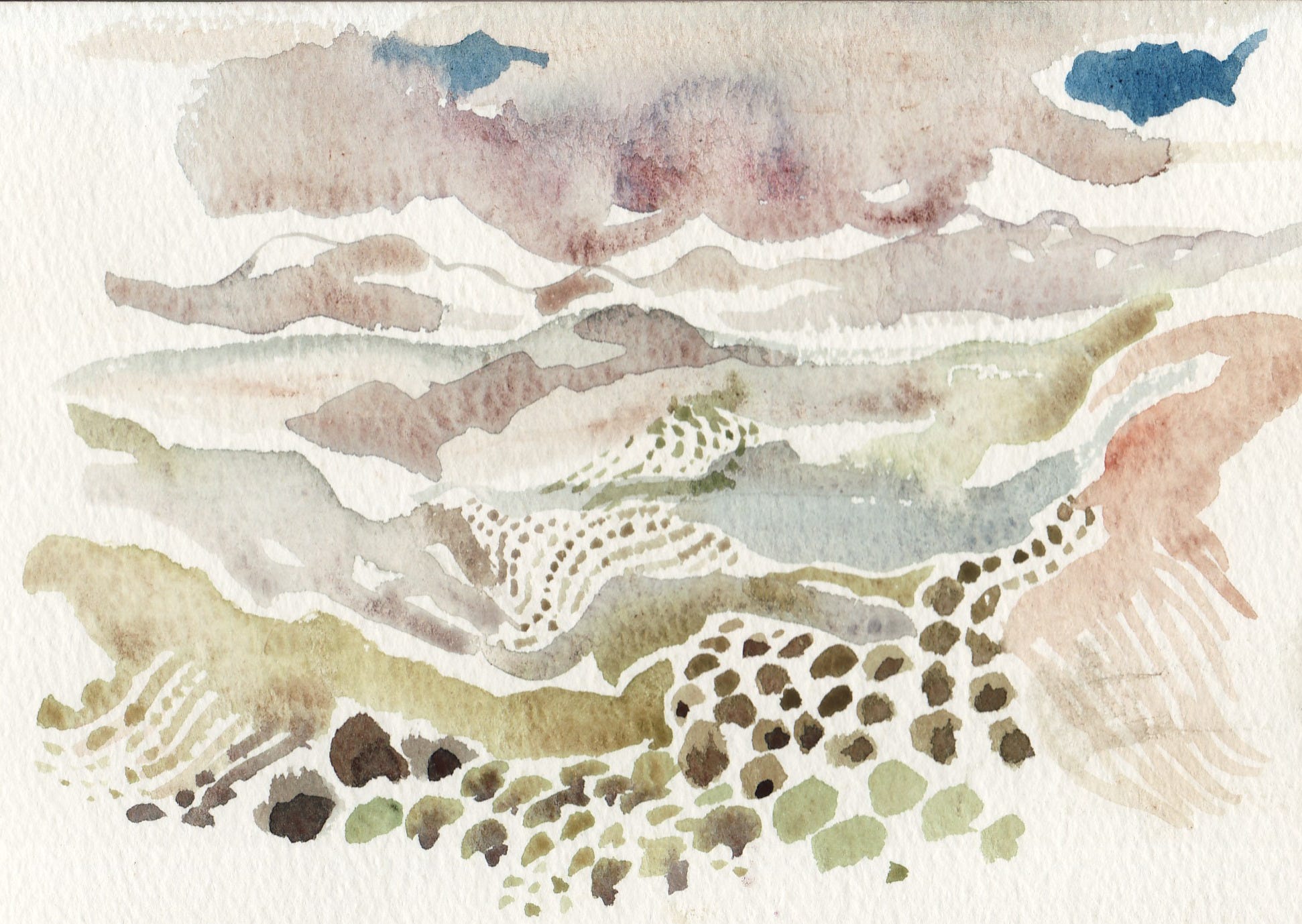
Ithaca’s shoreline is indeed pitted with rock-pools. “You ask where you are?” said the shepherd, the goddess Athena in disguise, to Odysseus after he had at last been washed up by the long-leaved olive tree in the Bay of Phorkys, Homer’s Dexia. “I grant that the road is rugged and unfit for driving horses, yet narrow as it may be it is very far from poor, it grows abundant corn, and wine in plenty. The rains and fresh dews are never lacking; and it has excellent pasturage for goats and cattle, timber of all kinds and watering-places that never fail.”
Golding places Odysseus palace at Pelicata, high in the north of the central plateau: Pelikata is not a name in Homer’s poem, but a name on the present-day map of Ithaca. If we talk of a possible house of Odysseus in Pelikata, we mean that to-day’s Ithaca is Homer’s Ithaca....It was felt to be an ideal site of an ancient city, commanding as it does the undulating plateau which constitutes the most fertile area of a mountainous island....Was there room up there for a palace and its out-buildings, for its vineyards and olive groves? Was there any sign of ancient habitation still visible?
Perhaps. Perhaps not. The Odyssey, after all, is a story for all the ages, a fable told and re-told, altered by the teller, as immortal in memory as that long-forgotten battleground marked by a field of lilies with pale petals streaked with scarlet that are known and believed to nourish the dead
p.s. beloved paid subscribers (you know who you are and I”m deeply grateful for your support as most of my stuff comes for free) will shortly be in receipt of a recipe for Lazarus’ courgette fritters with mint (‘little-leaf’ variety seems to be pennyroyal, a variety that doesn’t mind heat).
p.p.s. Regular readers may remember my recent post on Chios with talk of mastic. New news! I have just received a small package of mastic tears direct from Athens, and am about to experiment. So exciting! Will report back.
No posts
Comments
Nothing yet. Say the first thing.
Sign in to join the conversation.