
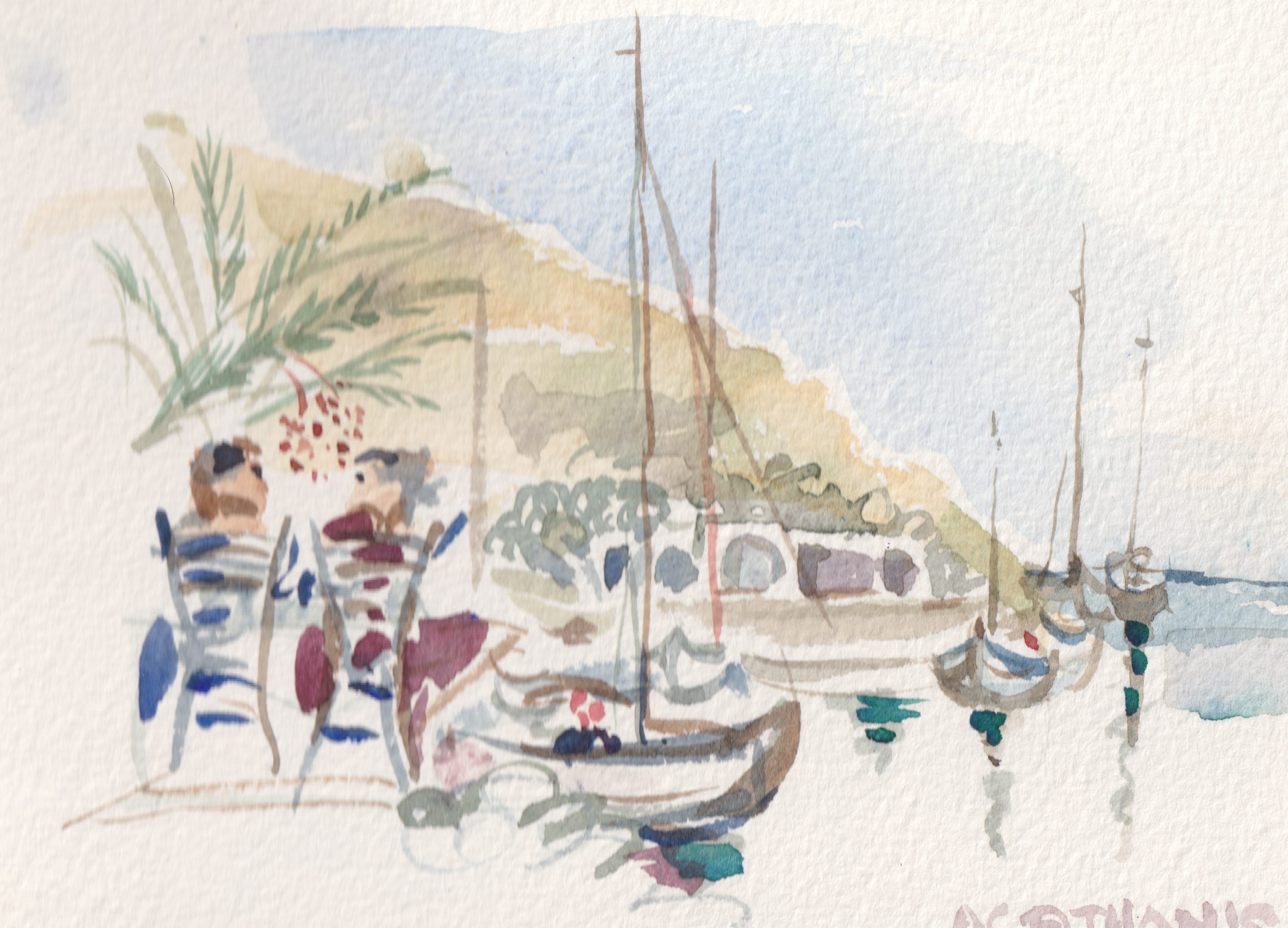
A good many years ago (my kind of time), travelling around the islands of the north Aegean by ferryboat circa 1990 in the company of a hundred or so mostly-American writers, cooks and chefs, organized by Oldways, Mediterranean Diet enthusiasts out of Boston, we disembarked en masse at the port of Mytelene on Lesbos, Sappho’s island, home to Theophrastus, Aristotle’s pupil, who founded the first school of botany in Europe, a model for botanical study thereafter.
The island’s specialty, then as now, is a particularly fragrant variety of aniseed used to perfume ouzo. Ouzo (aka raki - don’t argue with the Turks) arrived among the Greeks courtesy of the Byzantine Empire, distilling being an Arab invention, like so many of the good things in life. Taken in company as a refreshment, ouzo/raki, when diluted with plenty of water and ice, creates conviviality of the kind that encourages serious discussion of the important matters such as music, botany, poetry and whether or not Sappho was, courtesy of a historian and farmer amongst us, a singer of other people’s songs, a wedding-singer, married with children, who ran a school for the education of young girls, and, by way of heterosexual credentials, ran away to Sicily with a bounder from Egypt, and killed herself for love.
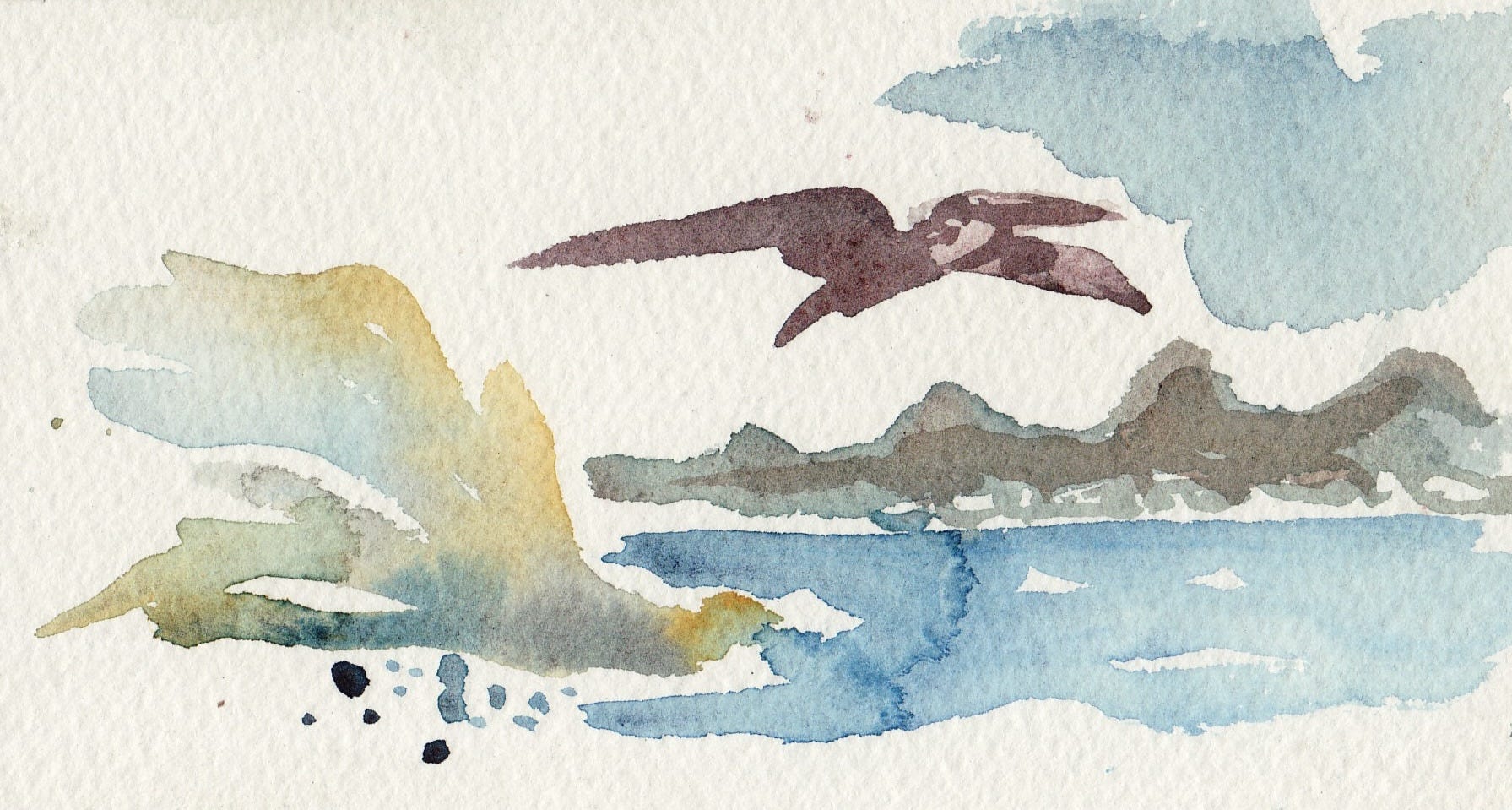
Facilitators for these discussion-forums, symposiums taken with wine in the Ancient Greek tradition, are small amounts of good things designed to feed the mind rather than simply satisfy the body. On the island of Lesbos, explained out hostess, Christina Panteleimonitis, the traditional accompaniment to ouzo is freshly-salted, scaled, gutted and filleted sardines, sold in small plastic containers on street corners, ready-prepared for the midday apperitivo. The raw material - unusually small members of the family clupiedae - feed on a special breed of plankton found in the lagoon that protects the inshore fleet from storms, and provides a staging post for pelicans.
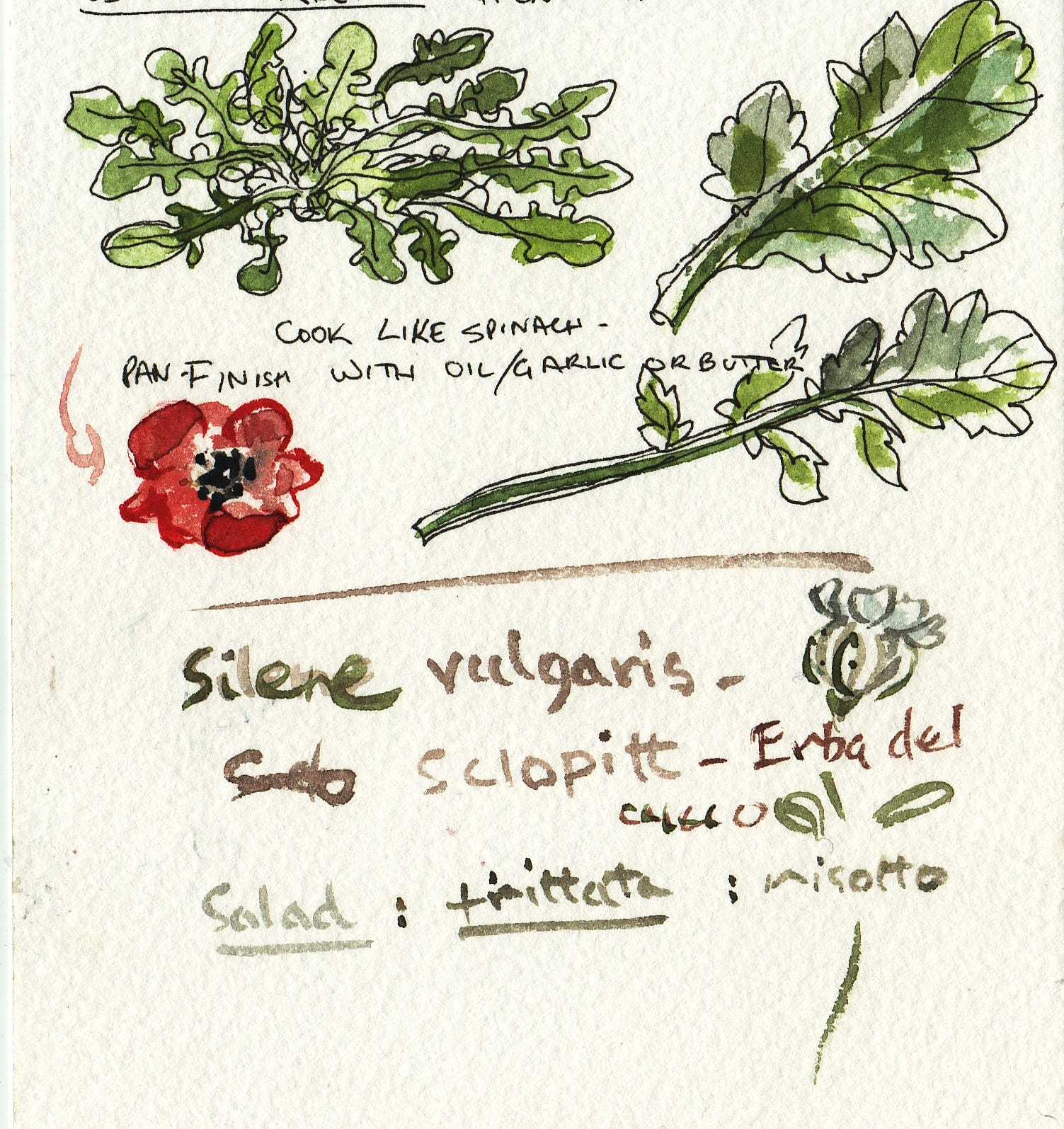
The island’s ouzo, prepared in the island’s alambique, is taken up to 80% and then brought down with island water aromatised with secret herbs and the island’s particularly fragrant aniseed. “We are generous with our recipes,” says Christina, “but we won’t tell you which herbs.” Involvement in the restoration of the island’s watermill led our hostess to establish a business promoting artesanal products to sell to tourists, many of them English, as a source of income for the islanders. The first hotel on the island, built to accommodate visitors from England, was the Grande Bretagne. The villagers provided the original culinary expertise: making trahana with roughly ground durum wheat mixed with soured milk heated to sterilise, with the addition of vegetables and whatever adds flavour and preserves perishable sources of protein such as eggs and cheese; the dough is then dried, grated and dried again to produce a storable grain-food with an addictively sour taste that can be eaten with wild greens, horiatiki, prepared raw when the leaves are still young and tender, and at other times, de-stalked, lightly cooked and dressed with a little olive oil and salt.
We are joined at the ouzo table by Christina’s cousin, Carmela Garcia, a teacher from Valencia, and her teenage son Rodrigo, named for the second of Valencia’s Borgia popes, on his first experience of the world beyond. Both were sipping cloudy glasses of ouzo diluted with well-water, part of the young man’s education. The people of the Levante, Spain’s most easterly region, are outward-looking. They have more in common with their neighbours of the Mediterranean than those who live inland on Iberia’s high plateau, a landmass that tips downwards towards Portugal and the Atlantic, and is fenced off from the rest of Europe by the Pyrennees,. The Valencian language, close cousin to Catalan, is more likely to be heard in Palermo or Cagliari than it is in Malaga or Cadiz.
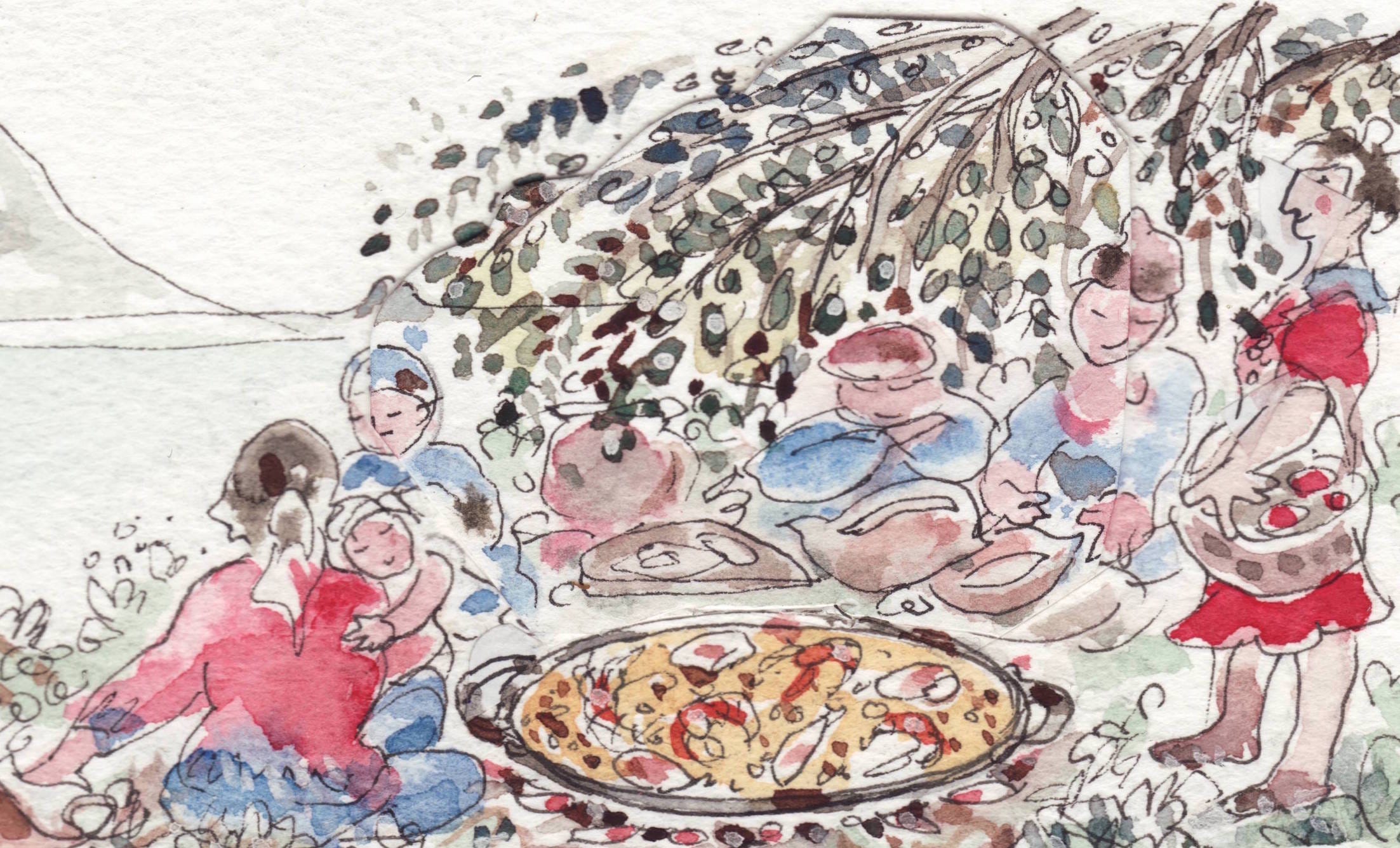
“This reminds me of when I was a child,” says Carmela, stirring the milky liquid in the glass dreamily. “On Mayday we went in carts into the hills to make the paella. Now we have the leisure, people do it every Sunday, but in those days we had no cars and only the rich had horses of their own. The older people and the little children went in the carts, the young people walked together and as they walked they collected snails for the paella, and someone shot a rabbit or two. You skinned the rabbits and hung them on the tree for a while to dry. The paella should have one part olive oil to five parts rice, with double the volume of water as rice. The rabbit must be quite tender when the rice goes in, so you have to add some water and cook it out. The men carried flat-sided water bottles over their shoulders because it was very hot, and if you added a little anis-brandy, ouzo, then you didn’t sweat so much and lose the water you had carried. For the little children you added a splash of lemon syrup - jarabe - and if you add a few drops of anis to the water, we call it a little cloud. It was really delicious.”
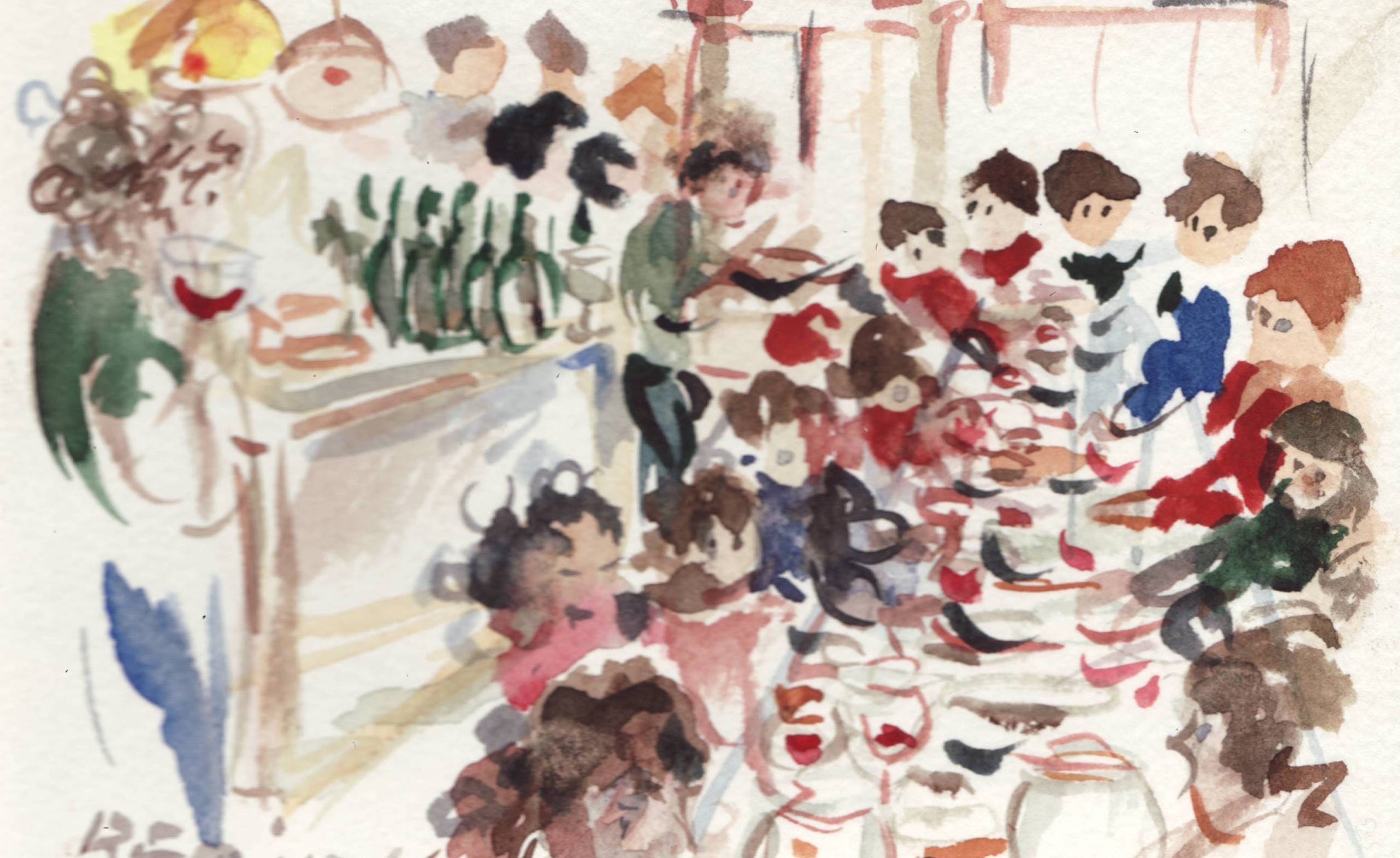
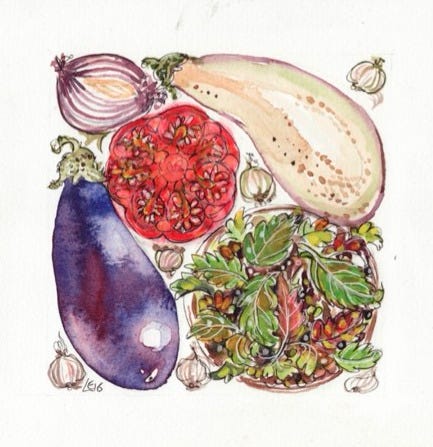
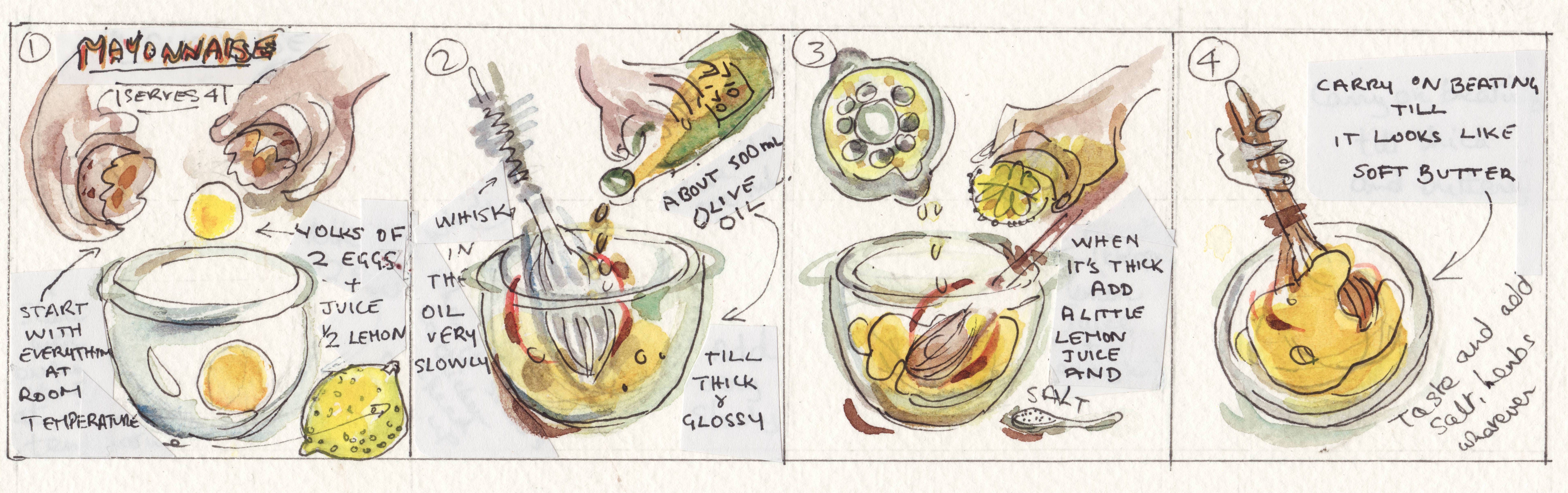
Meanwhile, refreshments continue at the ouzo table with papoutsakias - aubergines with meat and cheese (soften the aubergines in a little water before you stuff ‘em), dolmades with cinnamon and mint (vine-leaves, pilau rice), meatballs in an oniony tomato sauce (sour plums beinh tomato’s possible predecessors) and a dish of baked salt-cod, an Atlantic fish that served as fast-day food for both Orthodox and Roman Catholics, with a thick dollop of oil-lemon-egg avgolemono that looked like jellied mayo. The invention of mayonnaise, Carmela points out with pride, can be ascribed to the cooks of Mahon, capital of Menorca, where the local language is Valencian and the island itself, says Wikipedia, has been chosen as a holiday home by Elton John and Richard Branson. Fancy that!
p.s. beloved paid subscribers will shortly be in receipt of a recipe for Greek meatballs in a sour plum sauce.
p.p.s. next week: Greek island-hopping, part 3. Harvesting mastic on Chios.
No posts
Comments
Nothing yet. Say the first thing.
Sign in to join the conversation.