
We have known each other for a long time, Anxiety and I.
In fact, looking back I cannot seem to remember a time when she wasn’t in my life — so loyal and dedicated, so determined she has been to be by my side. And when she is out of sight, she is not exactly out of my mind. Wherever she goes, she sends me long, loving letters, reminding me of her presence, even when she is miles and miles away.
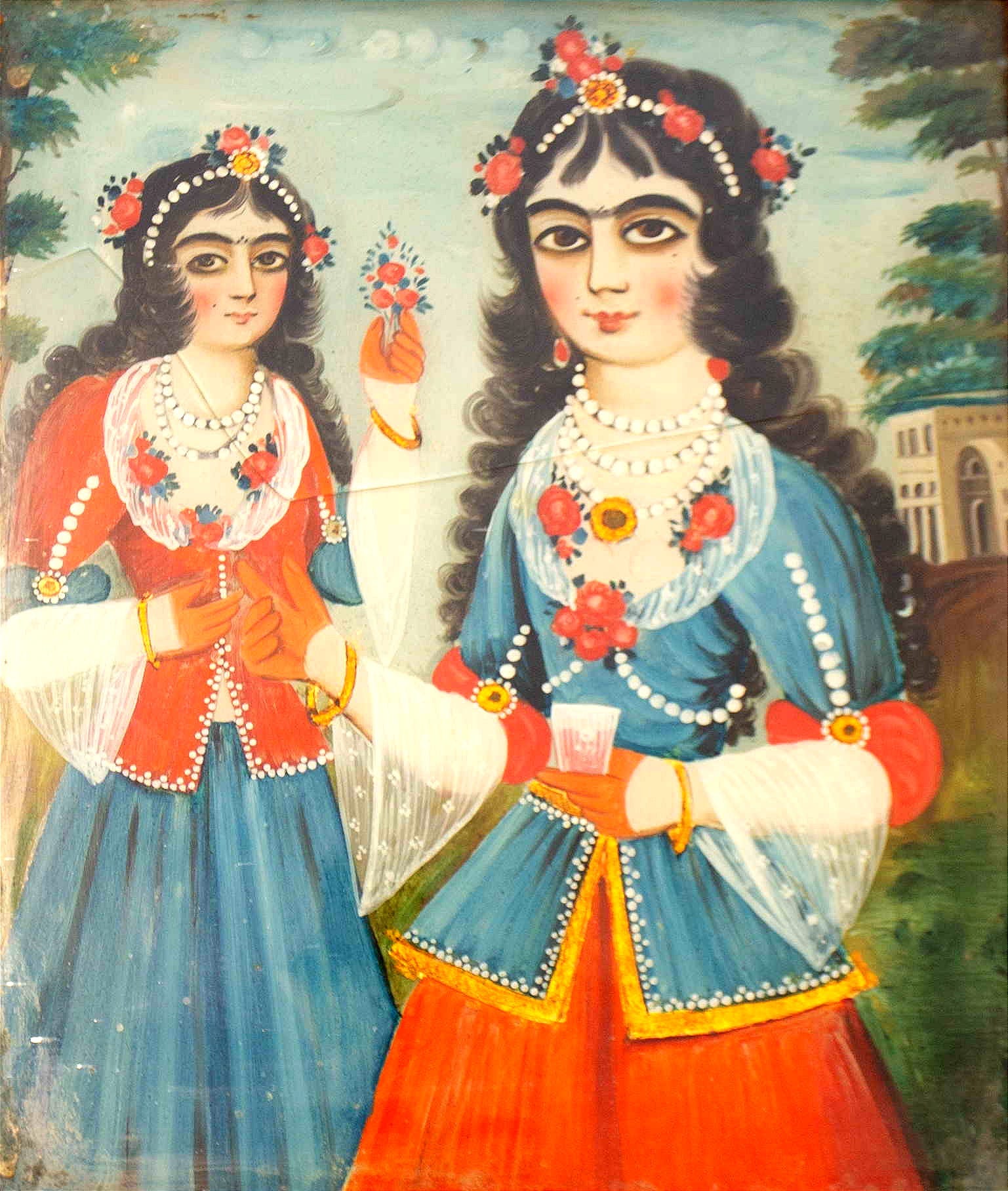
We have grown used to each other. Some days, we are almost inseparable, like two figures in a Qajar painting, there we are, walking side by side.
I am not trying to make light of angst. I know — I have learned— that Anxiety can be crippling, debilitating. And also, at times, surprising. She simply can emerge anytime and anywhere.
Nevertheless, there is a pattern to her comings and goings, I have noticed. It usually happens like this: when I have finished a new novel and it is time for me to let go of the story, of the characters, of the scenes, of the smells, of the colours, of everything all at once, I feel desperately empty, aimless, lost, and that is when Anxiety is back.
‘You just finished a book, congratulations,’ said a friend yesterday. ‘That must be a wonderful feeling.’
I did not know what to say.
In 2010 a US health website named the ten professions wherein people are most likely to experience depression, melancholy or angst. Among them are care workers, social workers, police officers, and teachers.
I can understand how stressful and difficult these occupations must be, especially in the long run and I am not in any way underestimating the hardships they each face . But here is a strange detail: On that list of ten, among the professions that are most affected by mental health struggles, are writers.
Novelists.
It is something we do not talk about enough — but I believe we must.
Share Unmapped Storylands with Elif Shafak
Kafka was very familiar with anxiety attacks. Introverted and painfully perfectionist, shy and full of self-doubt, he suffered from relentless hypochondria…. Many nights in his small room he would toss and turn, having trouble falling asleep. Sometimes insomnia would get so severe that he could not function at all the next day. Completely sleep deprived, he would experience hallucinations. Shapes would merge in his mind’s eye: day would melt into night, light into darkness, human body into that of an insect.
Tolstoy was the master of existential unease, pessimism and spiritual anguish. When he embraced non-violence as a philosophy of life, when he abandoned all claims to wealth and rank, and returned to soil and nature, he was running away not only from an aristocratic existence but also from the shadows of his own mind. Until the very end, his search for truth went hand in hand with his search for tranquility.
Gustave Flaubert, the beloved hermit of Croisset, grappled with “nervous ailments” from an early age onwards. Isolation, despair, melancholy…. It was everywhere really, so visible in his work: in his novels, in his memoir, in his letters…. even in his letters to his lover, even in his words about love.
Writers spend a huge amount of time “rummaging inside souls”.
Every day, we have to go deep, and deeper still, analysing personalities, remembering the forsaken, focusing on what lies beneath the surface, all of which constitutes unexpected challenges. Tolstoy expressed this most powerfully when he said:
“Rummaging in our souls, we often dig up something that ought to have lain there unnoticed.”
But I genuinely believe that the opposite can also be true. As susceptible as writers are, and perhaps have always been, to mental health struggles, we are also connected to harmony. The art of storytelling amplifies every little feeling, the sorrowful and lowly but also the beautiful and sublime.
If, as Kafka said, “a book must be the axe for the frozen sea within us” then writers can discover myriad ways to be happy in the sense that children do:
“Youth is happy because it has the capacity to see beauty."
Every day, we see and we seek meaning, near and far. We find them in the big and small, in things visible and invisible, ordinary and extraordinary. This generates its own resilience. Its own hope.
So maybe I am mistaken. Maybe that is not me that I am seeing in the Qajar painting.
Those figures are the two opposite forces that I believe every writer is familiar with: Melancholy and Beauty.
They just live happily side by side.
Comments
Nothing yet. Say the first thing.
Sign in to join the conversation.