
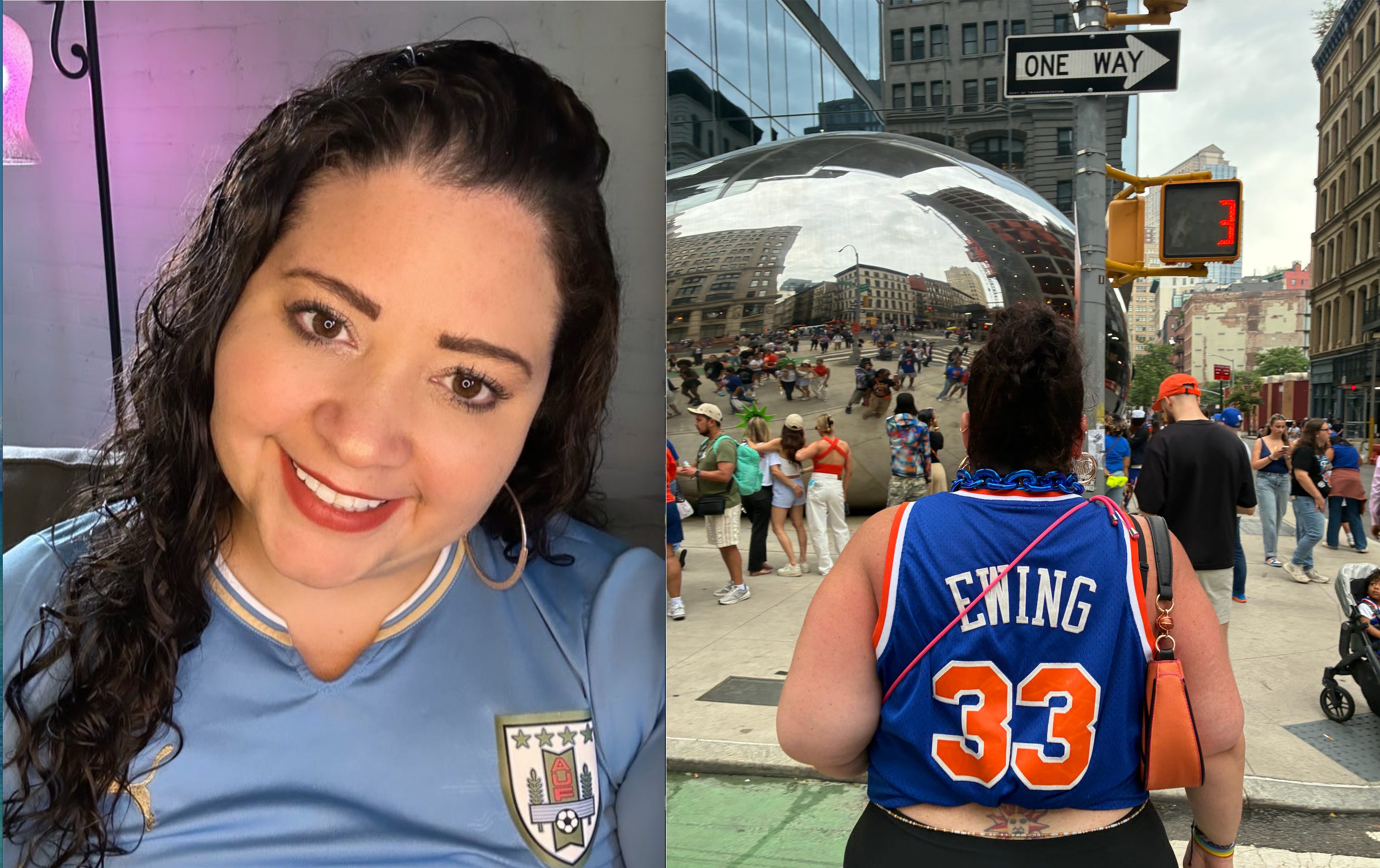
I first met Franca Roibal as a co-panelist at a Democratic Socialists of America forum on the 2026 World Cup at the People’s Forum in Midtown Manhattan in June. As it became clear on the panel and afterward, it became clear that her football loyalties tell a story that is at once deeply personal and profoundly political - an illustration of historian Eric Hobsbawm’s observation that “the imagined community of millions seems more real as a team of eleven named people.” Franca was born in Argentina to Uruguayan parents who were living in exile during Uruguay’s military dictatorship. That history still shapes her sporting identity. During the World Cup and Copa América, she supports Uruguay first and Argentina second. Her childhood clubs were Peñarol and Boca Juniors, attachments that connect family history, national identity, and memory in ways that transcend the game itself. By profession, Franca is an academic at New Jersey City University - now part of Kean University - where she directed the Latin American and Caribbean Studies Center. She earned her PhD at Boston University, researching the political dimensions of carnival in Uruguay.
When you think about sports teams, what is the first team that really felt like your team — not just one you watched, but one you felt connected to personally?
I have to go with Boca Juniors, because of the lore, because of Maradona. When I was a child, my great-aunt in Uruguay used to have a broom in Boca Juniors colors, and that is one of my earliest memories: her talking about the team and Maradona. In my house, Maradona really is D10S.
Who was the first player whose name you memorized — the first one who really captured your imagination? What made them stand out to you?
Diego Maradona. As a kid, I was fascinated by Dalma & Gianina, his daughters. They were around the same age as me, and I remember the moment with the little flowers Dalma was putting in his socks and Maradona left them there for warm-ups.
Did you choose the professional club team and league you support yourself, or did you inherit them from family, community, or circumstance?
As if this were a choice. In the southern cone, we say “desde la cuna” or “from the crib” for our fandom, and that’s exactly how it is. I was born a fan of three teams based on various connections and the sociopolitical contexts of each. Peñarol, Boca Juniors, and FC Barcelona. All inherited from my family.
Does the national team you support tell you something about how you feel about your country and how?
I was born in Argentina, but my family is from Uruguay; I identify with both. When they play each other, which is often, I tend to root more for Uruguay because they’re more underdogs. But when it’s against anyone else, I root for both equally. There’s so much sociopolitical context to this that I would need an article just to write about it. But currently, my support for Argentina most definitely does not stand in for the state of the nation.
Have you ever fallen out of love with a team or a sport? What changed?
Honestly, recently and leading up to the World Cup, I have been kind of distant from fútbol. FIFA is so corrupt; the World Cup should have never been hosted here in the US. Capitalism and imperialism have ruined the sport so much. But in Galeano-esque fashion, there’s always some mysticism that draws me back, and I was glued to this World Cup and have watched every game.
For you, what is the greatest rivalry in sports history, and what makes it so compelling?
I’m gonna mention two. First, FC Barcelona vs Real Madrid. Historically, Barcelona and [its stadium] Camp Nou have stood for freedom from fascism. Camp Nou was used as a refugee space for folks fleeing from Francisco Franco’s fascist regime. When Franco banned Catalán, Barcelona stood steadfast for it. And while it’s hard to say any major fútbol team today stands against fascism, you do still see the remnants of the types of players and fans that are attracted to each team.
Similarly, Boca Juniors vs River Plate has similar lore. Boca Juniors is the team of the people, the team that faces discrimination, especially from River Plate’s “millonarios.” Plus, of course, Maradona played for Barcelona and Boca Jrs. Again, I would need a whole article to write more.
Who is the single greatest player of all time in that sport, in your view?
I have to go with Maradona. Although Messi is a close second.
Can you put together your all-time greatest eleven (men or women or combined) in your chosen sport?
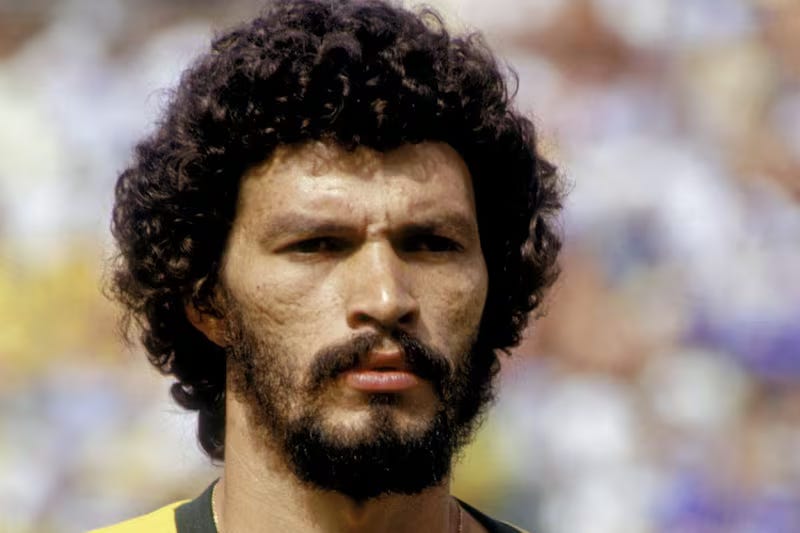
Yes, but I am not going to pay any attention to positions, because I’m gonna field my 11 based on how committed to social justice they are/were or how revolutionary they are/were for different reasons:
Maradona, Lisandro Martínez, Cruyff, Eric Cantona, Héctor Bellerín, Sócrates, Marta, Jean Beausejour, Nico Williams, José Leandro Andrade, and Obdulio Varela.
What song best matches your team’s energy, rhythm, or attitude?
“Descolgando el cielo” by Pitufo Lombardo
What film best captures the feelings or memories you associate with sport and fandom?
It’s not a sports film, but “El secreto de sus ojos” (2009). If you know, you know.
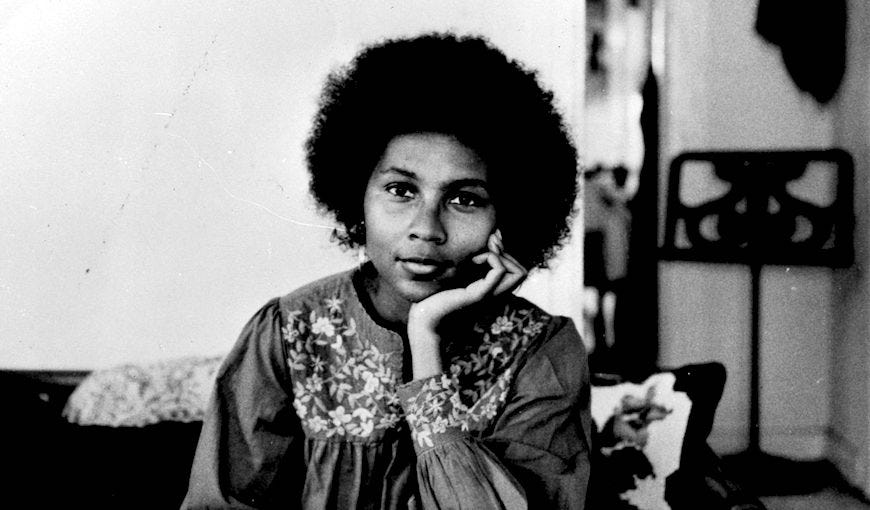
Finally, just for fun: could you put together a metaphorical “starting eleven”—a team of eleven named people drawn from culture, politics, intellectual life, music, film, or elsewhere - arranged like a sports team?
I love this question: bell hooks, Eduardo Galeano, Malcolm X, Residente (Calle 23), Kimberlé Crenshaw, Angela Davis, Javier Bardem, Audré Lorde, Mamdani, Evo Morales, and Che Guevara.
No posts
Comments
Nothing yet. Say the first thing.
Sign in to join the conversation.