11 Questions for Priyansh
The sports scholar Priyansh answers eleven questions on fandom, players, teams, and identity.

Dedicated to exploring the history, culture, and politics that shape—and are shaped by—the teams and players we follow.
Live Last read · last published · next check
The sports scholar Priyansh answers eleven questions on fandom, players, teams, and identity.
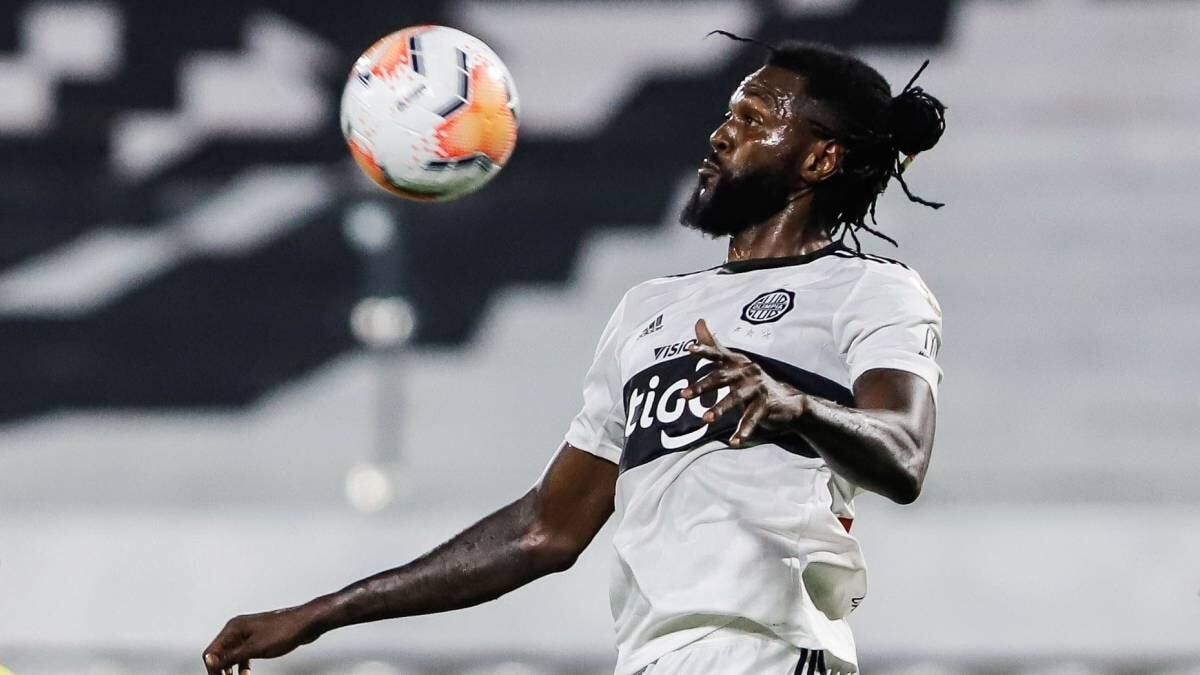
Club Olimpia is more than a football club: one of Paraguay’s most successful, a finishing school for political aspirants, yet surprisingly obscure globally, except for occasional publicity stunts.
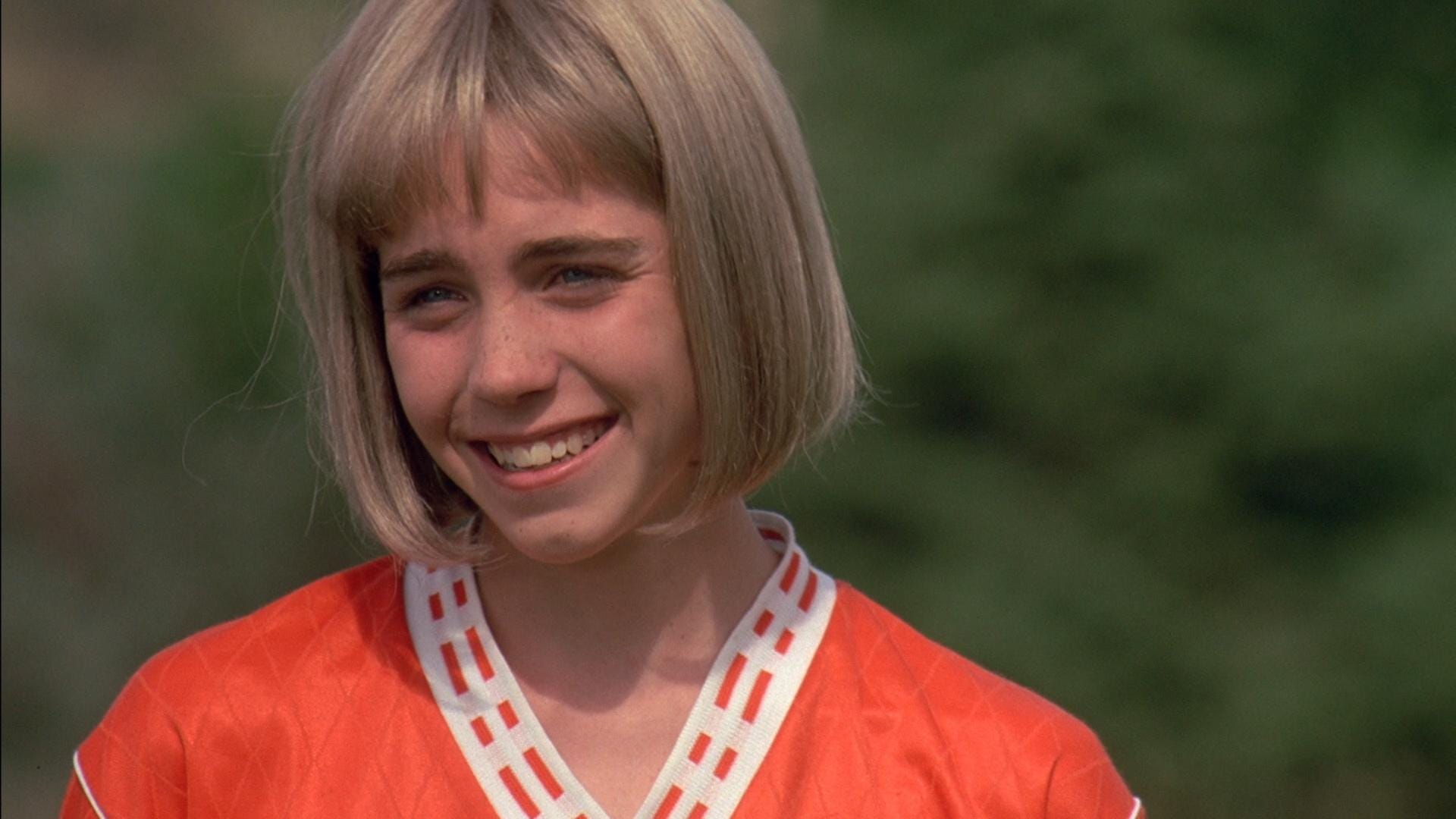
Long before "Juwaana Man," the anti-trans fantasy that serves capitalism and groomers found an early expression in the 1992 film "Ladybugs."
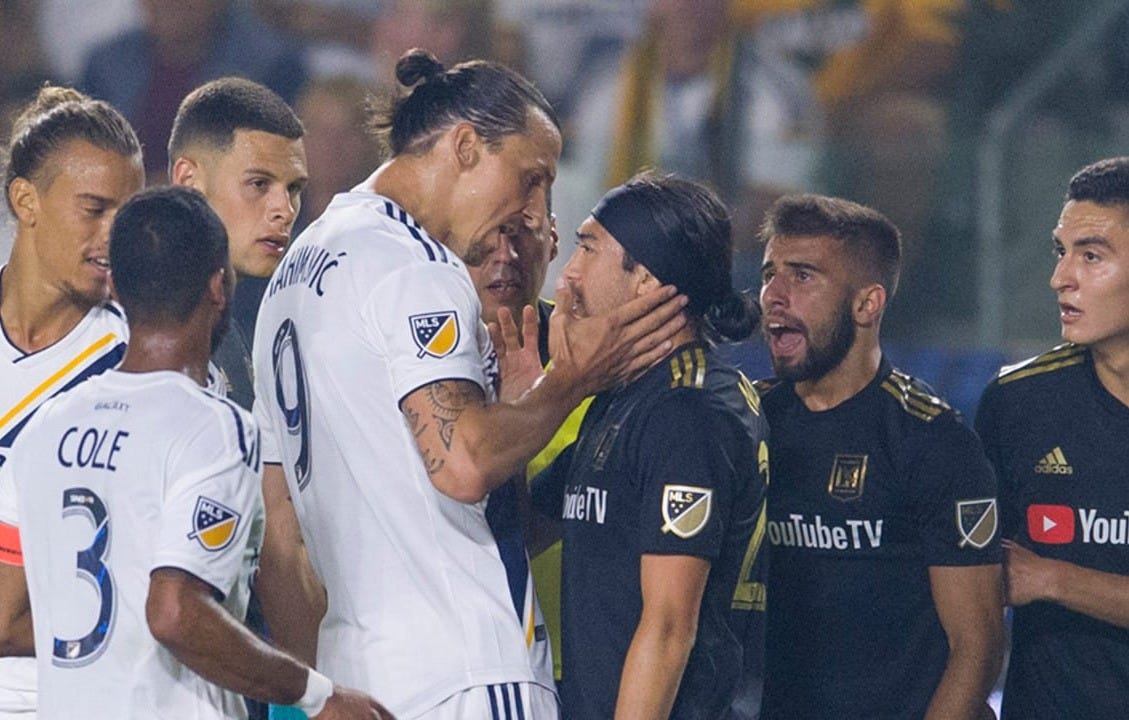
If futbol clubs want to claim Los Angeles as their home, they must defend the communities whose identities and culture make the city’s football possible.
A writer's son reclaims his name in the American South.
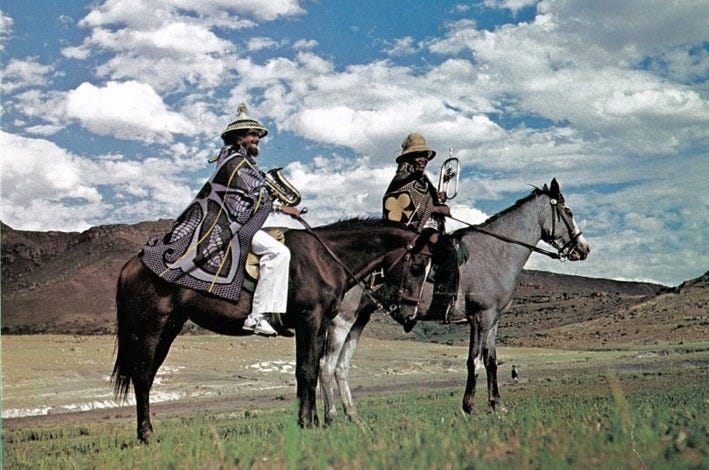
The unexpected links between a Hugh Masekela classic and the Cape Town communities where I grew up, went to school, and watched Sunday League football.
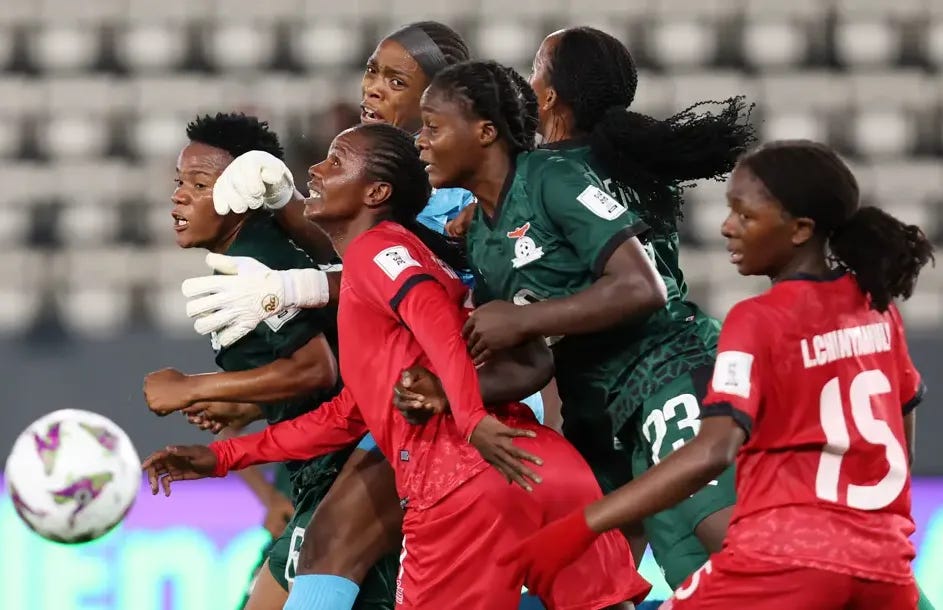
The root of the deference to FIFA President Gianni Infantino is the same force allowing African football administrators to relegate women’s football down their list of priorities.
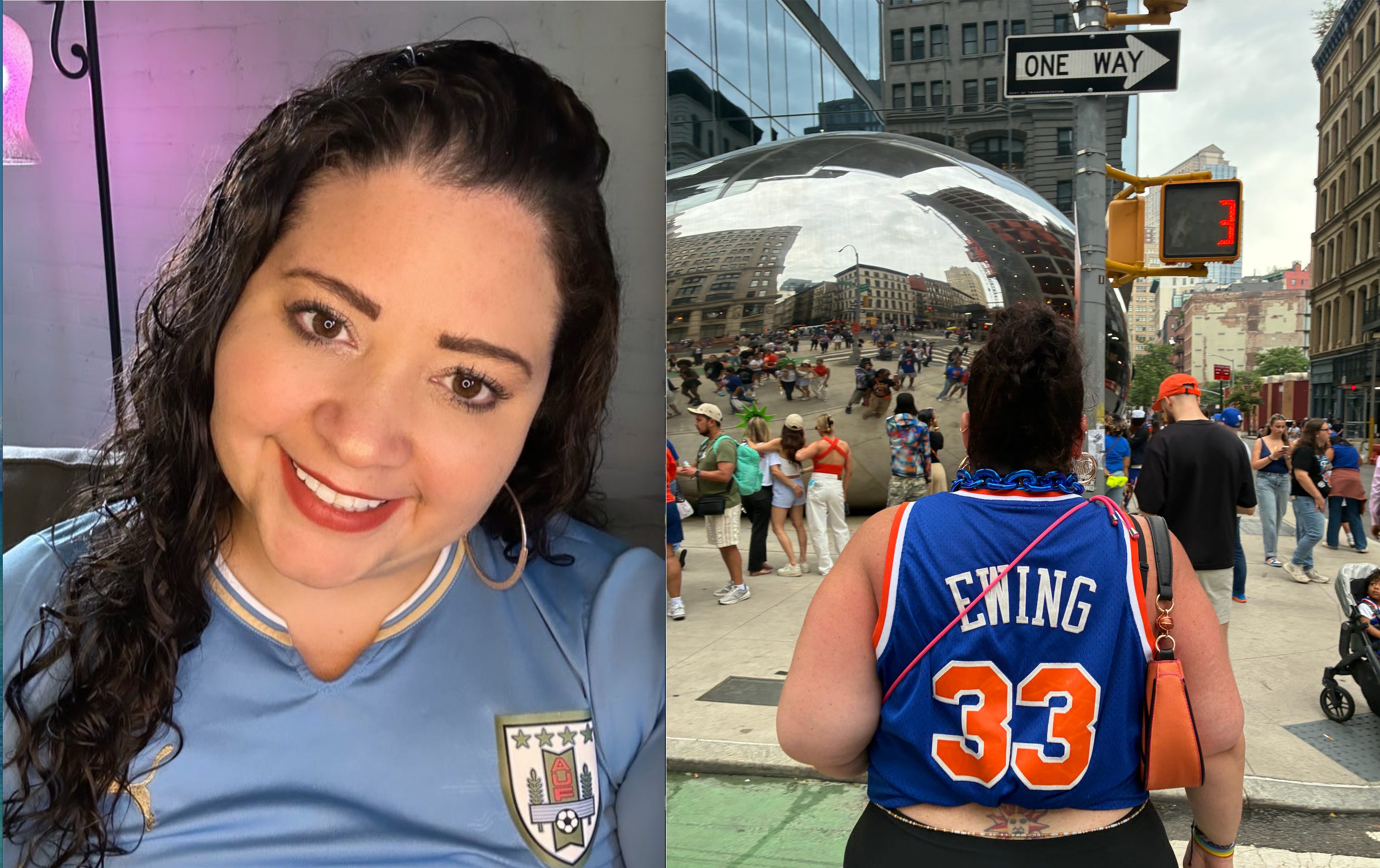
Our latest guest's sports loyalties tell a story that is at once deeply personal and profoundly political
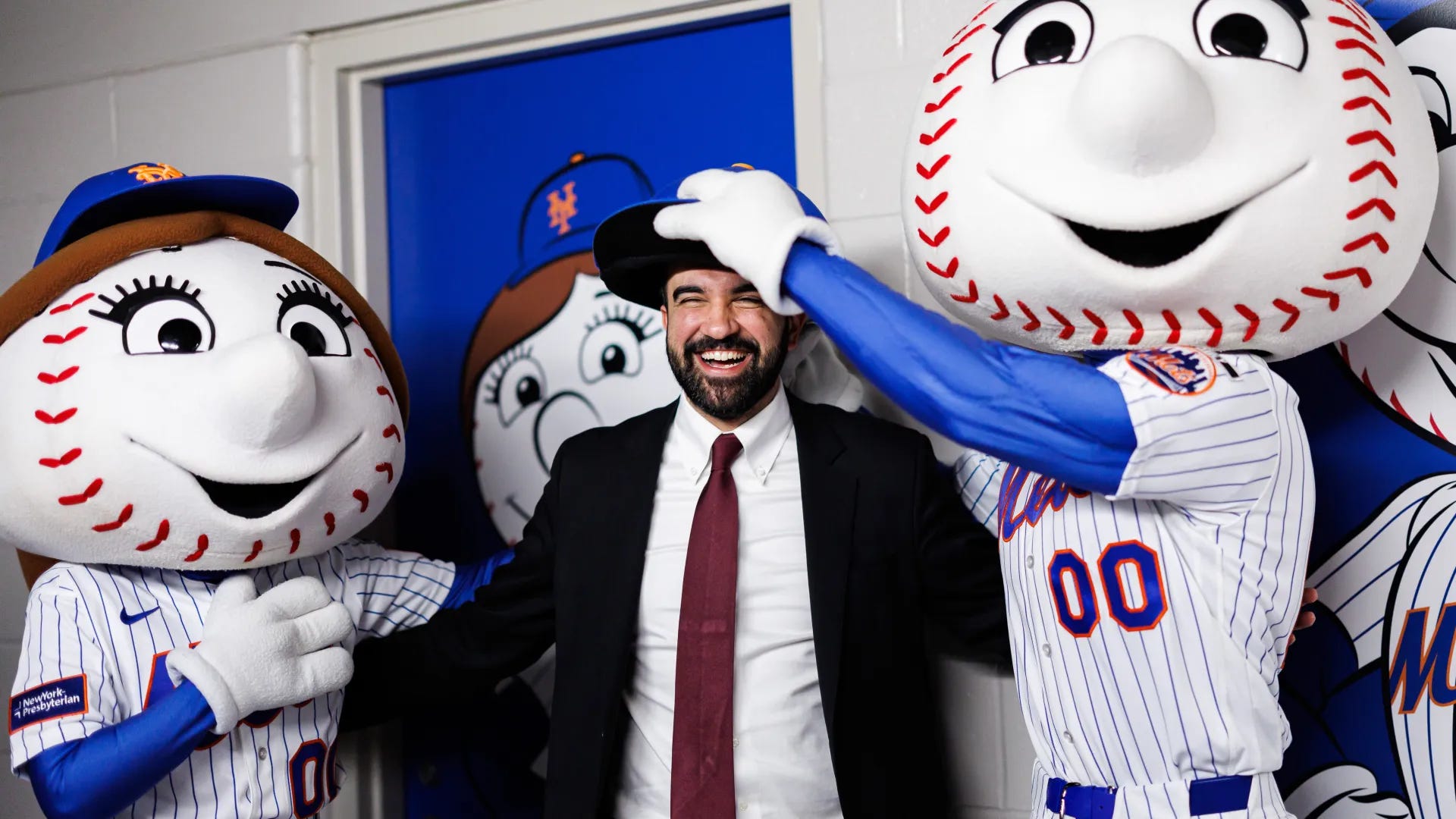
America's most politically and fiscally conservative sport is careening toward a lockout: billionaire owners want market controls; the players' union (the workers) doesn't.
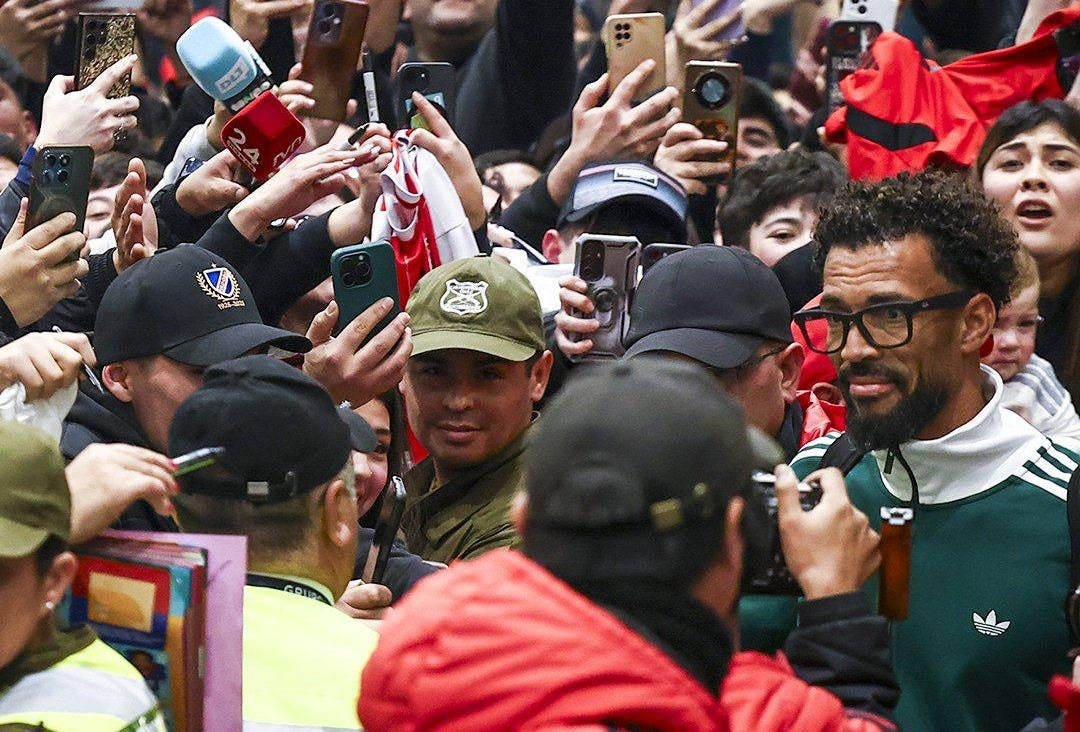
We examine different club cultures around the world. Colo-Colo from Chile is the only club from there to win a South American club championship. It is also Vozinha's new home.
The historian of African football answers eleven questions inspired by Eric Hobsbawm’s injunction that “the imagined community of millions seems more real as a team of eleven named people.”