
You think you have a discipline problem.
You probably don’t.
You have a habit of giving yourself an easy way out.
Every time you make a commitment, you leave a back door open:
“I’ll start tomorrow.”
“I’ll skip just this once.”
“I’ll get back on track next week.”
Then you’re surprised when you take that exit.
The problem isn’t a lack of willpower. It’s that you’ve made quitting an option.
The West talks about hustle.
Japan spent centuries building systems for it.
Not motivational quotes.
Not morning routines.
Not productivity hacks.
Entire philosophies for becoming someone who does hard things consistently.
Here are eight of them.
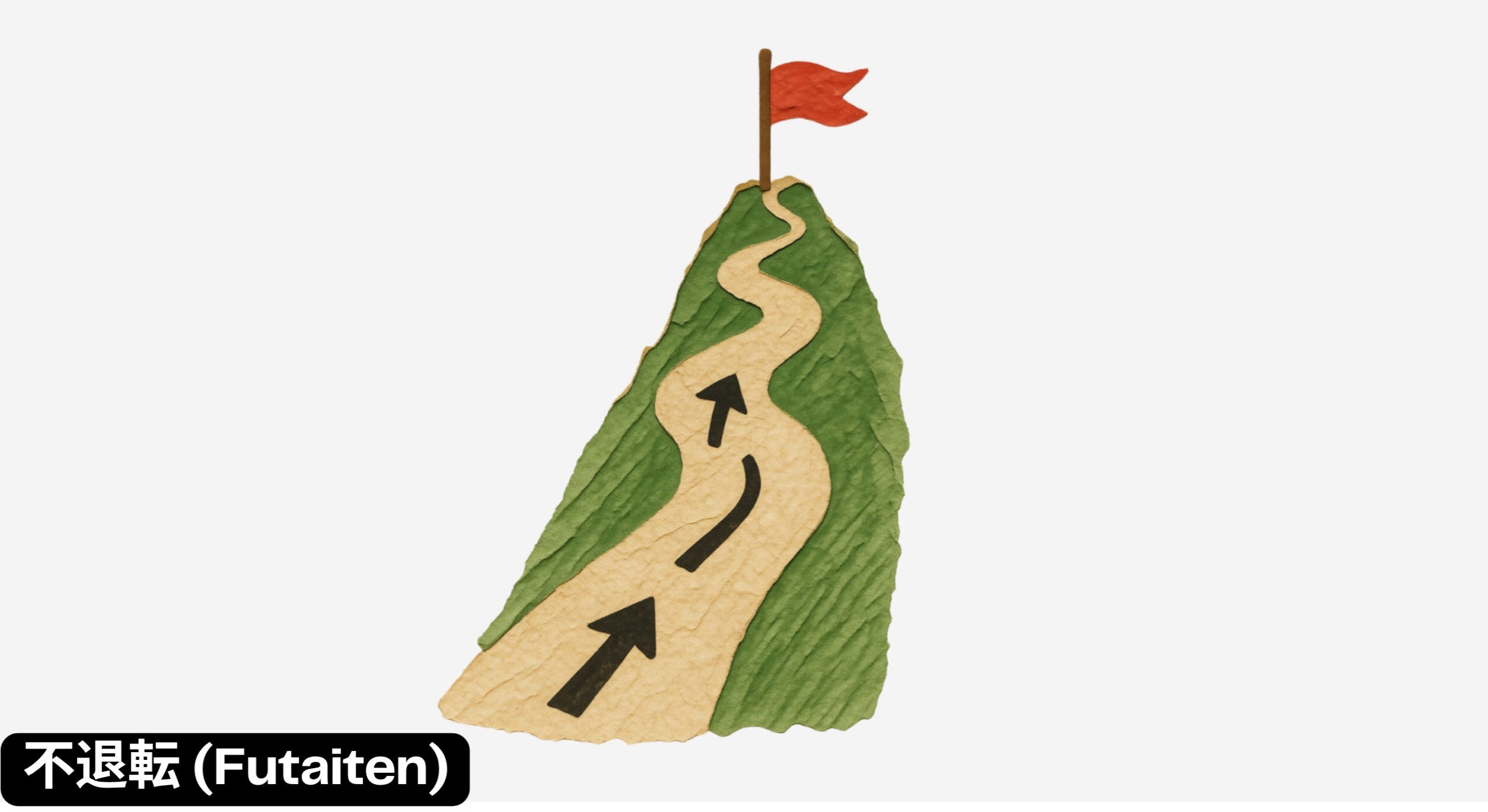
The moment you leave yourself an escape route, you’ll eventually take it.
Most people make decisions once, then renegotiate them every morning depending on how they feel.
That’s not commitment.
That’s intention with an expiry date.
Futaiten means making important decisions once.
Removing the option to quit.
When retreat isn’t available, forward becomes the only direction.
The people who burn the ships don’t do it because they’re braver.
They do it because they understand that keeping escape routes open guarantees you’ll use them.
Remove the option. Move forward.
Most people skip the fundamentals and call it creativity.
It’s not.
It’s avoidance dressed as originality.
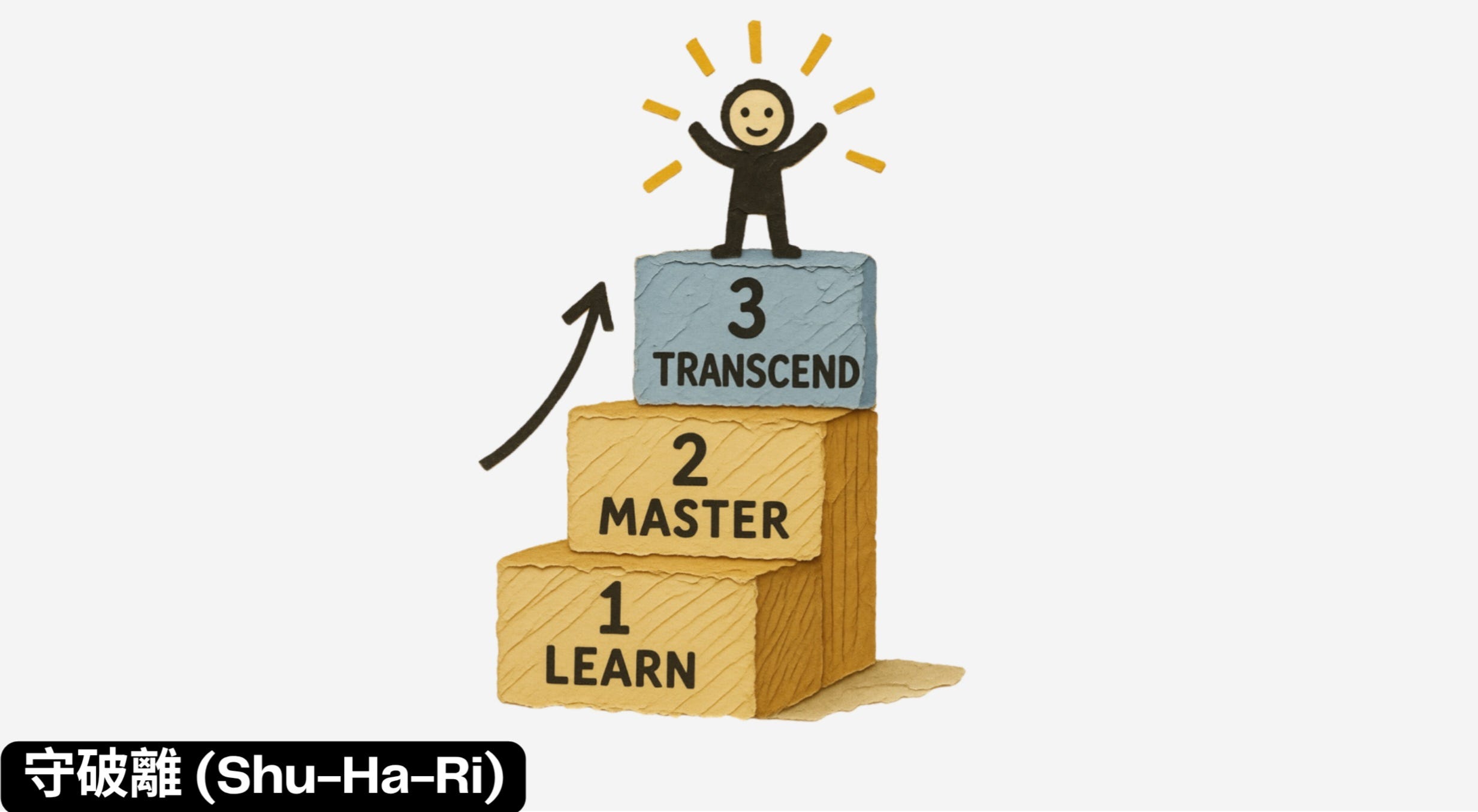
Shu-Ha-Ri is a three-stage progression:
Shu: Learn the system.
Follow it completely.
No shortcuts, no modifications.
Ha: Master the system.
Understand it deeply enough to know why every rule exists.
Ri: Only then - transcend it.
Break the rules because you’ve earned the right to.
The musician who skips scales to “find their own sound” stays mediocre.
The one who masters scales first plays whatever they want.
You can’t skip levels.
The fundamentals aren’t optional prerequisites. They’re the foundation everything else stands on.
Perfectionism looks productive.
It’s procrastination in disguise.
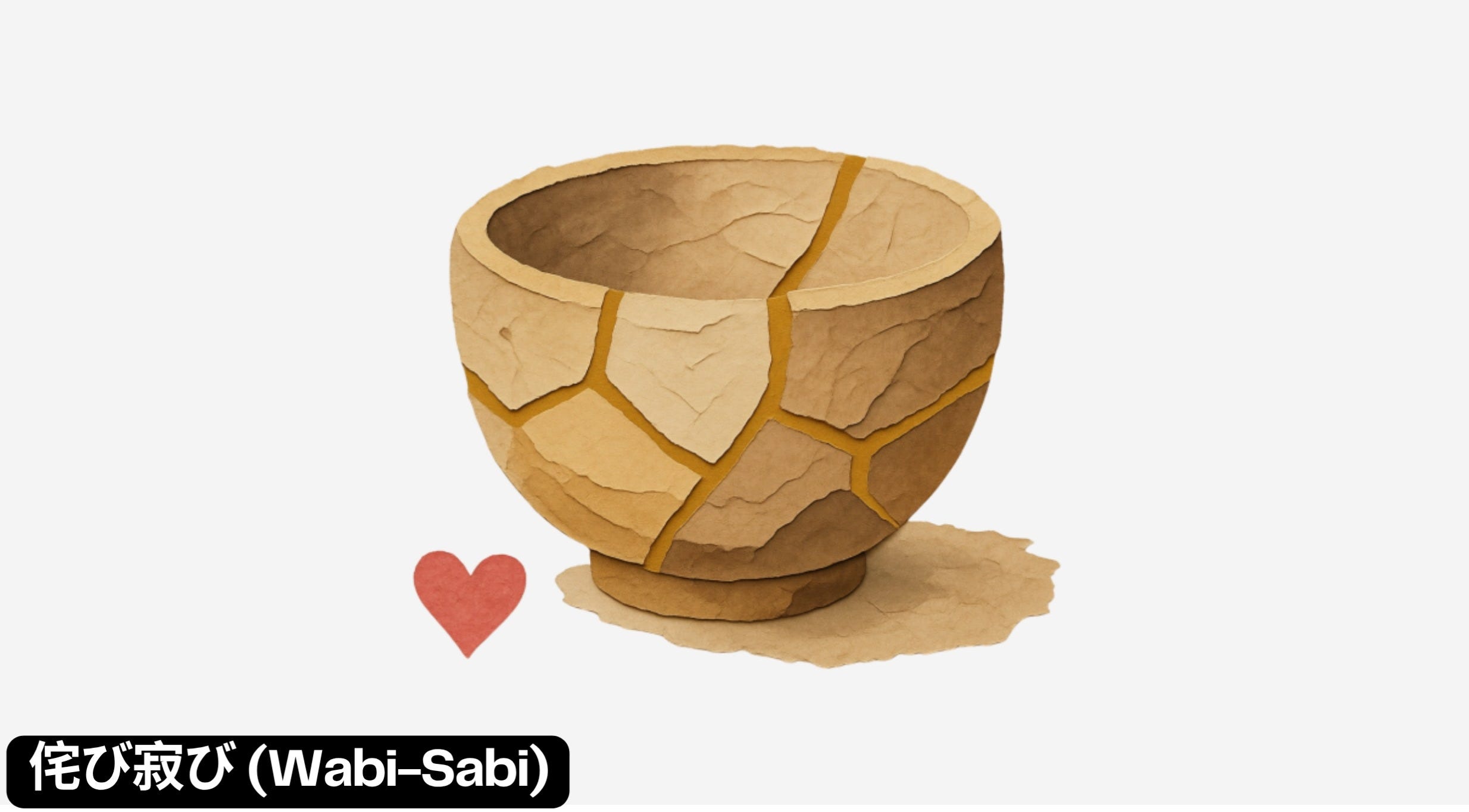
Wabi-Sabi is the Japanese appreciation for imperfection, incompleteness, and impermanence.
The cracked bowl mended with gold.
The asymmetrical garden.
The rough edge that proves something was made by human hands.
The rough version that exists is more valuable than the perfect version that never gets finished.
The business you launch badly beats the one you’re still planning perfectly.
The article you publish imperfectly reaches people.
The one you keep refining reaches nobody.
Done beats perfect. Every time. Without exception.
Real commitment isn’t made when you feel motivated.
It’s made when things become uncomfortable and you continue anyway.
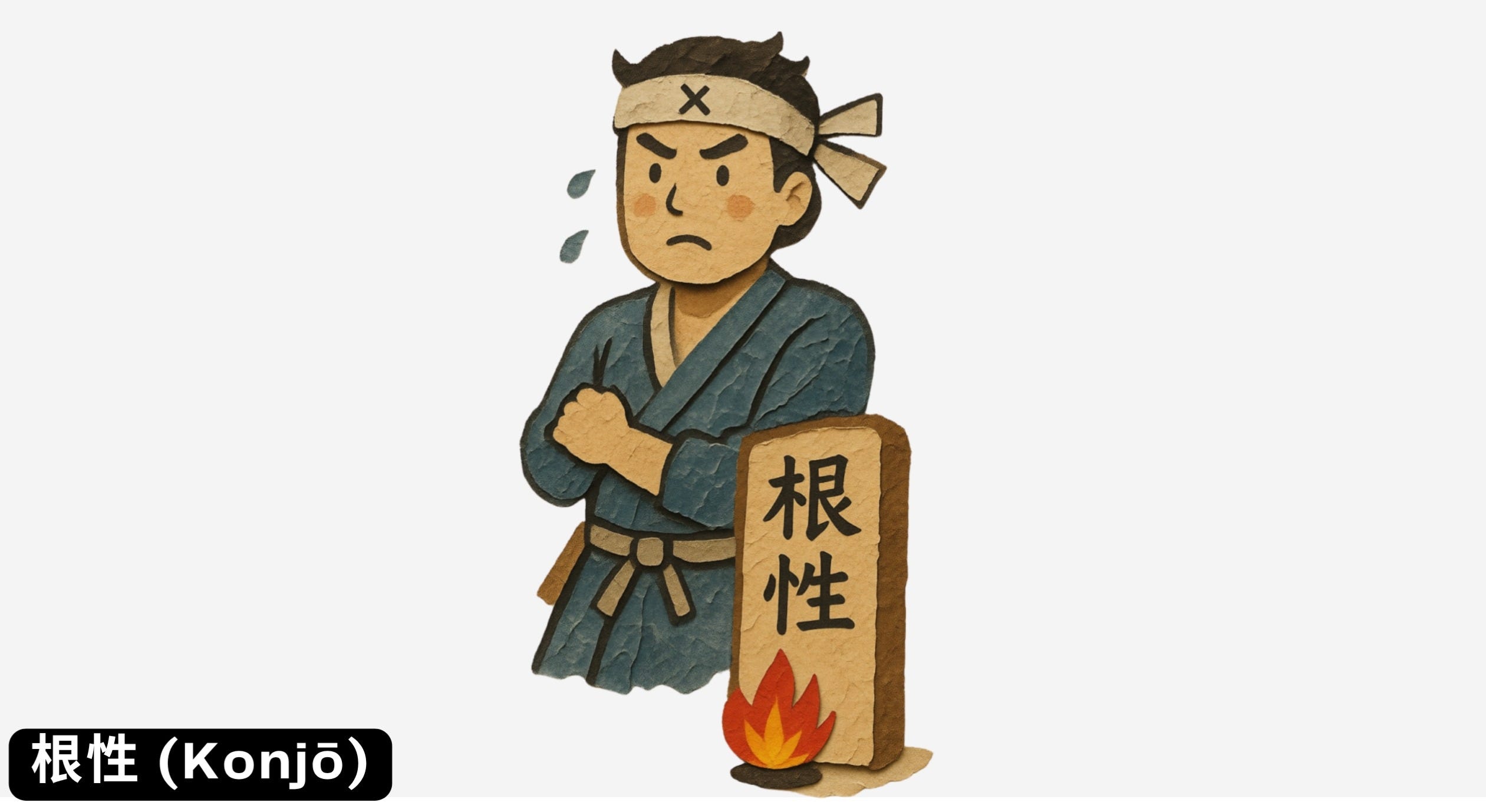
Konjō isn’t about being tough.
It’s about expecting discomfort-understanding that difficulty is built into any meaningful pursuit and deciding in advance that it won’t stop you.
Most people quit when excuses appear.
The timing isn’t right.
They’re not feeling it today.
They’ll start fresh on Monday.
Konjō means the hard moments are exactly when effort matters most.
Not when it’s easy. Not when you’re inspired.
When it’s difficult, uncomfortable, and you’d rather quit.
That’s where character gets built. That’s where most people leave.
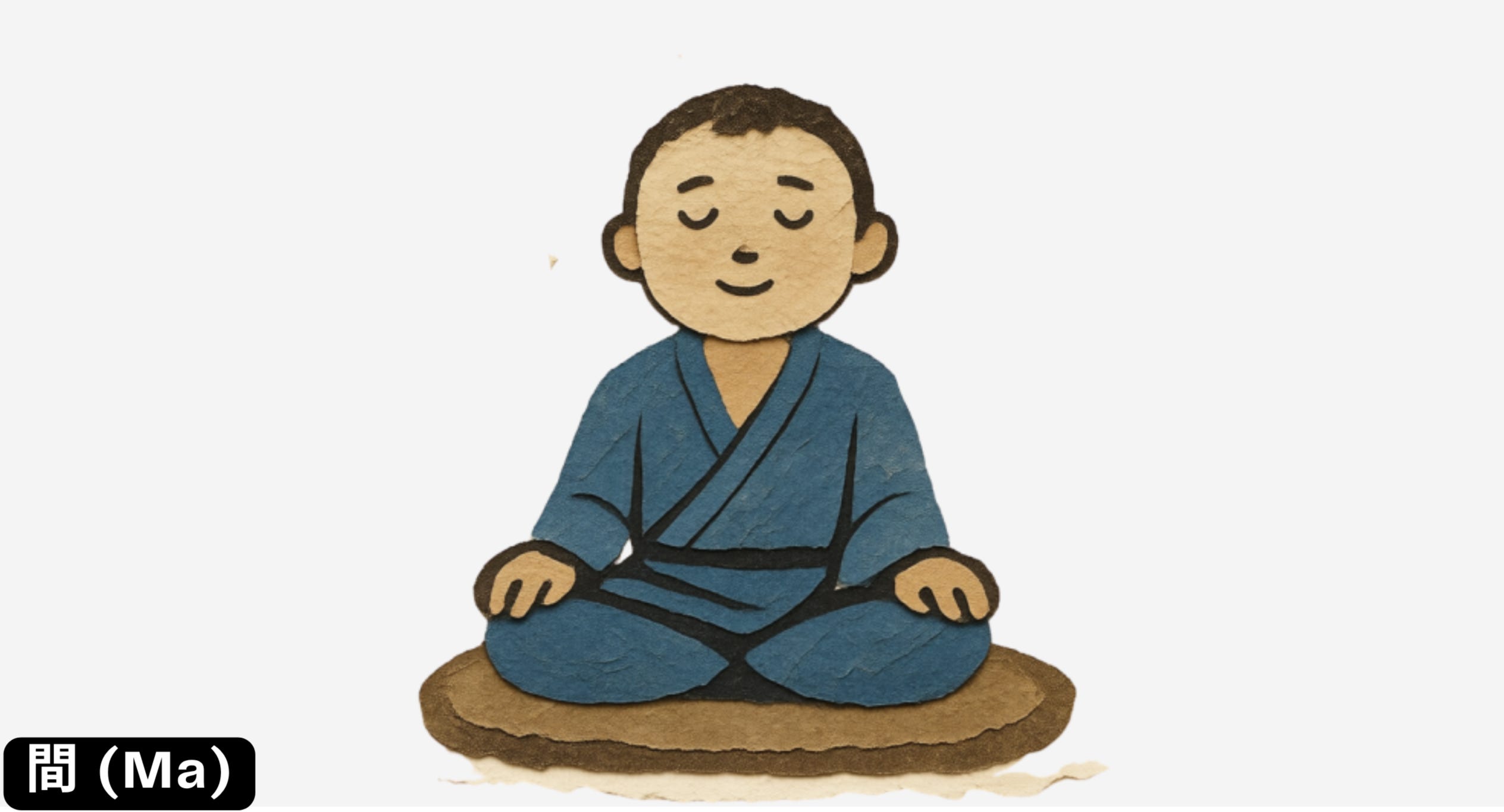
Rest is not laziness.
Unintentional drifting is.
Ma is the space between efforts - the intentional pause that allows your next effort to be stronger.
It’s the silence between musical notes that makes the music work.
The gap between sprints that makes the next one possible.
Recovery isn’t separate from progress. Recovery is part of the system.
The mistake most people make:
They either grind without rest until they burn out, or they rest without intention and call it recovery while actually just avoiding work.
Ma is neither.
It’s deliberate recovery with the understanding that the pause serves the performance.
Rest deliberately. Return stronger.
Big goals create paralysis.
Small improvements create momentum.
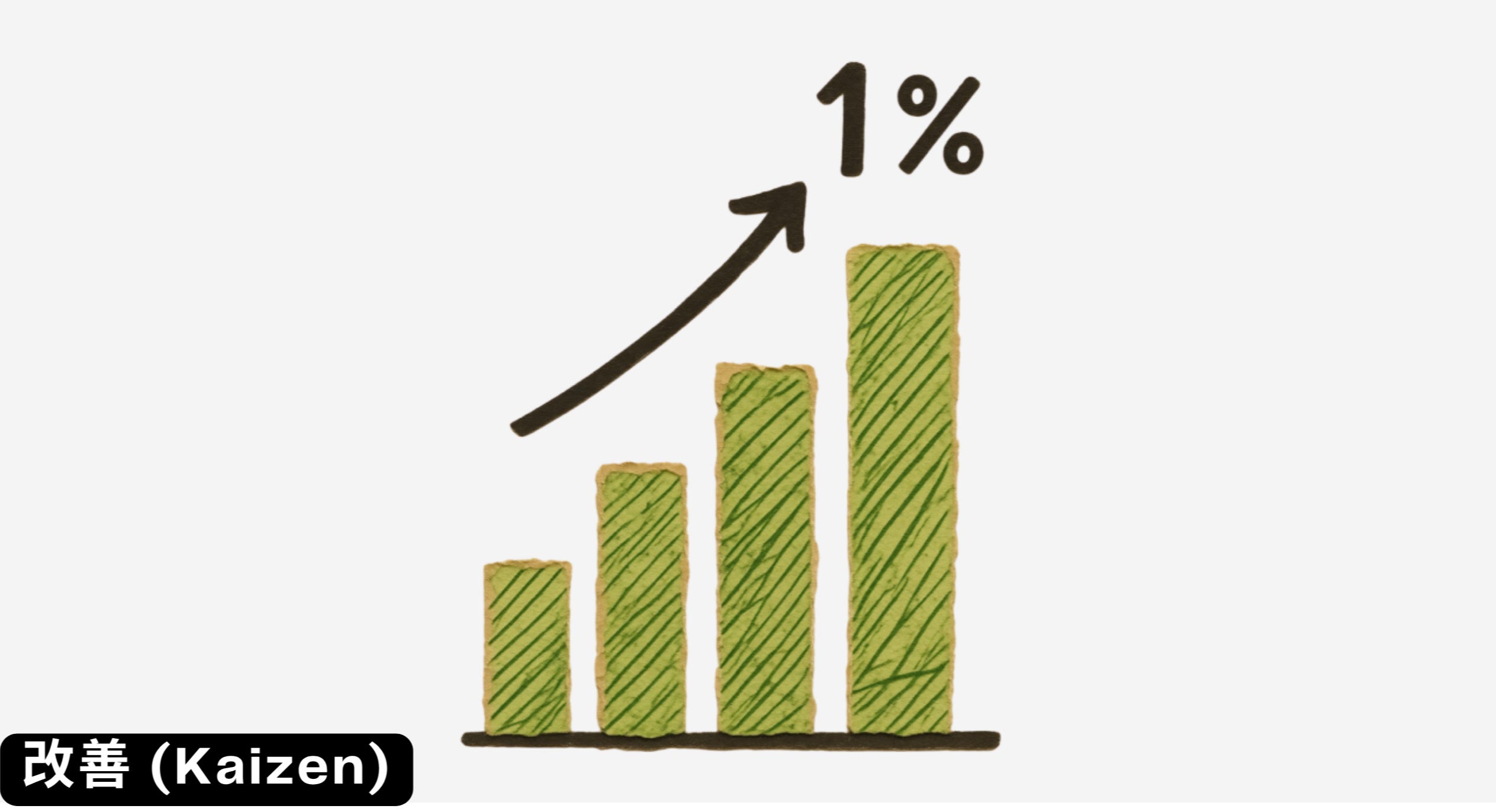
Kaizen is the philosophy of continuous, incremental improvement.
Not massive transformation.
Not complete reinvention.
Just: slightly better today than yesterday.
1% better compounds.
1% better every day for a year means you’re 37 times better by December.
Not because any single day was dramatic, but because the accumulation is.
The person waiting for the perfect moment to overhaul their life never starts.
The person who shrinks the action until resistance disappears, then repeats it tomorrow they become unrecognizable in a year.
Shrink the action. Repeat. Compound.
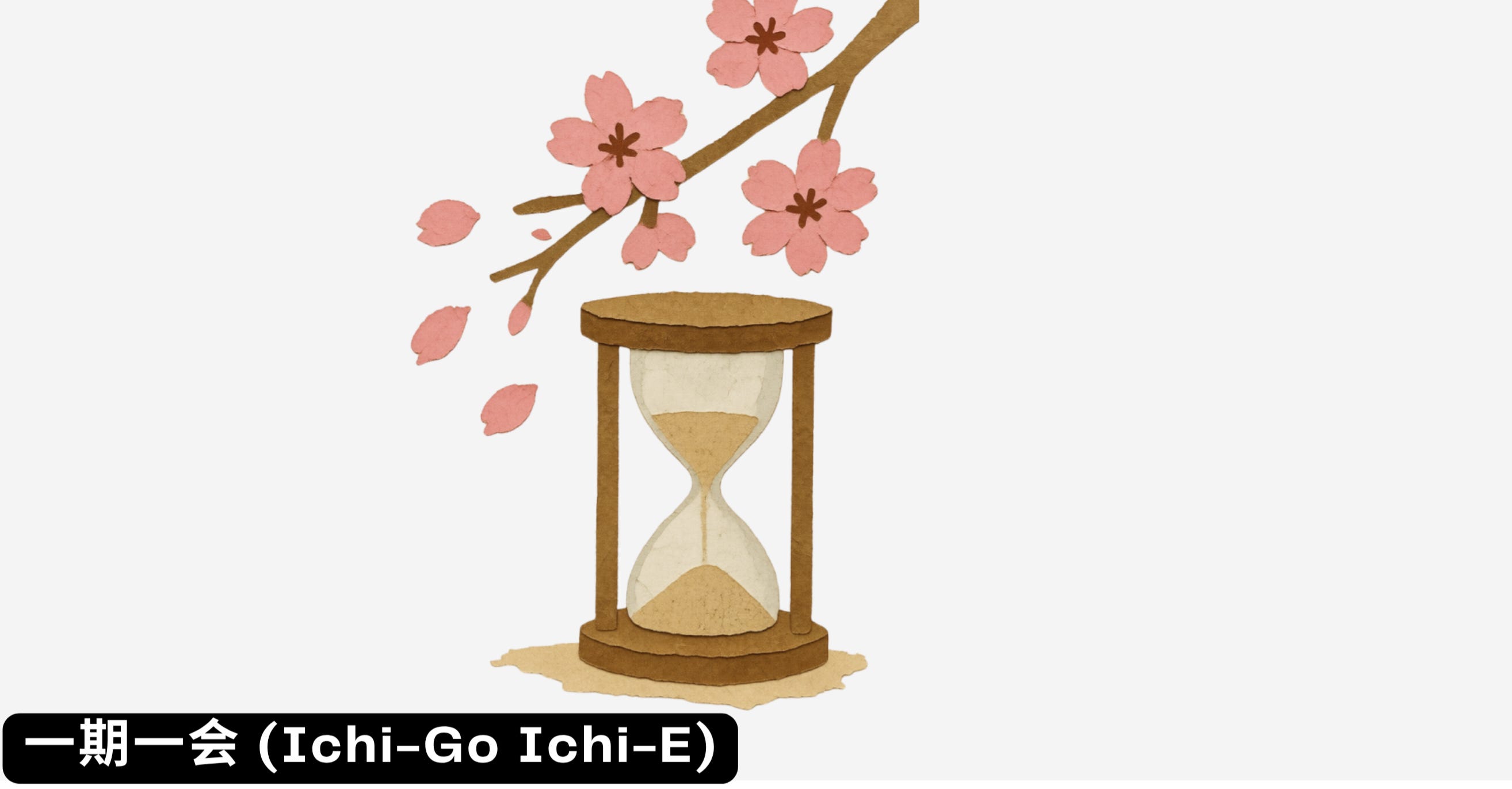
Today will never happen again.
This exact version of your life- your current opportunities, energy levels, relationships, circumstances, exists only once.
Ichi-Go Ichi-E is often translated as “one time, one meeting.”
The tea ceremony concept that this particular gathering, with these particular people, in this particular moment, will never be repeated.
Most people live as if there’s an infinite supply of tomorrows.
They wait for better timing.
More confidence.
More preparation.
More certainty.
The perfect moment doesn’t arrive. This moment does.
And then it’s gone.
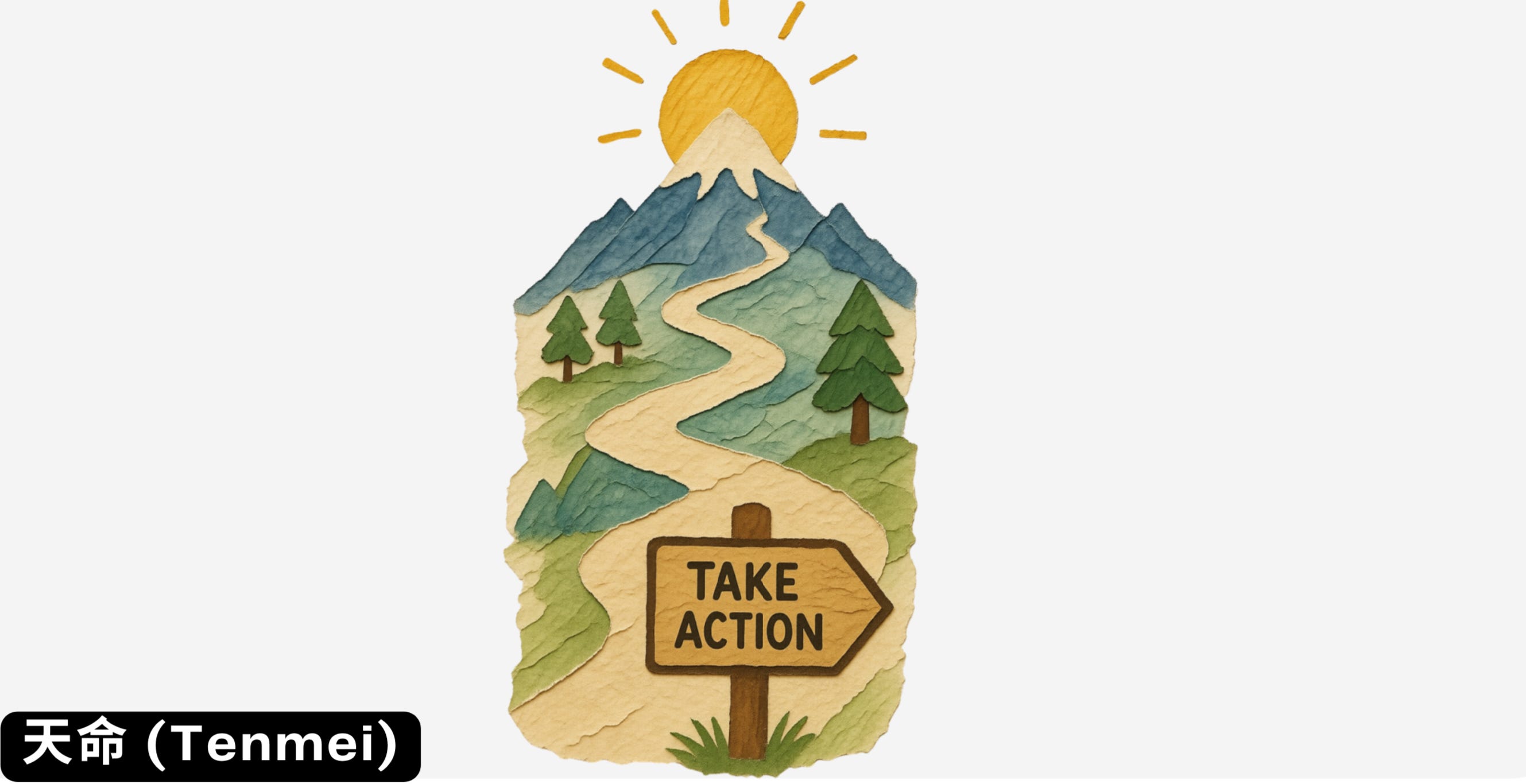
Most people wait for clarity before taking action.
Clarity rarely comes first.
Tenmei is the concept of life purpose - but not the Western version where you discover your passion and then pursue it.
In this philosophy, purpose is often revealed through action, not before it.
Move first. Learn along the way.
The person who waits for purpose before starting will wait indefinitely.
The person who starts before certainty discovers what they care about through the doing.
Action creates clarity. Not the other way around.
Purpose isn’t planned. It’s discovered - through
Attempting things,
Failing at some,
Succeeding at others, and
Paying attention to what lights you up in the process.
Commitment means removing escape routes, not just setting intentions
Mastery requires learning fundamentals before breaking them - there are no shortcuts
Perfectionism is procrastination - the imperfect version that exists beats the perfect version that doesn’t
Discomfort isn’t a signal to stop; it’s where meaningful effort begins
Rest is part of the system, not a break from it
1% daily improvement compounds into transformation
This moment is unrepeatable - waiting for perfect timing is choosing not to start
Clarity follows action, not the other way around
These aren’t exotic concepts from a distant culture.
They’re descriptions of what high performers already do - articulated clearly enough that you can recognize when you’re doing the opposite.
You quit because you left the escape route open. (Futaiten)
You plateau because you skipped fundamentals. (Shu-Ha-Ri)
You don’t start because it needs to be perfect. (Wabi-Sabi)
You stop when it gets uncomfortable. (Konjō)
You burn out because you don’t rest intentionally. (Ma)
You stay stuck waiting for massive breakthroughs. (Kaizen)
You delay because you think there’s more time. (Ichi-Go Ichi-E)
You wait for clarity that only comes through action. (Tenmei)
The West talks about working harder.
Japan built philosophies for working differently.
The goal was never to grind more. It was to become the kind of person for whom doing hard things is simply how you operate.
That’s how average becomes exceptional.
#1 Premium Newsletters FREE Access - Free access of the Premium Newsletters reading by top 1%, exclusive for Elevated Path readers.
#2 The Art Of Habits FREE GUIDE - A blueprint on how to Build Habits that Stick & Break Bad Ones.
Untill next letter
~ Elevated Path
No posts
Comments
Nothing yet. Say the first thing.
Sign in to join the conversation.