
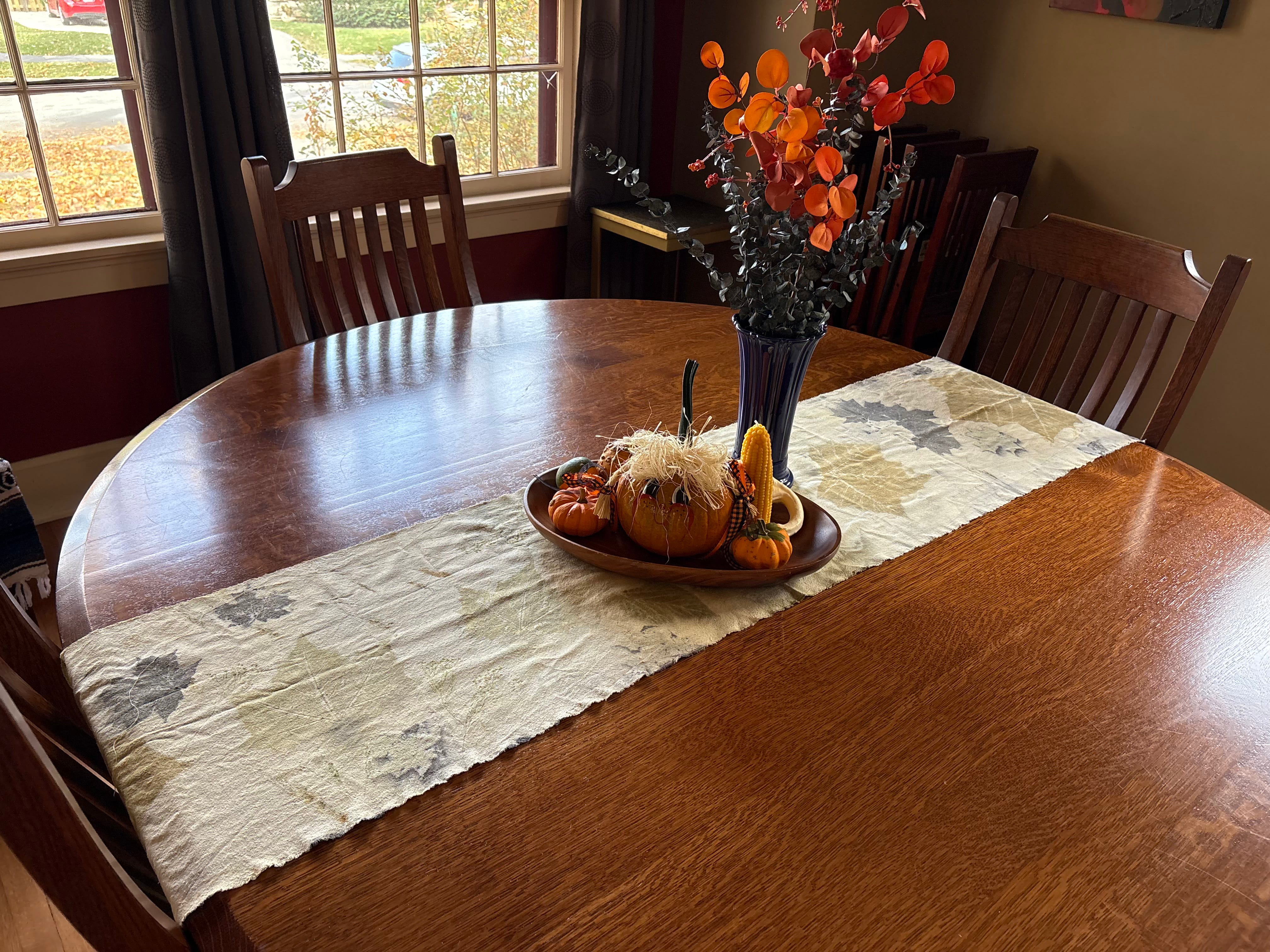
I love the idea of Thanksgiving. I’m thankful for so many things, especially having made it to this older time of my life. I’d love to list all the things I give thanks for, but the world is so fraught with troubles it seems insensitive to even mention my blessings.
A couple of weeks ago I finally procured a Louise Erdrich book from the library, which I’m reading on my iPad via the Libby app. I’ve heard of Erdrich for a long time, but I don’t read much fiction these days, and I forgot about her. The first week in October I attended the Power of Words Conference at Unity Village in Lee’s Summit, Missouri, and one of the presenters, Chris La Tray,* a citizen of the Little Shell Tribe of Chippewa Indians. is an author and speaker and he mentioned her books, of which I made note.
How have I lived my entire life without reading Louise Erdrich works? I can’t stop! The first book I borrowed, “The Round House,” kept me spellbound until my eyes hurt. As soon as I finished that one, I checked out “The Mighty Red.” Two days later, immediately upon its return, I borrowed “The Night Watchman,” which won a Pulitzer Prize in 2020. My reading was only interrupted when my grandson Andrew and his girlfriend Rachel arrived for Thanksgiving weekend.
Writing from her own heritage as a citizen of the Turtle Mountain Band of Chippewa Indians of North Dakota, the stories Erdrich tells are full of information about indigenous culture and how the people in the story landed where they are now. Its so rich with details that I’d call her work historical fiction. We learn what was done to their ancestors, and how it affects the situations the characters live in today.
Perhaps not coincidentally at all, my husband and I also watched Ken Burns’ “The American Revolution” series, released earlier this month. We continually marveled at all of the things we didn’t know, like that tribal indigenous people fought with both the Loyalists and the Patriots, as did many African Americans who were bribed and used as pawns to add troops. We had no idea the war carried on long after 1776, not ending until 1783. The brutal fighting resulted in horrific carnage, and violence increased with every battle. Even after it was supposedly over, people still sought out and killed their enemies. The fact that George Washington survived all that he did makes him seem like some kind of mythical action hero.5
For me, the complicated aspect of Thanksgiving is that while we base the holiday on the idea that the Pilgrims and Native Americans shared a sit down meal, the overarching theft of encroaching settlers who felt entitled to steal their land and commit horrendous acts to eradicate them looms like storm clouds. In my innocence, I loved the gathering of family to enjoy a traditional meal and celebrate thanks. But in my older, wiser years I can’t forget what I now know. History is real, the facts continue to expose the truth.
This is where it’s complicated. I love my freedom, and I’m thankful for my blessings. I’ve been through tough times like everyone, and I’m thankful for my loved ones and support system. But because of our access to media of all kinds, I’m hyper aware of other parts of the world suffering famine, war, poverty, terrorism, disease, and weather catastrophes. Some of that is happening right here in America.
So I’ll end with this: I’m thankful for love. I believe in love. Be as good as you can in your own little piece of the world, and love with all your heart.
Comments
Nothing yet. Say the first thing.
Sign in to join the conversation.