
If someone handed you a counterfeit $100 bill and asked you to spot the fake, where would you begin? You wouldn’t start by studying counterfeits. You’d begin by learning what a real one looks like. Only then would the flaws become obvious.
The same is true about Antizionism and Zionism.
Antizionism spread because people were told what Zionism meant, and believed it. Once the false definition took hold, everything built on it became easier to sell. That’s what happens when you lose control of the meaning of a word. (Which has become an epidemic.) You can’t see the lie clearly until you understand the truth. Explaining Zionism isn’t a distraction from fighting Antizionism. It’s one of the best ways to do it.
After all, the better people understand the truth, the harder the lie becomes to sell.
A few weeks ago, Dr. Einat Wilf and I released ZIONisM, a five-minute film that invites people to reconsider one of the most misunderstood words in the world. We made it because too many people have been taught to fear Zionism without ever being given a fair chance to understand it. You can watch the film here:
(Don’t forget to share it with everyone you know!)
The response has been incredibly encouraging. Among the hundreds of thoughtful messages we’ve gotten, a handful have raised an important question: If Antizionism is spreading so rapidly across universities, politics, social media and public life, why spend time explaining Zionism at all? Shouldn’t we be putting all our energy into fighting Antizionism?
It’s a fair question.
The answer isn’t Zionism or Antizionism. It’s both.
Not because they’re two separate conversations that deserve equal time, but because they’re connected. One without the other leaves the work unfinished.
For decades, Zionism has been defined more successfully by its opponents than by the Jewish people themselves. That wasn’t accidental. It was a strategy.
The goal wasn’t only to argue against Zionism. It was to change what the word meant. That was the bigger long-term play.
Once a word has been emptied of its real meaning and filled with something ugly, people no longer think they’re opposing the original idea. They think they’re opposing the version they were given. And that’s exactly what happened. It’s propaganda 101.
Millions of people have accepted a definition of Zionism without ever asking where it came from. They haven’t learned what Zionism is. They don’t care. They’ve learned what others say it is. We’ve let the people who hate the word write the dictionary entry.
That’s true outside the Jewish community, where many people genuinely don’t know what Zionism means beyond the accusations attached to it.
But it’s also true within the Jewish community. Too many Jews don’t understand Zionism well enough for themselves, never mind well enough to explain it to a non-Jewish friend, colleague or neighbor who may be willing to listen but has only ever heard the word used as an insult.
Look, the Jewish people are the natural base for this work. But we can’t expect Jews to speak clearly and confidently about Zionism if they haven’t been given the knowledge or language to do so. And we can’t expect people outside the Jewish community to reject a false definition if no one has offered them a truthful one.
This is a communications problem before it’s a political one. It’s also why exposing Antizionism, necessary as that work is, can never be enough on its own. We’re asking people to reject the answer while leaving the false idea behind it untouched.
The persuadable middle isn’t always rejecting our argument because they don’t care. Many are simply beginning with the wrong definition.
Only by knowing what Zionism is can we fully understand what Antizionism has become. Antizionism presents itself as opposition to a political idea. But in practice, it has become something much bigger.
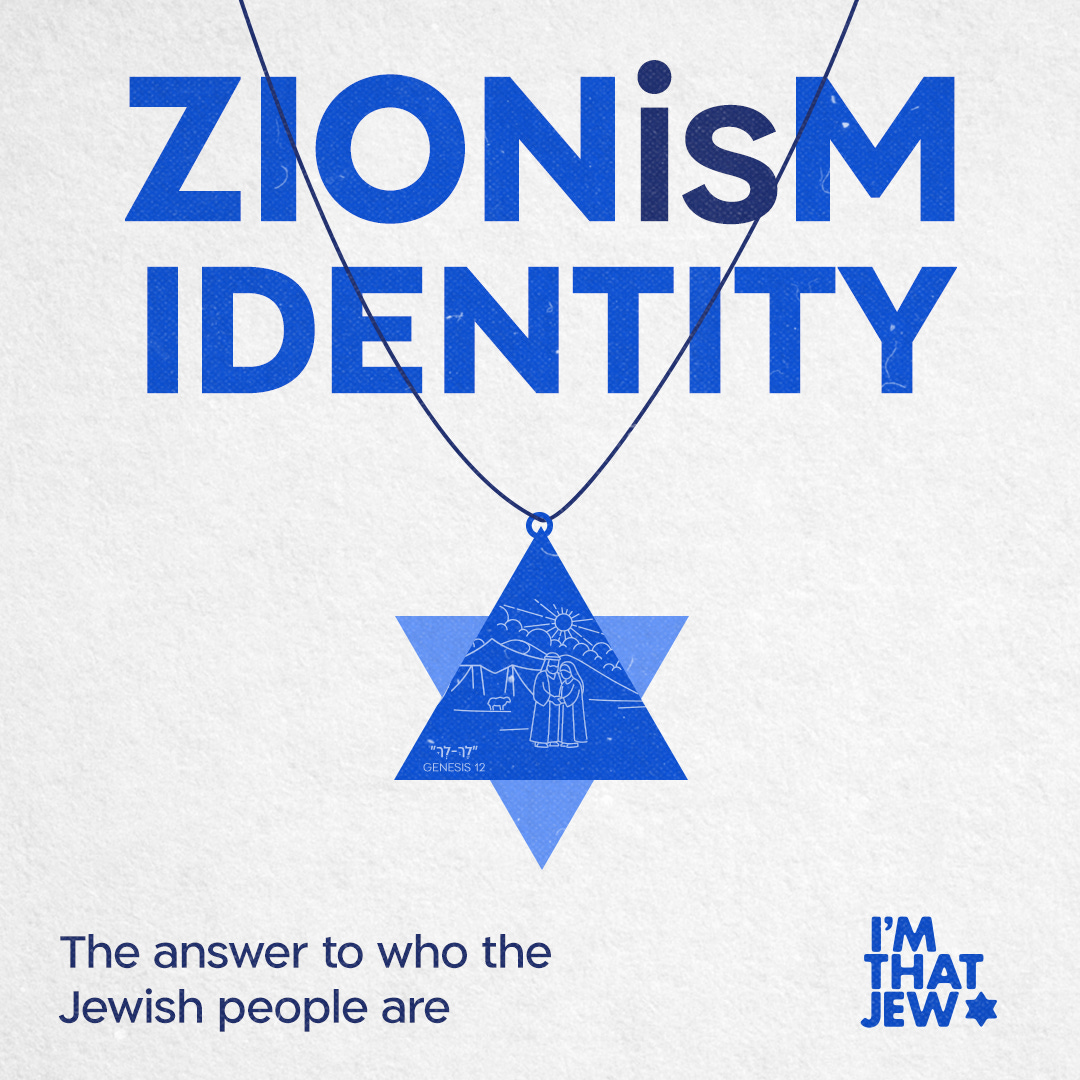
It attacks Jewish identity, Jewish history, Jewish peoplehood and the right of Jews to define their own relationship with their ancestral homeland. That’s why ZIONisM was never meant to be the whole conversation. It was meant to begin one.
Einat and I didn’t make the film to answer every question or settle every argument. We made it to put the real meaning of Zionism back on the table before asking people to confront the lies built around it. And to encourage more people to learn about it, speak up about it, and own your identity with Zionism. Openly. Even here where I try to encourage people to wear their identity openly.
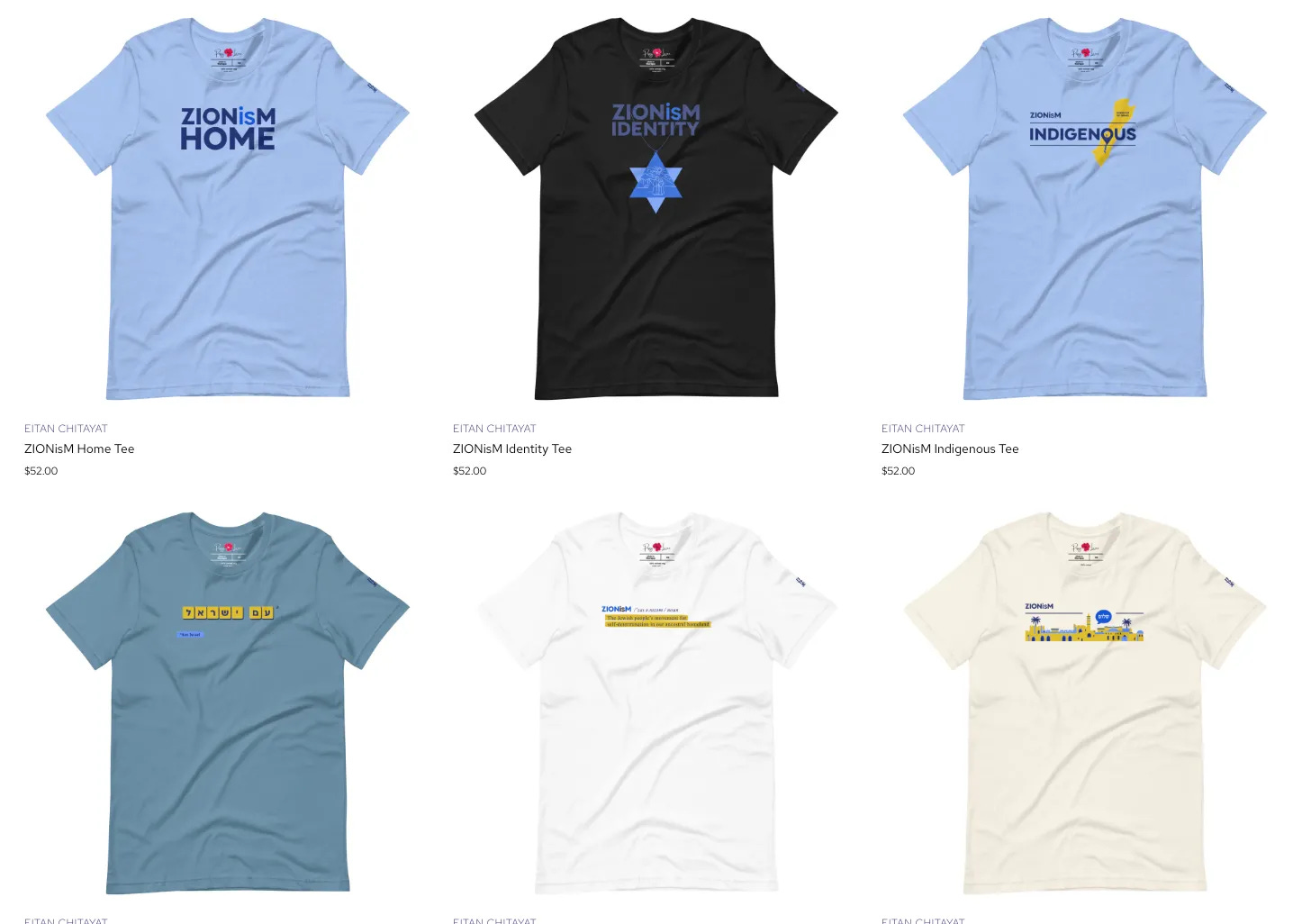
At the same time, a lot of people fighting the Antizionism narrative war are doing tremendous work and need to be supported, too. Alongside I’m that Jew, the work of the Movement Against Antizionism has never been more important. The same with Stop Antizionism. And many more.
They’re showing what Antizionism has become, how it works, why it spreads so easily, and why calling it simple criticism of Israel misses what is really happening.
These efforts aren’t competing. They strengthen each other. In fact, when Einat Wilf taught Zionism and Antizionism at Georgetown (which became the basis for the book Teaching Zionism which you can get here) she realized just how effective it is to teach both. One shows people what Zionism really is. The other shows them what has been built by twisting its meaning.
This isn’t an argument for explaining Zionism first and waiting until later to talk about Antizionism. We don’t have that luxury. Neither front can wait. The work has to happen at the same time, but the thinking still begins with Zionism.
Exposing Antizionism is urgent. Explaining Zionism is the foundation.
You can’t fully understand how a word has been twisted until you know what it meant in the first place. We need to explain Zionism patiently, clearly and repeatedly - which honestly hasn’t been done yet in a way that people can easily digest - so Jews understand it for themselves and can speak about it confidently to others. We also need to expose Antizionism for what it has become, support the people and organizations doing that work, and make clear why it matters not only to Jews, but to anyone who believes that no people should have their identity rewritten by those who want it erased.
To me, ZIONisM and the Movement Against Antizionism aren’t running different campaigns. They’re working towards the same goal from different directions. One explains the truth. The other exposes the lie. Neither replaces the other.
You don’t shout a counterfeit out of existence. You make the real thing impossible to ignore. That’s the work now. Reclaim Zionism. Expose Antizionism. One restores the truth. The other takes apart the lie.
Fight both fronts.
-
#IMTHATJEW
Visit imthatjew.com and join the community
No posts
Comments
Nothing yet. Say the first thing.
Sign in to join the conversation.