
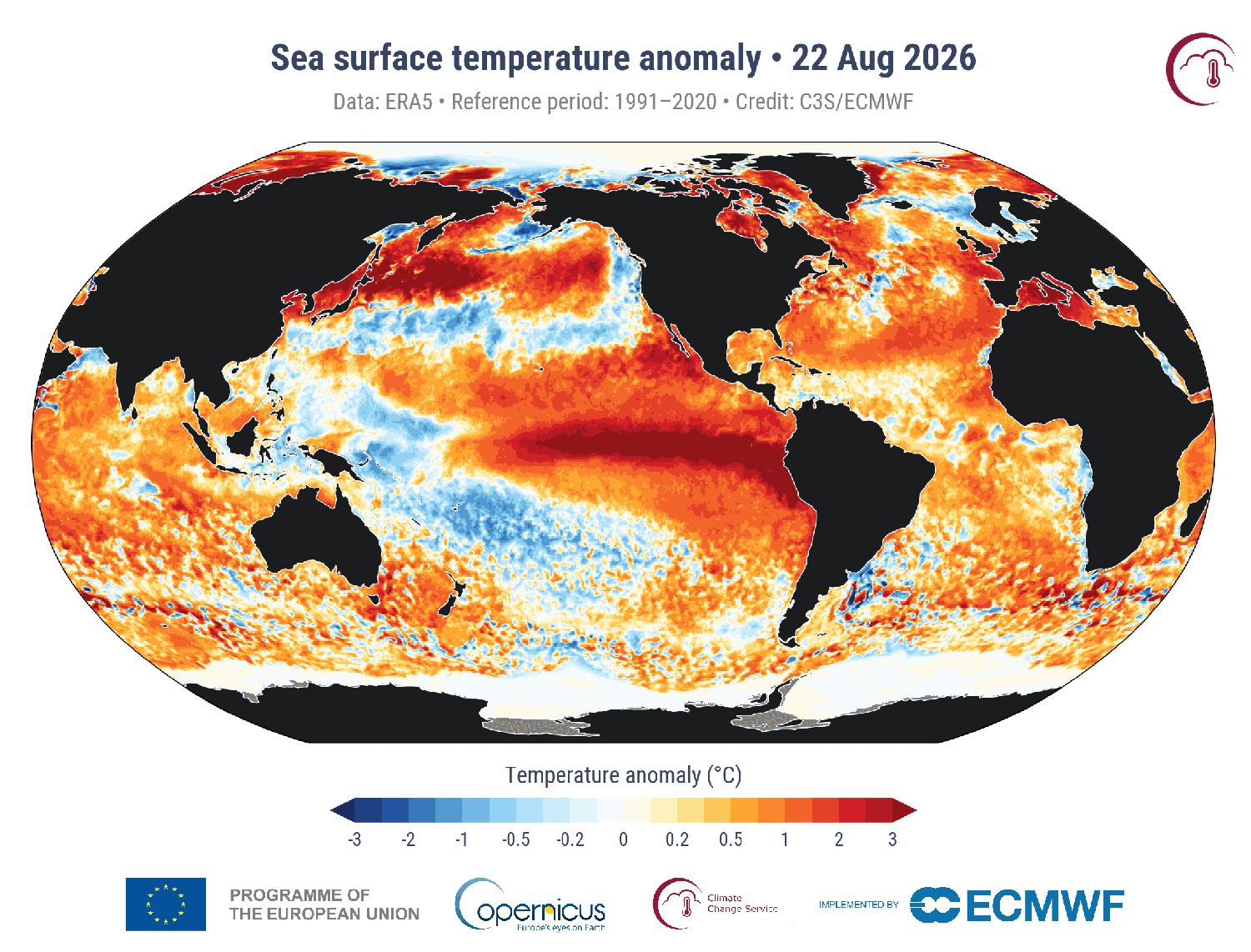
The average surface temperature of the world’s oceans outside the polar regions reached 70.0°F (21.1°C) on Aug. 22, the highest daily level in reliable records dating to 1979.
The new mark barely surpassed the previous record of 70.0°F (21.09°C), set in March 2024. But its timing was especially unusual. Global ocean temperatures normally peak in March or April, near the end of the Southern Hemisphere summer, rather than in August.
A strengthening El Niño is adding warmth across the tropical Pacific, but scientists say the natural weather cycle is operating on top of decades of human-caused ocean heating. The number of marine heat-wave days worldwide has more than tripled since the early 1990s.
Around Europe, researchers found that carbon pollution from burning coal, oil and gas had fueled a “massive expansion” of marine heat waves during the summer.
World Weather Attribution examined the hottest two-week periods across the Mediterranean, the Bay of Biscay, the Iberian coast and waters surrounding Britain and Ireland. In three of the four regions, temperatures of the intensity observed this year would have been virtually impossible before the burning of oil, gas and coal created a greenhouse effect that has warmed the planet.
Human-caused warming added about 3.6°F (2°C) to the extreme heat in the Mediterranean, 2.5°F (1.4°C) around the Bay of Biscay and Iberian Peninsula, and 2.3°F (1.3°C) around Ireland and the English Channel.
Climate change has also dramatically enlarged the area affected. About 80% of the western Mediterranean experienced marine heat-wave conditions, compared with an estimated 40% in a climate without modern warming. In the eastern Mediterranean, the affected area expanded from an estimated 9% to nearly 70%.
The North Sea provided another warning. Water temperatures off the Dutch coast reached a record 70.7°F (21.5°) in August, narrowly exceeding the previous mark of 70.5°F (21.4°C) set in 2018. Measurements there show the sea has been warming by about 0.7°F (0.4°C) per decade since 1984. The latest marine heat wave had persisted for about 80 days by mid-August.
Warm water may initially seem inviting to swimmers, but prolonged marine heat can kill corals, sponges, seaweed and other species that form the foundation of marine ecosystems. Fish may move toward cooler waters, disrupting food webs, fisheries and coastal economies, while species unable to escape can suffer massive deaths.
Hotter oceans also expand and raise sea levels, release more heat and moisture into the atmosphere and can contribute to heavier rainfall. As seawater warms, it may also become less effective at absorbing carbon dioxide, weakening one of the planet’s most important natural buffers against climate change.
The European study is a rapid analysis that has not yet undergone peer review. But its findings are consistent with longer-term observations showing that marine heat waves are becoming more frequent, extensive and intense as greenhouse gases continue accumulating in the atmosphere.
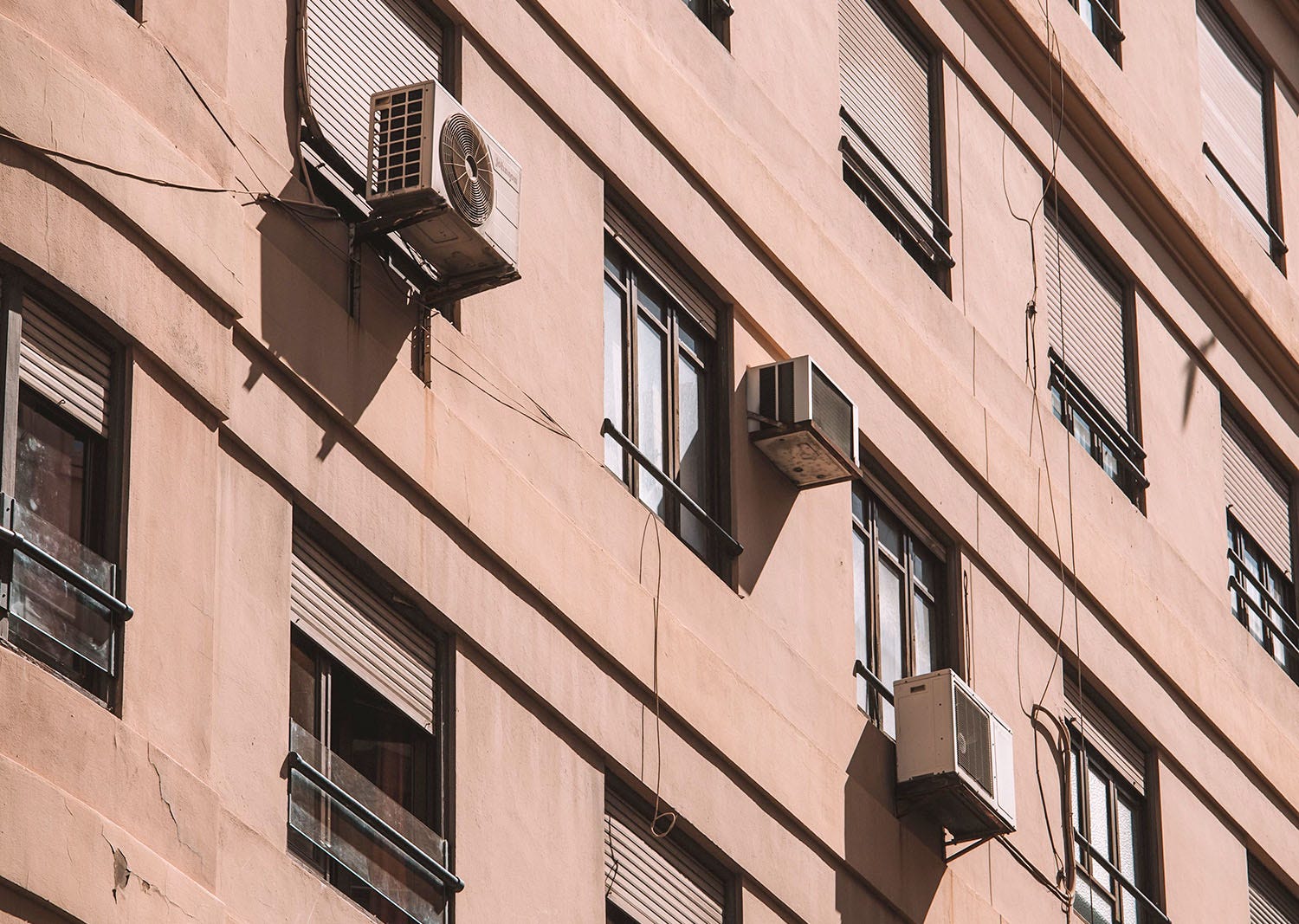
Air conditioning has long been caricatured across Europe as an American affliction — a wasteful, energy-hungry indulgence.
Air conditioning is widespread in Japan, China and many of the world’s hotter regions, but much of Europe traditionally relied on shutters, fans and open windows—and regarded air conditioning with suspicion.
Two consecutive summers of punishing heat appear to be changing that attitude.
A YouGov survey in Britain, France, Germany, Italy, Poland and Spain found that 61% to 73% of respondents favored installing air conditioning as standard in new homes. Between 65% and 75% wanted it to be easier for residents to install systems without permission from landlords or local authorities, while majorities in every country supported government subsidies.
When forced to choose, more respondents in every country except Italy said protecting people with additional air conditioning should take priority over reducing carbon emissions. Between 41% and 48% chose cooling, compared with 20% to 33% who placed emissions cuts first.
The shift follows repeated heatwaves that brought temperatures near or above 104°F (40°C). France alone recorded about 5,700 excess deaths during a historic heatwave in June, while thousands more were reported elsewhere in Europe.
Air conditioning is already common in Italy and Spain but remains comparatively rare farther north. The survey estimated that only 16% of Germans and 11% of Britons had it. Cost, rather than concern about the climate, was the most frequently cited obstacle.
Cooling carries its own environmental price through electricity demand and refrigerants. But efficient systems powered by cleaner electricity can reduce that burden, while shutters, shade, insulation and reflective roofs can keep buildings cooler without continuously consuming power. The emerging challenge is therefore not simply choosing air conditioning or emissions cuts, but protecting people from heat without intensifying the warming that makes such protection necessary.

Move over, Fat Bear Week. Colorado’s yellow-bellied marmots are holding their own competition to determine which rotund rodent appears best prepared for winter.
The first Fat Marmot Week invited the public to vote online from Aug. 24–29 in a tournament featuring animals living near the Rocky Mountain Biological Laboratory in Gothic, Colorado. The contest is modeled on Alaska’s popular celebration of brown bears fattening themselves before winter.
Marmots are cat-sized ground squirrels found in North America, Europe and Asia. The yellow-bellied marmots of the Rocky Mountains spend summer grazing almost continuously on grasses and wildflowers, roughly doubling their body size and reaching as much as 13 pounds (6 kilograms) in weight.
All that extra padding is essential. Unlike bears, which enter a lighter state called torpor and can awaken during winter, marmots are true hibernators. After sealing themselves inside their burrows, their body temperature can fall to about 41°F (5°C), their hearts slow to only a few beats per minute and they may breathe just once every minute or two.
They remain in that state for about five months, surviving entirely on the fat accumulated during summer. By spring, the impressively round animals that entered their burrows emerge dramatically slimmer.
Scientists know many of the contestants individually. Stonehenge is known for chirping at passing mountain bikers, while Citroen is paired with a female that leads a matriarchal colony. Researchers say marmots also display distinct personalities. Some are sociable and live in colonies of as many as 30 animals, while others prefer solitude.
Their attitudes toward scientists vary as well. Researchers capture the animals in harmless wire traps baited with oats and peanut butter so they can be weighed, measured and examined. Wary marmots resist the temptation, while others cheerfully enter the same traps several times in one morning.
The marmot project began in 1962 and is among the world’s longest-running studies of individually identified wild mammals. Its decades of observations have helped scientists understand marmot personalities, family relationships, reproduction, hibernation and survival.
Fat Marmot Week was created to introduce that research to a wider audience and attract financial support. The researchers have even posted marmot videos on the adult-content platform OnlyFans, prompting one enthusiast to create a marmot-themed cryptocurrency that donates transaction fees to the project.
Despite such unorthodox fundraising, the contest itself is simple: admire the contestants and vote for the marmot that looks most gloriously prepared for a long winter underground. For these alpine rodents, being plump is not an indulgence—it is a survival strategy.
For people already enduring deadlier heat, drought and flooding, every additional fraction of a degree brings greater danger. New research suggests the world could become about 25% hotter than previously projected, even if greenhouse-gas emissions follow the expected course.
Models differ widely in the amount of warming they project from rising carbon dioxide. Those producing the highest temperatures have often been given less weight because they simulated more warming during recent decades than was actually observed.
Researchers at ETH Zurich now say that comparison was distorted by natural climate variations that temporarily held down surface temperatures between 1981 and 2014. That period included the so-called global warming hiatus of the early 2000s, when heat continued accumulating in the climate system even though the rise in surface temperatures briefly slowed.
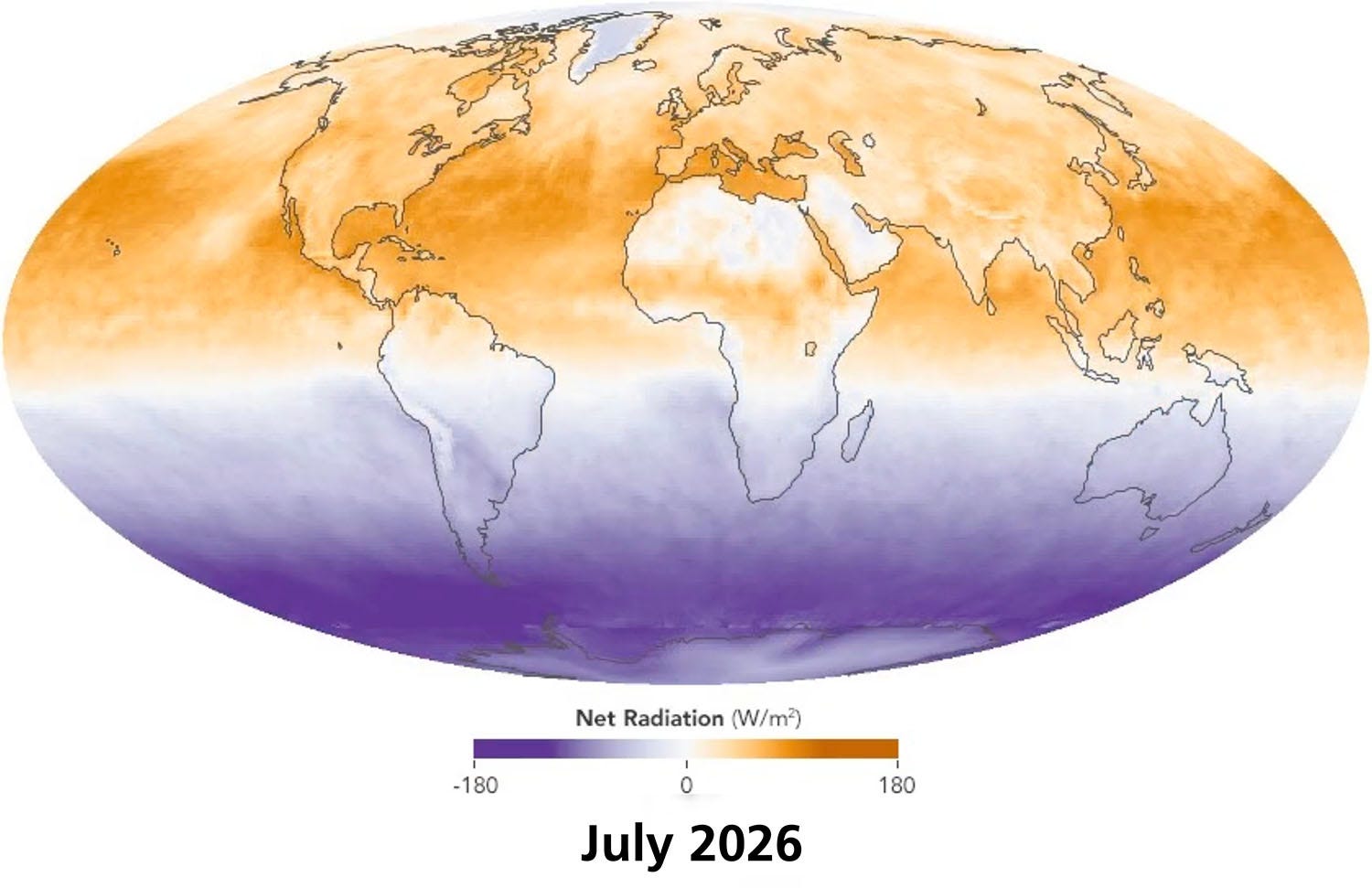
The team tried to filter out cooling influences such as La Niña and then compared the models with satellite measurements of Earth’s energy imbalance — the difference between the solar energy entering the atmosphere and the heat escaping into space. Those observations suggest that models forecasting greater warming may more accurately reflect how much heat the planet is actually retaining.
The Intergovernmental Panel on Climate Change (IPCC), the United Nations body that assesses climate science, and the new study both use the same yardstick: how much the planet would warm as atmospheric carbon dioxide rose from its preindustrial level of about 280 parts per million to twice that amount, or 560 parts per million. Carbon dioxide has already reached about 429 parts per million, slightly more than halfway to that doubling. Because its warming influence does not increase in a straight line, today’s level represents roughly three-fifths of the effect expected from such a doubling.
Using this measure, the IPCC estimates warming of 1.2°C to 2.4°C (2.2°F to 4.3°F). The new study raises the range to 1.9°C to 2.6°C (3.4°F to 4.7°F), with a central estimate of 2.25°C (4.1°F).
If confirmed, the findings would mean that rising carbon dioxide could produce more warming than many current climate models estimate.
The researchers caution that their findings rely partly on a relatively short satellite record and need confirmation from other evidence. Even so, the study suggests that past temperature trends may have provided false reassurance about the pace of future warming. If the planet is more sensitive to carbon dioxide than previously believed, the remaining time to cut carbon emissions and avoid the most dangerous consequences of global heating is even shorter.
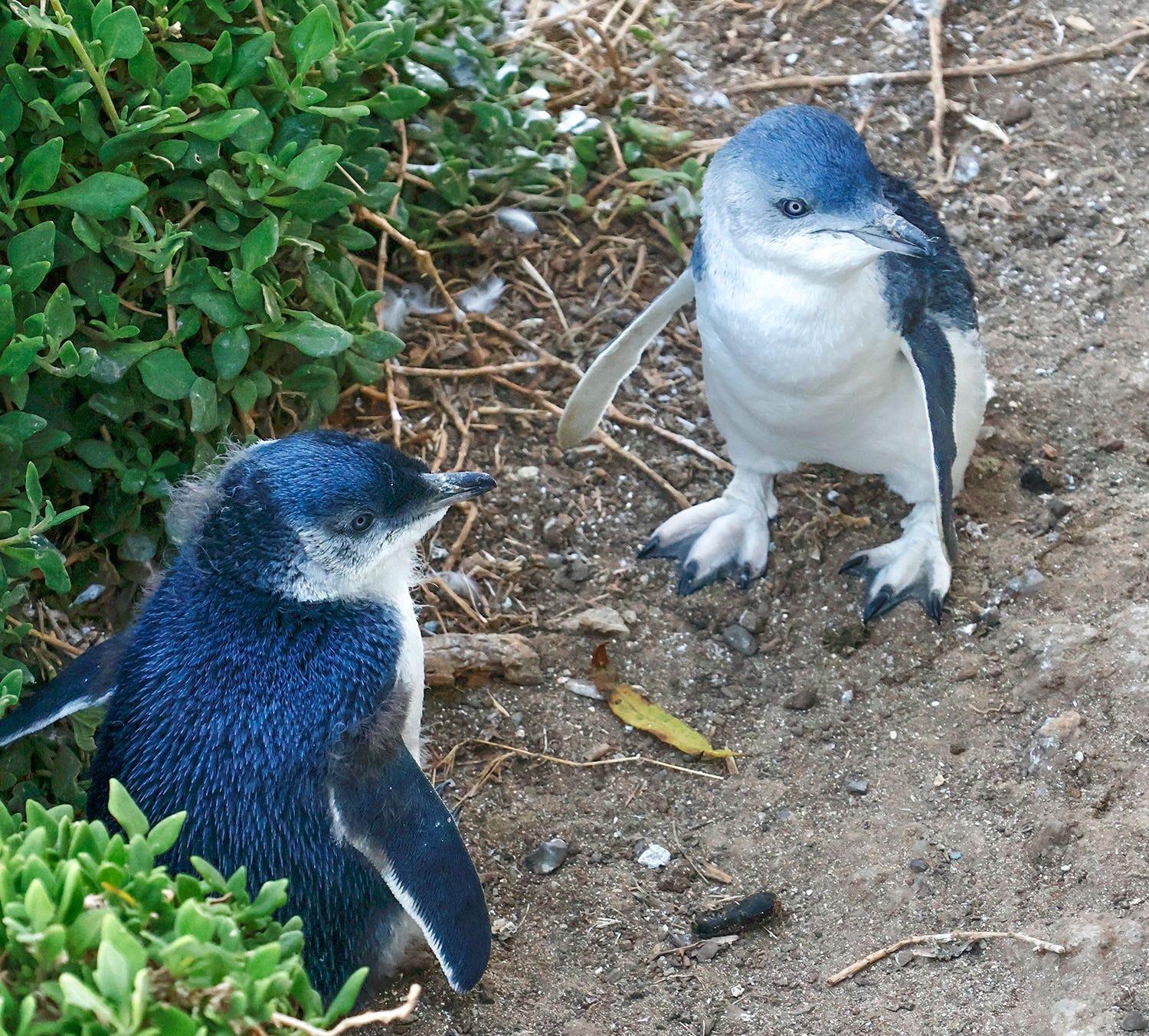
Australia’s attempt to protect thousands of little penguins from H5N1 bird flu has gained new urgency after the virus caused its first confirmed mammal death on the country’s mainland.
The Australian mainland was the last continent where the globally spreading H5N1 strain had not been detected until a migratory seabird tested positive in June.
A long-nosed fur seal found dead at Beachport in South Australia tested positive for the highly pathogenic virus. The animal showed no signs of injury, and officials believe it was probably infected through contact with sick seabirds or a contaminated coastal environment.
By late August, authorities had recorded nearly 300 confirmed or presumed infection events around the country, including mass die-offs involving more than 1,000 greater crested terns on islands off South Australia.
Although this was the first confirmed mammal case on the mainland, H5N1 had already reached mammals in Australian territory. On remote Heard Island in the Southern Ocean, scientists estimated that about 13,000 southern elephant seal pups died during an outbreak that also affected penguins and fur seals.
Seals and sea lions are particularly vulnerable because they breed, rest and feed near seabird colonies where large amounts of the virus may accumulate. Australian authorities have classified long-nosed fur seals and endangered Australian sea lions as facing very high risk. Conservationists warn that a major outbreak among the country’s already declining sea lions could threaten the species’ survival.
Teams on Victoria State’s Phillip Island are carrying out what is believed to be the world’s largest vaccination campaign involving wild birds.
Each evening, workers wait for little penguins—the world’s smallest penguin species—to emerge from the ocean. The birds are guided into temporary pens, weighed, measured, microchipped and given a first dose of H5N1 vaccine before being released to their burrows. Workers must catch the same birds again several weeks later to provide a second dose.
More than 1,000 penguins have received their first injection. The program aims to vaccinate 5,000 birds at Phillip Island and St Kilda, using about 10,000 doses.
Phillip Island supports a colony of roughly 40,000 little penguins. Their habit of returning to the same beach paths and burrows makes vaccination possible, but their close-packed colonies also create ideal conditions for rapid transmission. Worst-case modeling suggests a severe outbreak could kill between 8,000 and 16,000 birds there.
Officials stress that the vaccine is not a shield against infection. It is intended to strengthen the birds’ immune response, reduce deaths and improve their chances of recovery. Vaccination also cannot be used practically for most of the hundreds of other wild species potentially exposed to H5N1.
The risk to the general public remains low, according to Australian and international health authorities, and there have been no mainland detections in poultry or livestock. People are nevertheless being warned not to touch sick or dead birds or marine mammals because those with frequent exposure to infected animals face a higher risk.
For Australia’s wildlife, however, the danger is immediate. The simultaneous race to vaccinate penguins and the virus’s arrival in a mainland seal show how quickly an outbreak that began with a few migratory seabirds is spreading between native species.
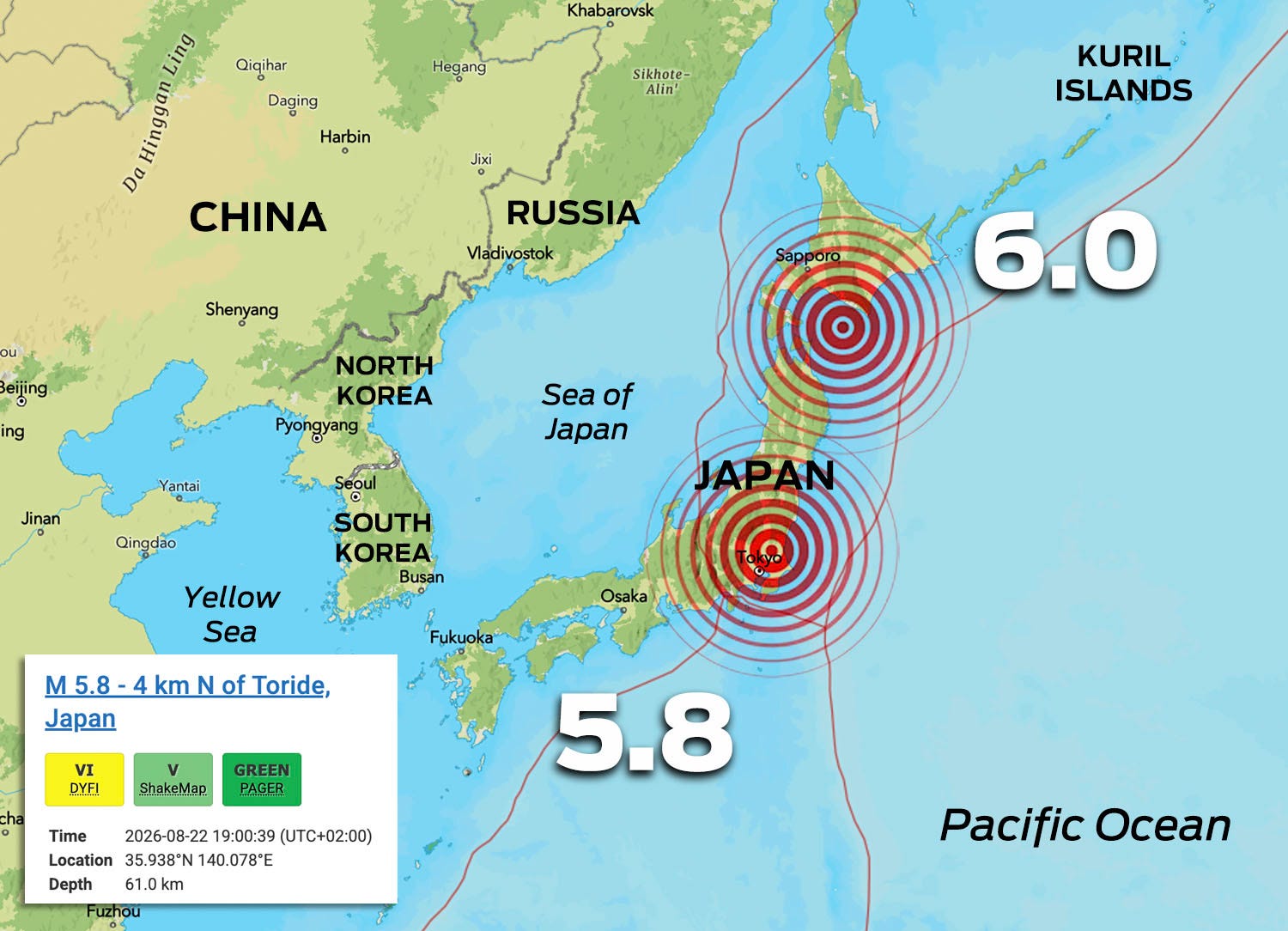
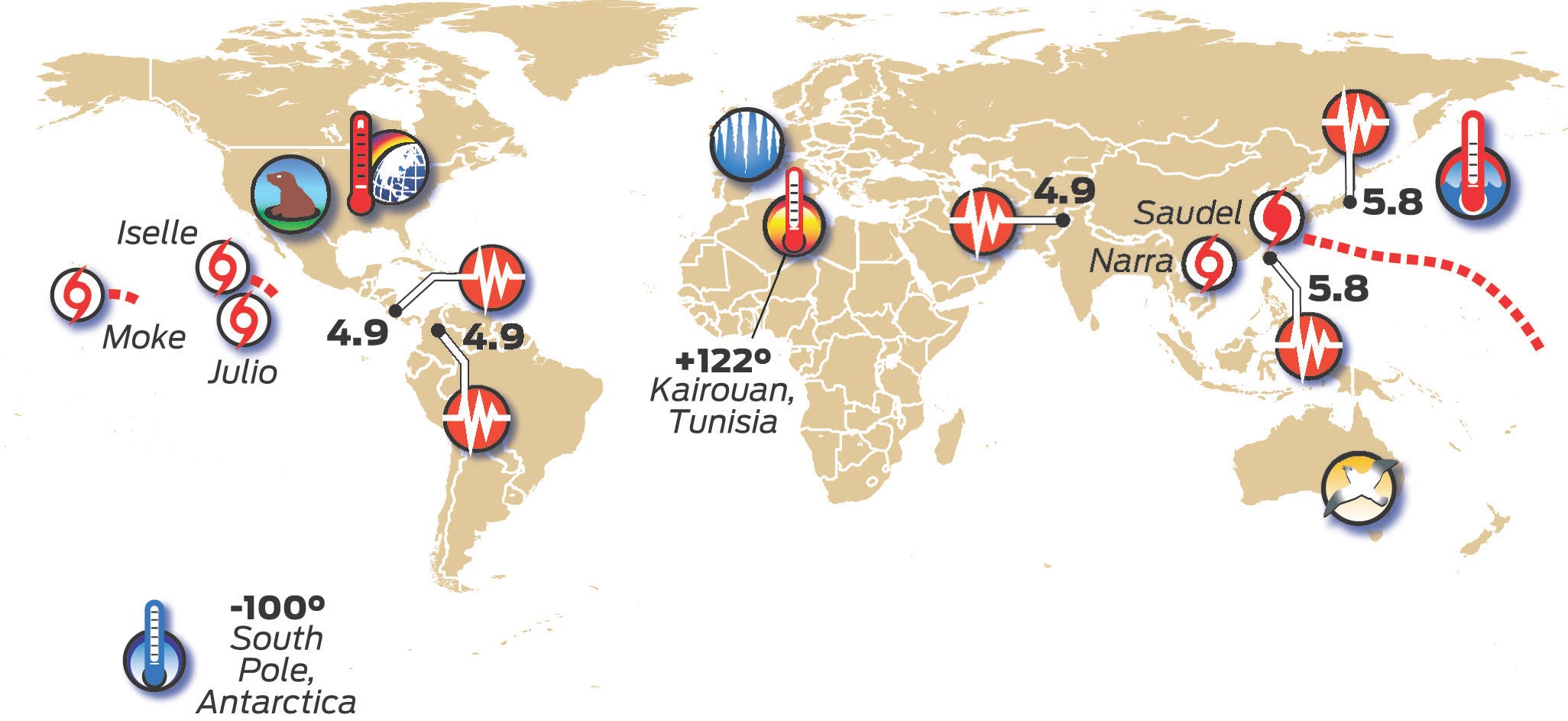
A magnitude 5.8 earthquake jolted Tokyo and surrounding prefectures early Sunday, injuring 37 people and disrupting rail service across eastern Japan. No tsunami occurred, and authorities reported no major structural damage.
The earthquake struck at 2 a.m. while many residents were asleep. Its center was approximately 43 miles (70 kilometers) beneath southern Ibaraki Prefecture, northeast of Tokyo.
Shaking reached “lower 5” on Japan’s seven-level seismic-intensity scale in parts of Tokyo, Ibaraki, Saitama and Chiba. At that level, many people have difficulty walking without holding onto something, while unsecured objects and dishes may fall.
Authorities reported 15 injuries in Tokyo, nine in Saitama, eight in Kanagawa, four in Chiba and one in Ibaraki. Most were minor and occurred when people fell or struck furniture and doors after being startled from sleep.
The earthquake delayed trains serving Tokyo, Narita Airport and northeastern Japan, while some services operated at reduced speeds. Officials were investigating whether the shaking ruptured a water pipe in Tokyo’s Koto Ward. Japan’s Nuclear Regulation Authority reported no abnormalities at nuclear power plants or other facilities handling radioactive material.
Prime Minister Sanae Takaichi established a government task force to assess the damage, while the Japan Meteorological Agency warned that similarly strong shaking could occur in the following days.
Nearly 21 hours later, a separate magnitude 6.0 earthquake struck beneath the seabed off southern Hokkaido near Urakawa. Although stronger by magnitude, it produced less intense shaking on land, caused no reported injuries or significant damage and triggered no tsunami warning.
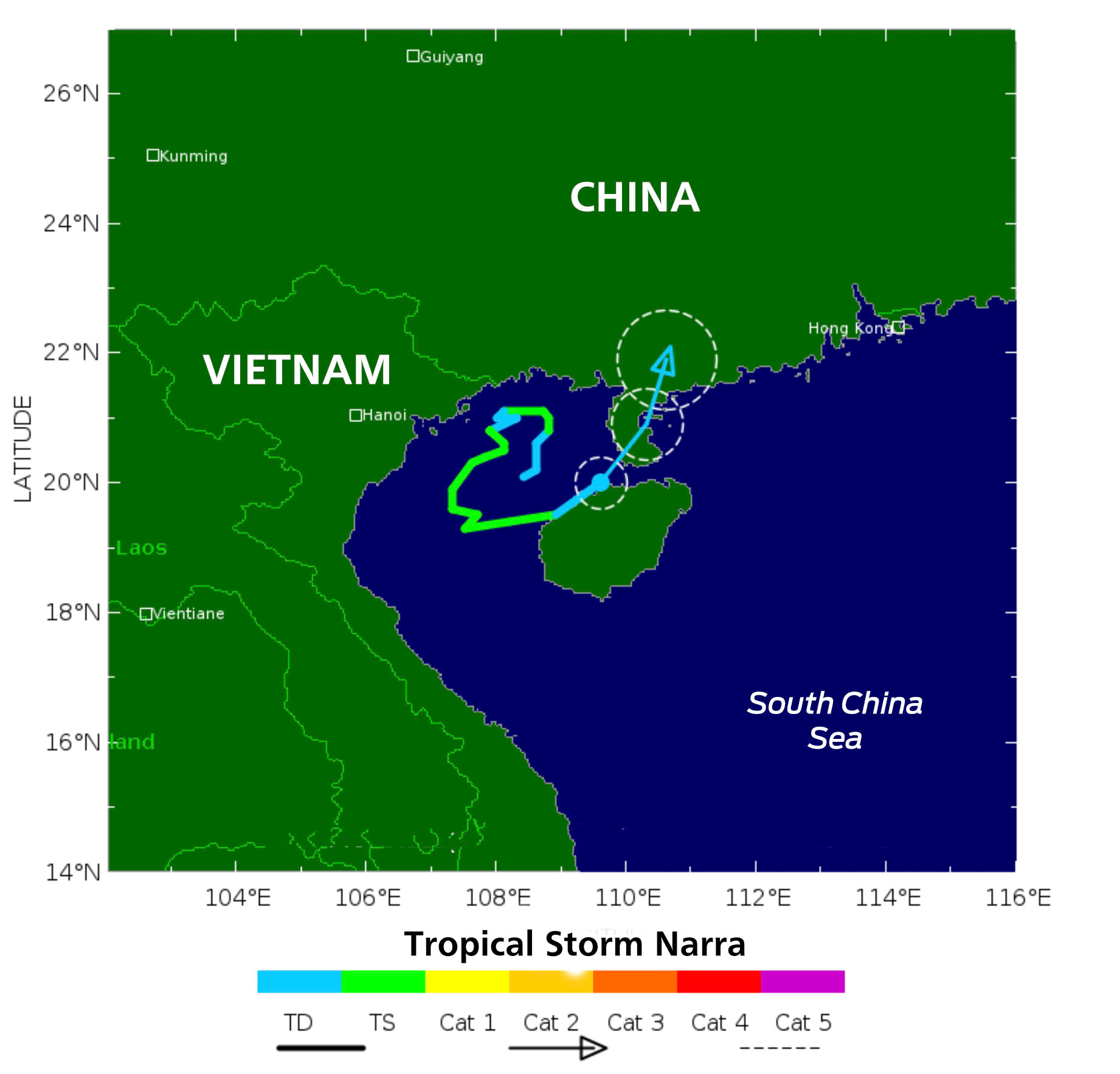
Tropical Storm Narra never reached typhoon strength, but its slow, erratic movement over the Gulf of Tonkin produced days of torrential rain, deadly landslides and widespread flooding across northern Vietnam and southern China.
Narra’s sustained winds peaked at about 46 mph (74 km/h), well below the 74 mph (119 km/h) threshold for a typhoon. Rather than sweeping quickly ashore, the storm lingered offshore and repeatedly changed direction, allowing rain to fall over the same areas for several days.
In northern Vietnam, two people were killed in the mountainous province of Lang Son, where a landslide struck at least one home. Three others were injured in Hanoi and the provinces of Son La and Quang Ninh.
Rainfall since Aug. 20 reached 28 inches (712 millimeters) at Mau Son in Lang Son and nearly as much at Bai Chay near Ha Long Bay. Floodwaters and landslides destroyed two houses, damaged more than 1,000 others and inundated 3,746 homes. More than 2,800 households remained isolated by flooded roads and were being supplied by boat.
Authorities evacuated 7,751 households as rivers rose and slopes became unstable. By late on Tuesday, Aug. 25, about 3,200 households remained in shelters while others began returning home as water levels slowly receded.
The storm also flooded or damaged more than 80,000 acres (33,000 hectares) of rice fields and other crops, killed thousands of poultry and livestock and disrupted roads at more than 400 landslide or inundation sites. Nearly 192,400 electricity customers lost service at some point during the storm, although power had been restored to more than 92% by Tuesday evening.
Across the border in China’s Guangxi region, authorities relocated about 54,000 people. More than 15,000 were evacuated around Chongzuo after rivers surpassed a record level set in 2008. Television footage showed muddy water covering roads and reaching the roofs of some low-rise buildings.
Narra eventually weakened into a tropical depression as it moved toward southern China. Its modest winds underscored a familiar tropical-cyclone danger: A storm does not need to become a typhoon to cause catastrophic flooding when it stalls near densely populated coasts and saturated mountain terrain.

• The hottest temperature recorded this week by the World Meteorological Organization’s 7,600 land-based synoptic weather stations was 122°F (50°C) at Kairouan, Tunisia.
• The coldest temperature in an inhabited location was -100°F (-73°C) at the U.S.-operated Amundsen–Scott South Pole Station.
©MMXXVI Earth Environment Service
No posts
Comments
Nothing yet. Say the first thing.
Sign in to join the conversation.