
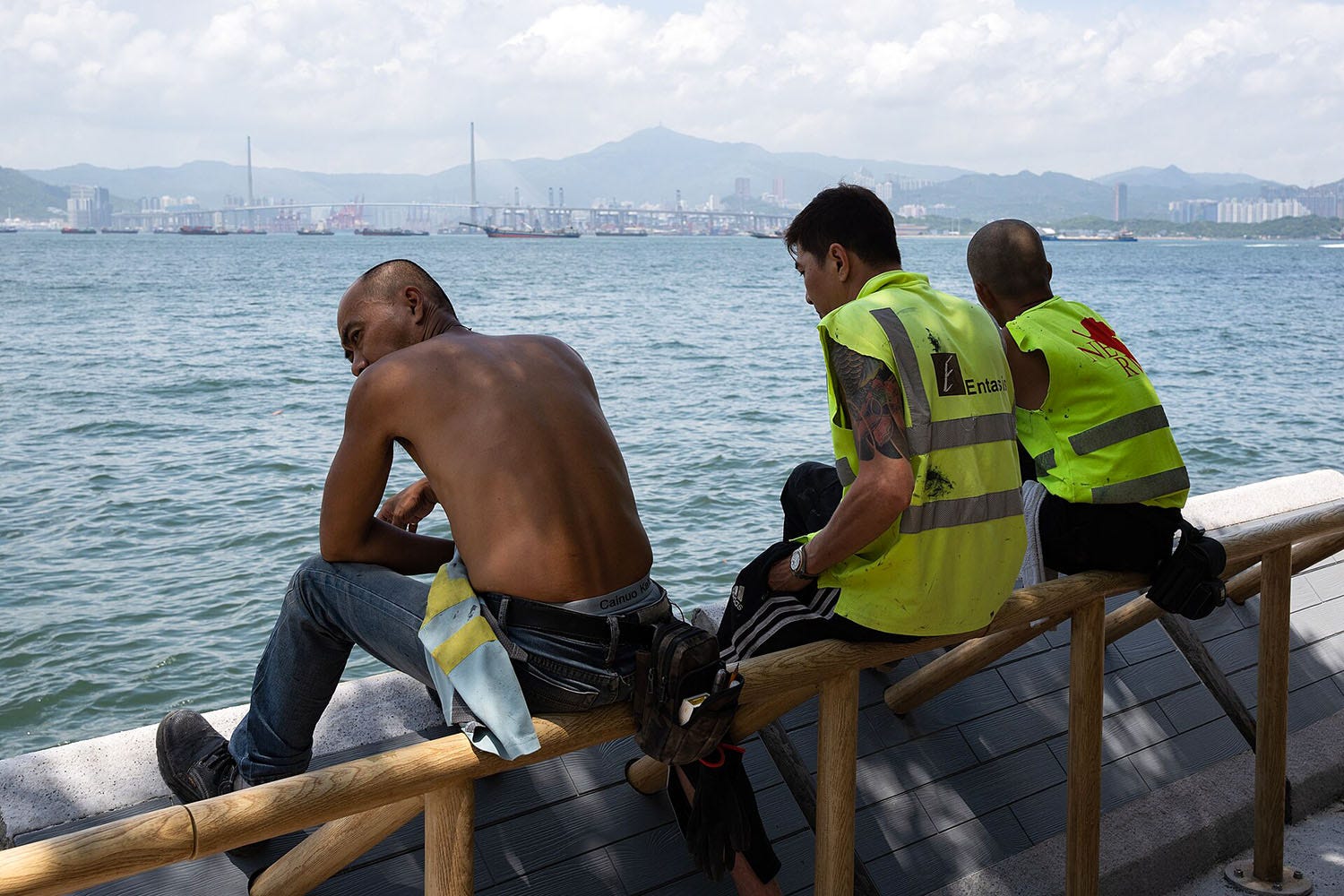
As continued greenhouse gas emissions push extreme temperatures ever closer to the limits of what the human body can survive, research shows that people can lose the ability to stay cool at lower temperatures than scientists once believed. The danger depends not only on air temperature but also on humidity, age, health, physical activity and access to relief.
The body cools itself mainly through the evaporation of sweat. As humidity rises, however, the air becomes less able to absorb moisture, eventually preventing the body from shedding heat fast enough to keep its core temperature stable. Scientists measure this combination of heat and humidity using “wet-bulb” temperature, which indicates how effectively water — and therefore sweat — can evaporate.
A wet-bulb temperature of 95°F (35°C) was long considered the theoretical upper limit for human survival. Beyond that point, scientists believed that even a healthy person resting in the shade with water could maintain a safe body temperature for only a few hours.
Laboratory experiments suggest the practical limit is lower. Penn State researchers found that the core temperatures of 25 healthy young adults began rising continuously at wet-bulb readings near 88°F (31°C) in warm, humid conditions and at even lower readings in hotter, drier air.
A separate study of 36 healthy adults age 35 or younger found that participants performing light office work could maintain stable temperatures for eight hours at wet-bulb readings of 90°F and 91°F (32°C and 33°C), but not at 93°F or 95°F (34°C or 35°C). At 95°F (35°C), researchers projected that life-threatening hyperthermia would develop after roughly seven to nine hours.
The results are not necessarily contradictory because the studies used different methods. The Penn State experiments gradually increased heat or humidity to identify when the body first began struggling, while the longer study held participants at fixed temperatures to see whether they eventually stabilized.
Nor is there one temperature at which everyone suddenly becomes unable to survive. Sunlight, wind, clothing, hydration, exertion and acclimation all influence heat tolerance. The prolonged-exposure study involved young, healthy adults working indoors in the shade with unlimited water, so its findings cannot be applied directly to outdoor laborers, children, pregnant women or people with chronic illnesses.
The physiological limits are substantially lower for older adults. A Stanford-led study published in The Lancet Planetary Health combined laboratory-tested heat limits for different age groups with climate and population projections. It found that people 60 and older would experience more frequent and widespread heat beyond their bodies’ ability to compensate at 2.7°F (1.5°C) of global warming above pre-industrial levels than young adults would at 7.2°F (4°C).
At 2.7°F (1.5°C) of warming, about 290 million older adults could face at least 180 hours of such heat each year. Each additional 1.8°F (1°C) of global heating would expose about 1 billion more people to that level of danger, with the greatest burden across South and Southeast Asia, eastern China, West Africa and the Persian Gulf. At 5.4°F (3°C) of global warming, older residents of cities including Delhi, Lahore and Dubai could experience about 1,000 hours or more each year when their bodies cannot shed heat fast enough to maintain a safe internal temperature.
Most heat-related illness and death already occur below these physiological limits. Heat can worsen heart, kidney and respiratory disease long before a person develops heatstroke, especially among people who work outdoors, live alone or lack air conditioning.
Cooling centers, heat warnings, shade, reflective roofs and reliable electricity can reduce the toll, but adaptation cannot eliminate every danger as temperatures rise. Cutting greenhouse gas emissions remains the only way to limit how much more of the planet becomes exposed to extreme heat.
The research shows that the boundary between an uncomfortable climate and an intolerable one is different for each person — and for hundreds of millions of older adults, it is closer than previously understood.
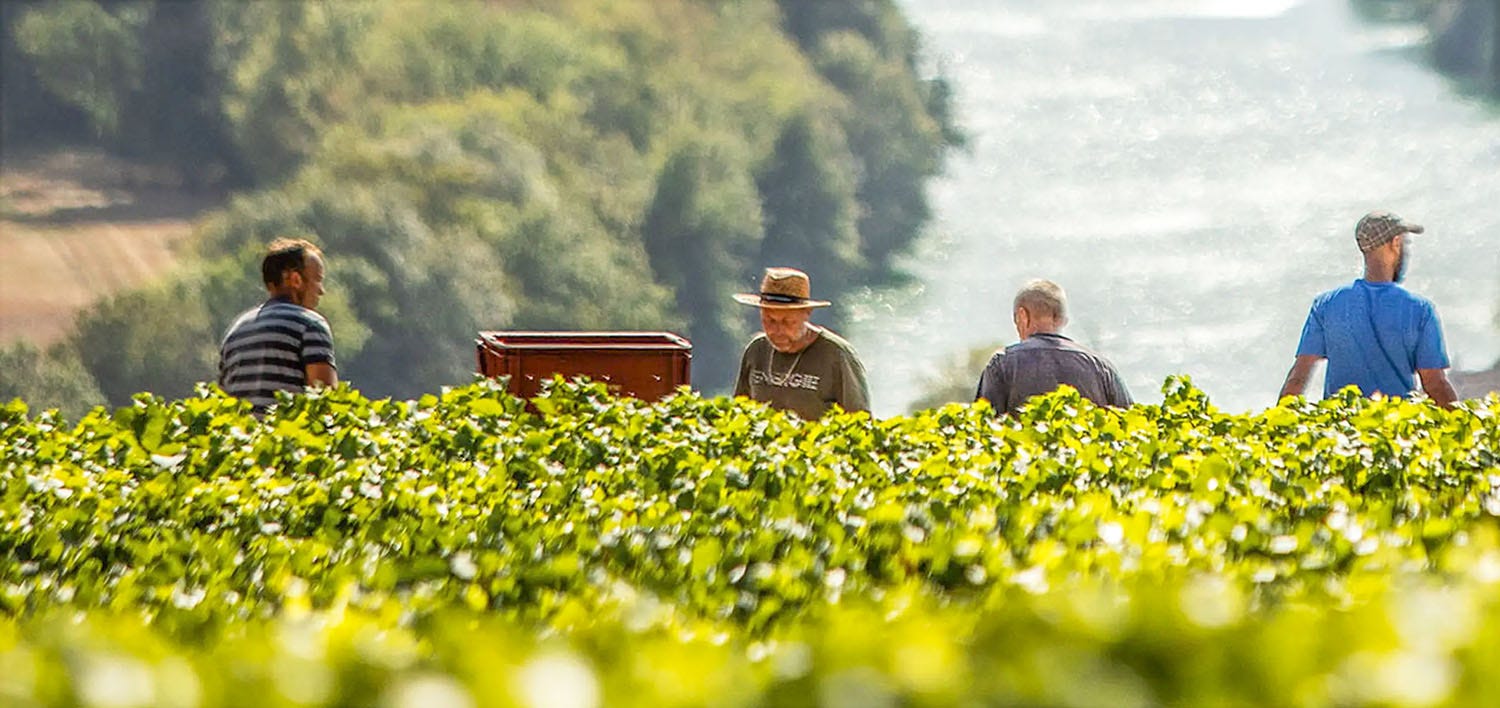
Workers entered some vineyards in northeastern France on Aug. 12 to begin the earliest Champagne harvest since records started in the early 20th century.
Most picking was expected between Aug. 20 and 25, about two weeks earlier than has been typical in recent years. Before 2000, Champagne grapes were almost always harvested in September or October.
The accelerated schedule followed an extraordinary sequence of warm weather. Météo-France says spring 2026 was the hottest France has recorded, averaging 3.1°F (1.7°C) above normal. June was also the country’s hottest on record, followed by a 16-day July heat wave that ranked among the longest France has experienced.
Heat speeds the accumulation of sugar in grapes while reducing acidity and shortening the time available for flavors and other compounds to mature. That leaves winemakers with a difficult choice: pick early to retain acidity or wait for fuller flavor development while risking grapes that are too sweet.
The balance is especially important for Champagne. Its identity depends on freshness, acidity, finesse and relatively low alcohol, qualities that can be harder to preserve when grapes ripen rapidly.
Growers are experimenting with new grape varieties, protective structures and other techniques. The Comité Champagne has also established a research and development center to explore how the industry can adapt. But the rules protecting the Champagne appellation restrict where the grapes can be grown, which varieties may be used and practices such as irrigating mature vines.
The changing conditions arrive as producers face weaker demand, higher labor and fuel costs and tariffs in the United States, Champagne’s largest export market. The industry reduced the amount of the 2026 harvest that growers may sell, partly to bring inventories into balance.
Farther north, the same warming trend is creating opportunities. England produced about 16.5 million bottles of wine last year, while its exports rose 55%. Its chalky soils resemble those of northern France, and French Champagne house Taittinger has already established an English sparkling-wine operation in Kent.
English growers say their harvests have shifted from October or November toward late summer and early fall. Their French counterparts remain confident that centuries of winemaking knowledge and new research will preserve Champagne’s quality.
The record-early harvest offers another measure of how a warming climate is altering familiar seasons. Climate change may not bring an end to Champagne, but it is already changing when and how its grapes must be grown.
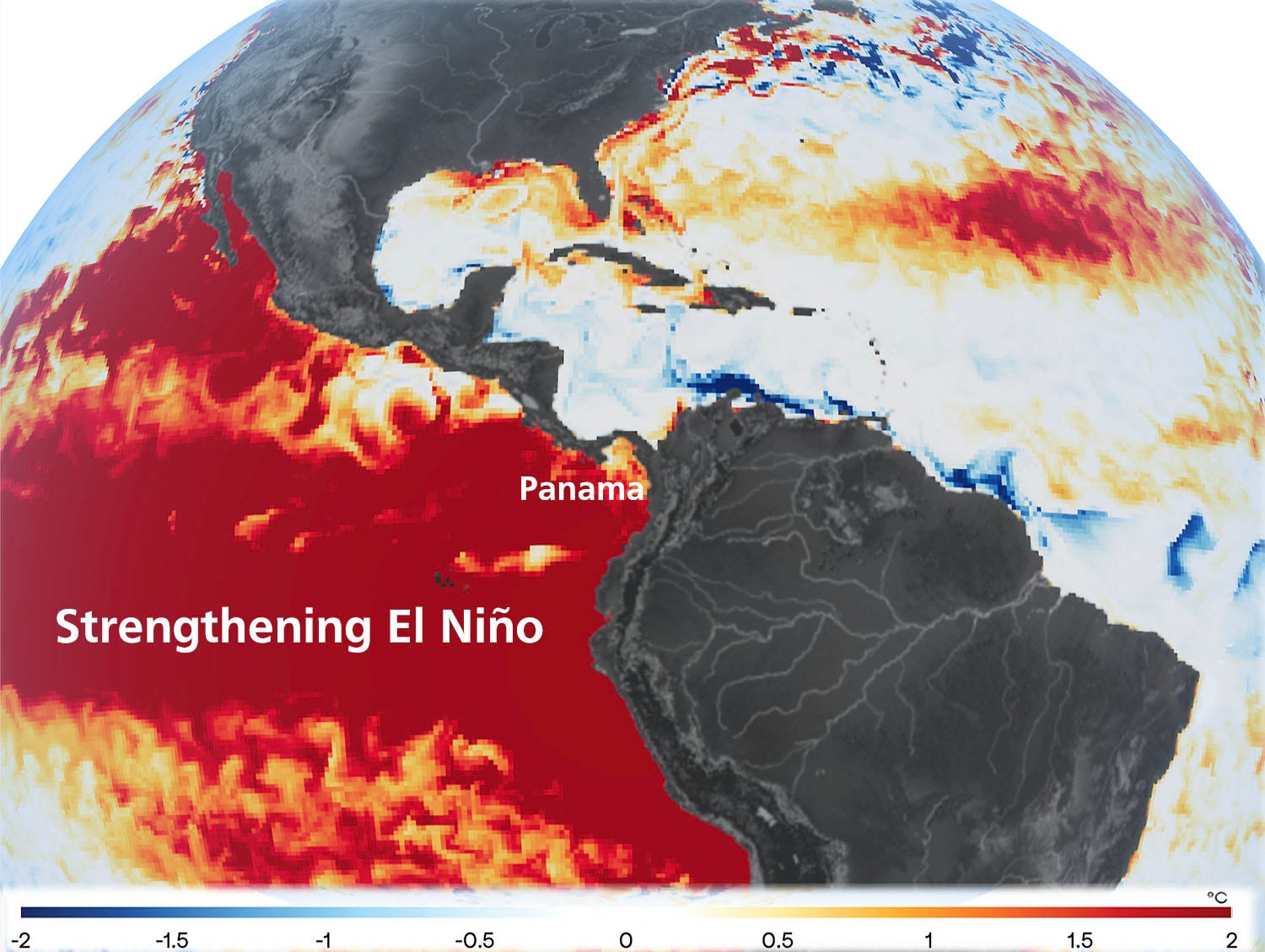
Hundreds of blue-footed boobies and other seabirds are gathering near the entrance to the Panama Canal after a strengthening El Niño disrupted marine food supplies across the eastern Pacific.
The birds live and feed in the nutrient-rich waters along the Pacific coast of the Americas. Blue-footed boobies sometimes appear in the Gulf of Panama, but researchers say the number now being recorded near Panama City is highly unusual.
The Panama Audubon Society said data submitted to the eBird citizen-science platform showed groups of 60 to 400 blue-footed boobies around Peñón de San José and nearby areas beginning in June. Counts during the 2014-16 El Niño ranged from 21 to 200, while those during the 2023-24 event ranged from three to 62.
The birds are not undertaking a normal seasonal migration. They appear to have been displaced by hunger.
El Niño is causing anchovies, sardines and other small fish eaten by seabirds to decline or leave their usual waters. The warming of the central and eastern tropical Pacific slows the rise of cold, nutrient-rich water near South America, reducing the plankton that supports these fish.
The World Meteorological Organization expects the developing El Niño to strengthen during the August-to-October period, increasing temperatures across much of the world and producing major shifts in rainfall. Panama is already experiencing exceptional heat and below-average rainfall in parts of the watershed supplying the canal.
For seabirds, the consequences can persist long after they find new feeding grounds. A study that followed 2,556 blue-footed boobies found that birds exposed to warm El Niño conditions early in life were underweight when they left the nest and bred less frequently. Other research has linked warm-water food shortages to delayed nesting, smaller broods and reproductive failure.
If cooler, nutrient-rich waters return, the visitors may disappear from Panama as quickly as they arrived. But their displacement shows how rapidly a change below the ocean surface can spread through the food chain.
El Niño is a recurring natural cycle, and scientists have not reached a consensus on how global warming will change its frequency or strength. But the current event is developing in oceans already made substantially warmer by continued greenhouse gas emissions, increasing the possibility that its effects will compound record global heat.
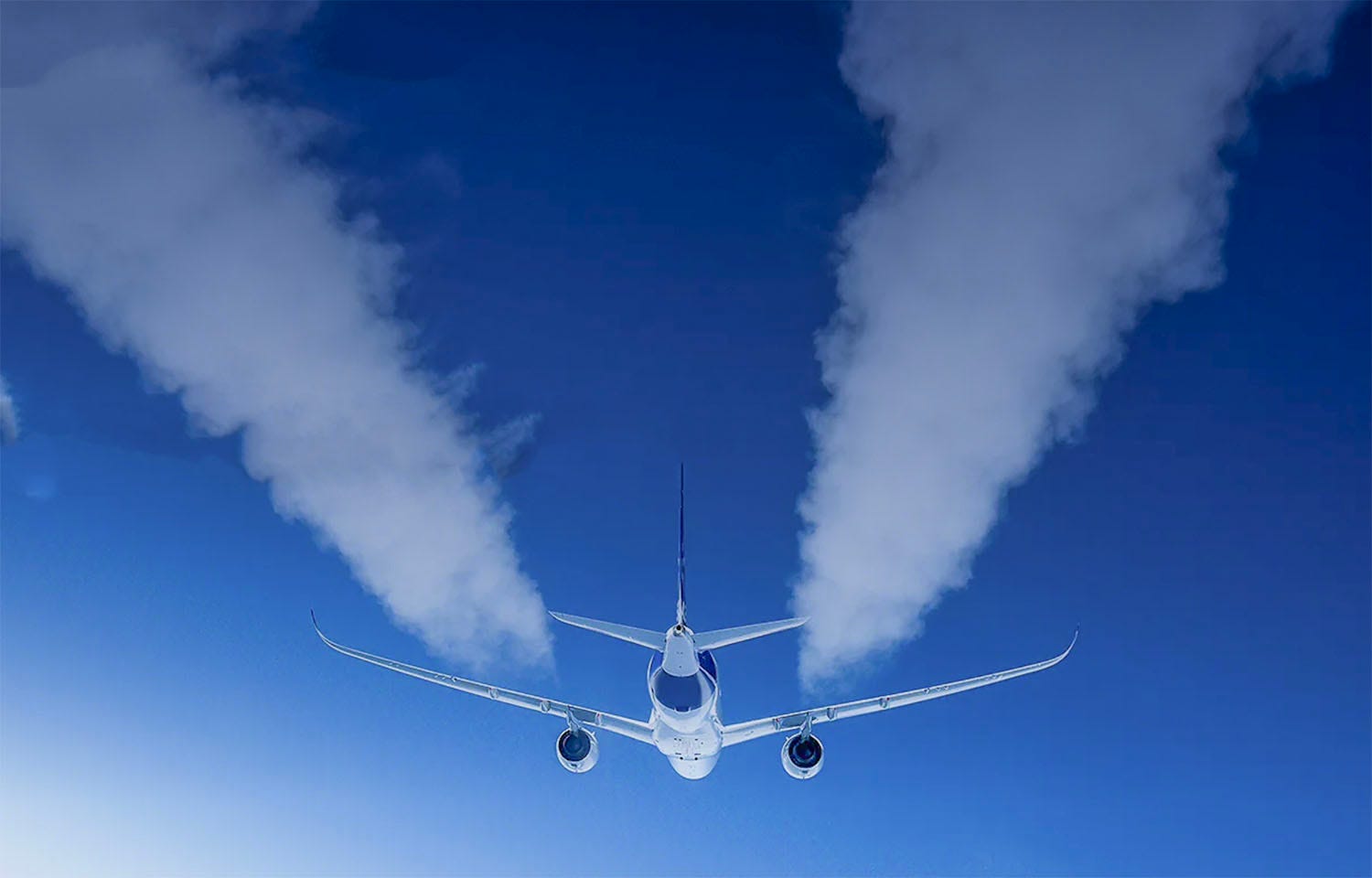
Aircraft crossing part of the North Atlantic will be directed around atmospheric conditions that produce persistent, heat-trapping condensation trails in the first trial of contrail avoidance across an entire air-traffic region.
The familiar white lines behind aircraft are ice clouds that form when water vapor in jet exhaust freezes around soot particles in cold, humid air. Many disappear quickly, but others spread and remain for hours. Although contrails can reflect some sunlight back into space during the day, they also prevent heat from escaping the atmosphere. Their overall effect is atmospheric warming and is estimated to account for roughly one-third of aviation’s climate impact.
Operation Blue Skies will begin in November in Shanwick airspace, which covers the eastern portion of the heavily travelled North Atlantic aviation corridor. The area is responsible for an estimated 5% of global contrail warming, much of it during winter nights.
Artificial intelligence forecasts developed by Google will identify layers of the atmosphere where persistent warming contrails are likely to form. Air traffic controllers will then direct selected aircraft as much as 2,000 feet (600 m) higher or lower, using procedures similar to those already employed to avoid turbulence and severe weather.
The £5 million program will include two four-month trials during the winters of 2026-27 and 2027-28. About 10,000 flights are expected to cross the airspace during the trial periods each year, although only a small proportion will need to change altitude. Researchers from Imperial College London and the University of Cambridge will independently evaluate the results.
Changing altitude can increase fuel consumption and carbon dioxide emissions. Organizers estimate that an affected flight might burn about 220 pounds (100 kg) of additional fuel, but they say avoiding a strongly warming contrail could prevent a much larger short-term climate impact.
Previous trials involving individual airlines found that targeted route changes reduced contrail formation by 50% to 60%. The new trial will determine whether the technique can be safely incorporated into routine air traffic control on a much larger scale.
Contrail avoidance cannot eliminate aviation’s carbon emissions, which remain in the atmosphere far longer. Research shows that most contrail warming comes from a small number of flights, so slightly changing the altitude of those flights could quickly and cheaply reduce aviation’s climate impact.
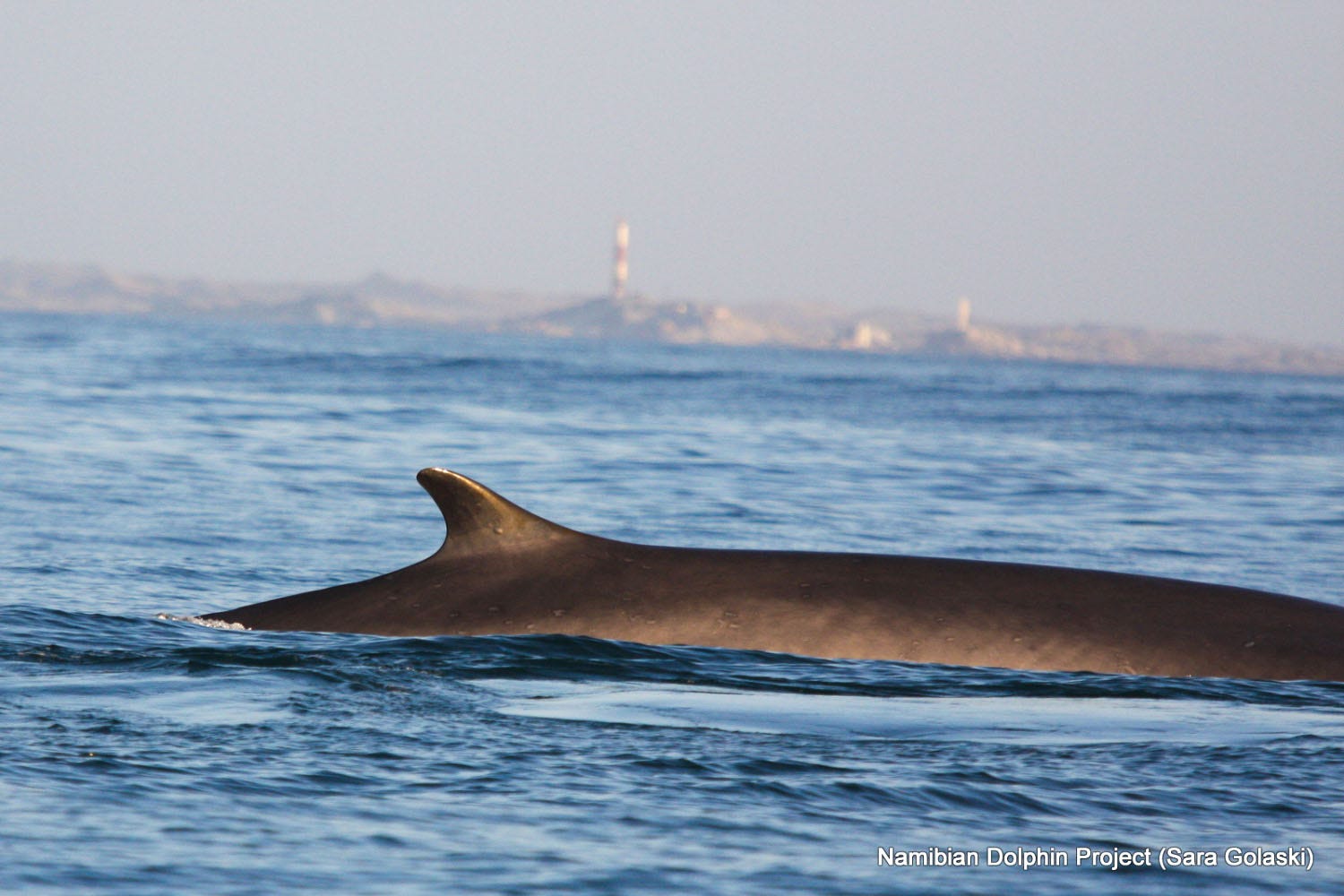
Blue and fin whales are appearing more frequently in southeastern Atlantic waters off Namibia and western South Africa, offering a rare sign of recovery from the devastation caused by 20th-century commercial whaling.
For a study published in the African Journal of Marine Science, researchers assembled confirmed sightings and strandings recorded between 1964 and March 2025. They found that 95% of the observations occurred from 2012 onward, suggesting the whales may be gradually returning to parts of their former range.
The researchers documented 12 blue whale sightings, one stranding and five additional published records. Fin whales were encountered more often, with 76 sightings and six strandings. Blue whales were seen primarily from late spring through autumn, while fin whales appeared throughout the year.
Historical whaling records indicate that the southeastern Atlantic may once have provided important feeding and nursery habitat for both species. Industrial whalers killed an estimated 350,000 blue whales and 725,000 fin whales between 1913 and 1978, leaving Antarctic blue whales especially depleted.
The findings are encouraging, but the researchers caution that the sightings do not demonstrate a complete recovery. Most were individual sightings rather than records from a regular, long-term survey. Part of the recent increase may simply reflect more reports from observers aboard ships far from shore.
The whales also continue to face ship strikes, entanglement in fishing gear, underwater noise, pollution and changes in marine food supplies. Researchers are calling for expanded underwater acoustic monitoring and more trained observers aboard commercial vessels. Even so, the return of these ocean giants suggests that decades of protection are allowing at least some whales to reclaim waters from which commercial hunting had nearly erased them.
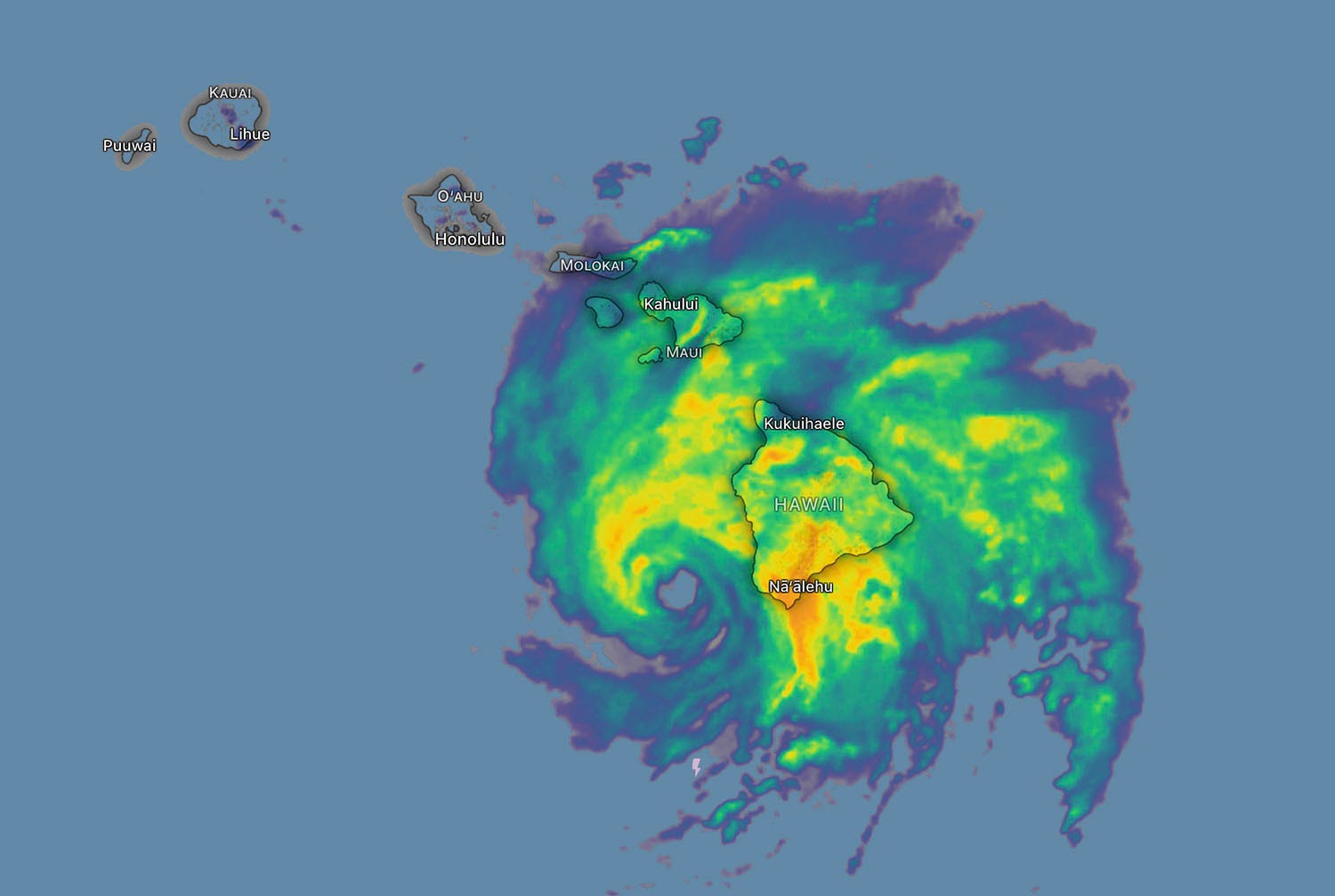
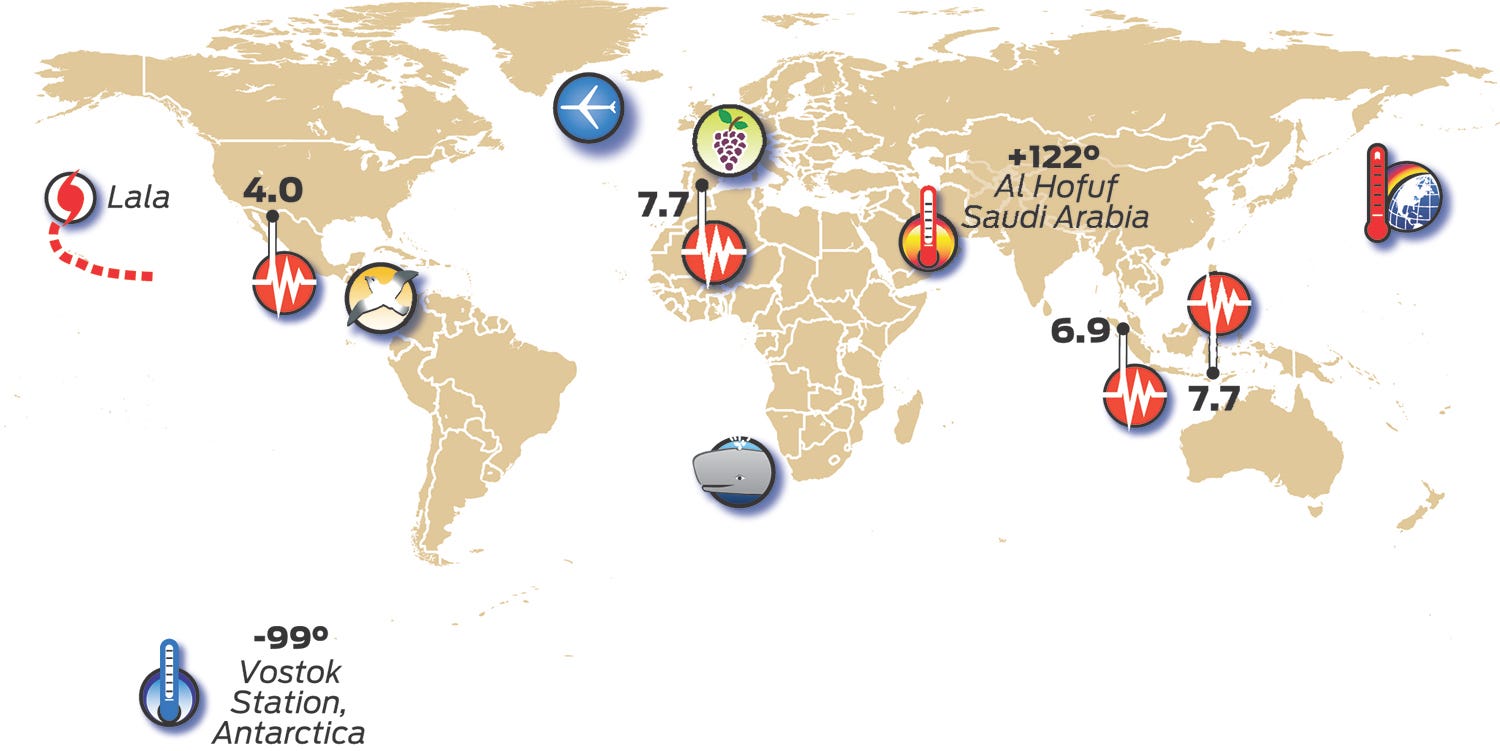
Hurricane Lala swept past Hawaii without making landfall, but torrential rain and powerful winds from its spiraling outer bands caused severe flooding, damaged homes and bridges and left more than 100,000 customers without electricity.
A 90-year-old woman reported missing from her neighborhood in Naalehu, near the southern tip of Hawaii Island, was found dead Monday. Officials said her death appeared to have resulted from the disaster, although police were continuing their investigation.
Lala strengthened into a Category 1 hurricane as it approached the Big Island of Hawaii on Saturday. Its center passed about 30 miles (48 kilometers) south of the island, but hurricane-force gusts and more than 30 inches (76 centimeters) of rain struck some areas.
Floodwaters swept homes from their foundations, uprooted trees and triggered landslides before the storm weakened to a tropical storm Sunday and moved westward.
At least 100 homes and six bridges were damaged or destroyed in the island’s southern Kau district. Sections of a major highway collapsed, temporarily isolating Pahala, where the region’s only hospital is located. Emergency teams used helicopters, drones and high-water vehicles to reach stranded residents and inspect remote communities.
The storm also caused widespread destruction elsewhere in the state. Trees and power lines fell from Honolulu to Hawaii Island, several hospitals relied on backup generators and utility officials warned that electricity might not be restored to some rural communities for weeks. Gov. Josh Green estimated that damage across the state could total hundreds of millions of dollars.
Although Lala had moved away, emergency officials warned residents to remain cautious around unstable buildings, floodwaters, downed power lines and debris.
Lala brought Hawaii some of its most severe tropical cyclone impacts since Category-4 Hurricane Iniki devastated Kauai in 1992.
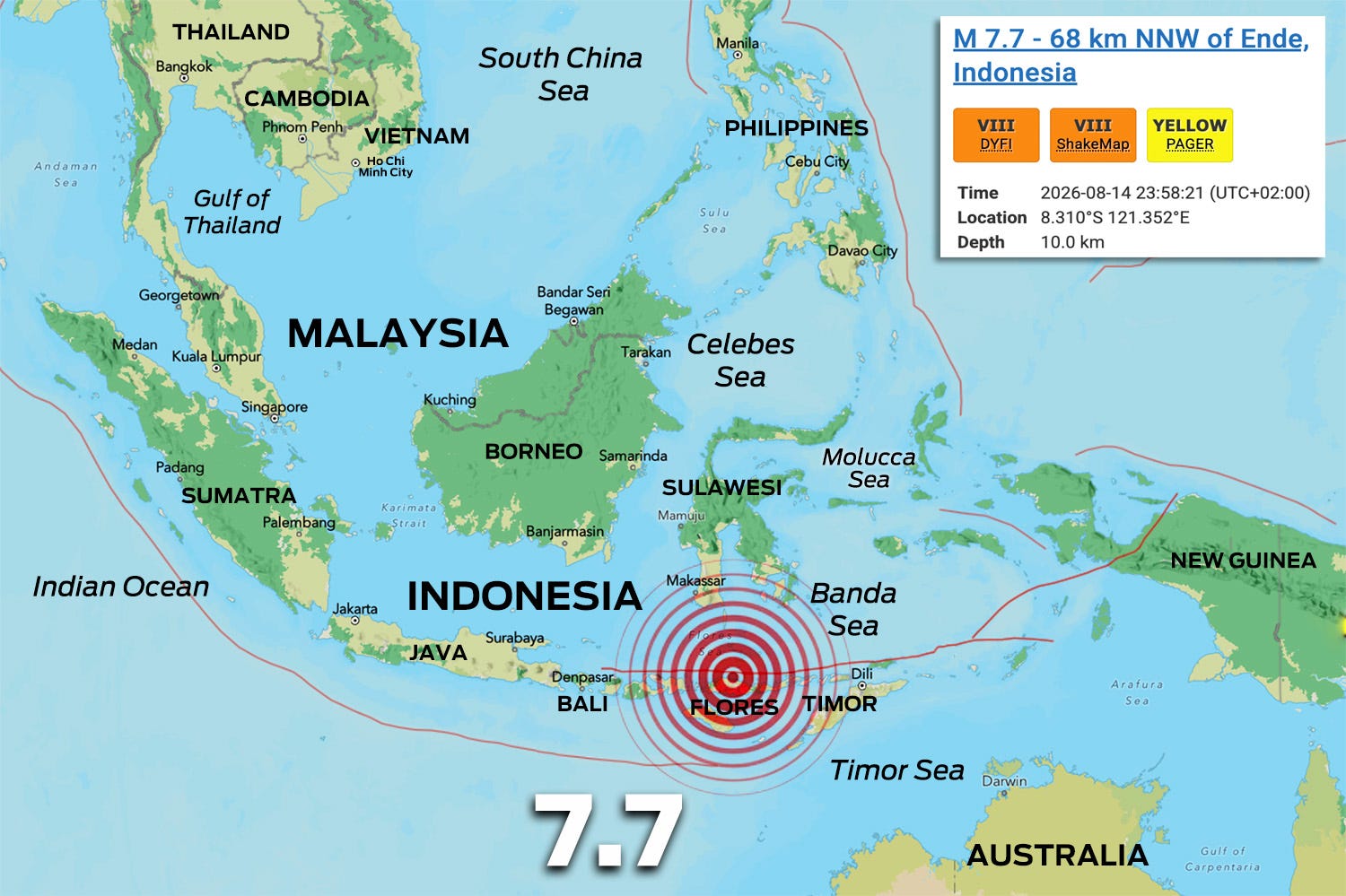
The death toll from the powerful earthquake that struck Indonesia’s Flores Island has risen to at least 73, with nearly 1,200 people injured and more than 40,000 driven from their homes. Rescue and relief teams were still struggling Thursday to reach remote communities cut off by landslides, damaged roads and disrupted communications.
The magnitude 7.7 earthquake struck shortly before 6 a.m. Saturday at a shallow depth of about 6 miles (10 kilometers). The shaking triggered landslides across six districts, destroyed or damaged thousands of buildings and sent residents fleeing after authorities issued a tsunami warning, which was later lifted.
Indonesia’s National Disaster Management Agency said at least 11,925 homes had been damaged. Local authorities also reported damage to 658 schools, 172 health facilities, 187 government offices and 172 places of worship. Thousands of survivors were sheltering in tents, evacuation centers and makeshift camps while awaiting food, clean water, medicine and other supplies.
Strong aftershocks have added to the fear. Many families have refused to sleep inside damaged homes, worried that further shaking could cause weakened buildings to collapse. Aid workers are also providing psychological support to children traumatized by the disaster.
Flores lies within the Pacific “Ring of Fire,” a belt of active faults and volcanoes that makes Indonesia especially vulnerable to earthquakes and eruptions. The island suffered an even deadlier disaster in 1992, when an earthquake and tsunami killed about 2,500 people.

• The hottest temperature recorded this week by the World Meteorological Organization’s 7,600 land-based synoptic weather stations was 122°F (50°C) at Al Hofuf, Saudi Arabia.
• The coldest temperature in an inhabited location was -99°F (-73°C) at the Russia-operated Vostok Station, located in the middle of the East Antarctic Ice Sheet. The station normally hosts 30 scientists and engineers during the summer. The winter staff drops to 15.
©MMXXVI Earth Environment Service
No posts
Comments
Nothing yet. Say the first thing.
Sign in to join the conversation.