
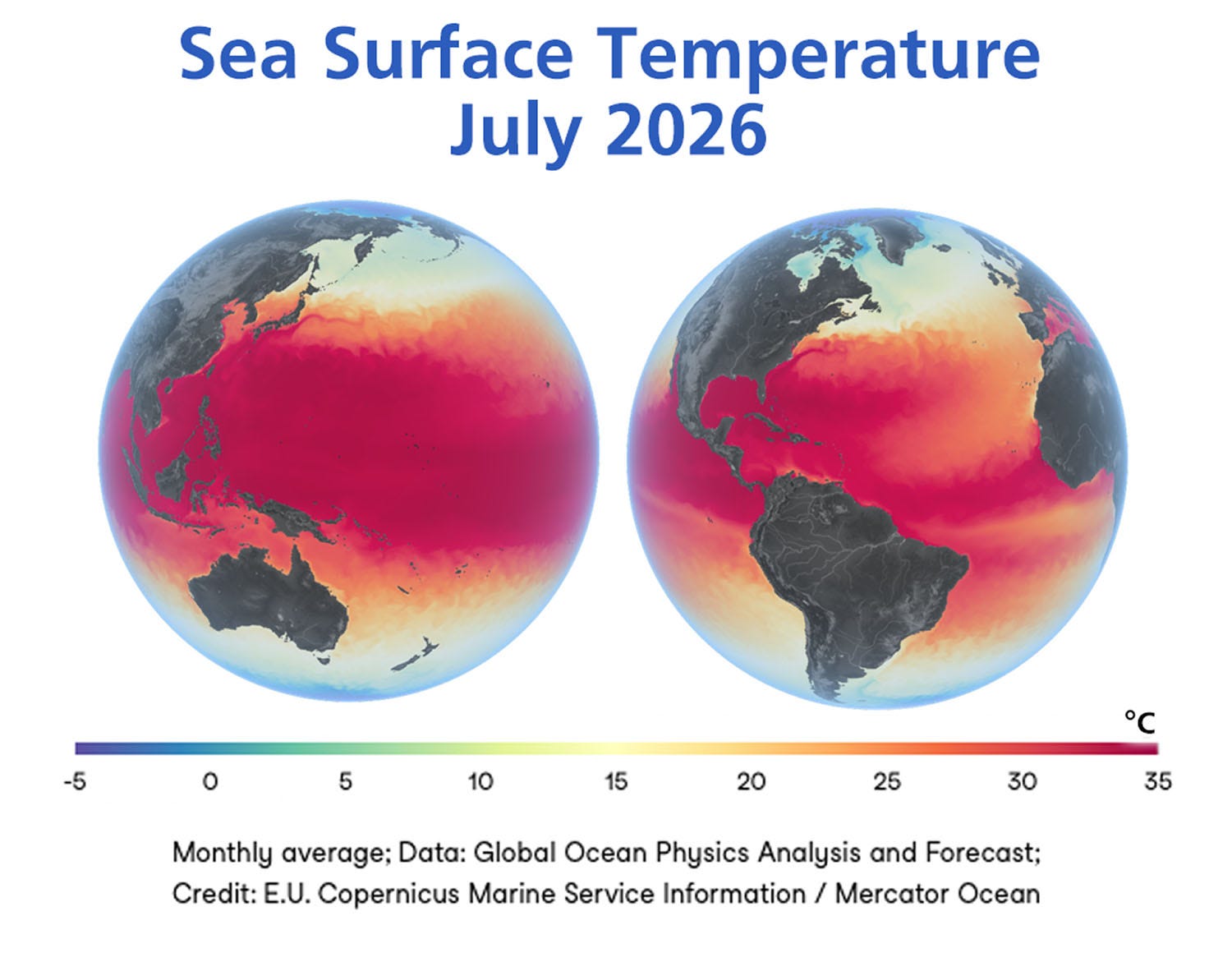
The world’s oceans just experienced their hottest July on record.
Outside the polar regions, the average sea-surface temperature reached 69.7°F (20.96°C), surpassing the previous July high set in 2023. Along Europe’s Atlantic coast and in the western Mediterranean, the water was hot enough to produce widespread marine heatwaves, disrupting marine life and adding to the record heat on adjacent land areas.
It is tempting to see a temperature record at sea as remote—another statistic from a part of the world most of us rarely encounter. But the ocean absorbs most of the extra heat trapped by the greenhouse gases people put into the atmosphere. When that heat accumulates, it doesn’t simply disappear beneath the waves.
Warmer oceans can bleach corals, disrupt fisheries and cause seawater to expand as it warms, raising sea levels. They can also feed more moisture and energy into the atmosphere, helping create conditions for heavier rainfall and stronger storms.
The atmosphere is already reflecting the same broader pattern. Global average air temperature in July tied for the second-warmest July on record, at 2.6°F (1.47°C) above the preindustrial average. Western Europe experienced its hottest June–July period, with average air temperatures 5.0°F (2.79°C) above the 1991–2020 average. July was also the hottest month ever recorded across the contiguous United States, where observations go back to 1895.
A developing El Niño is contributing to this year’s heat. But it is arriving on a planet already warmed by the continued burning of coal, oil and gas, and the subsequent greenhouse gas emissions.
The record in the ocean and the records in the air are not separate events. They are merely different readings from the same overheating world.
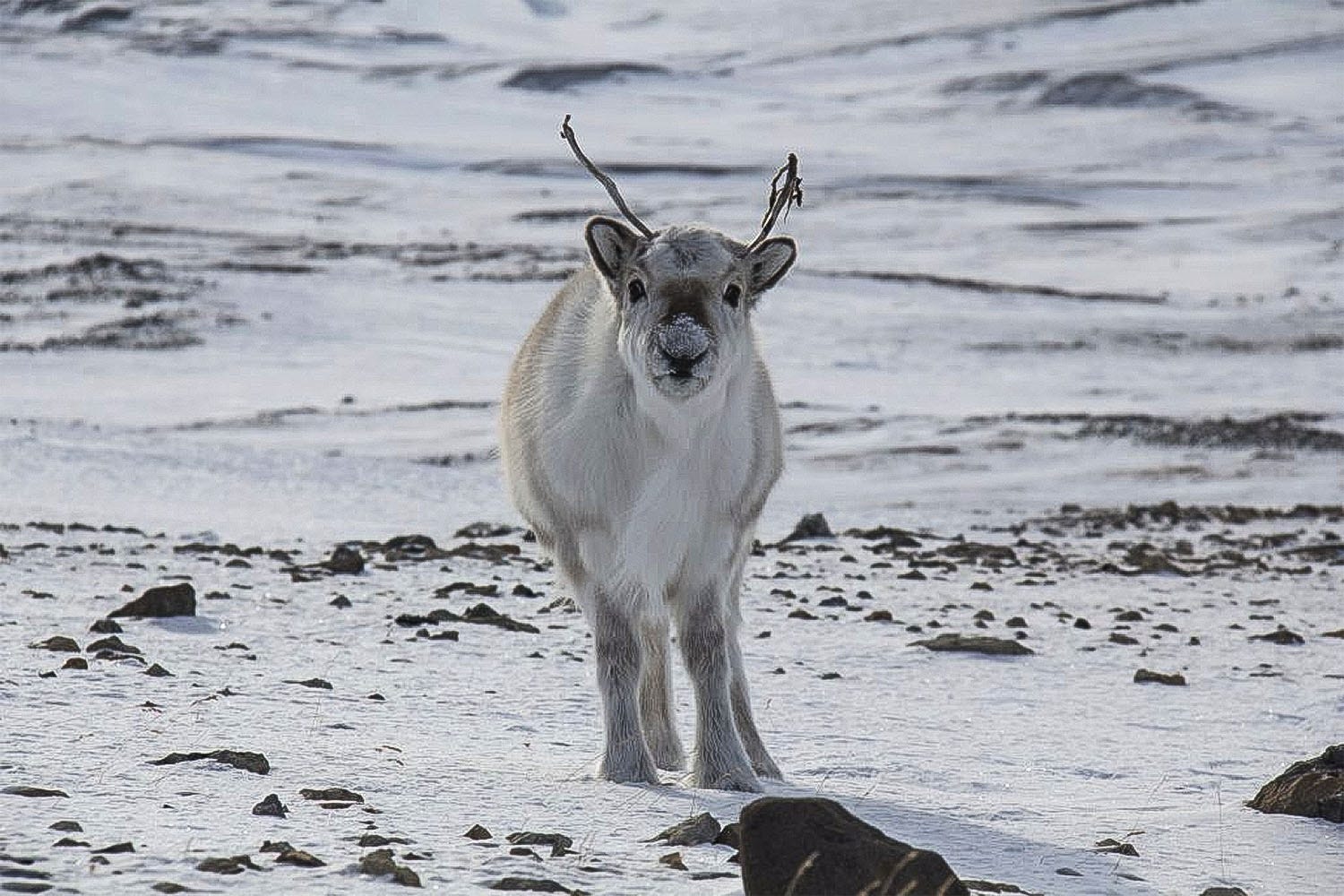
On Svalbard, summer is the season when reindeer are supposed to be doing well.
After the long Arctic winter, the animals use the brief growing season to feed, rebuild energy reserves and raise young. It is not normally a time of widespread death among healthy adults.
That is why Norwegian authorities are closely watching an unsettling discovery: 13 recently dead Svalbard reindeer found in two valleys during annual population counts. Eleven were females of breeding age. Two were adult males.
Researchers say those are precisely the animals least expected to die in summer. In winter, mortality is more often seen among the youngest and oldest reindeer, when deep snow, ice and scarce food can test the limits of survival. These animals were in what officials described as the most vigorous and productive period of their lives.
So far, there is no answer.
Veterinarians examined three recently dead reindeer in July and collected samples, but the cause of death remains unknown. Researchers at the Norwegian Institute for Nature Research say they have no clear indication and no specific hypothesis. The local governor’s office has asked the public to report any additional carcasses.
That uncertainty is the most important part of the story. It would be easy to turn an unusual death event in the Arctic into a quick climate-change parable. But no evidence has yet established why these animals died. The responsible response is to watch, test and wait for the results.
Still, the mystery carries weight because Svalbard is a place where environmental change is never merely theoretical. Its reindeer are a distinct subspecies found nowhere else on Earth. They live in an Arctic landscape shaped by shifting snow, ice, vegetation and weather—conditions that scientists are studying closely as the region warms.
Recent research has found that winter rain and summer warming can alter the tundra plants that form an important part of Svalbard reindeer habitat. That is background, not an explanation for these deaths. The two should not be confused.
For now, the facts are simple: healthy adult reindeer are dying in an unusual season, the number may grow, and scientists do not yet know why.
In the Arctic, where change can arrive gradually and then suddenly, even a small unanswered question deserves close attention.
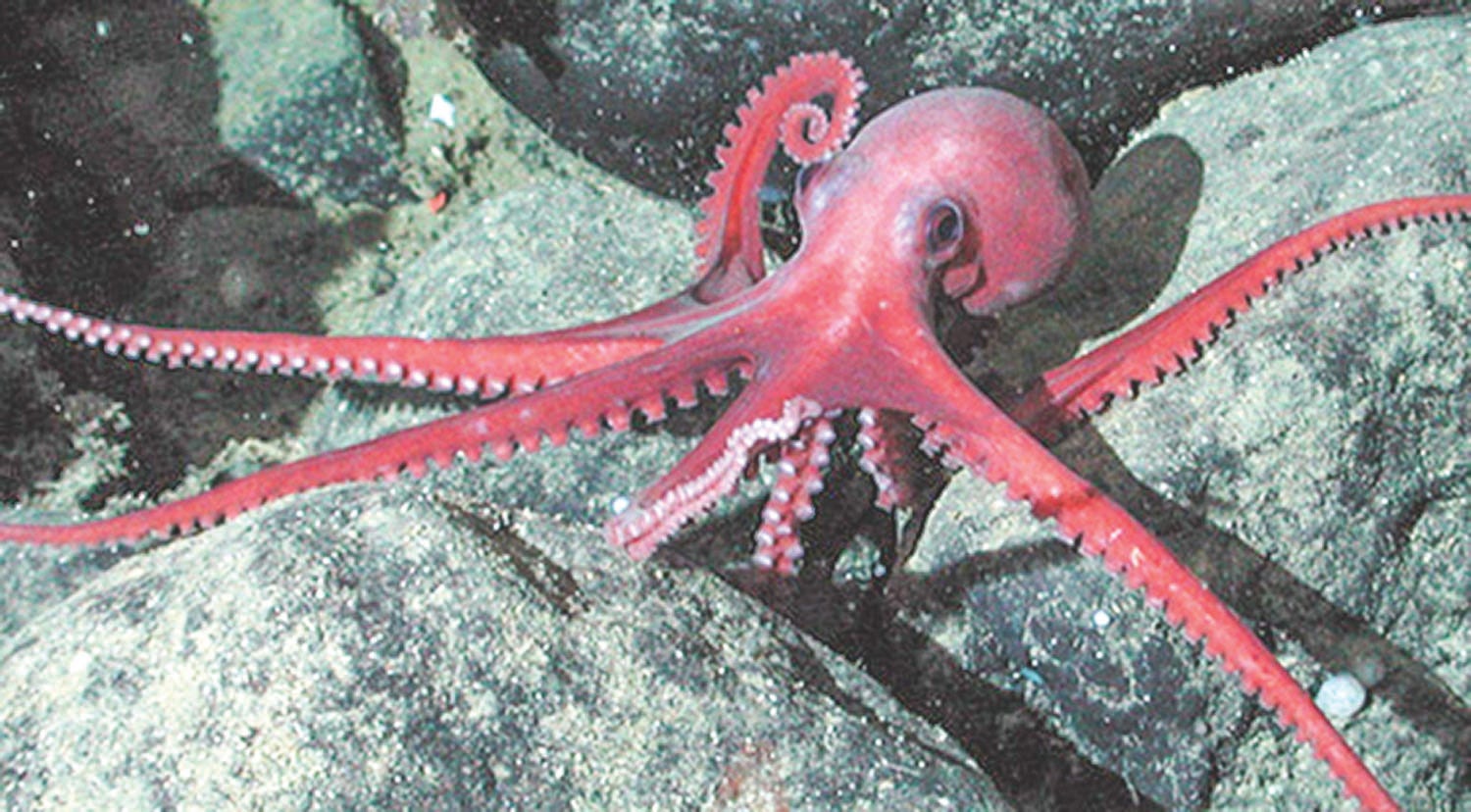
An octopus is not an easy animal to overlook.
It can solve puzzles. It can learn. It can explore unfamiliar places with a curiosity that is hard not to recognize. It has a nervous system unlike our own, spread through a body whose arms can sense and respond to the world with extraordinary independence.
And, according to a major scientific review published this year, there is strong evidence that octopuses are sentient: capable of having experiences that are positive or negative, such as comfort, distress, pleasure and pain.
That is why a plan to raise them by the thousands in industrial tanks provoked such an unusually powerful reaction.
Now, the world’s first proposed commercial octopus farm has been abandoned. Spanish seafood company Nueva Pescanova withdrew its application to build the facility at the port of Las Palmas in Gran Canaria, where it had planned to produce about 3,000 tons of octopus meat each year.
The company says the decision was business-related and regulatory. Environmental authorities required a full impact assessment, altering the project’s scope, timeline and conditions. Nueva Pescanova has not ruled out pursuing other approaches elsewhere.
But the project had become a test case for a larger question: Is there a point at which an animal’s intelligence and capacity to feel make industrial farming ethically indefensible?
Octopuses are generally solitary animals. They need environments that allow exploration, shelter and control over their surroundings. Researchers studying octopus aquaculture have identified serious welfare challenges, including high-density confinement, injury, disease, aggression and the difficulty of providing suitable enrichment.
There are environmental questions, too. Octopuses are carnivores, so farming them at scale would require feed derived largely from other marine animals. Critics ask whether turning wild fish into feed for a luxury seafood product is a sustainable answer to pressure on wild fisheries.
The farm’s supporters argued that aquaculture could provide a reliable supply and reduce pressure on wild octopus populations. That argument deserves to be part of the conversation. But it cannot stand alone.
Britain has formally recognized octopuses and other cephalopods as sentient beings in animal-welfare law. The new scientific review reinforces the reason for that recognition: intelligence is not the only issue. Sentience means the animal’s experience matters morally, whether or not that experience resembles our own.
The abandoned project in Spain’s Canary Islands does not settle the debate over eating octopus. It does, however, slow the rush to industrialize another form of life before society has decided what responsibility comes with understanding it better.
For now, the question is not whether humans can learn to farm octopuses. It’s whether we should.
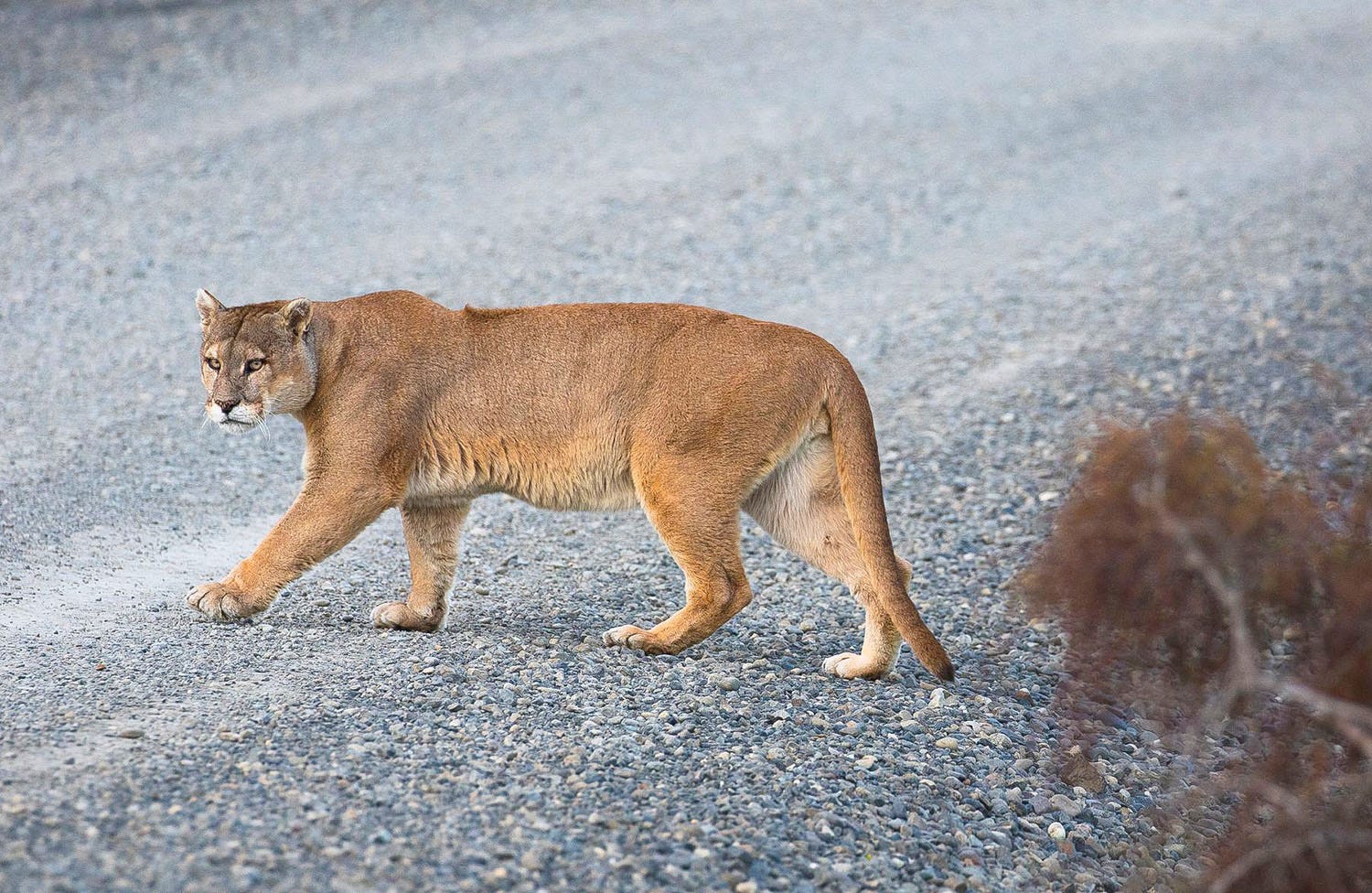
We usually think of roads as a human space and predators as a danger just beyond their edges.
A new study from Washington’s Olympic Peninsula suggests the relationship may be more complicated—and more hopeful. Pumas, also known as mountain lions or cougars, may help make roads safer for drivers.
The animals are not keeping deer off highways by standing guard at the shoulder. Their effect is more subtle. Deer appear to change their behavior when pumas are present: they spend less time near road-dense areas and become more active during daylight rather than at night.
Those changes can matter enormously.
Using camera-trap data and records of vehicle collisions with wildlife, researchers found that deer were 15% less likely to use areas with many roads where pumas were established. They estimated that the likelihood of a deer-vehicle collision was 67% lower in areas of high puma occupancy. Over five years, the expected number of such collisions fell by 76%.
The study does not mean that every place with pumas will see the same result. It is an observational study from one region, and landscapes, roads, deer populations and predator behavior vary widely. But it offers a valuable reminder that predators shape ecosystems in ways that are not always visible.
A deer that senses danger from a puma may choose more remote habitat. It may move at a different time of day. Those decisions are about survival, yet they can ripple outward to affect drivers, insurance claims, emergency responders and the wildlife killed on roadsides.
That does not erase the real challenges of living with large carnivores. Coexistence requires careful planning, safe livestock practices and respect for animals that deserve both distance and protection. But it does complicate the simple idea that predators are only a problem to solve.
Large carnivores can help keep prey populations and behavior in balance. In this case, that balance may extend onto the road.
Wildlife-vehicle collisions remain a significant safety issue in the United States, and federal transportation guidance recognizes deer and other large animals as a major hazard for drivers. The puma study suggests that protecting functioning predator-prey relationships may be one more tool—alongside crossings, fencing and safer road design—for reducing that risk.
The benefit is easy to miss because it happens quietly. A deer changes course. It stays farther from pavement. It moves in daylight instead of darkness. A car passes without incident.
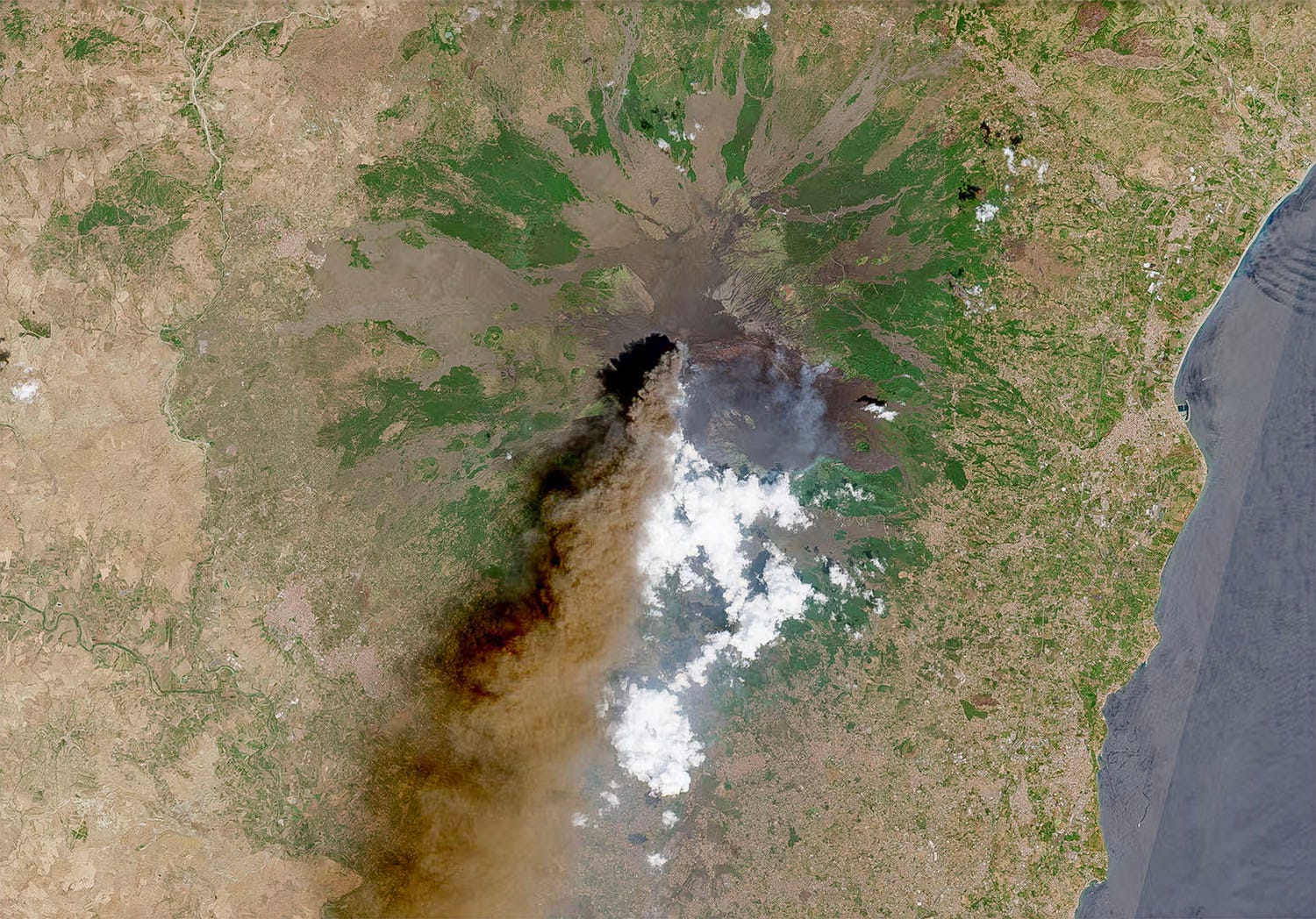
Mount Etna has once again interrupted the rhythms of Sicily.
A renewed eruption sent ash over eastern Sicily, forcing Catania’s Vincenzo Bellini Airport to suspend flight operations and leaving thousands of travelers scrambling during the height of the holiday season. Flights were canceled or diverted, hotel rooms filled, and some passengers reportedly spent the night at the airport.
The disruption came only weeks after another Etna eruption temporarily halted air traffic at Catania. This time, the volcano produced lava fountains, explosions and heavy ash emissions, dusting nearby communities including Ragalna and Adrano.
Etna is Europe’s most active volcano, and its eruptions are part of life on Sicily. Lava flows and ash clouds can be spectacular from a distance, but volcanic ash is a serious aviation hazard: it can reduce visibility, damage aircraft engines and force airports to close with little warning.
For residents, travelers and workers, the lesson is less dramatic than the images suggest. A living volcano does not follow the calendar. Even in the busiest weeks of summer, Sicily’s most famous mountain can suddenly redraw the day’s plans.
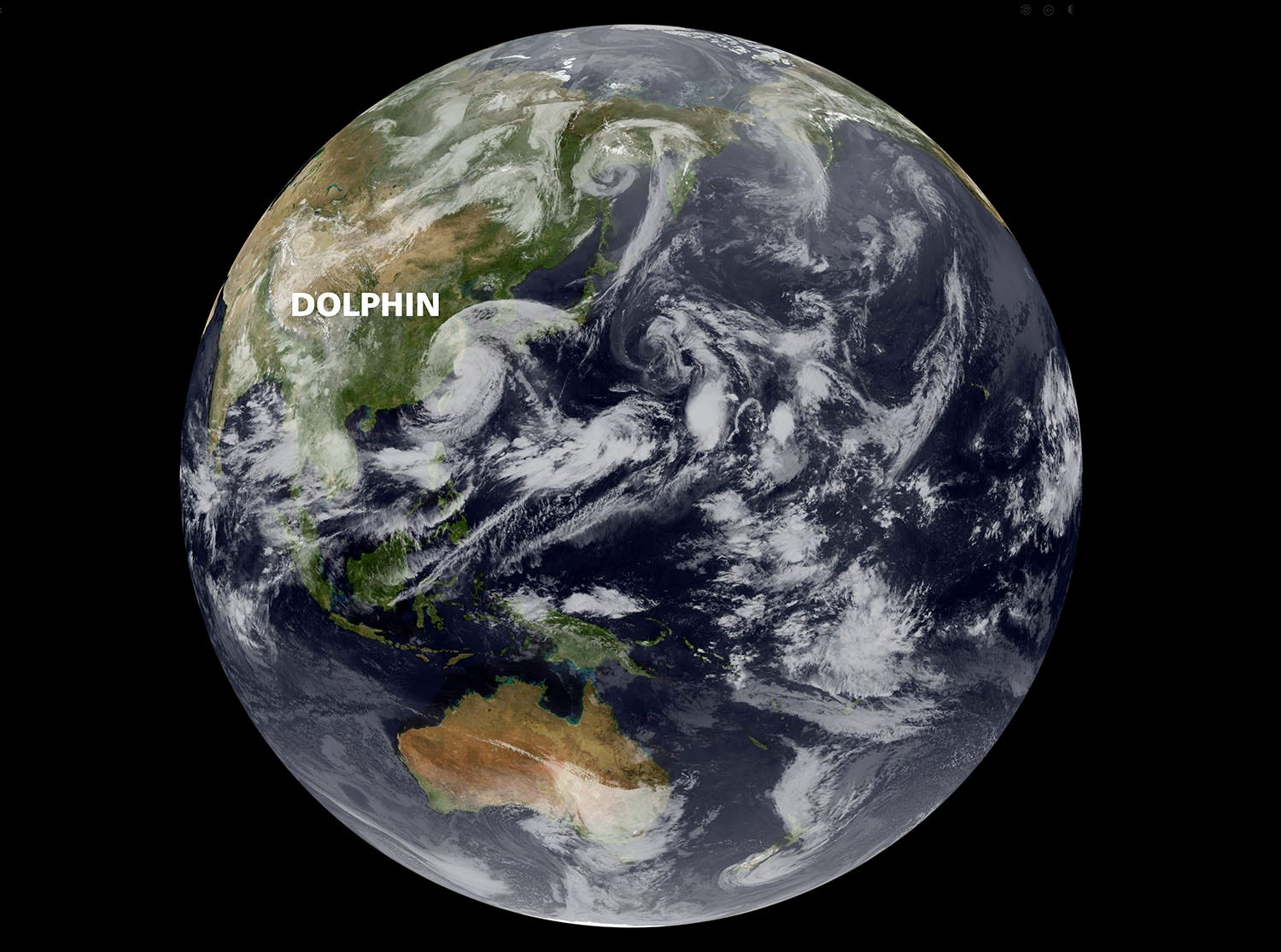
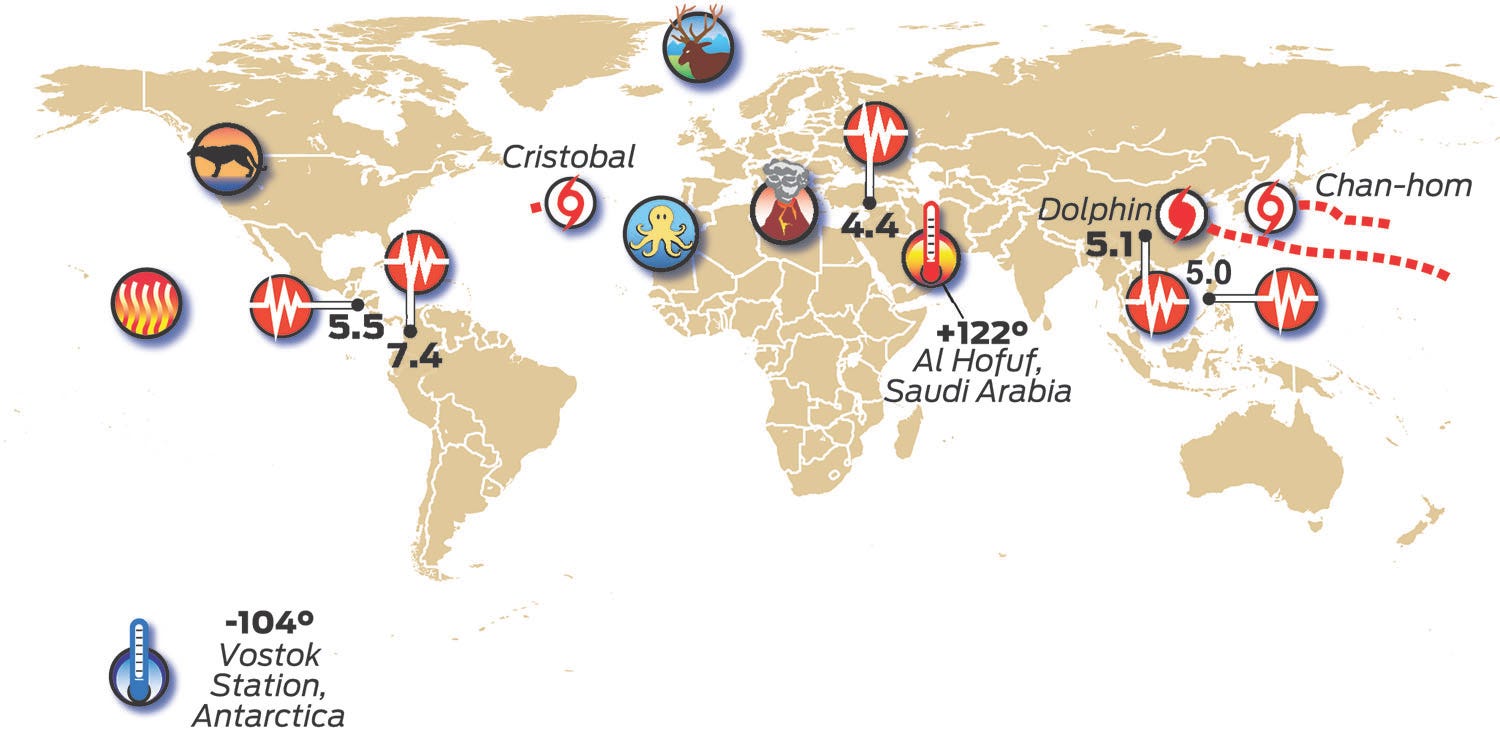
Typhoon Dolphin spent nearly two weeks crossing the Pacific before reaching China’s east coast. By the time it made landfall in Zhejiang province, south of Shanghai, the storm had traveled more than 3,700 miles (6,000 kilometers)—a remarkable journey for a tropical cyclone.
Its winds weakened after landfall, but the danger did not end at the coast.
Dolphin’s broad circulation sent heavy rain across Zhejiang and toward Shanghai, disrupting flights, trains and daily life. Authorities evacuated large numbers of people from vulnerable coastal areas, while Shanghai’s airports canceled hundreds of flights as streets flooded and transportation services were suspended.
Then the storm moved inland.
In Hubei province, more than 600 miles (1,000 kilometers) from the coast, officials closed tourist areas and halted high-risk construction projects as forecasters warned of flooding and landslides. The storm’s moisture was expected to be forced upward by the region’s mountains, increasing the risk of intense rainfall. Neighboring Henan also issued flash-flood alerts.
That is one of the difficult truths about a large tropical system: landfall is not necessarily its final act. A storm can lose its strongest winds yet continue to carry enormous amounts of water, spreading risk far from the shore where it first arrives.
Climate change raises that risk. As the atmosphere warms, it can hold more water vapor—roughly 4% more for every 1°F (0.6°C) of warming. That does not mean climate change caused Typhoon Dolphin. But it does mean that storms moving through a warmer atmosphere have greater potential to deliver heavier rainfall, worsening inland flooding and landslides.
Dolphin’s path—from the far Pacific to the mountains of central China—was a reminder that a typhoon’s reach is measured not only by wind speed, but also by how long it lasts, how far it travels and how much water it leaves behind.
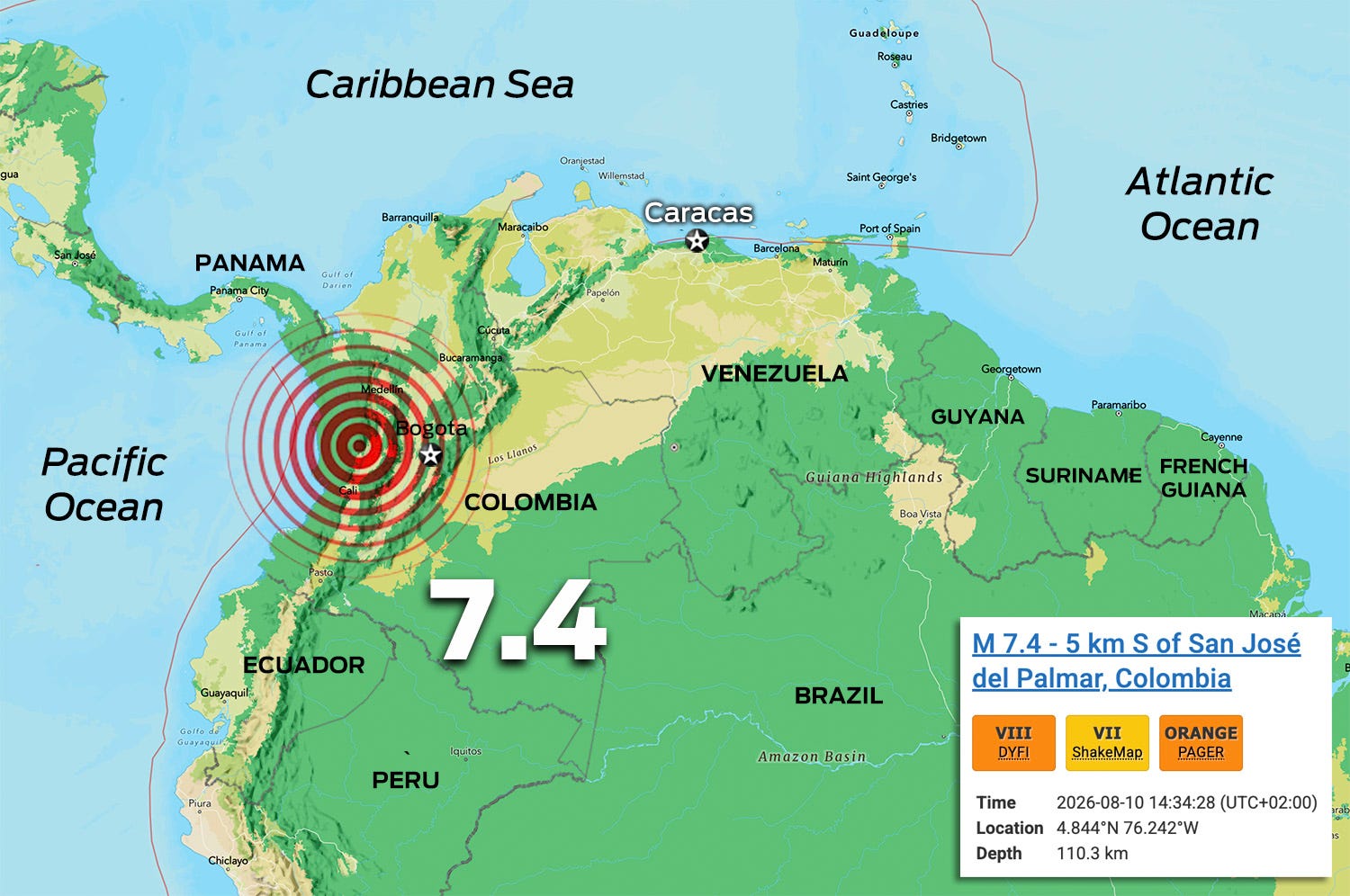
A magnitude 7.4 earthquake devastated a broad swath of western Colombia, killing at least 281 people and injuring more than 3,900.
Another 379 people remained missing four days after the temblor struck near San José del Palmar in Chocó department. Nearly 10,600 homes were destroyed and more than 65,800 damaged. Buildings collapsed, roads buckled and vehicles were crushed in Cali, Pereira, Manizales, Quibdó and surrounding communities. Thousands of displaced residents sought shelter in schools, sports arenas and public parks.
At least 348 people had been rescued, although officials warned Thursday night that the chances of finding more survivors were dwindling. Search crews called for silence as they listened for signs of life beneath flattened buildings.
The quake originated about 64 miles (103 kilometers) beneath the surface within the Nazca tectonic plate. It was felt in the Colombian capital of Bogotá and in neighboring Ecuador and Panama. More than 160 aftershocks followed, including a magnitude 4.2 temblor near the epicenter.
• The hottest temperature recorded this week by the World Meteorological Organization’s 7,600 land-based synoptic weather stations was 122° Fahrenheit (50° Celsius) at Al Hofuf, Saudi Arabia.
• The coldest temperature in an inhabited location was -104° Fahrenheit (-74° Celsius) at Russia’s Vostok Station, located in the middle of the East Antarctic Ice Sheet. The station normally hosts 30 scientists and engineers during the summer. In winter, their number drops to 15.
©MMXXVI Earth Environment Service
No posts
Comments
Nothing yet. Say the first thing.
Sign in to join the conversation.