
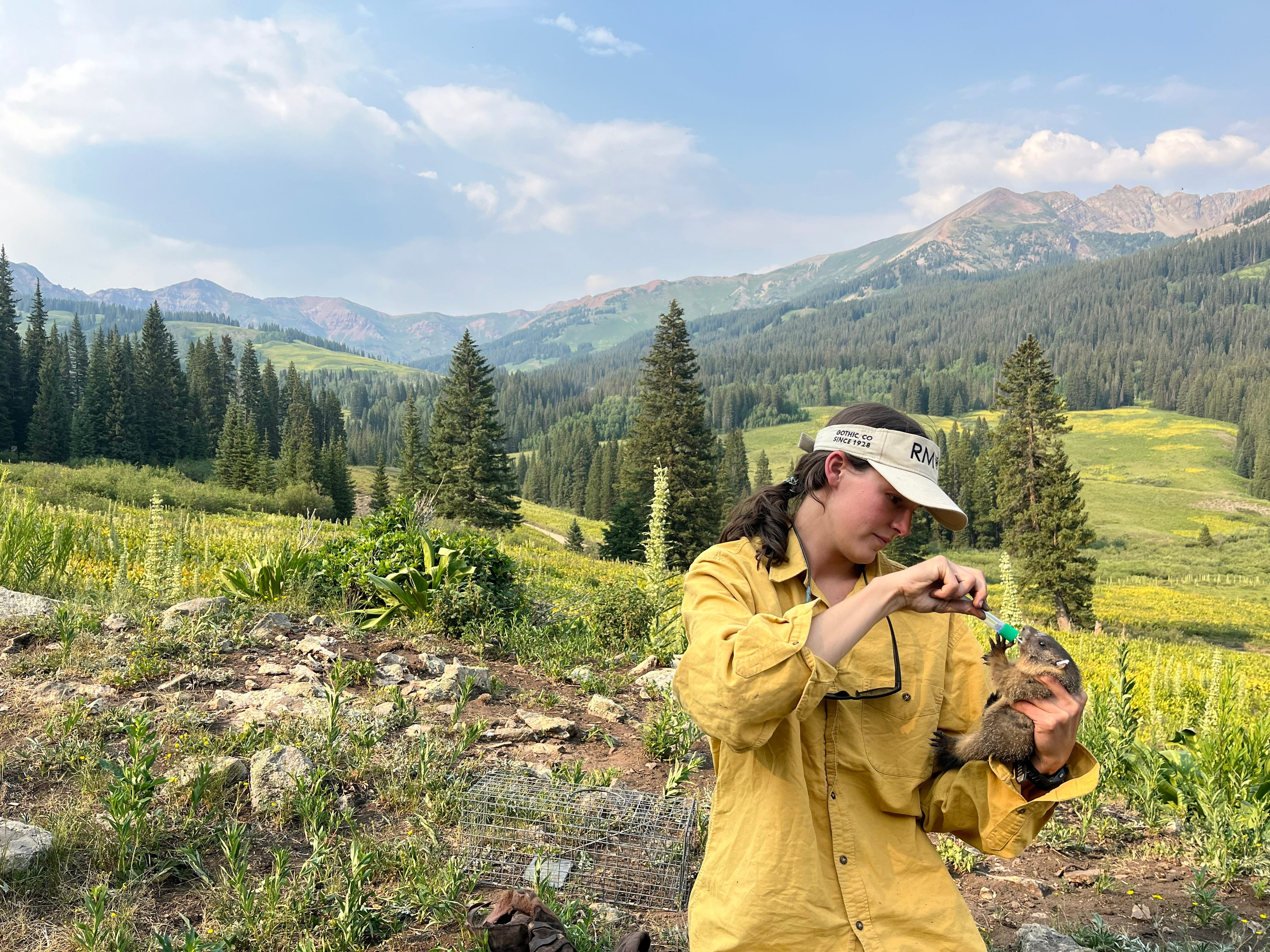
Researchers conducting one of the longest-running mammal studies on the planet have tapped into memecoin gold. To date, the “$OnlyMarms” coin has raised $94,000 for the Marvelous Animals Data Lab in Colorado, which partners with evolutionary biologists at the University of California, Los Angeles, to study yellow-bellied marmots. M.A.D. Lab1 had nothing to do with the coin’s creation and only discovered its new funding source when contacted a few weeks ago to claim the fees generated by trading in the coin.

The virality comes after several news outlets, including The New York Times, reported that UCLA professor Dan Blumstein had started a G-rated OnlyFans account to accept tips for his team’s marmot videos. Though the account doesn’t generate much compared to the memecoin, during our phone conversation, Blumstein was excited to see a $200 tip notification.
“The OnlyFans thing was out of exasperation,” Blumstein said. “For years I was urging UCLA to allow me to accept small donations, and they wouldn’t. Now they are accepting them.”
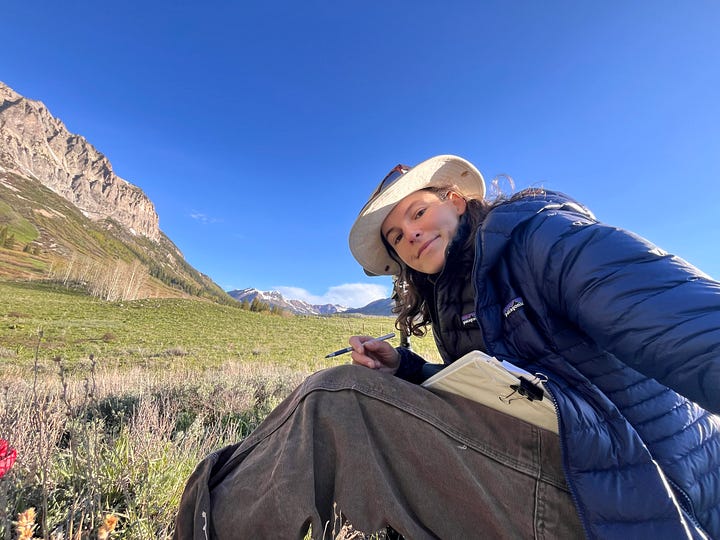
In today’s environment of Washington’s steep funding cuts for science, these are encouraging developments. It’s helped marginally relieve fundraising anxiety for graduate students Katie Adler and Emily Renkey, who spend their summers snowshoeing, skiing, biking, and driving to a Colorado marmot colony at 9,000 feet (2,743 meters) elevation to collect data for the second longest study of individually distinguishable free-living mammals (second only to the study of chimpanzees in Tanzania launched by Jane Goodall). They said the funds could be used in a variety of ways, including helping more undergraduates visit the marmot colonies or reaching more K-8 kids in their classrooms.
“We’re riding the wave and seeing how much we can make,” Adler said. “It’s nice to see our lab is getting some support. The entire time I’ve been in this lab, we’ve had no money, and we’ve been applying to all these small grants. We’re very grateful for the money.”
The memecoin caught them all by surprise, Renkey said. But after so much raised just a few weeks into the coin’s launch, other scientists might want to take note.
“This meme coin world is wild, and there could be a place out there for what other researchers are studying.”
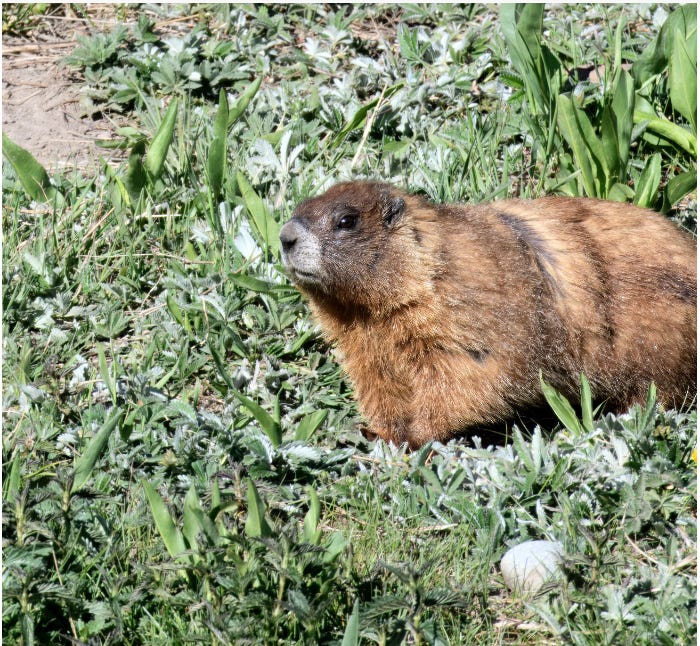
Marmots are not only hot and viral online, in the real world they are quite hot and fat now as they store up weight for hibernating in the winter.
As more fans embrace marmots, to keep the momentum growing, Renkey and Adler are spearheading the inaugural “Fat Marmot Week” at their lab’s Instagram page and website, modeled after the National Park Service’s Fat Bear Week, which celebrates bears along the Brooks River in Alaska.
During Fat Marmot Week, fans can get to know marmots with names like Dan’s Hat, Dawn, and Citroen and vote on who is the fattest. They can “Meet the Marms” and learn about each marmot’s personality.
For instance, Stonehenge, the site explains, is the “Big mama and the queen of the Bench colony matriline. … This gal has no patience for bikers and will let you know! She once yelled at some bikers 3,000 times in a single hour. That's 50 calls per minute!”
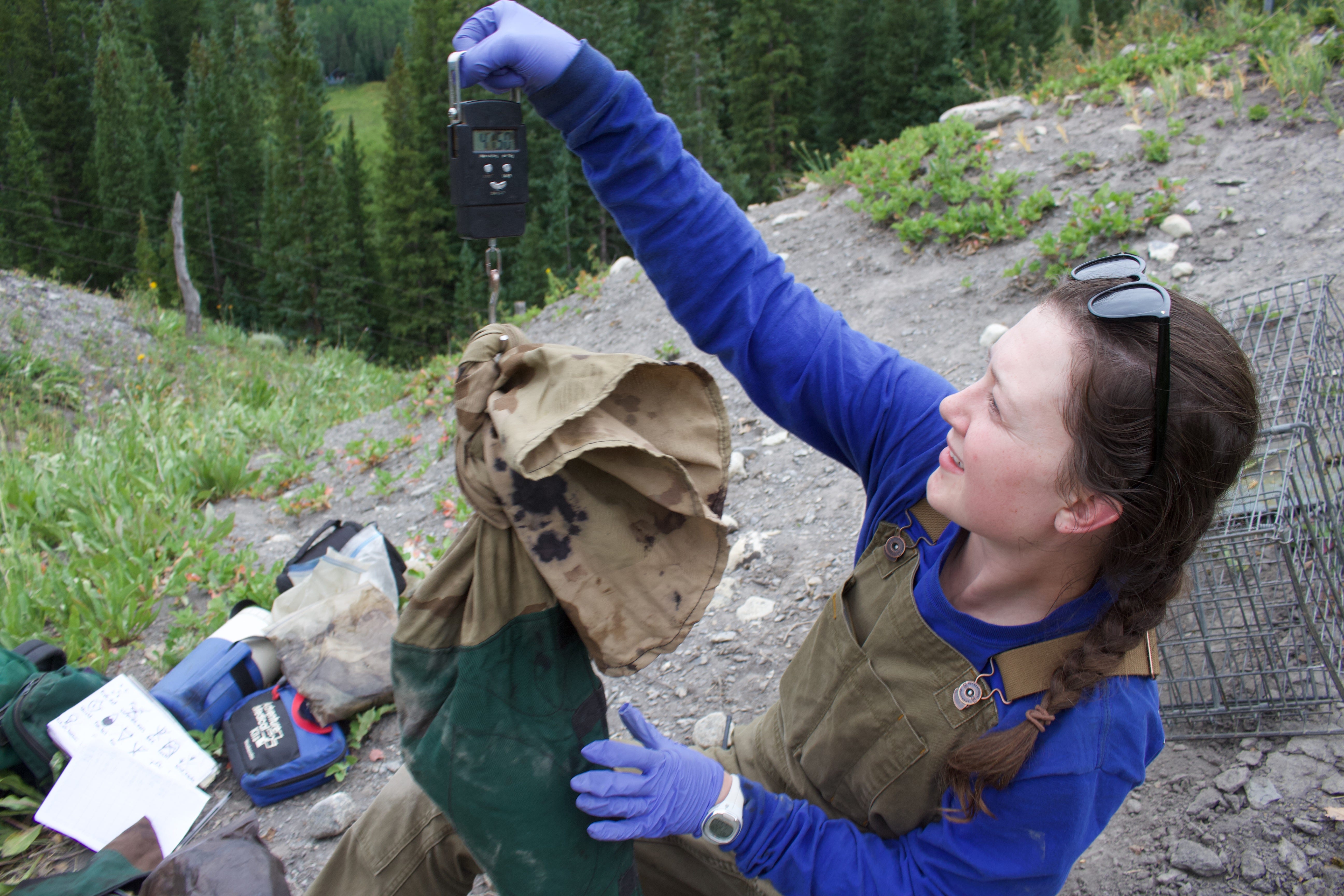
As opposed to bears, marmots are true hibernators. One reason researchers are so interested in marmots is their incredible ability to reach torpor for 8 months out of the year, when their core body temperature plummets to 39 degrees F (4 C).
“Bears can’t get that cold,” Blumstein said. “Marmots shut off everything. Holding a hibernating marmot is a really weird experience. You hold this furry ball that feels like a cold rock.”
When they hibernate, marmots only lose about a gram of weight per day. They’re valuable research subjects because they could help answer many pressing questions about human aging and health.
“How can they become obese without becoming sick?” he said. “As an aging male, I’m interested in that question. We also use the marmots as a model system to understand all sorts of things in life. We are thinking about early childhood adversity and animal welfare in the wild.”
Marmots can double their weight over the summer. All the fat can be hot. To cool off, marmots spread their bodies flat across rocks or cool earth in an activity called “splooting,” otherwise known as “doing the rug.”
As I do during all my interviews for Earth Hope, I asked Adler and Renkey what brings them hope. Turns out many people do care about science and wildlife conservation, and that’s given them much encouragement.
Katie Adler: “The community support that we’ve gotten for our work and marmots in general has been inspiring. We’re getting support from people who we never thought were interested in marmots. The people who made the memecoin didn’t necessarily have to give us the fees. That was very kind. The number of messages we’ve got. Getting those messages has been very heartwarming. In the past, I’ve seen a lot of apathy, especially for animals that aren’t endangered. We aren’t studying something that is critically endangered, but they are very important.”
Emily Renkey: “I definitely have hope in the human capacity for curiosity and understanding. That was prior to this happening, but it’s been heartwarming to see that the general public cares about marmots. I spend a lot of time justifying that animals have emotions. The baseline of my work assumes they do. I have a lot of hopeful conversations with people because of that. People care about wildlife, and they care about their conservation but also their quality of life, and that’s something very inspiring to me.”
Blumstein’s frustration with lack of funding is how the marmot craze started. He’d watched a TV show about a young mother who turned to OnlyFans for extra cash and thought maybe his marmots could do the same. Long-term data generated by studies like his are the only way to understand how ecosystems and animals change and adapt over time, one of the most important questions scientists are asking in a world undergoing climate change.
“It’s not a good time to be doing science. The expected cuts to NIH research and cuts to university research have made the university poor, and we aren’t as able to bring in as many graduate students, to keep the continuity alive. Our department lost a third of our TAships [teaching assistants].”
His persistence has opened several ways to generate money for marmot research.
“What brings me hope? The generous people donating to this, learning about marmots, and the students, both graduate and undergraduate, the marmoteers out helping gather the data, trap, mark them, collect samples from them, spending a lot of time observing them.
“People give me hope.”

Not interested in porn-related sites and memecoins? Marmot fans can donate directly to UCLA’s marmot research here:
Give to the UCLA Marmot Research Fund
Gratuitous baby marmot wrestling porn, public domain video:
Check out our news feed of hopeful headlines at Hope Scroll:
Earth Hope is a solutions-based journalism project that highlights environmental success stories to inspire action. I’m Amanda Royal, a former newspaper reporter and current eco-news junkie. Read more about this project and what inspired it. I aggregate news under my “hopeful headlines,” conduct original reporting and interviews, and share occasional personal narratives. Visit earthhope.substack.com for more stories. To understand why I write about hope, please read “As I went down in the river to pray …”

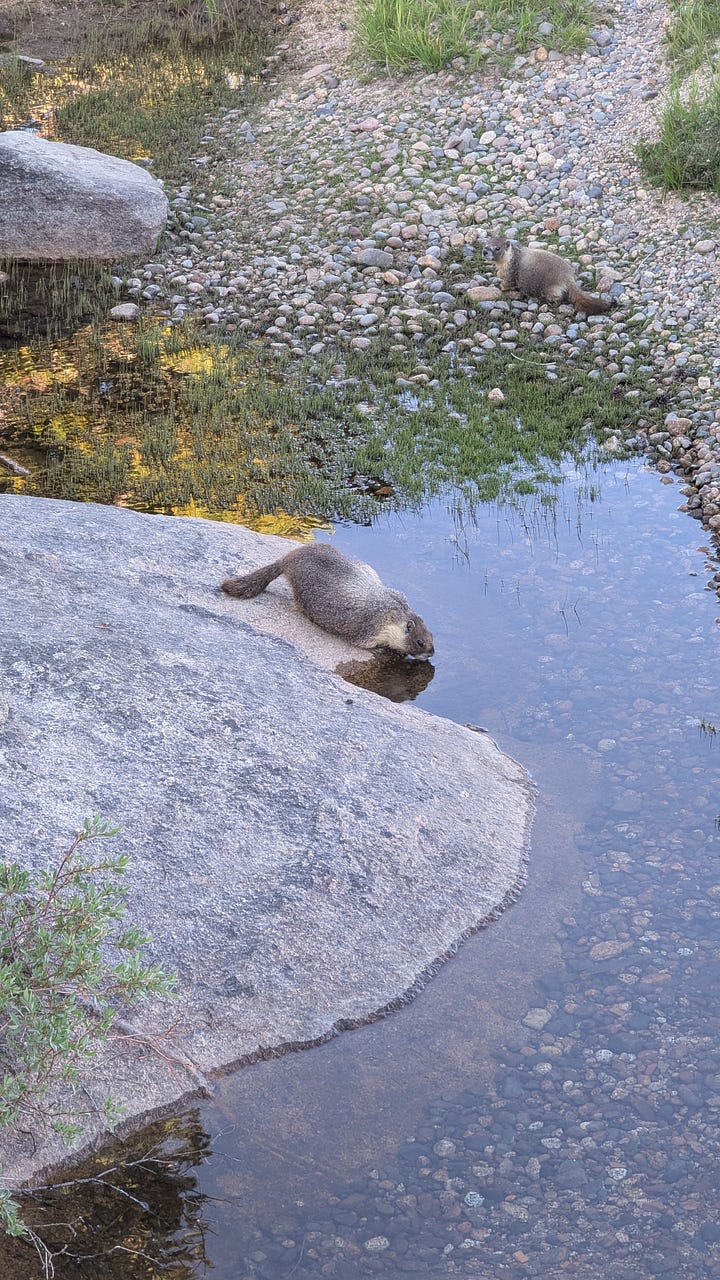
The marmot project is conducted at Rocky Mountain Biological Laboratory and is co-run by Dan Blumstein (Blumstein Lab) and Julien Martin (MAD Lab).
Comments
Nothing yet. Say the first thing.
Sign in to join the conversation.