
Pollution that causes global heating is driving environmental change, dislocation of major climate patterns, and increasing levels of cost and risk, around the world. Local communities, including remote villages and large metropolitan areas, are experiencing costly impacts that outpace their ability to repair and prepare. The ongoing Triple Planetary Crisis means standard operating procedure is no longer viable, in many areas of human activity. Wildfires are displacing hundreds of thousands, if not millions, of people per year; agricultural landscapes are losing their background ecology, which is necessary for optimal enduring production; energy systems are overstressed by data centers that do not produce everyday value for most people, while food becomes less affordable in all regions. The engineering of a better economy—one that works for all people and for Nature—is our most consistent, overarching, shared challenge. Community-level innovation can reduce risk, advance sustainable human development, and infuse new insights and resources into the wider problem-solving effort. This month, we highlight ways communities can innovate to improve their chances in this race for a livable future.
As big as the climate, Nature, and sustainability challenge is, we know a lot about what is needed, and how to fit the puzzle pieces together. The magic formula starts with recognizing that the 17 Sustainable Development Goals adopted by the United Nations General Assembly in 2015 are a common-sense roadmap to functioning societies that intelligently meet the needs of human and planetary health.
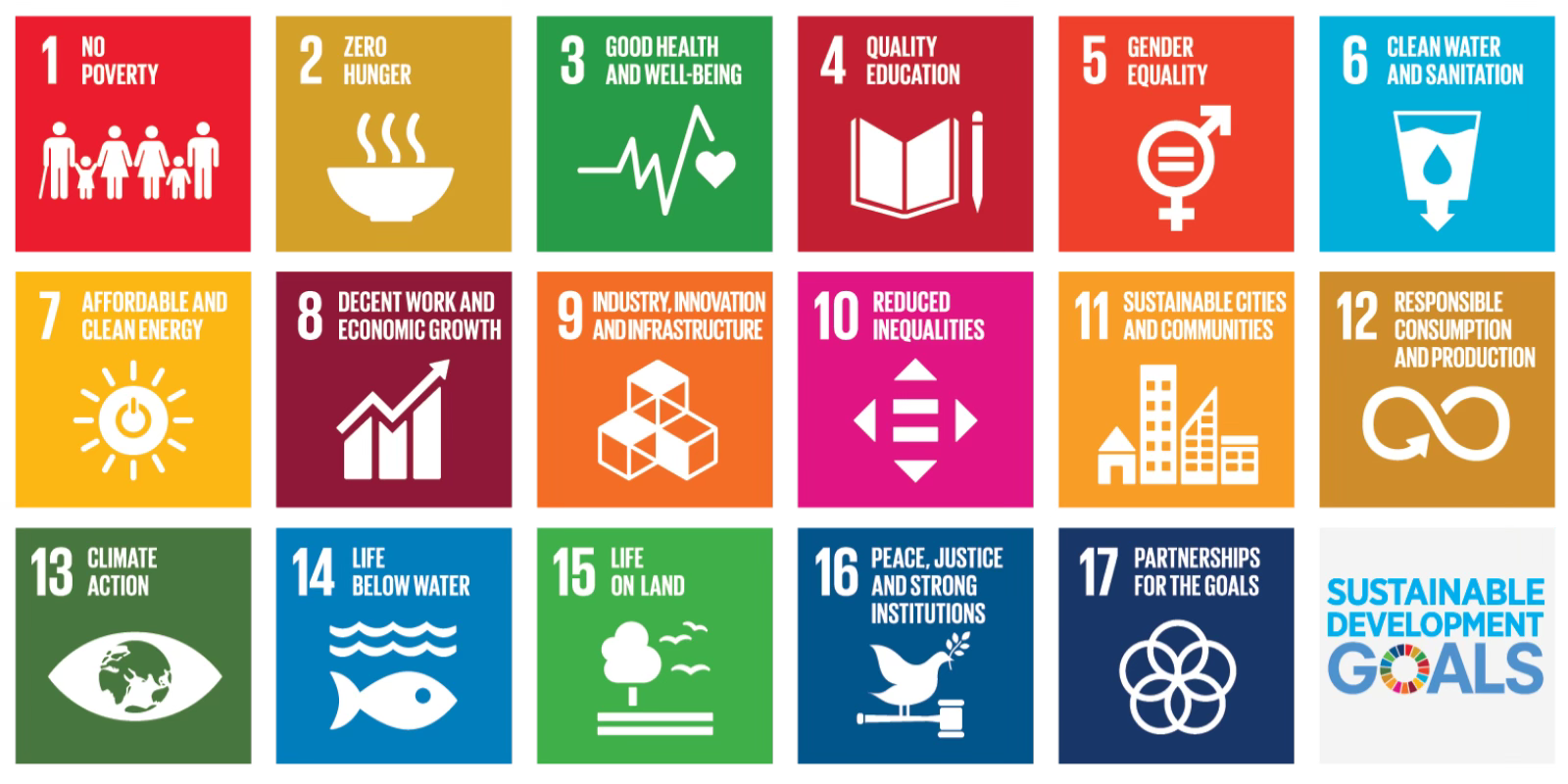
Any community, region, or nation, that makes real and deliberate progress on most or all of the SDGs will have better quality of life, more efficient investment flows, enhanced access to capital, and more sustainable wellbeing and security. The second part of the magic formula is focused investment and action, at the human scale, to reward communities and businesses that advance the SDGs. Advancing one is good; advancing two, or three, or eight, is much better.
Existing food systems are not sustainable. This is true both because of worsening climate disruption and because food systems operating at the scale they do today are creating harm across many dimensions of human security and wellbeing, including: everyday health, nutrition, and life expectancy, availability of fresh water, and the cost of feeding a family and staying afloat economically.

A recent Climate Value Exchange article on food security climate risk (FSCR) and related resilience measures concluded that:
By reducing risk proactively and on the basis of evidence, across multiple dimensions of economic, human, and planetary health, leading localities and value chains can reduce barriers and create attractive environments for new outcome-focused investment. FSCR profiles should include elements of sustainable value chain planning, with cooperative de-risking and innovation incubation as central goals for short, medium, and long-term planning.
Targeted investments that support small and medium-sized soil ecology finance corporations, leveraging regional and national co-investment management agencies, building capacity of field service practitioners, and helping insurers identify and reward resilience-building regenerative practices, can help shift mainstream practice to sustainable standards, and secure future food supplies.
National governments have a duty to eliminate climate costs, including in trade relationships and related business activities, financial arrangements, and everyday outcomes. This is not just an advocate’s view or a wish; this is the law. The International Court of Justice found last year that national governments have a duty, inherent in the foundations of human rights and governmental legitimacy, to reduce the risk that their people will face climate harm and cost.
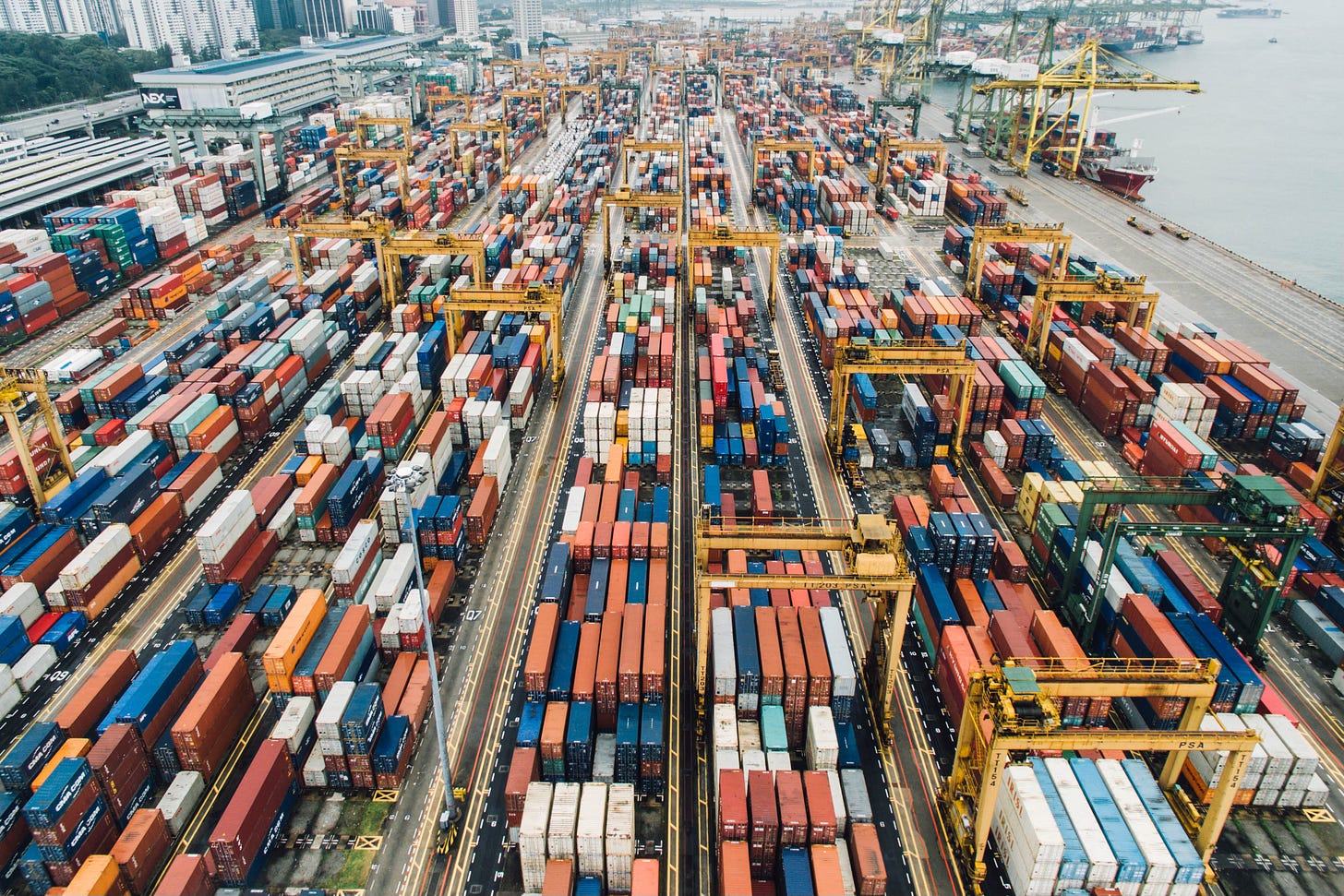
Article 6, paragraph 8 of the Paris Agreement invites all nations to cooperate bilaterally and in groups to drive progress on reducing climate risk, building resilience, eliminating poverty and hunger, and supporting sustainable development. Aligning financial regulations and incentives, measuring the balance of hidden costs and co-benefits, and prioritizing climate-smart trade, are ways to do this.
Nearly all areas of human activity are lacking adequate embedded desision-related insights about the health and stability of Earth system functions, relative to products, services, and living conditions. This creates risks, operational inefficiencies, and costs, that race through whole economies and undermine human security and wellbeing. The quality of life in communities, including affordability, is affected by whether and how effectively Earth system data is used by institutions.

Small and medium-sized enterprises (SMEs) can develop data flow management services, integrating and aggregating, or disaggregating and downscaling data, to provide useful decision insights to everyone in a local economy.
The Resilient Prosperity Forum emerges from the Principles for Reinventing Prosperity and from multistakeholder insight-sharing processes like the Earth Diplomacy Leadership Initiative, the Good Food Finance Network, the Co-Investment Platform for Sustainable Food Security, and the Climate Action and Food Systems Alliance. The Forum will connect these coalitions in an ongoing series of virtual, hybrid, and in-person meetings, to accelerate insight-sharing about climate-related risk reduction and resilience building, to improve outcomes in local context.
In September, October, and November, the Forum will host a series of virtual discussions to focus attention on:
Information Access and Critical Thinking
The 2026 Reinventing Prosperity Report and Future Scenarios
Innovations in Food Systems Finance and Climate Banking
Policy-focused working sessions can work well with just a few people, depending on the circumstance. You can be the organizer, or work with others to create, curate, host, and report back from local sessions. Consult the Earth Civics Toolkit for more information and for sample meeting agendas and guidance on policy-shaping discussions.

RELATED
Comments
Nothing yet. Say the first thing.
Sign in to join the conversation.