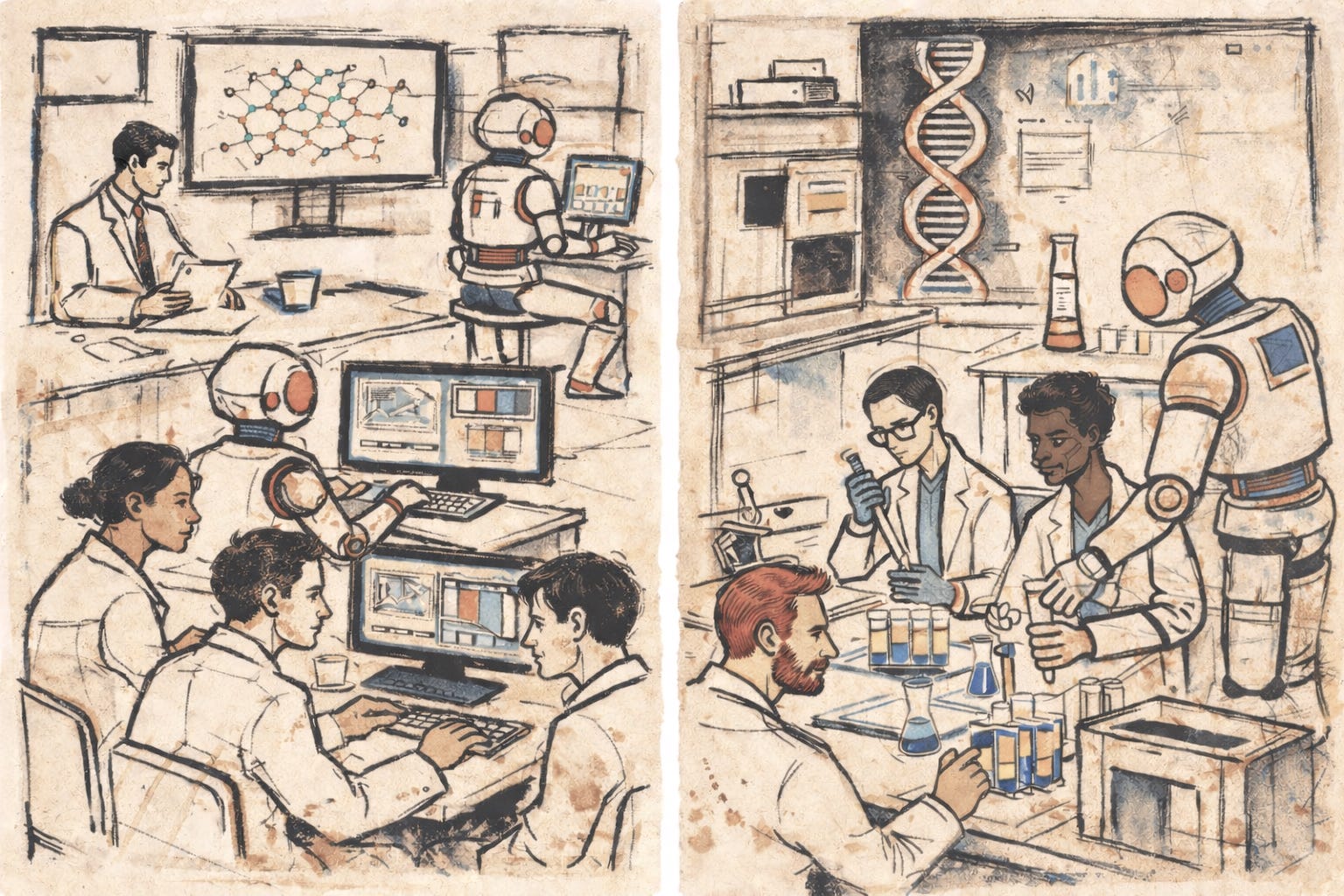
Genetic medicine is about to be transformed by the agent economy
The modular nature of genetic medicine is particularly suitable for agentic work.

Building high-performance genetic technologies that enable genetic agency
Live Last read · last published · next check
The modular nature of genetic medicine is particularly suitable for agentic work.
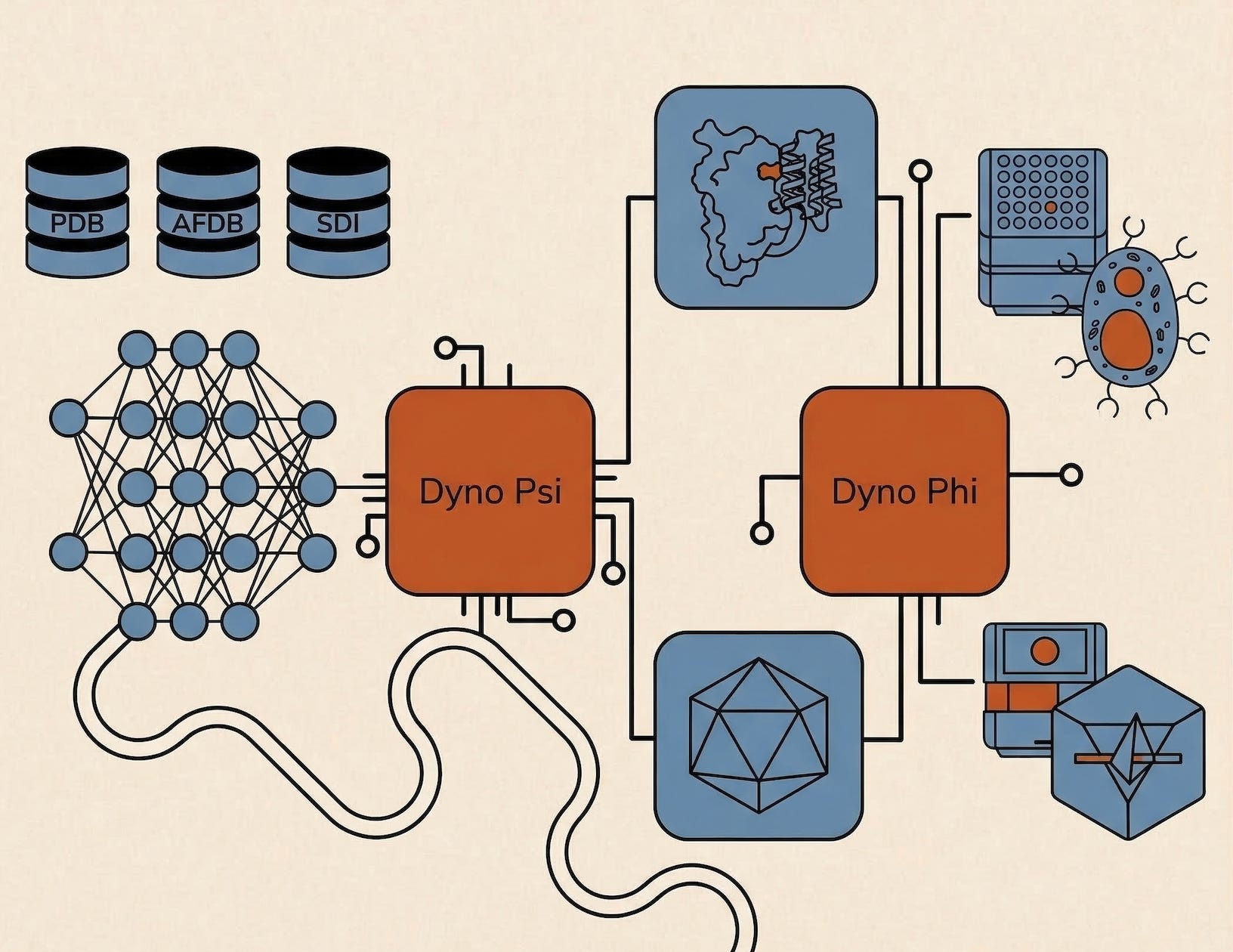
At Dyno, we believe the future of biology will be shaped by AI systems that can reason about sequence, structure, and function at once to ultimately help design therapies with precision in vivo. For a decade, we’ve had a front seat in seeing how our ability to model and test new sequence designs has improved. Biological sequence models have become far more sophisticated since we started working on…
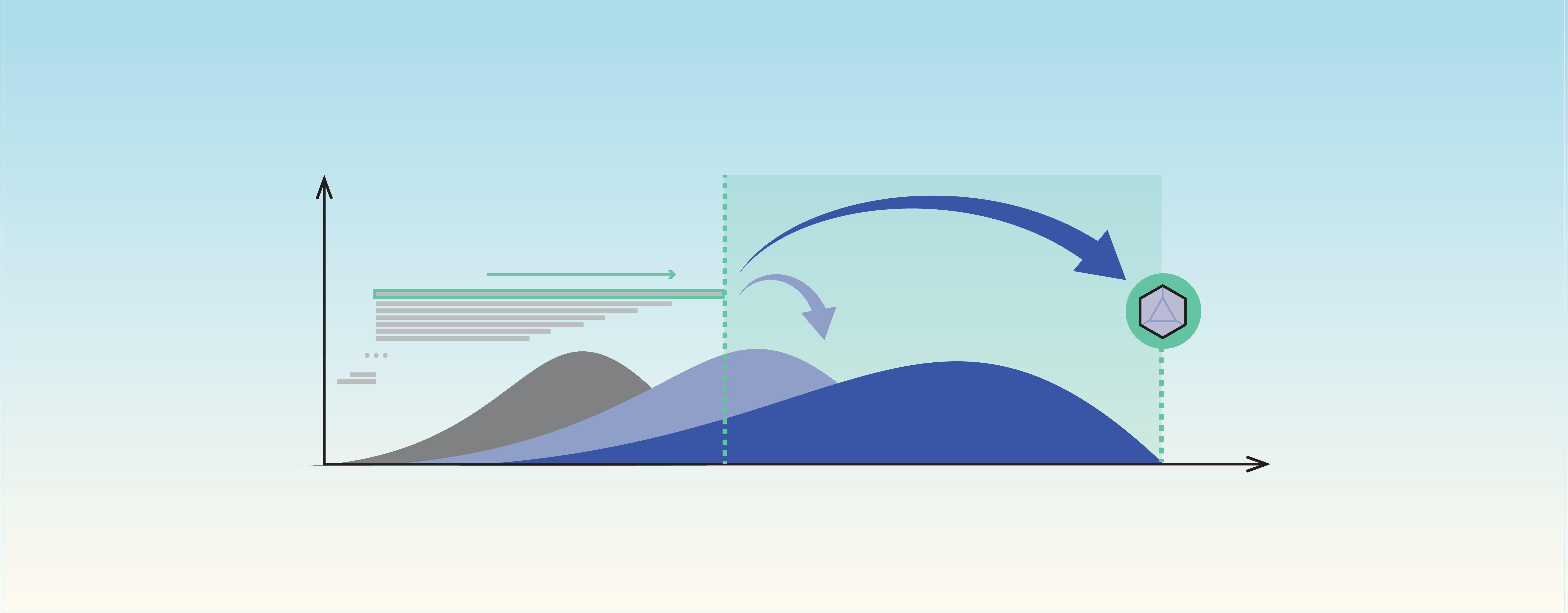
The promise of doing protein design with AI models is to do in one shot on a computer what would take months or even years of trial and error in the lab.
How Dyno’s unconventional partnership success principles cultivate an ecosystem of trust for gene therapy developers
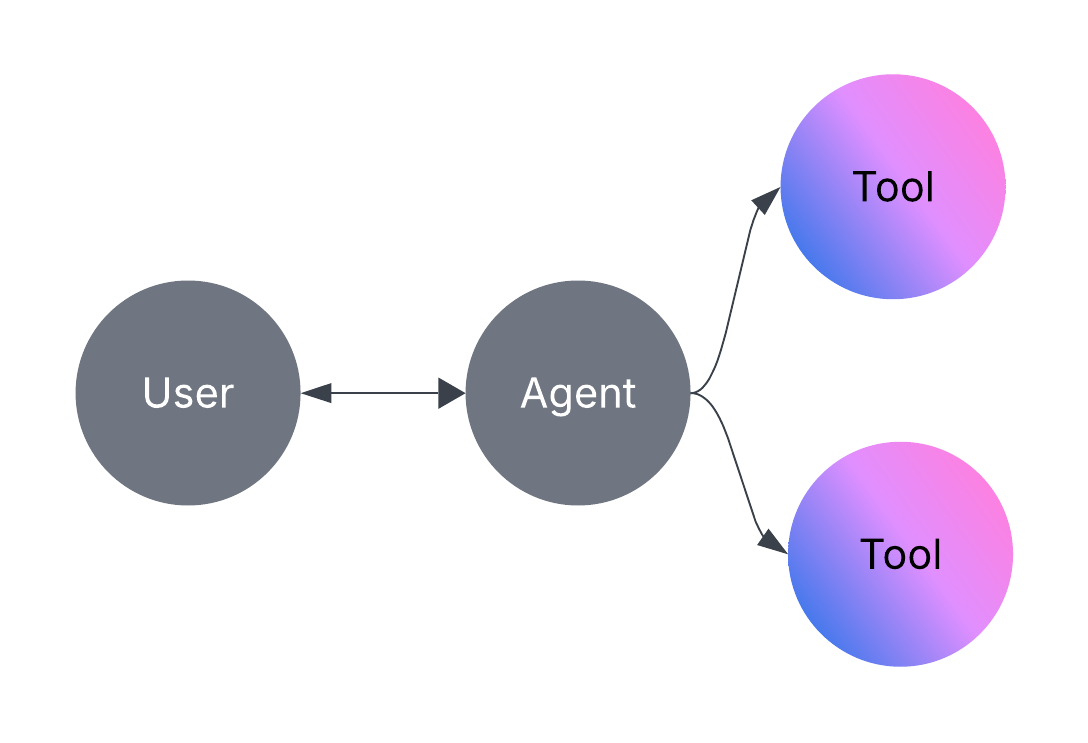
How agentic AI systems, aligned with the goal of curing genetic disease, can accelerate genetic agency
As 2024 comes to a close, I look back at one of Dyno’s most exciting technical developments.
Cloud native tools such as Kubernetes and Argo Workflows are improving productivity, accelerating innovation, and increasing operational efficiency.
Introduction
In two previous posts, we introduced gene therapy, a method for curing genetic diseases by providing healthy copies of defective genes, and Adeno-associated virus (AAV) capsids, the gene therapy delivery system Dyno focuses on.
This is easy to say but impossible to do without innovating on how biotech companies approach work.