The Popularity of "Dopamine Sites" Shows the Emotional Pay-off of Fake Food Orders
South Korea's "dopamine sites" split the emotions of consumption from the financial transactions and show that a lot enjoyment comes from anticipation, not ownership.

Practical tips & psychological insights about tech trends to create healthy media relationships
Live Last read · last published · next check
South Korea's "dopamine sites" split the emotions of consumption from the financial transactions and show that a lot enjoyment comes from anticipation, not ownership.
We failed to prepare kids for social media by focusing on restriction instead of education. Can we do better with AI by giving them the skills they need for a digital world?
High responsibility and stress make constant exposure to crises and fear-based news harder to resist.
U.S. politics teaches kids to handle conflict by fighting dirty, not listening and responding with respect. Those lessons won’t serve them well in their own relationships.
Psychologist John Gottman identified four communication patterns that predict divorce; all are present in U.S. politics today.
Packaging war in meme-driven narratives uses cultural cues to turn combat into entertainment, normalizing violence and influencing how future conflicts are perceived.
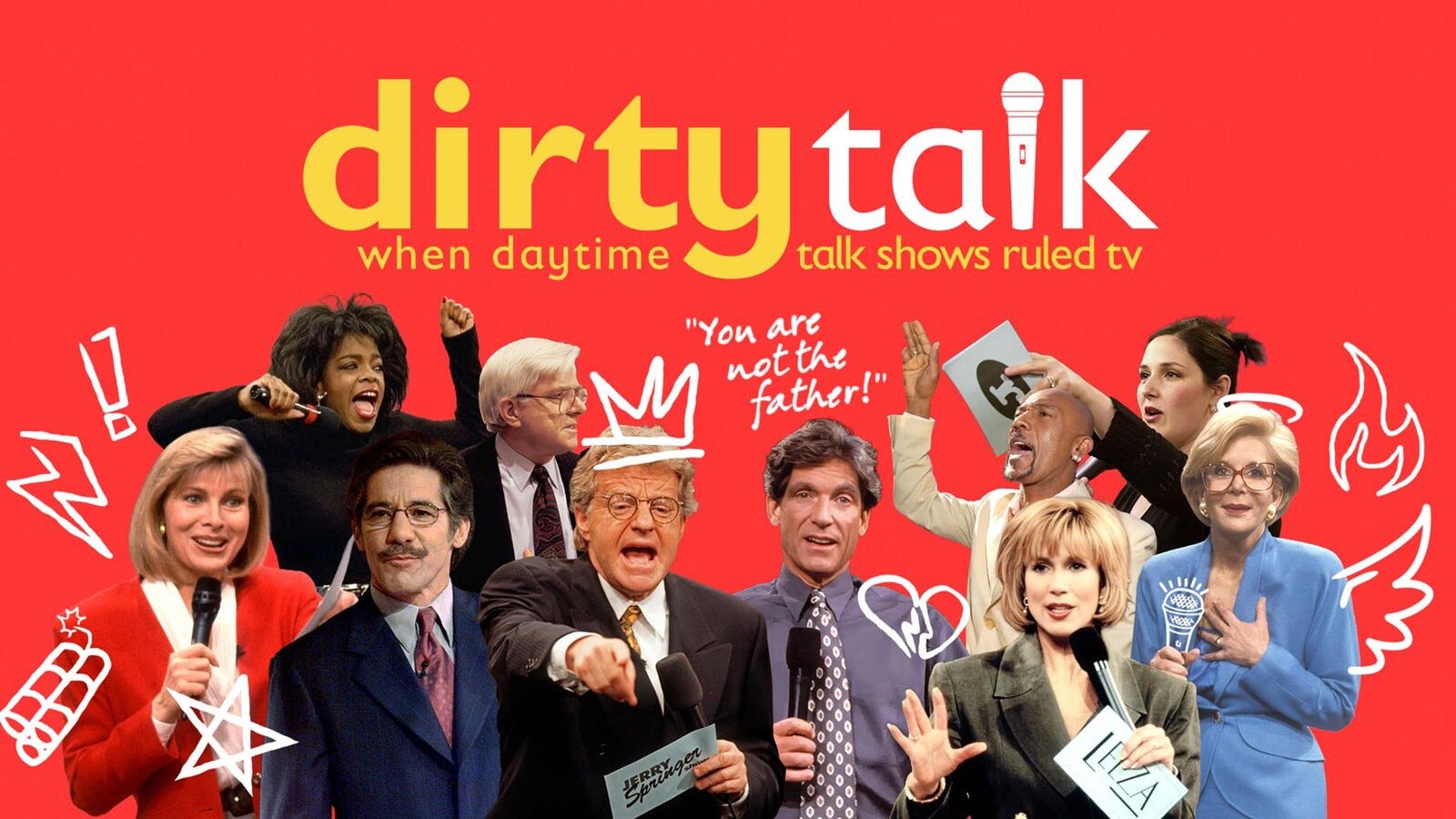
TV talk shows never disappeared. Their conflict, confessions, and emotional manipulation became shareable spectacles on social media.
Oprah Winfrey’s shift away from sensationalism reframed vulnerability and altered how audiences engaged with emotional storytelling.
The psychology behind the rise of 1990s “trash TV” talk shows.
The latest parenting trend on social media says let kids experience the consequences of their actions rather than intervening. Sounds good. Does it work?