
There is a particular kind of guilt that can come with grief that we don’t talk about enough. It’s the fear that the person we lost is still disappointed in us.
Maybe it’s about something that happened before they died. Something you said or didn’t say, the visit you didn’t make, the phone call you didn’t return, the fight you never resolved, or the apology that never came. Maybe it’s all the ways you wish you had loved them better when you still had the chance.
Or maybe it’s about the life you’re living now. You’ve made a decision they might not have understood. You’ve set a boundary with someone in the family. You’ve stopped doing something they always expected of you. You’ve fallen in love again. You’re moving forward in some way, and a little voice inside you asks, What would they think?
I know that voice.
There are things I wish I had done differently with my son Sammy. There are minutes I wish I could have back, moments when he wanted my attention, and I was distracted or busy or just assuming there would always be more time. I can revisit those moments now knowing something I couldn’t possibly have known then: how little time we had.
I have a different version of this with my parents.
I spent much of my life playing a particular role in my family. I was the one who rescued, forgave, fixed, and brought everyone back together. Since losing Sammy, I haven’t been able to keep doing that. Grief changed me and forced me to pay attention to what things were costing me. To recover my own health and wellbeing, I have had to create deep distance in some family relationships.
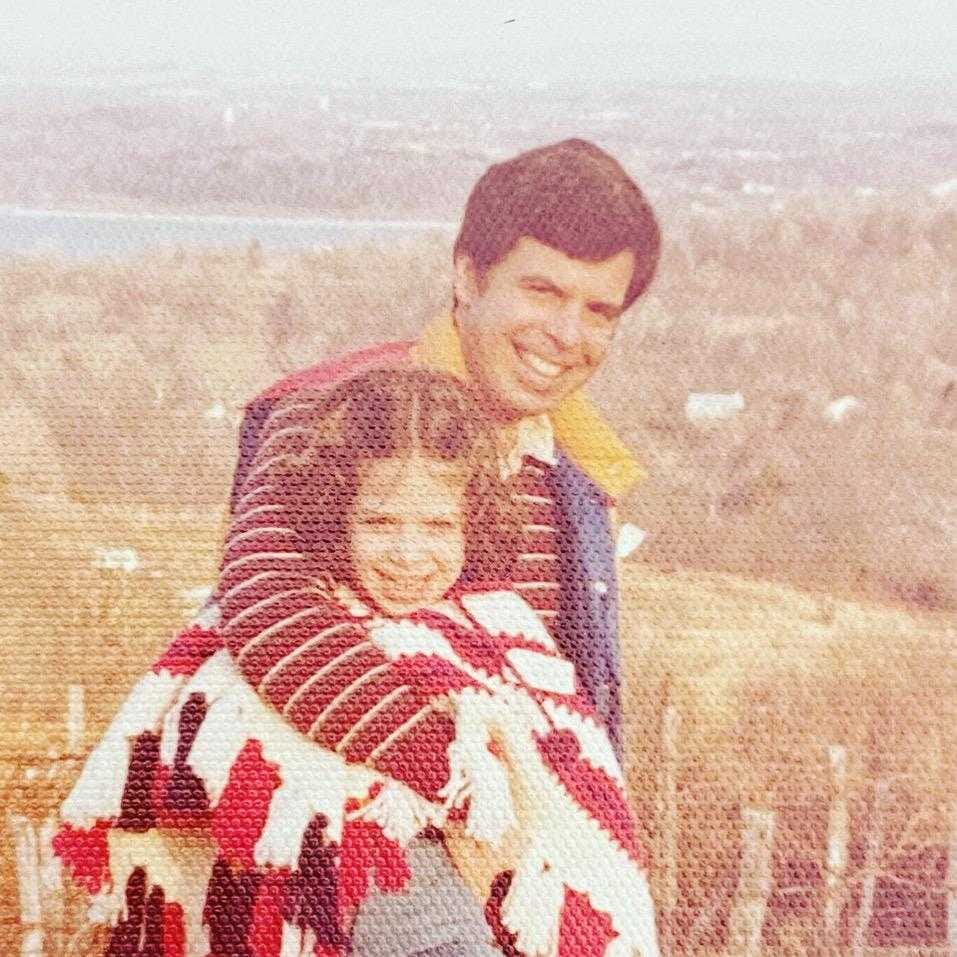
Sometimes I wonder what my parents would think about that. Is my mother disappointed in me? Is my father still disappointed in me? After all, he often was when he was here. Are they wishing I would forgive, try again, or fix it one more time?
What if they can see what we can’t?
That’s when I come back to something I’ve heard described as the Whole Picture Theory, an idea I have come to believe deeply.
The idea is that when we die, we finally get to see the whole picture of our lives and relationships in a way we simply can’t while we’re in human form.
For me, this has become more than a comforting spiritual idea. Over the years, I have had the privilege of spending a lot of time with people who have died and come back. Near-death experiencers have described leaving their bodies and entering a state of consciousness where they suddenly knew and understood things that had been impossible for them to see while they were here. I’ve also spent time with mediums who, in my experience, are the real deal. I’ve watched them know things they could not have known and see things they could not possibly have seen.
Over and over, I hear some version of the same thing: on the other side, we see differently.
My friend Anita Moorjani, whose near-death experience I write about in Crying Out Loud, describes how when she was on the other side, she came to understand and see life as a vast, intricate tapestry. From our human vantage point, we can only see the underside, with all its knots, frayed edges and loose threads. We can’t see how the colors connect or what any of it is becoming, so much of what happens to us can feel random, senseless and terribly unfair.
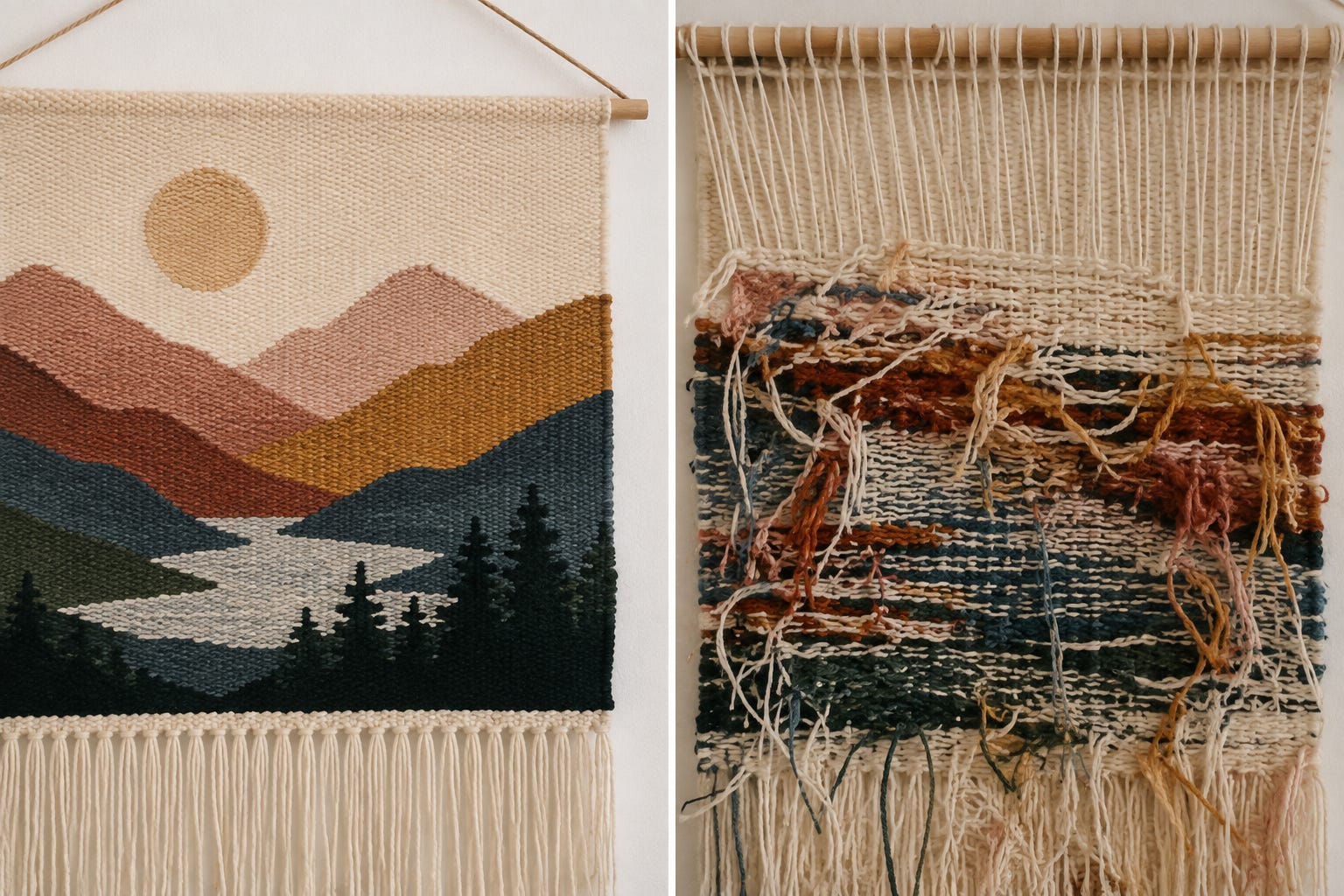
From above, you can see the masterpiece. You can finally see how all the threads connect.
Think about what that could mean for the things we torture ourselves over in grief: the argument you had before they died, the phone call you didn’t make, the signs you missed, the years you spent trying to earn someone’s approval, the boundary you finally had to set, or the person you couldn’t save.
From our human perspective, we can pull out one thread and stare at it long enough that it becomes the whole story. What if our loved ones can see the entire tapestry? What if they can see how their lives and ours, along with the lives of so many others, weave together into something that makes sense from where they are, wounds and traumas and mistakes included?
The view from the other side
Part of that larger picture may involve what spiritual teachers call soul contracts, agreements our souls make before we come here about the people we will encounter and the experiences that will help us grow. I don’t believe that means suffering is punishment or that tragedy is somehow justified. I would never tell a grieving mother that her child was “supposed to die,” or tell someone who has suffered terribly that what happened to them was okay. Some things will never be okay.
I have come to believe, though, that there may be purpose and connection woven through our lives that we simply cannot see from here.
My friend, spiritual medium Rebecca Rosen, once told me about a reading with a woman who had lost both her husband and her daughter. Her daughter came through and shared that she was at peace and reunited with her father. What struck me was the expanded perspective they both seemed to have from the other side. Her father could now understand things about his life and grief that he couldn’t see while he was living, and her daughter described her death as having been a high probability in her soul contract, connected to her own growth and the growth of those she loved.
Whether or not soul contracts resonate with you, that change in perspective is what stays with me. What if crossing over allows us to finally understand the things we simply couldn’t understand while we were here?
Think about how much we don’t see while we’re living inside our own lives. We experience everything through our personalities, histories, wounds, fears and egos. We misunderstand each other, take things personally, project, and react from old pain. We can love someone enormously and still hurt them, disappoint them, fail to understand them, or simply not know how to give them what they need.
So what if the people we love can see all of that now? What if they can see the fears we were carrying, the stories we believed, the wounds we were protecting, the things we didn’t yet understand about ourselves and all the love we didn’t always know how to express?
What if they see you only through the lens of love now?
That larger perspective would also include the ways they affected us. The mother who couldn’t give you the love you needed may now see what that absence did to you. The father whose approval you could never quite earn may see how painful it was to spend your life feeling that you could never measure up to his expectations. The person who expected you to keep forgiving, rescuing or holding the family together may finally see how unfair that expectation was and what carrying it cost you. The person with whom you had a complicated or painful relationship may now see the whole relationship, including the ways they hurt you and why you may have needed to protect yourself, pull away, or make choices they didn’t understand at the time.
And I believe that same expanded perspective changes the way they see the things we feel guilty about too. The child you wish you had protected differently can see everything you knew and didn’t know at the time, every choice you made out of love and all the ways you tried. The person you argued with can see the pain underneath what you said and the whole context of that moment. The spouse you lost can see that loving again doesn’t erase or diminish the love you shared. The person you didn’t call enough, visit enough, forgive soon enough, or understand well enough may now be able to see everything you were carrying too.
Most of all, I believe they see us through the lens of love. They are no longer viewing us through the same human filters of hurt feelings, expectations, resentment, disappointment, or ego. They can see the whole of who we are, what shaped us, what we were carrying, how deeply we loved them, and how imperfectly all of us sometimes expressed that love.
And with that larger perspective, I believe there is forgiveness.
So when you worry that someone you love is on the other side still disappointed in you, angry with you, or judging the choices you’re making now, consider the possibility that you’re imagining them with a perspective they no longer have. They may understand why you did what you did, why you couldn’t do what you wish you had done, why you needed to leave or set a boundary, and why sometimes you had to choose yourself.
I think we make an unconscious assumption in grief that the person died, but their perspective stayed exactly where it was. We imagine them somewhere beyond us still carrying the same opinions, grievances, expectations and misunderstandings they had here.
If crossing over really does give us access to the whole picture, I don’t think it makes sense that their view of us would remain frozen.
That has given me enormous comfort.
What if they’re not judging you anymore?
I wonder if the same might be true for the person you are missing.
What if they can see your whole picture now, including the childhood that shaped you, the things you were afraid of, what you didn’t know yet, why you stayed, why you left, how you protected yourself, the mistakes you made and the love underneath all of it?
What if they can see a larger purpose in some of the things you regret? Your actions, and even your inactions, may be threads in a tapestry whose pattern you simply can’t see yet.
Maybe they aren’t asking you to keep proving your love through guilt or waiting for youto punish yourself for the thing you wish you had done differently. Maybe they aren’t disappointed that you’re changing, healing, setting boundaries, laughing again, loving again or building a life they never got to see.
What if you are judging yourself on behalf of someone who is no longer judging you?
They may see so much more than the moment you believe you failed. They may see what came before it and what came after, what you knew then and what you couldn’t possibly have known, along with your fear, your wounds, your intentions and your love.
Maybe they can see your whole soul instead of the one thread you keep pulling out of the tapestry, and maybe they can see how that thread fits too.
I can’t prove any of this. But after everything I’ve experienced, and after spending so much time listening to people who have been to the other side and returned, as well as people who seem able to communicate with those who didn’t, I have come to believe it.
I believe the people I love on the other side, all our people on the other side, are free from the limitations of being human and understand more now than they did here. They can see the whole picture; the whole tapestry while I’m still here holding a handful of threads.
When I see a mistake, maybe they can see how it fits. When I see a failure, maybe they can see how hard I was trying. When I see all the ways I think I let them down, maybe they can see the love that was there all along.
I think there is an invitation in that for those of us still here. Maybe we can borrow a little of their perspective and stop judging ourselves on behalf of the people we’ve lost. Maybe we can consider that they see us with far more understanding, compassion and love than we sometimes give ourselves, and permit ourselves to put some of that guilt down.
If this perspective brought you even a little comfort, I explore so much more of what I’ve learned about grief, healing, continued connection and the spiritual side of loss in my new book, Crying Out Loud: A Path Through Grief into a Life Reimagined. And if you’re looking for ongoing support as you navigate your own grief, I created the Grief Healing Collective as a place to do this work together, with practices, conversations, tools and a community of people who understand. You don’t have to figure out how to carry all of this alone.
No posts
Comments
Nothing yet. Say the first thing.
Sign in to join the conversation.