
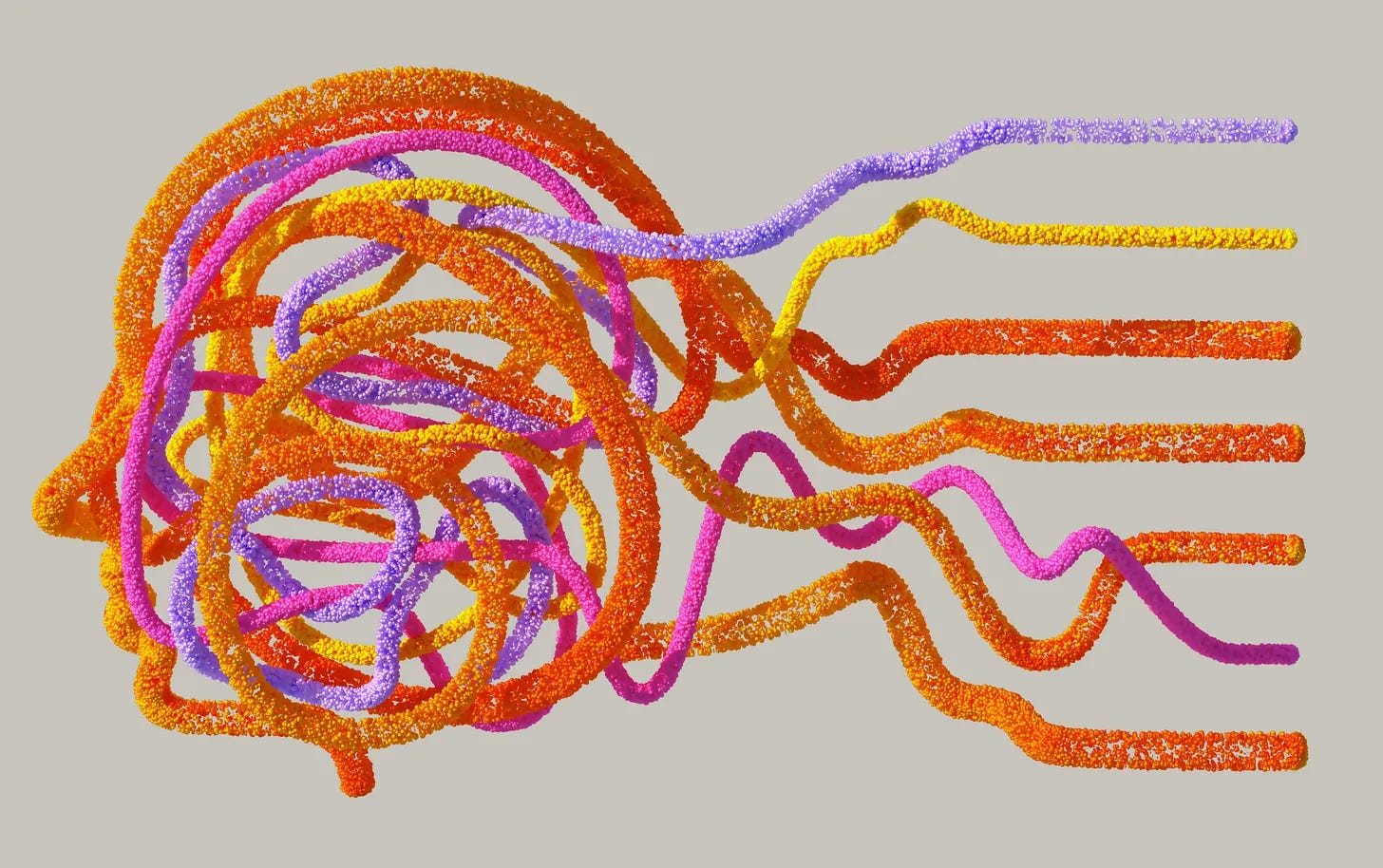
Neuropathy drives many people to our Integrative Oncology clinic.
Neuropathy comes from damage to nerves, causing dysfunction and resulting in a variety of uncomfortable sensations like burning, tingling, numbness, pain- sometimes all once.
It shows up quietly at first—a tingling in the toes, a numb patch on the fingertips, a subtle loss of balance in the dark. Soon it changes the fabric of the everyday. Shoes change. Sleep changes. Walking routes shorten. The body becomes less predictable, and with that, a sense of control starts to slip.
Neuropathy can be caused, exacerbated or compounded by treatment, by the disease itself, or by overlapping metabolic and nutritional factors- things like diabetes, peripheral vascular disease, B12 deficiency. The experience of it—the day-to-day reality—is intensely personal.
And that is where our we start in clinic.
We spend time talking about the neuropathy. I encourage patients to describe the feelings and the feelings about the feelings; this can be therapeutic in itself. I ask for details, examples, and as much specificity as possible for how it effects life and daily activities. I document this and suggest that patients fine tune a tracking system of their own, a note on their phone or a entries on their calendars.
Over time, patterns emerge. A patient notices that symptoms spike two days after treatment. Or that evening walks reduce nighttime discomfort. Or that a new food choice or exercise routine coincides with a subtle but consistent improvement in hand dexterity. Without describing, tracking, and documenting these signals are often lost. And with the loss of signal is the loss of opportunity to problem solve and intervene.
When considering supplements for symptom management, my framework is to assess the quality of the supplement product, the evidence for efficacy of supplement, and the overlap of the supplement for other general wellness goals. I layer this over the defined goal of symptom management. This is all easier said than done.
There are limitations to this approach since research on supplements is not straightforward. Supplements are not FDA regulated so as physicians with scientific method baked into our communication DNA, we lose our landmarks. FDA regulated pharmaceuticals come to market by blinded studies that compare one intervention to another with statical analysis of effect and meticulous record of side effects and adverse reactions. None of that exists with supplements and a cowboy and capitalist bent skews the industry.
Even with these limitations, this framework is worthwhile; it is a transparent and adaptive approach that also creates trust and collaboration and underscores that importance of living within one’s own body and mind.
For neuropathy, the exercise may look something like this:
Roger has neuropathy. It started 8 weeks into his chemotherapy. He informed his care team, and his regiment was dose reduced. This concerned him as he wondered if it would be as effective at a lower dose. He was told it would be but did not feel that the explanation was thoughtful.
Since then, the neuropathy has not progressed, but he has found that he thinks about it multiple times a day, worries about not just the neuropathy but the cancer, and travels often down anxiety rabbit holes.
He describes burning that alternates with tingling in his feet up to his mid-calf. His shoes feel tight and like he is walking on sandpaper. His legs become restless at night and his sleep feels disrupted. He has numbness in his fingertips as well. This is exacerbated by cold. He is having more trouble opening jars, gripping dumbbells, and holding gardening tools. This has led him to go to cook less, and also to visit the gym and the garden less frequently. All of this has worsened his mood and his energy leading him to nap more during the day and then further disrupting his sleep.
His medical oncology team prescribed him gabapentin. He found that it helped him sleep but that he was groggy and felt off balanced in the morning. The neuropathy seems more present in the day and when he took gabapentin during the day, he lost energy and motivation to exercise. He chose to stop gabapentin after talking this over with his medical oncologist.
We came together at this point in the story. We spent 20 minutes talking about the neuropathy and any observations he had which I documented. I suggested a tracking and grading system and we laid out four areas of intervention to consider; exercise, nutrition and supplements, integrative oncology and pharmaceuticals. He told me he did not want to add additional pharmaceuticals that could lead to more or different side effects.
He focused for 2 weeks on daily morning and evening walks in new looser fitting sneakers. He tracked the intervention and the effect on his discomfort, his mood and his sleep. He then trialed 3 weekly sessions of acupuncture and again graded how it changed his discomfort, mood, and sleep. He then added 6 weekly servings of omega 3 foods including oily fish, flax seed, walnuts, and a B vitamin supplement that was gluten, dairy, allergen free and non-GMO and third party tested. After this 6 week exercise, he felt that the walking and dietary changes were the most useful for his tracking metrics, but that acupuncture had significantly improved his chronic back pain which helped the discomfort, mood, and sleep in other vital and synergistic ways.
There is a psychological dimension to neuropathy that is easy to underestimate. The loss of sensation is, paradoxically, also a loss of feedback. Patients feel disconnected from their own bodies.
This process and the ritual and accountability of it turns a vague, frustrating experience into something observable and responsive. It creates a record that can be shared, refined, and acted upon. It also reinforces those small changes matter—that a one-point improvement in severity, or an extra hour of uninterrupted sleep, is meaningful.
Control does not come from doing more. It comes from doing the right things, deliberately, and knowing whether they work. This is not a one-time plan. It is an ongoing conversation between the patient, their symptoms, and the care team. And when done well, it does something important: it returns a measure of agency to a space where patients often feel they have very little. That, in itself, is therapeutic.
No posts
Comments
Nothing yet. Say the first thing.
Sign in to join the conversation.