
Ultra-processed food is everywhere.
It is cheap, convenient, and made to taste wonderful. And it does!
Compared with unprocessed food, ultra-processed food carries roughly twice the calories per gram and costs less than half as much per calorie.
Cheaper, denser, easier. So no wonder supermarkets have no problem selling it!
In the UK, ultra-processed food supplies around 57% of the calories we eat.
More than half our diet, made in a factory.
So what is it doing to your gut? Hmmm tricky one but let’s get into it!
Disclaimer: TLDR….the honest answer is “probably”….I genuinely can’t say more than that. Some of the evidence is nailed down and some of it is early. I will tell you which is which as we go along….but if you are looking for a black and white answer..you won’t get it here.
You can check out my full Substack here
The NOVA system sorts food by how much has been done to it, not by how much fat or sugar it holds.
Group four is the ultra-processed group.
Industrial formulations built from ingredients you would never find in a kitchen drawer. Emulsifiers. Protein isolates. Modified starches. Colourings, flavourings, stabilisers.
My test is simple. Read the label. If you cannot buy the ingredients, it was not really cooked. It was assembled.
One caveat before we start…..Wholemeal bread and supermarket hummus sit in the same NOVA box as cola and cheap sausages. Therefore NOVA is not everything.
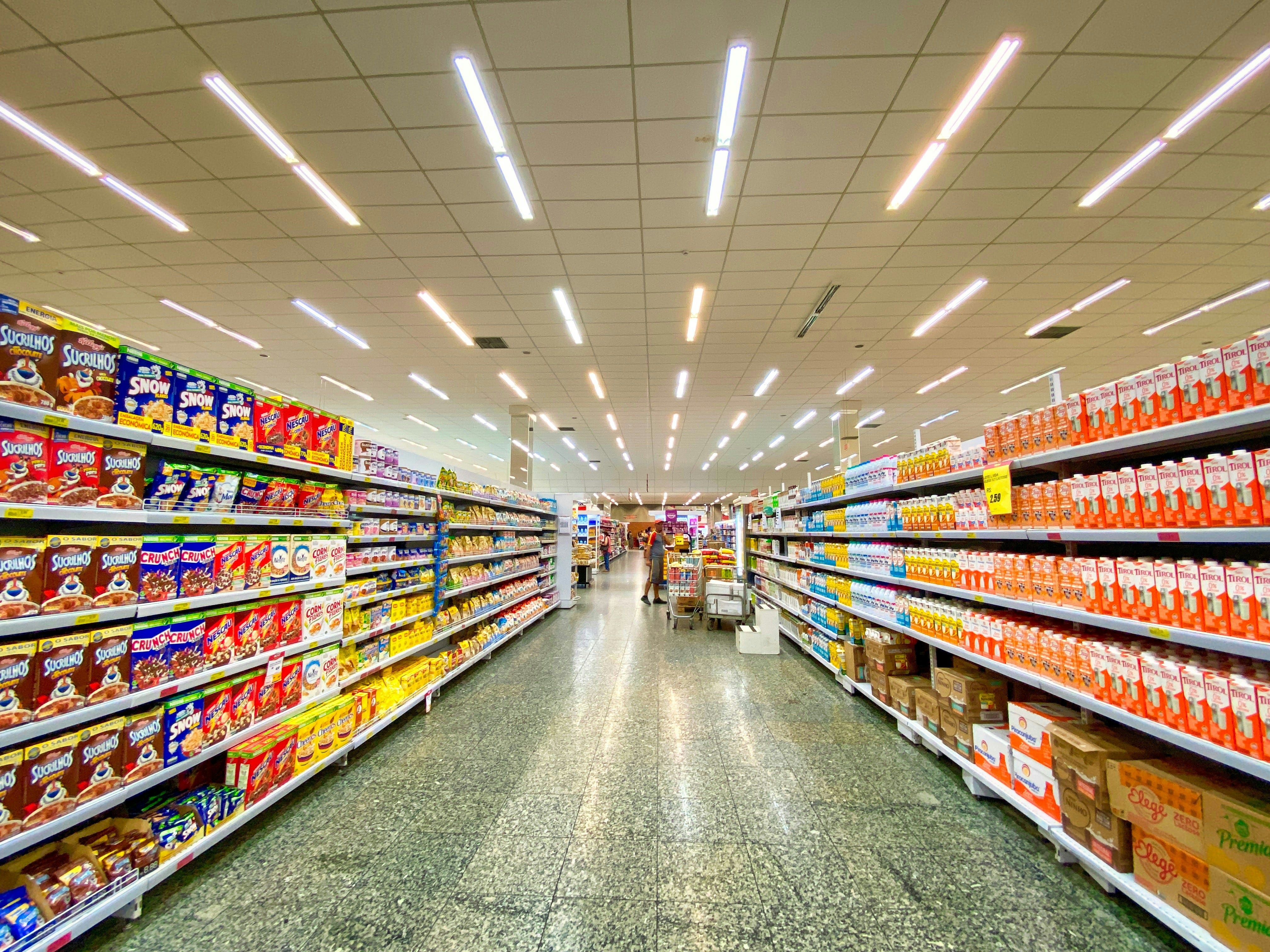
Be honest….is this you?
Breakfast. Frosted cereal with long-life milk. A cereal bar in the car.
Lunch. A meal deal. White bread sandwich, flavoured crisps, a diet fizzy drink.
Dinner. Ready meal lasagne, garlic bread, ice cream after.
If this is you….you may want to read on!
Or share to your friend who has the above diet
These keep sauces silky and ice cream creamy.
Carboxymethylcellulose (CMC) is the common one.
In mice, emulsifiers thin the mucus layer that keeps bacteria at a distance from the gut wall, and drive inflammation. Mice, though. Hold the thought please.
In humans we have less evidence.
A randomised controlled feeding trial gave healthy adults a diet with or without CMC for eleven days. The emulsifier group lost microbial diversity, made fewer beneficial metabolites, and reported more abdominal discomfort after meals.
(Please note, LOW sample size. Sixteen people, eleven days.)
In 2022, researchers randomised 120 sweetener-naive adults to saccharin, sucralose, aspartame, stevia or control for two weeks. All below permitted limits.
All four shifted the gut and oral microbiome. Saccharin and sucralose measurably worsened blood sugar responses.
The effect was personal. Some responded, some did not, and the difference lived in their microbes. When the researchers transplanted the responders’ microbiomes into germ-free mice, the mice inherited the response.
Again mice….nothing concrete.
Comments
Nothing yet. Say the first thing.
Sign in to join the conversation.