
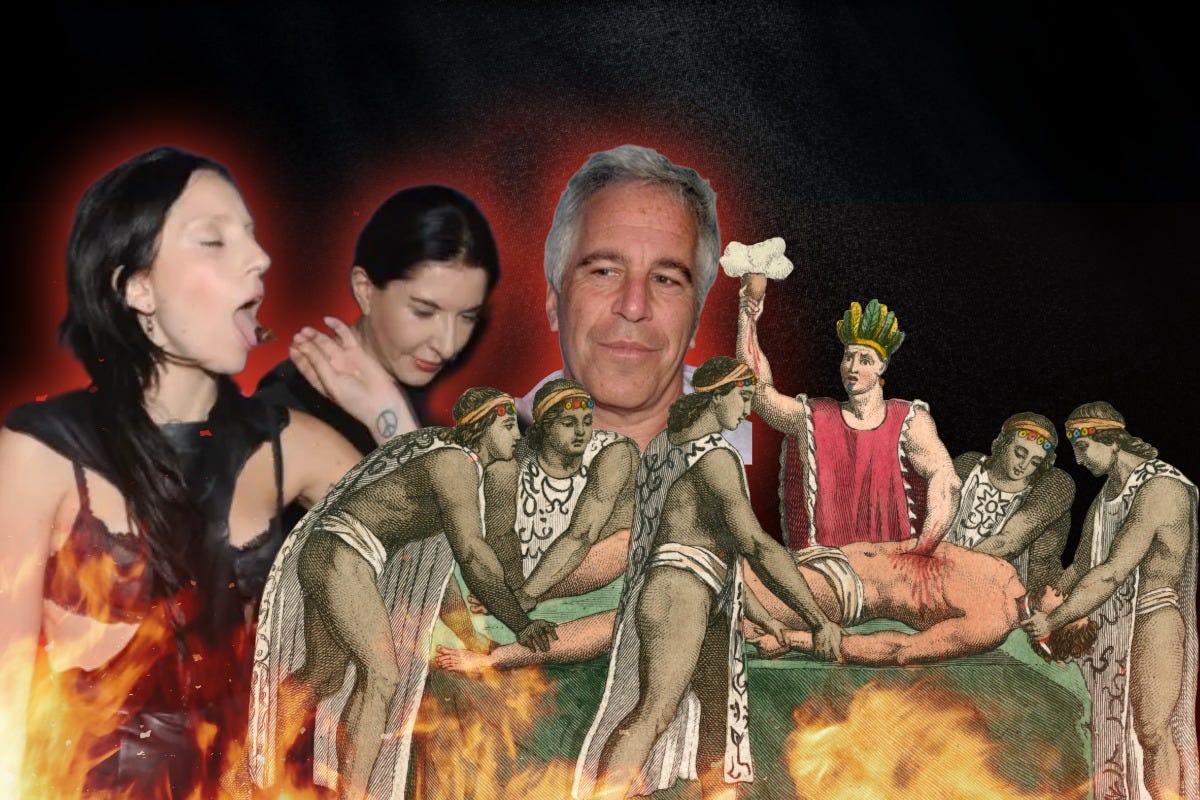
On the ninth of February, 2021, in Chickasha, Oklahoma, Lawrence Paul Anderson let himself into a neighbor's house, killed her, and cut out her heart. He carried it across the street to his aunt and uncle's house, cooked it with potatoes, and tried to serve it to his family. He told investigators he wanted them to eat it to release the demons. Then he killed his uncle, killed the uncle's four-year-old granddaughter, and gouged out his aunt's eye. He pleaded guilty and will die in prison.
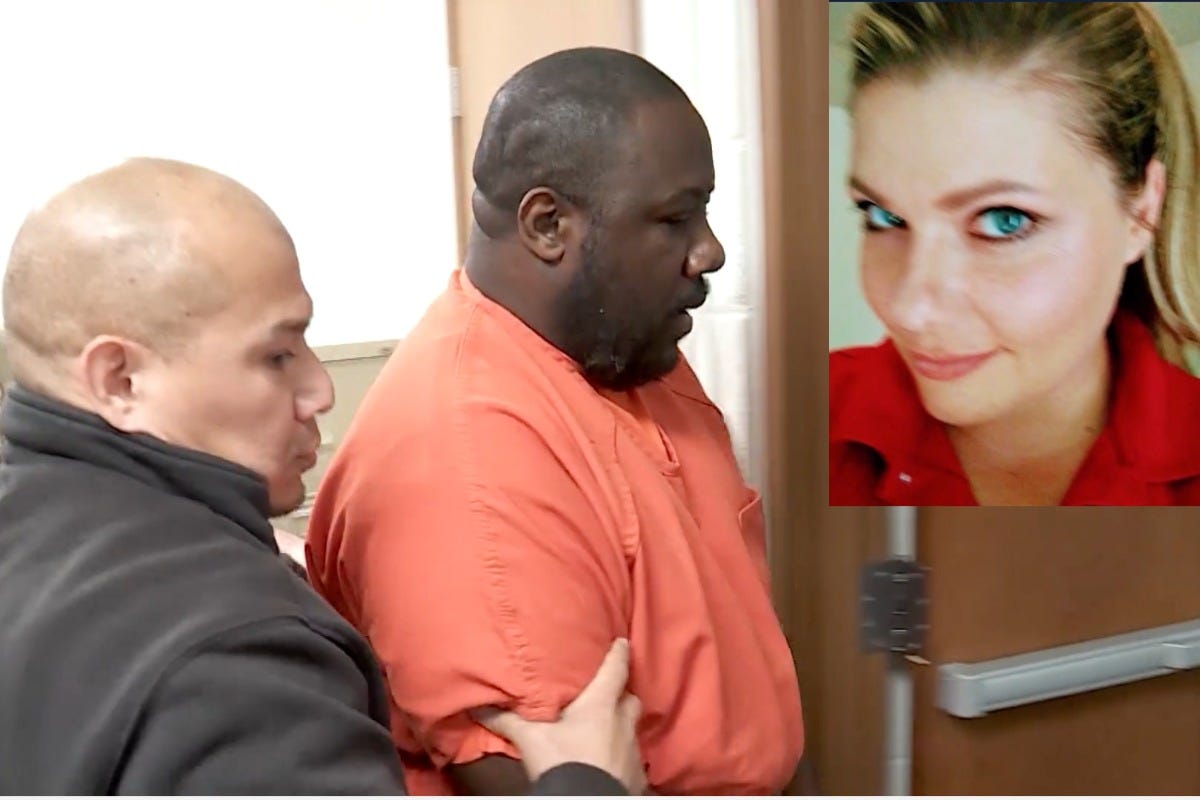
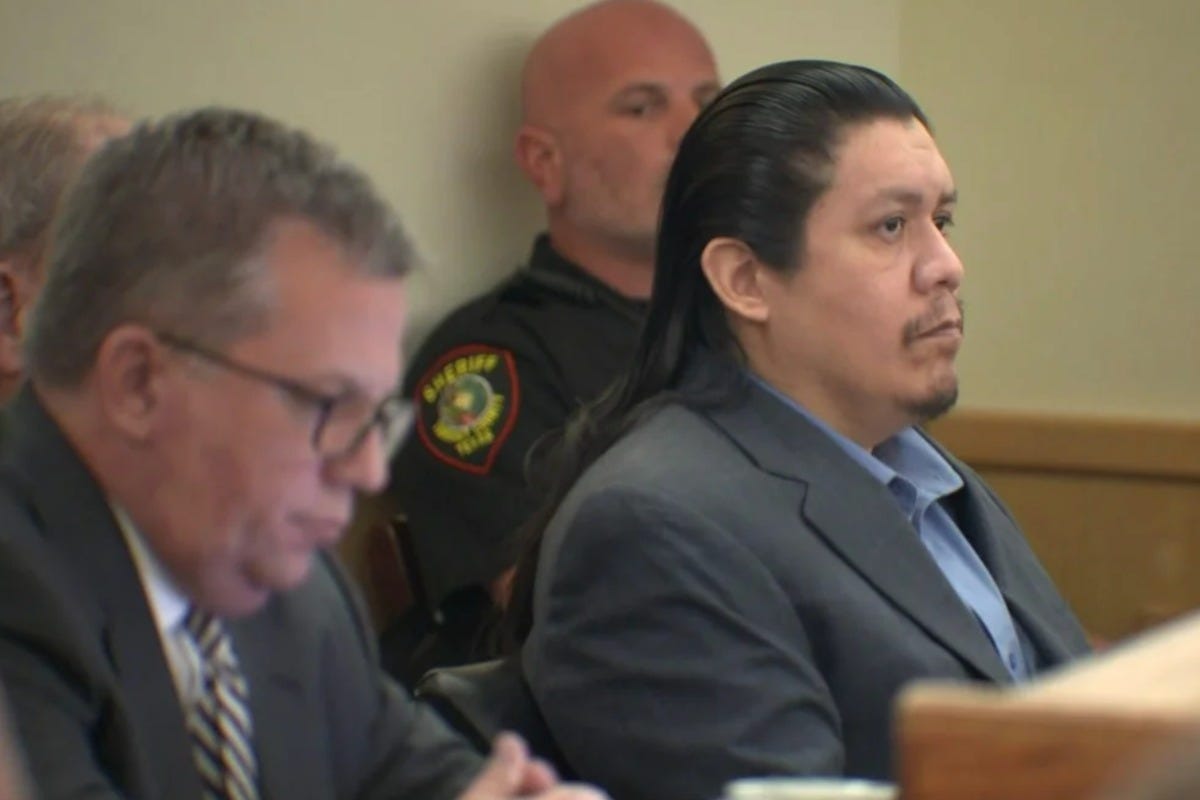
Eight months later, in a motel room outside Fort Worth, Jason Thornburg killed three people over seven days, one at a time, and dismembered them in the bathtub. He said each of them needed to be sacrificed. He ate part of the heart of a man named David Lueras. Then he burned the bodies in a dumpster. In December 2024 a Texas jury sentenced him to death, and as they read it out they sobbed.
Neither man was starving, so the victims were not eaten as food.
These murders were real, documented, and recent, however they did not become a national obsession. A different theory of who eats people did. Multiple times in the Epstein emails, there is strange number of references to “beef jerky.” Many have now speculated that the jerky in question might have been human. Others claim there is not enough evidence to support those claims. Nevertheless, the fact that so many people are waking up to the fact that the appetite in that Oklahoma kitchen is not a modern aberration. It is the oldest appetite there is and it has a five-thousand-year infrastructure.
The people who built that infrastructure did not think of themselves as monsters, though. They thought of themselves as priests, as physicians, and even as kings. This is the case today, as much as we want to believe such heinous acts are only committed occasionally and by just a handful of crazy people.
But why the heart exactly? Why do killers and priests and warriors and mourners and surgeons keep reaching for the same organ across thousands of years? Perhaps most importantly, who gets to decide which eating of a human body is a crime, which is a medicine, which is a sacrament, and which is a business?
Let’s start with the word on the coffin.
The Greek for a stone coffin is sarcophagus. It means flesh-eater. Sarx, flesh. Phagein, to eat. The ancients gave the burial box that name because they believed a certain limestone quarried at Assos consumed the body laid inside it, stripping it to nothing but the teeth within forty days. The most respectable object in a funeral, the thing we still lower our dead into, is named after the belief that the grave itself is hungry.
A warning before you go further. What follows includes the clinical details of two recent cannibal murders, a mortuary system in which the dead were carved up by sex and organ, the disease that ate the brains of the people who ate their dead, a federal case in which human heads were sold by memo, and the modern market that turns your neighbor’s body into a product with an invoice. It is graphic, it is sourced to peer-reviewed journals and federal court records. Reader discretion is advised.
First, before the anthropology, the belief, because the belief is the engine that drives the behavior.
Across cultures, human beings all seemed to arrive at the same conviction: that a body holds a power that can be taken into another body by eating it. The Aztecs located teyolia, the animating core of the person, in the heart, and cut hearts out at the top of the pyramid to return that vital force to the gods who kept the world alive. Warriors from the Amazon to the Pacific ate the heart or the liver of a brave
Comments
Nothing yet. Say the first thing.
Sign in to join the conversation.