
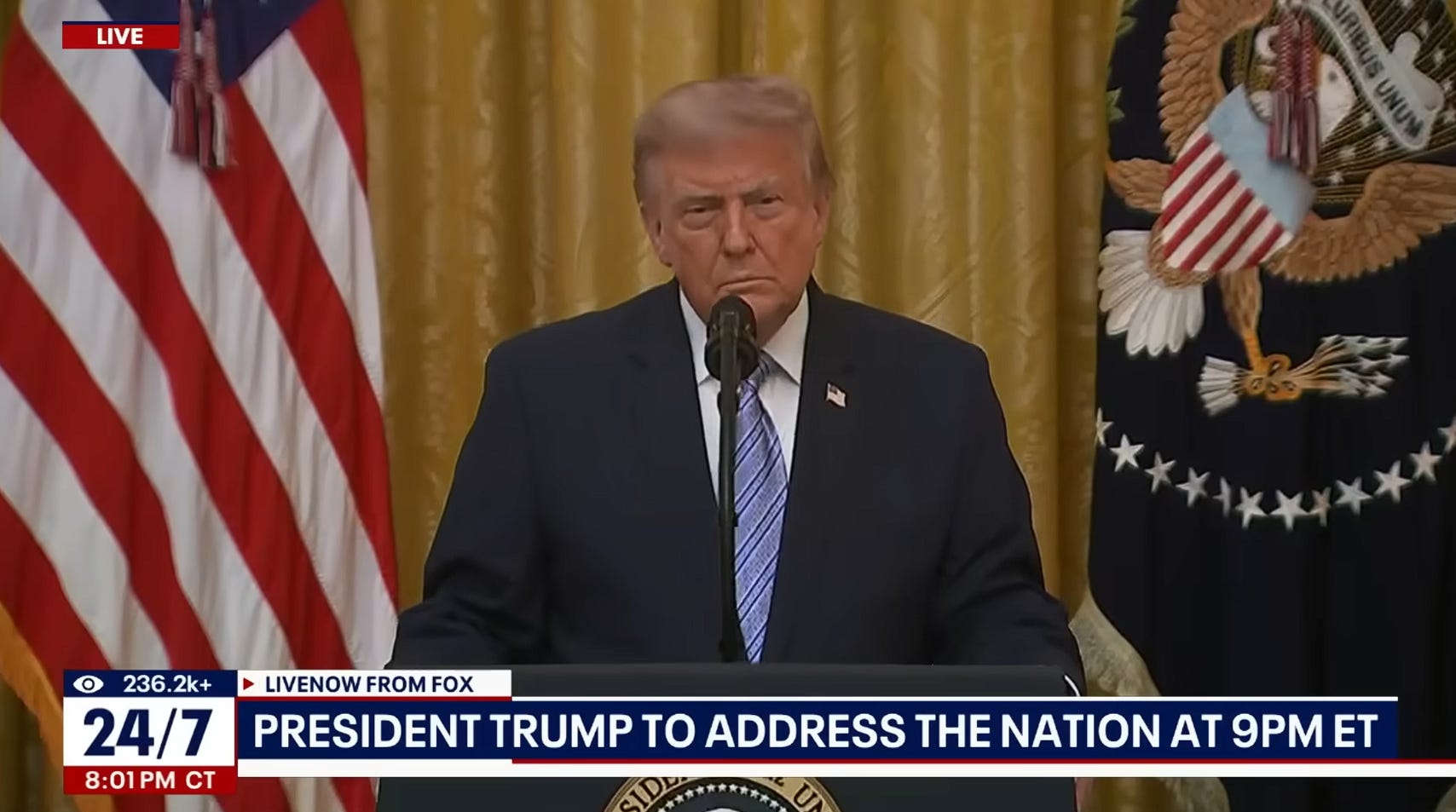
Just the other night, President Trump went on live television to address the nation on 2020 election interference by China, which cost him the election.
It was total bullshit!
For nearly a decade, Donald Trump has repeated the same lines.
“Russia, Russia, Russia.”
“The Russia hoax.”
“Witch hunt.”
The message was simple. The entire Russia story was a fabrication cooked up by Democrats, amplified by the media, and embraced by an intelligence community supposedly determined to undermine his presidency.
Then Trump did something unexpected.
He released the evidence. (PLEASE READ THE DOCUMENTS AT THE END)
That’s what makes this story so remarkable. These aren’t leaked documents from anonymous sources. They’re not reports unearthed by investigative journalists. They’re intelligence documents declassified under Trump’s authority and celebrated by many of his supporters as long-awaited proof that he’d been right all along.
Except they don’t prove what Trump says they prove.
They tell a story that is deeply uncomfortable for anyone who has spent years insisting Russian election interference was a hoax.
Not because they accuse Trump of secretly conspiring with Vladimir Putin. They don’t.
But because they reaffirm something Trump has spent years trying to convince millions of Americans to dismiss.
Russia conducted a sophisticated, coordinated campaign to interfere in American elections, first against Hillary Clinton and later against Joe Biden.
Not according to MSNOW.
Not according to CNN.
According to Trump’s own declassified intelligence.
One of the most revealing sections of the documents concerns Russia’s effort to weaponize allegations surrounding Joe Biden, Hunter Biden, and Burisma.
For years, those allegations dominated conservative media. Congressional hearings were built around them. Countless television segments, podcasts, YouTube videos, and social media posts treated them as evidence of a massive corruption scandal.
Trump’s own intelligence agencies tell a different story.
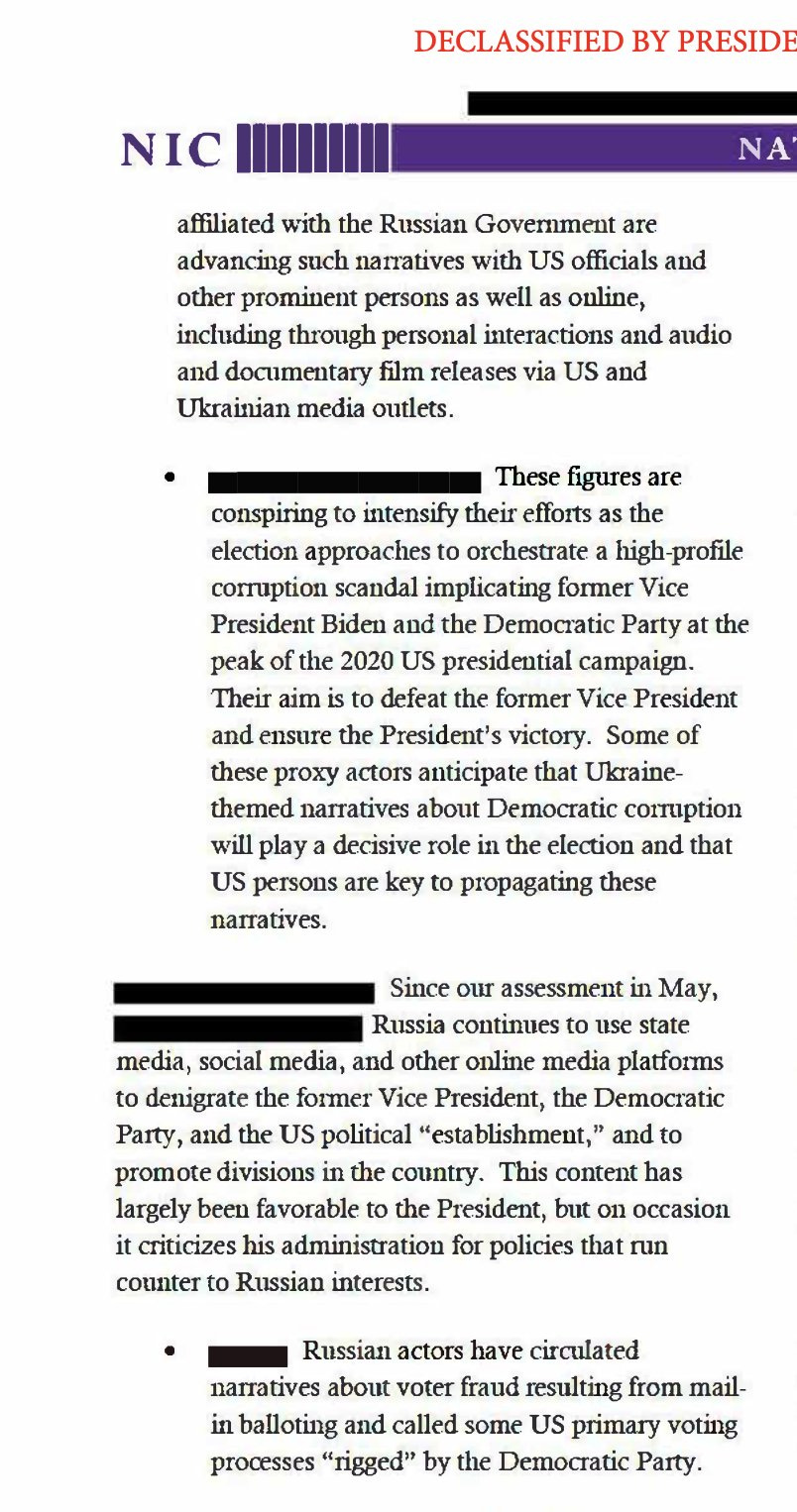
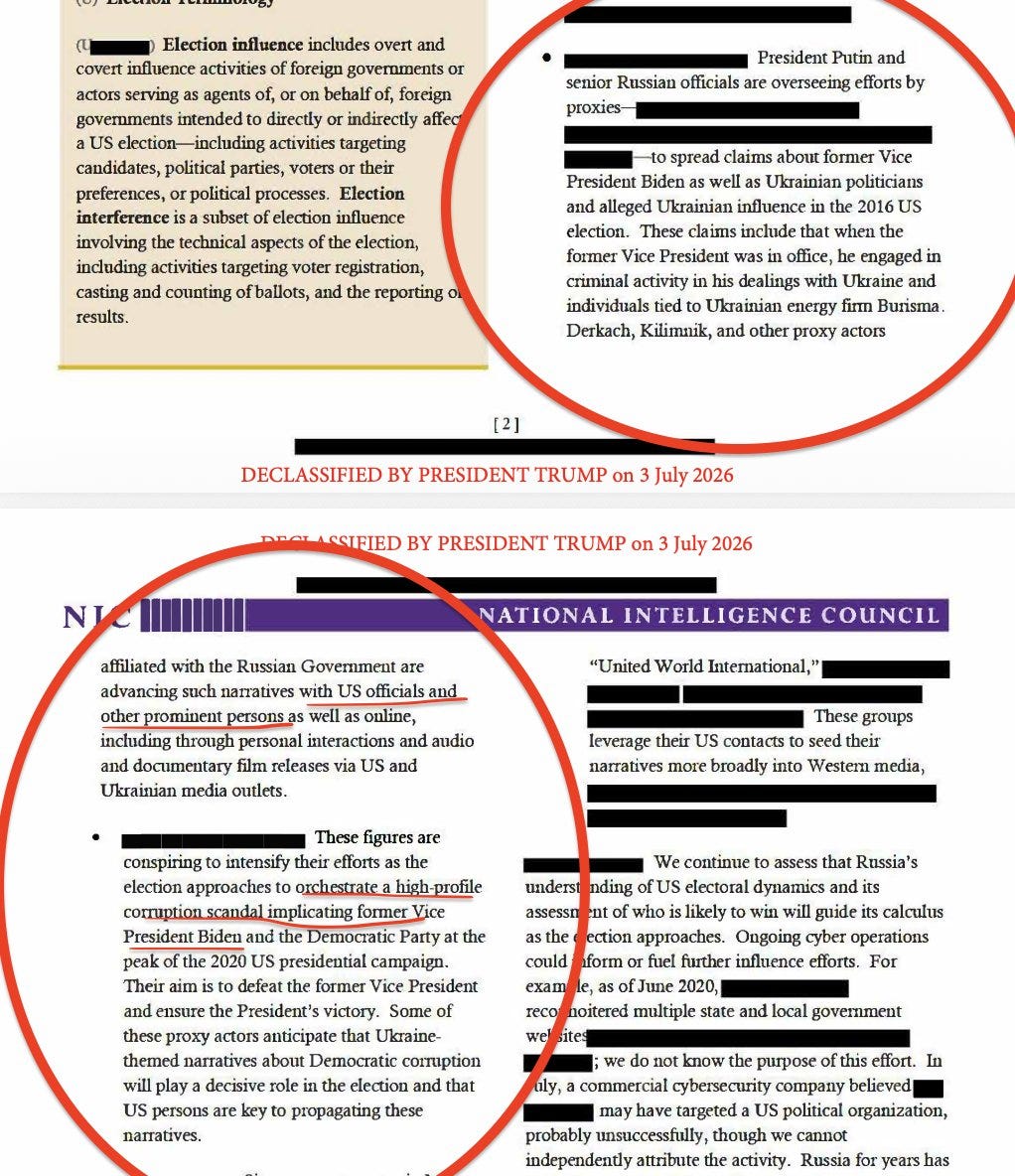
According to the assessment, senior Russian officials directed proxy actors to promote allegations that Joe Biden had engaged in criminal activity involving Burisma. The report doesn’t describe those allegations as independent discoveries that Russia merely echoed. It concludes they were part of a coordinated influence campaign directed by the Kremlin.
Then comes perhaps the most remarkable sentence in the document.
The assessment says Russian government-affiliated actors sought to manufacture what it calls a “high-profile corruption scandal” during the height of the 2020 presidential campaign.
Manufacture.
That’s the intelligence community’s word.
Not expose.
Not uncover.
Manufacture.
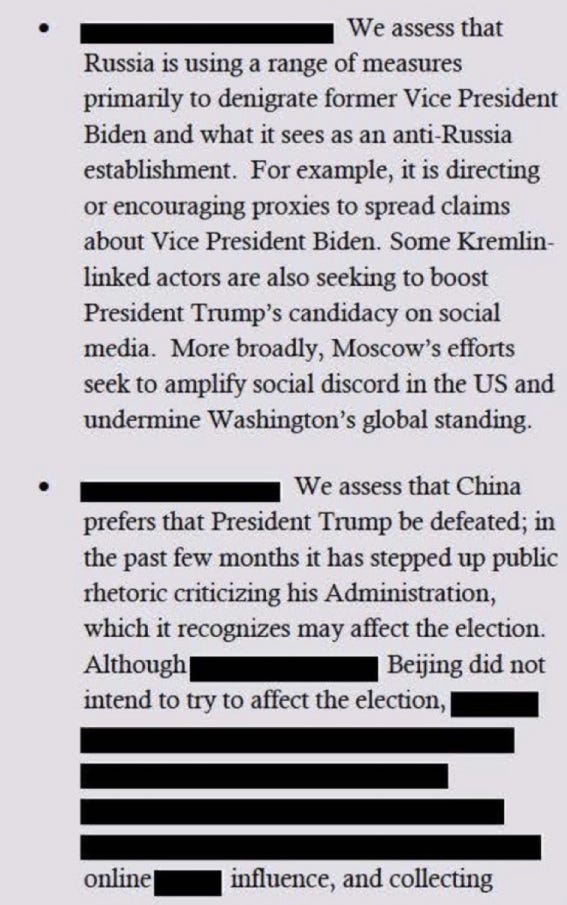
And according to the assessment, the objective was straightforward. Damage Joe Biden politically and improve Donald Trump’s chances of winning the election.
That’s not partisan commentary.
That’s what Trump’s own declassified intelligence says.
Perhaps the most disturbing finding isn’t that Russia spread propaganda.
It’s how it spread it.
The assessment concludes Russian government-affiliated actors advanced these narratives through proxy networks, online operations, documentary films, and, critically, “U.S. officials and other prominent persons.”
Pause there.
Think about what that means.
Russia wasn’t trying to persuade millions of Americans directly. It understood something far more important. Americans are unlikely to trust the Kremlin. They are far more likely to trust a politician they support, a commentator they follow, a podcast they listen to, or an influencer they watch every week.
That’s how modern influence operations work.
You don’t convince the public yourself.
You persuade influential people to repeat your message until nobody remembers where it came from.
Once that happens, Russian propaganda stops looking like foreign propaganda. It becomes campaign rhetoric. Television commentary. Viral clips. YouTube monologues. Congressional investigations. Endless social media debates.
The documents describe precisely that strategy.
Not simply spreading misinformation.
Laundering it through trusted American voices.
That’s a very different picture from the cartoon version of Russian interference that many people imagine.
One of the biggest myths surrounding Russian election interference is that it refers to a single incident in 2016.
The documents tell a different story.
They describe a continuing strategy that adapted to changing political circumstances while pursuing the same objective. In 2016, Russia sought to damage Hillary Clinton. By 2020, the focus had shifted to Joe Biden. The names changed. The methods evolved.
The strategy didn’t.
According to the assessments, Russia continued exploiting America’s political divisions, promoting corruption allegations, cultivating proxy actors, and inserting its narratives into mainstream political discourse through influential Americans.
This wasn’t random.
It wasn’t opportunistic.
It was systematic.
The documents don’t describe isolated acts of propaganda.
They describe an ongoing influence campaign.
Some readers will immediately ask the obvious question.
What about China?
The answer is simple.
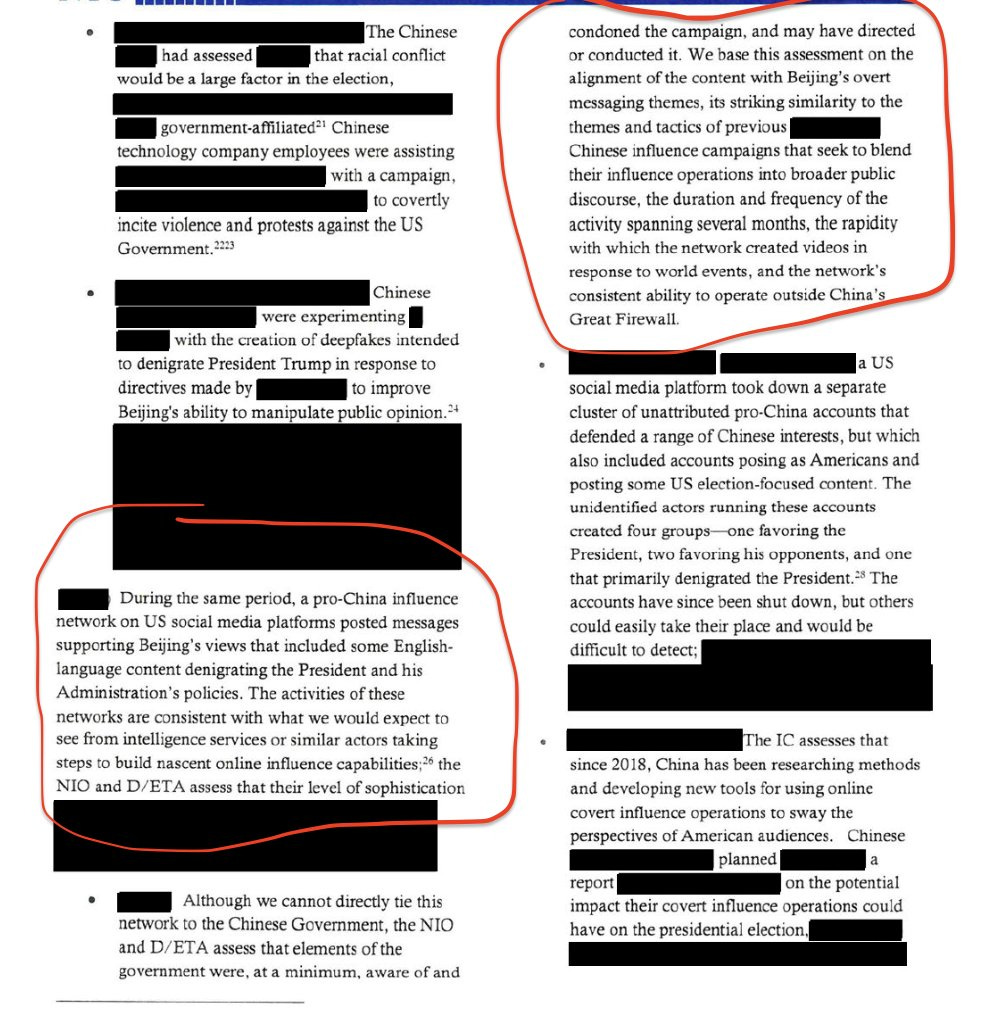
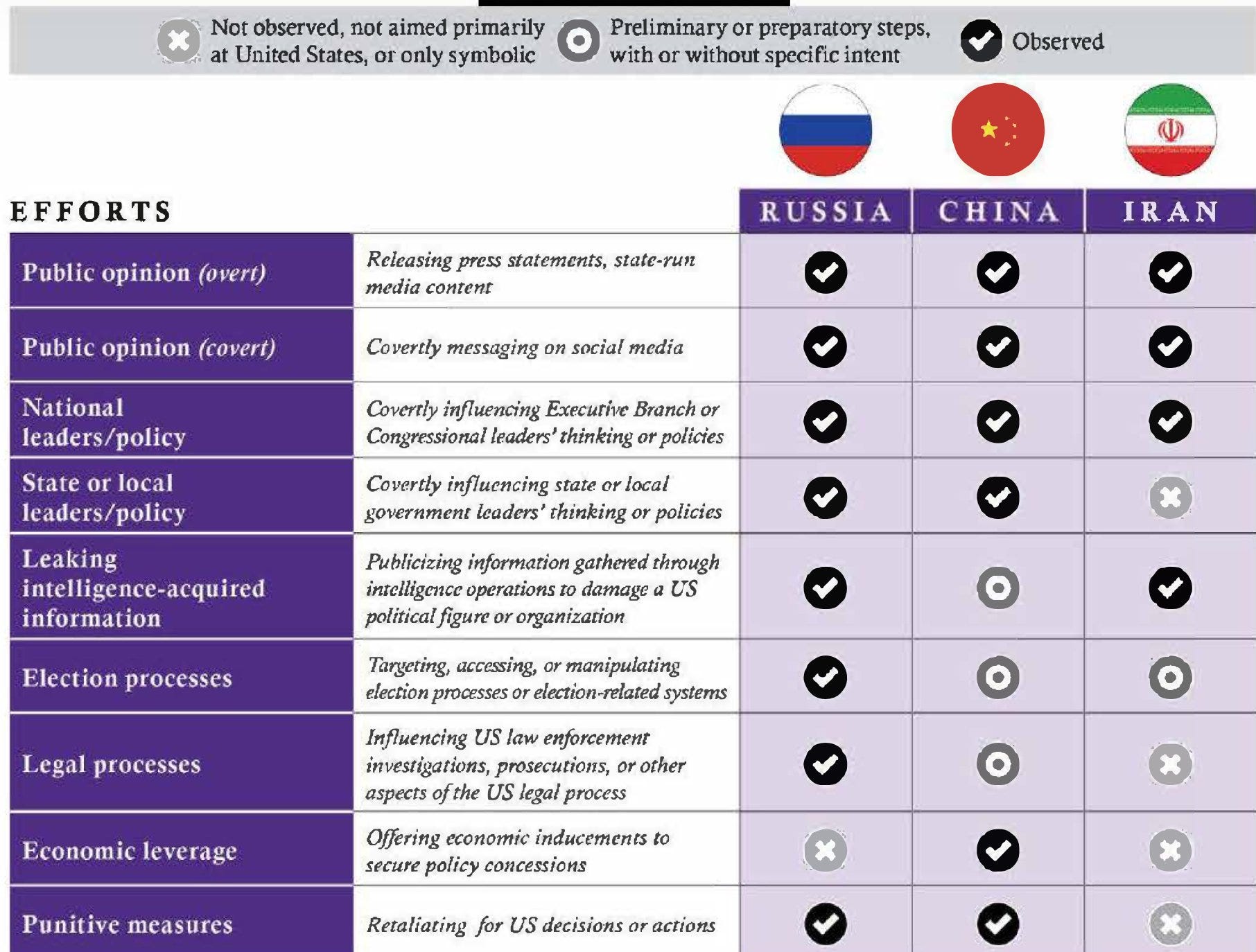
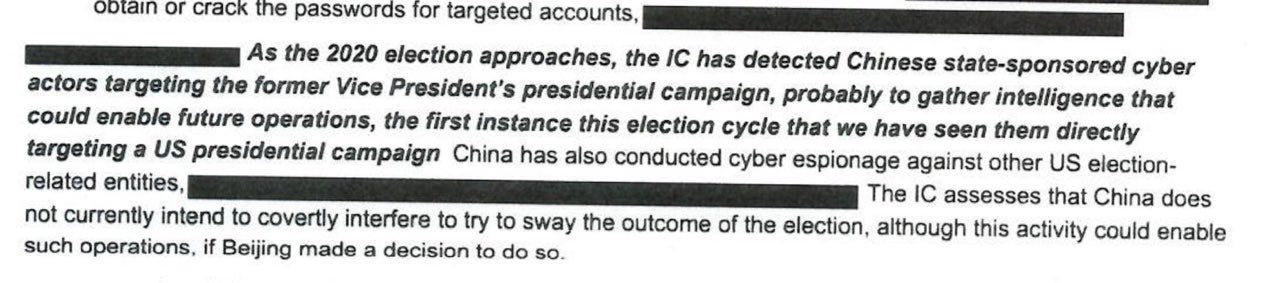
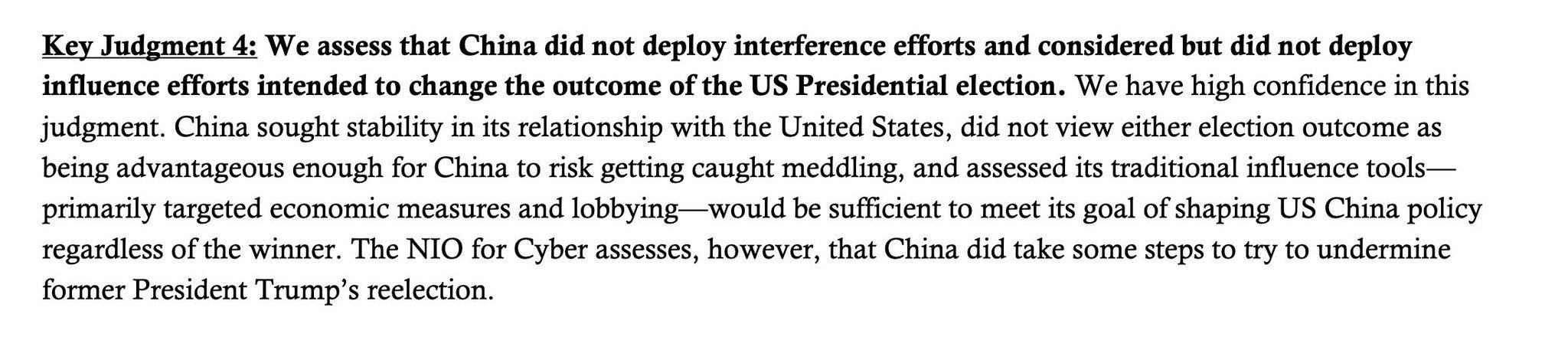
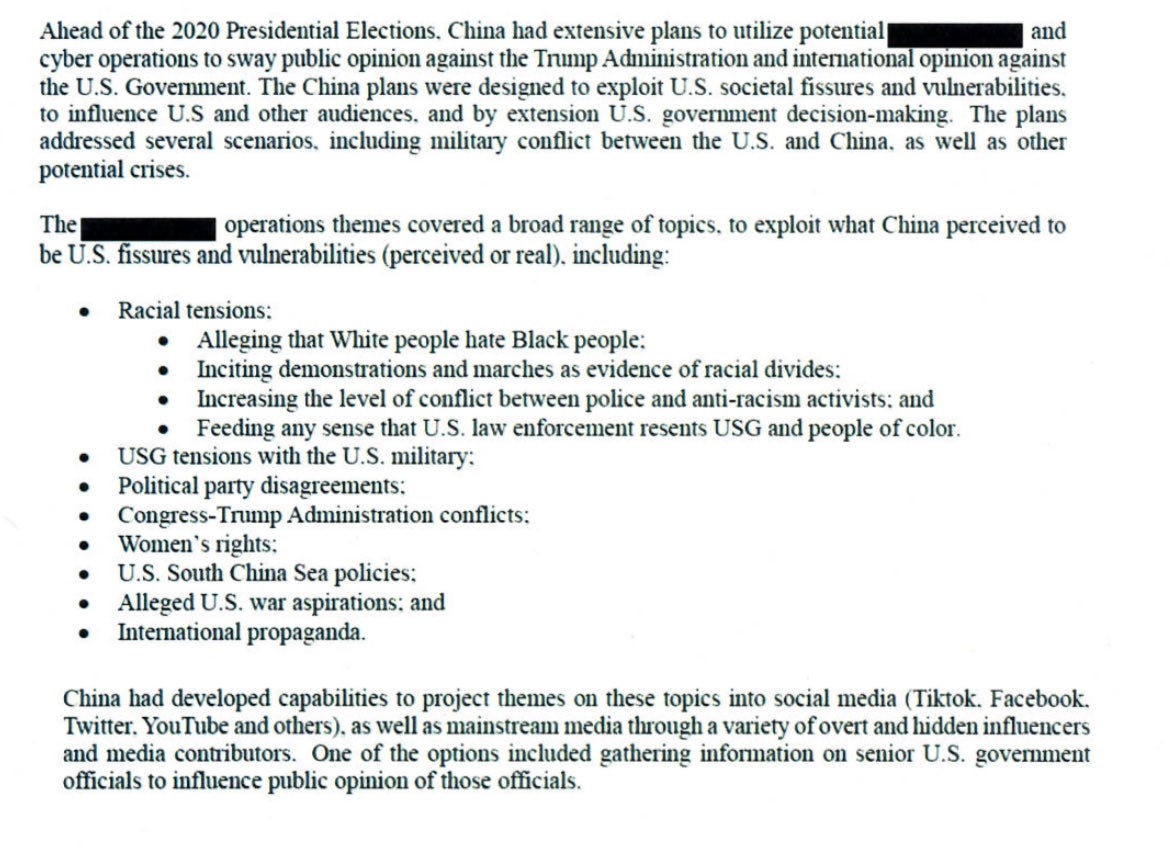
The documents discuss China.
They describe cyber espionage, intelligence gathering, and influence activities. Those findings should be taken seriously.
But that’s not the contradiction at the heart of this story.
The contradiction is that Trump spent years encouraging Americans to dismiss concerns about Russia as exaggerated or fraudulent. Yet the very documents he released repeatedly identify Russia as conducting the most extensive campaign to influence American politics.
The assessments distinguish China’s activities from Russia’s election-focused influence operations.
They don’t erase Russia.
They reinforce it.
That’s why these documents are so politically awkward.
They don’t support the narrative many people expected them to support.
Here’s the irony.
Trump told Americans to look at the evidence.
Now that the evidence is public, his political argument depends on people doing the opposite.
Because anyone who actually reads these assessments discovers something deeply inconvenient.
They don’t dismantle the intelligence community’s conclusions about Russian election interference.
They strengthen them.
They describe Russia manufacturing corruption narratives.
They describe Russia directing proxy actors.
They describe Russia using American officials and other prominent figures to amplify those narratives.
They describe an influence operation intended to benefit Donald Trump politically.
Those aren’t conclusions reached by Trump’s critics.
They’re conclusions contained in intelligence documents released by Donald Trump himself.
For years, Americans have argued over whether “the Russia story” was real.
Trump encouraged that debate by collapsing everything into a single slogan.
“Russia hoax.”
It was politically effective.
It was also deeply misleading.
You can debate the Steele dossier.
You can debate individual investigations.
You can debate prosecutorial decisions.
But those debates don’t erase what these documents actually describe.
A foreign adversary hacked political organizations, weaponized stolen information, spread disinformation, manufactured corruption narratives, cultivated proxy actors, and sought to influence American elections to Trump’s benefit.
That’s not a hoax.
That’s the intelligence assessment released by Trump’s own administration.
And that’s the irony Trump can’t escape.
He spent years telling supporters not to believe the intelligence community.
Now he’s asking them not to believe the intelligence documents he released himself.
The strongest rebuttal to the “Russia hoax” narrative isn’t coming from cable news.
It’s coming from Trump’s own declassified evidence.
No posts
Comments
Nothing yet. Say the first thing.
Sign in to join the conversation.