
We all know exercise is good for us. We hear about its benefits for brain health, mood, and longevity. A recent large meta-analysis with nearly 5,000 participants found that exercise can be as effective as medication or psychotherapy for reducing depression symptoms.
And yet, only about one in four Americans meets the physical activity guidelines from the Centers for Disease Control and Prevention.
Telling you exercise is good for you, is not not enough to get over the multitude of inner and outer barriers that prevent you from doing it.
I am a clinical psychologist who specializes in wise effort — the ability to focus your energy toward what matters, even when it’s uncomfortable. To move your body, you need to be psychologically flexible enough to get around the numerous inner and outer obstacles in your way.
Here are 5 of the most common barriers to moving your body, and what actually helps to overcome them.
We tend to think movement only “counts” if it happens in a workout block during leisure time. That rigid rule keeps us stuck.
Wise Effort Move: Build cognitive flexibility.
Cognitive flexibility means loosening mental rules like “Exercise only counts if I do a full workout.” When we broaden the frame from exercise to physical activity, we see more options.
Move from either/or thinking to both/and thinking:
Instead of: Either I work out or I watch my kid’s game
→ Walk the field while you watch.Instead of: Either I take this zoom meeting or I go to yoga
→ Take the meeting stretching on the floor.Instead of: Either I sleep an extra hour or I exercise
→ Try three 10–15 minute walks across the day.
Research on “movement snacking” shows that short bouts of activity accumulated throughout the day still deliver meaningful health benefits.
If movement feels dull, you just won’t want to do it. You can be your own behavioral psychologist and fall in love with movement again. Reconnect with why you personally care about moving your body more.
Wise Effort Move: Know your values.
You can draw from a deeper values-based motivation when exercise feels monotonous.
Grab a notebook or notes app and answer:
What about moving your body really matters to you?
How will moving your body more impact other important domains of your life (work, family, friendship, community, health, spirituality)?
When movement feels boring, how do you want to show up?
Now choose one value to bring to your movement this week (examples the book I Know I Should Exercise But… offers include things like playfulness, nature connection, body awareness, collaboration, autonomy, integrity, etc.).
For example:
If I value connection, I’ll take a walk while calling/texting someone I care about.
If I value nature connection, I’ll move outside (walk, stretch, garden) and actually notice what’s around me.
If I value playfulness, I’ll choose “kid-style” movement: dancing, exploring, playground bars, a game, a goofy challenge.
If I value body awareness, I’ll do slow stretching and pay attention to where my body feels tight/easy.
Sometimes moving your body involves getting uncomfortable. You have to get over that low energy hump to get out the door, or might get breathlessness, sweaty, or tired. Our instinct is to distract ourselves from discomfort — but that strategy has limits.
Research shows that people who practice acceptance of physical discomfort persist longer than those who try to distract themselves. In one experiment described in A Liberated Mind, by Steven Hayes cross-fitters who made room for discomfort while holding a dumbbell at 90 degrees for as long as they could held it up to 25% longer than those who tried to mentally escape it.
Wise Effort Move: Acceptance.
Instead of “I hate this, make it stop,” try:
“This is hard — and I can make space for it.”
“My body is working.”
“I can feel this and keep going.”
You don’t have to like the discomfort, but you can drop the extra struggle against it. With acceptance you can put that energy where you want it to go, into moving your body!
Sometimes the barrier isn’t just internal. Lack of sidewalks, unsafe neighborhoods, extreme weather, or poor air quality are real constraints.
Wise Effort Move: Design for default movement.
Shape your environment so movement is the easy option:
Keep resistance bands, a yoga mat, or light weights visible
Create open floor space instead of cluttered furniture
Use walking routes in airports, stores, or indoor spaces when getting outside is hard
Choose social activities that involve movement (walk-and-talks, rock climbing meetups, family Twister competitions)
Use your social world to support your context. We are more likely to move when others are involved. A walking buddy, dance class, or recreational sports league changes the environment from isolating to motivating.
Body shame is a powerful barrier. If movement feels like a stage where you’ll be judged, avoidance makes emotional sense.
Wise Effort Move: Self-compassion.
Self-compassion — treating yourself with the same kindness you’d offer a struggling friend — is strongly linked to greater engagement in health behaviors. A large meta-analysis of 94 studies involving over 29,000 people found that higher self-compassion is associated with more consistent self-care, including physical activity.
Try this exercise from The Self-Compassion Daily Journal:
Imagine a child who feels embarrassed about their body in gym class.
What would you say to them?Now, write a letter to yourself from the perspective of your body.
What does your body want to tell you?
You don’t have to love your body to move it. You can practice body neutrality — caring for your body because it’s your home, not because it looks a certain way.
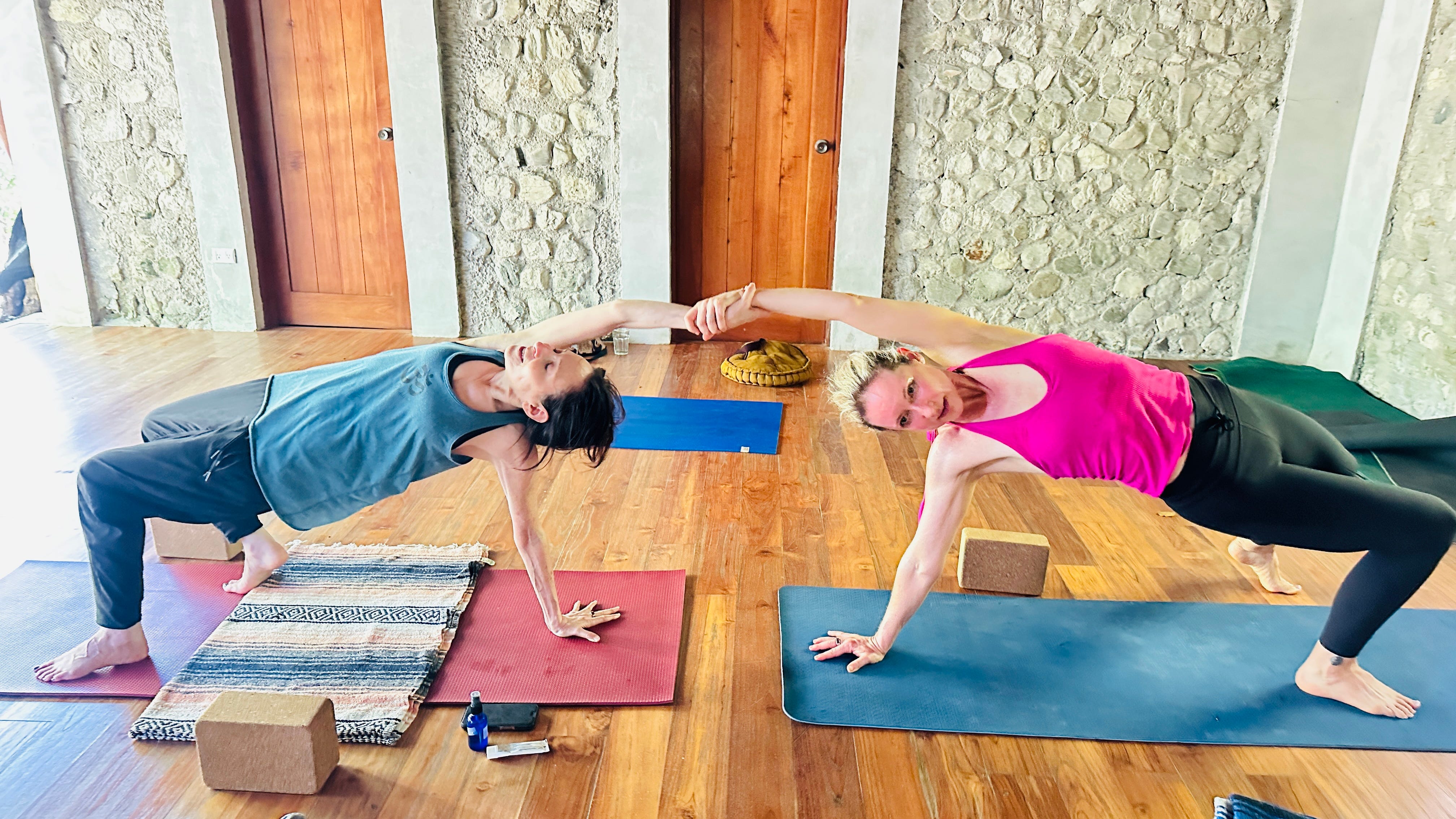
Moving is Wise Effort
When we can get around psychological barriers to movement, we can use our energy toward things we care about–like moving our body for health, to engage with our loved ones, or to keep doing what we love. Everyone’s reason to move is unique, and when you discover yours, exercise becomes less about willpower and more about flexibility, creativity, and self-kindness.
And that’s when it becomes sustainable for the long run.
Comments
Nothing yet. Say the first thing.
Sign in to join the conversation.