
How Restoring REM and Deep Slow-Wave Cycles Drive Brain Detox, Full-Body Regeneration, Memory and Emotional Processing Through Dreaming, and Overall Vitality
Sleep is far more than downtime—it’s an active, orchestrated process that restores the body, clears the brain, consolidates memories, and processes emotions. Most adults cycle through two critical phases each night: deep slow-wave sleep (SWS or N3) and REM (rapid eye movement) sleep. These stages alternate in ~90-minute cycles, delivering complementary benefits that keep us physically healthy, mentally sharp, and emotionally balanced. Understanding their actions, regeneration roles, glymphatic clearance, and total-body/CNS benefits reveals why consistent, high-quality sleep is essential—and why disruptions (or improvements) can dramatically affect how we feel.
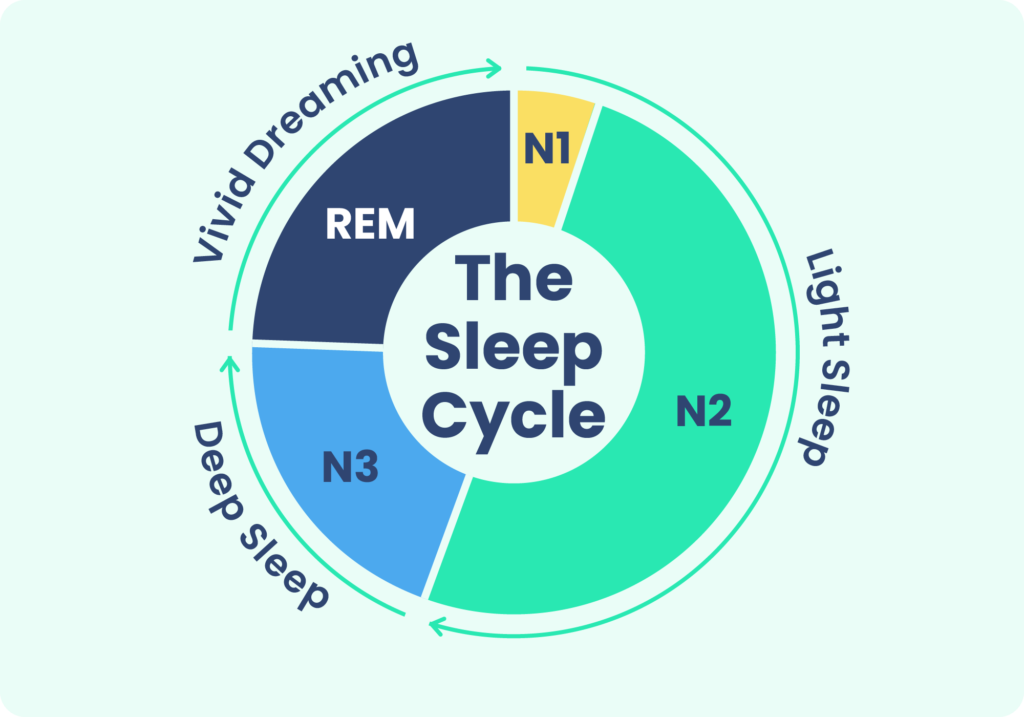
The Architecture of Sleep: Cycles That Balance Restoration
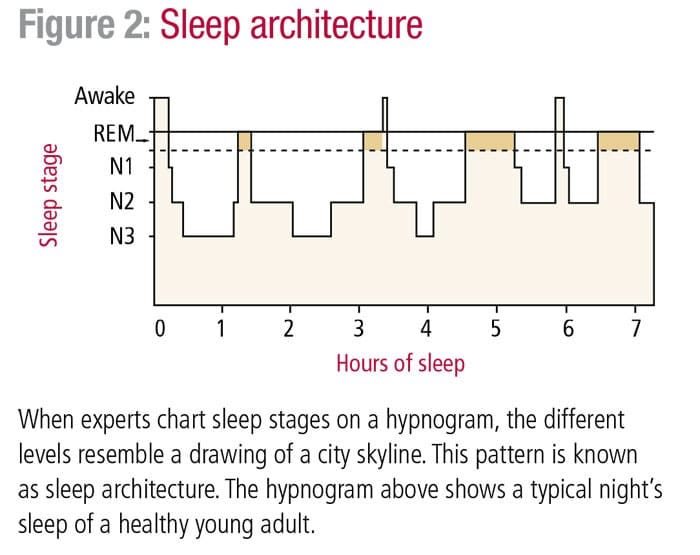
Sleep occurs in repeating 90–120 minute cycles (typically 4–6 per night). Each cycle moves through lighter Non-REM stages (N1 and N2) into deep SWS (N3), then briefly back to N2 before entering REM. A typical night’s hypnogram (sleep architecture chart) shows a clear pattern: early night dominated by deep SWS for physical repair and brain detox, later night shifting toward longer REM periods for emotional and cognitive integration.
Early night: More SWS (physical restoration peaks).
Later night: More REM and lighter N2 (mental/emotional processing peaks).
Total breakdown: ~75% NREM (mostly N2), ~20–25% REM. SWS declines with age, while REM remains relatively stable until later life.
Brief awakenings are normal but often unnoticed. Disruptions (stress, aging, substances) shorten SWS first, impairing clearance and repair, while REM loss hits mood and memory hardest.
Deep Slow-Wave Sleep (SWS / N3): The Body’s Repair Shop and Brain’s Detox System
Deep slow-wave sleep dominates the first half of the night and makes up 15–25% of total sleep (decreasing with age). Brain activity slows to high-amplitude delta waves (0.5–4 Hz), metabolism drops, heart rate and breathing become slow and steady, and arousal threshold is highest.
Actions and regeneration:
Peak growth hormone (GH) release promotes tissue repair, protein synthesis, muscle/bone growth, and cell regeneration.
Enhanced immune function via cytokine release and T-cell activity—ideal for recovery from illness or injury.
Metabolic restoration: lowered core temperature and energy use support overall homeostasis.
Glymphatic clearance through CSF flow: This is where the brain’s waste-removal system shines. During SWS, glial cells shrink by ~60%, interstitial space expands, and cerebrospinal fluid (CSF) pulses vigorously through perivascular spaces. The glymphatic system flushes metabolic waste (amyloid-β, tau, lactate) from brain tissue into veins and lymphatics to take to the liver for processing and elimination—far more efficiently than during wakefulness or REM. Slow delta waves and norepinephrine dynamics drive this “brain wash,” protecting against neurodegeneration.
Total-body and CNS benefits:
Physical repair of daily wear-and-tear on muscles, bones, and organs.
Declarative memory consolidation (facts, events, spatial memories) via synaptic homeostasis—downscaling weak connections to prevent overload.
Restored cognitive capacity for the next day; you truly wake up feeling refreshed.
SWS is the most physically restorative phase—essential for immune resilience, energy restoration, and long-term brain health.
REM Sleep: Where Memory, Emotion Processing, and “Emotional Resolution” Happen
REM (also called paradoxical sleep) typically starts 70–90 minutes after sleep onset and lengthens later in the night, comprising 20–25% of sleep. Cerebral blood flow and metabolism increase.
Physiological actions:
Rapid eye movements under closed lids.
Profound skeletal muscle atonia (paralysis) via brainstem inhibition—preventing dream enactment (except eyes and diaphragm).
Irregular heart rate, blood pressure, breathing; increased genital blood flow.
Normal neurotransmitter dynamics: Acetylcholine (ACh) surges, driving high brain activity, rapid eye movements, and vivid, emotional dream content. Norepinephrine, serotonin, and histamine drop sharply (near silence), largely inhibited by GABAergic neurons. This disinhibition allows REM to emerge and amplifies limbic (emotional) activity, contributing to the intensity of dreams or nightmares. GABA actively gates the transition and maintains atonia.
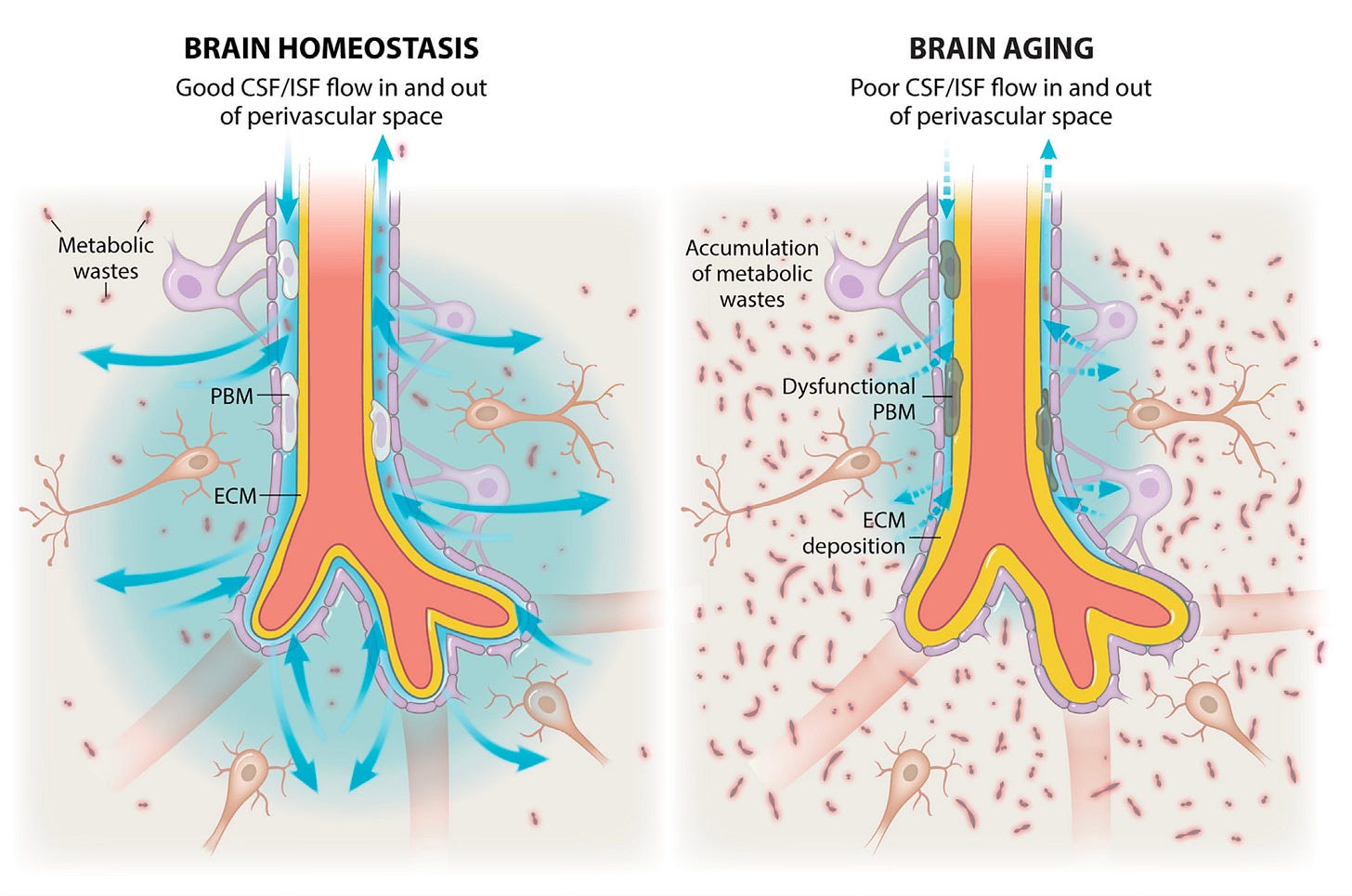
Glymphatic clearance: Minimal compared to SWS—higher brain activity and different norepinephrine dynamics reduce waste flushing efficiency.
Regeneration and total-body benefits: Limited direct physical repair (those are NREM-driven). REM supports brain-body coordination indirectly by reducing chronic stress through emotional regulation.
CNS benefits and emotional processing: REM is the primary stage for memory and emotion processing—and resolution. The brain reactivates emotional memories via amygdala–hippocampus connections, processes and integrates them, and often reduces the emotional intensity or “charge” (a process called emotional memory consolidation or fear extinction). This helps you wake with better emotional regulation: less reactivity to negative experiences, improved mood stability, and clearer memory storage. People with more dreaming or higher dream affect show stronger overnight emotional processing and better retention of charged information. Vivid or intense dreams often signal active processing.
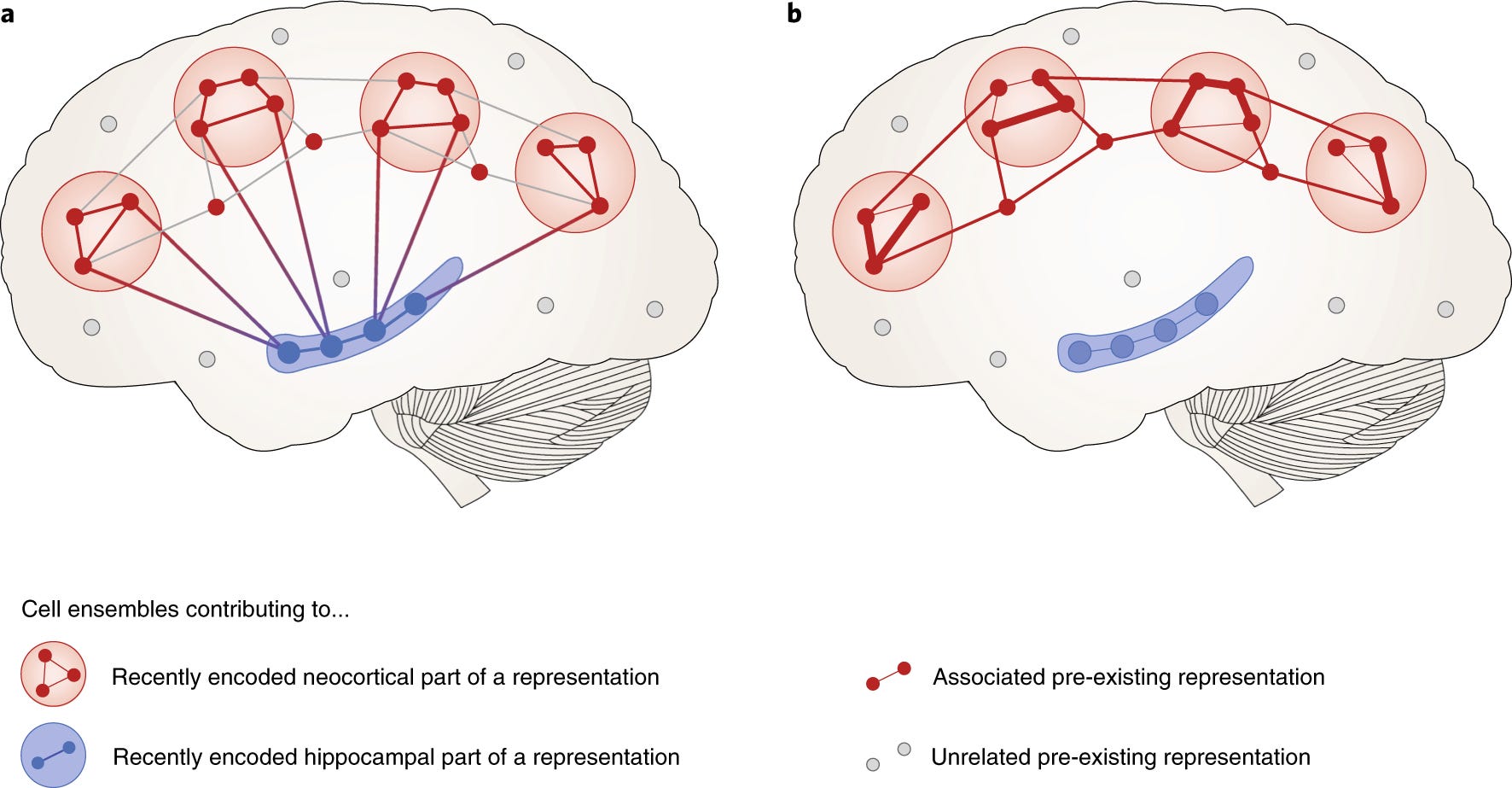
Additional benefits include:
Procedural (“how-to”) memory consolidation and skill integration.
Brain and nerve plasticity (new growth), creativity, problem-solving, and learning.
Overall neural recalibration for long-term retention.
REM deprivation hits mood, anxiety, and cognitive flexibility hardest—underscoring its role in mental health.
When These Restorative Processes Fail: Chronic Fight-or-Flight, Low GABA, and Drug/Alcohol Use and Abuse
When the delicate balance of SWS and REM is chronically disrupted—most commonly by sustained fight-or-flight activation, insufficient GABA signaling, or substance use—the brain and body pay a steep price. These factors create a vicious cycle of fragmented sleep, impaired clearance, and unprocessed emotional load that accelerates wear-and-tear rather than repair.
Chronic fight-or-flight (sustained stress) keeps cortisol and norepinephrine elevated, promoting hyperarousal that fragments sleep with frequent micro-awakenings. Deep SWS is suppressed first, slashing glymphatic clearance and allowing toxic waste (amyloid-β, tau) to accumulate—raising long-term neurodegeneration risk. REM becomes shorter, lower-quality, or poorly timed, leaving emotional memories unprocessed. The result: heightened amygdala reactivity, emotional rawness, anxiety, depression, mood instability, and difficulty regulating fear or stress the next day. Over time, this contributes to cognitive decline, weakened immunity, and a brain that feels constantly “on edge.”
Low GABA (the brain’s primary inhibitory neurotransmitter) compounds the problem. Insufficient GABA fails to quiet arousal circuits, making it harder to fall asleep, stay asleep, or transition smoothly into deeper stages. Studies link shorter sleep duration directly to lower brain GABA levels, which in turn worsens insomnia and reduces both SWS (less repair and detox) and REM (less emotional resolution). People feel perpetually wired yet exhausted, with poor memory consolidation and emotional backlog building night after night.
Drug and alcohol use/abuse are particularly disruptive. Alcohol initially sedates and may briefly boost early-night SWS, but it dose-dependently suppresses REM (especially in the first half of the night), fragments later sleep with more wakefulness, and prevents full glymphatic efficiency. Chronic use leads to persistent architecture changes—even during abstinence—including reduced SWS, altered REM, and rebound intense dreaming that fails to resolve emotions properly. Other substances (stimulants like cocaine/amphetamines, opioids, neurotransmitter altering medications, etc.) similarly suppress REM and/or SWS, impairing waste clearance and memory/emotion processing. The outcome: accelerated brain aging, higher dementia risk, immune suppression, metabolic dysfunction, and intensified mood disorders as unprocessed trauma or daily stress festers.
Collectively, these disruptions produce brain fog, chronic fatigue, irritability, memory lapses, weakened physical recovery, and elevated risk of neurodegenerative and psychiatric conditions. The nightly “housekeeping” simply doesn’t get done, creating a growing backlog that makes each day feel heavier.
Spinal Mechanics and Impaired CSF Flow: How Subluxation and Compression Undermine Sleep Restoration
Optimal sleep benefits depend not only on good sleep architecture and neurotransmitter balance but also on unrestricted cerebrospinal fluid (CSF) circulation. Vertebral subluxations—misalignments or dysfunctional motion of spinal segments—can initiate a mechanobioelectric cascade that significantly impairs this process.
Layered subluxation (from accumulated and absorbed trauma) often leads to adaptive scoliosis as the body compensates with compensatory curves, rotation, and altered loading. This results in chronic spinal compression through foraminal narrowing, disc height loss, facet hypertrophy, and abnormal tension on the spinal cord and nerve roots via denticulate ligaments and dura.
The cascade and its effects on CSF flow and regeneration:
Mechanical compression distorts the spinal cord and nerve roots, creating partial conduction blocks and deforming axons.
It disrupts neural axon transport of critical nerve growth factors, mitochondria, and ions.
Local ischemia and inflammation promote glial scarring, creating an inhibitory environment for regeneration.
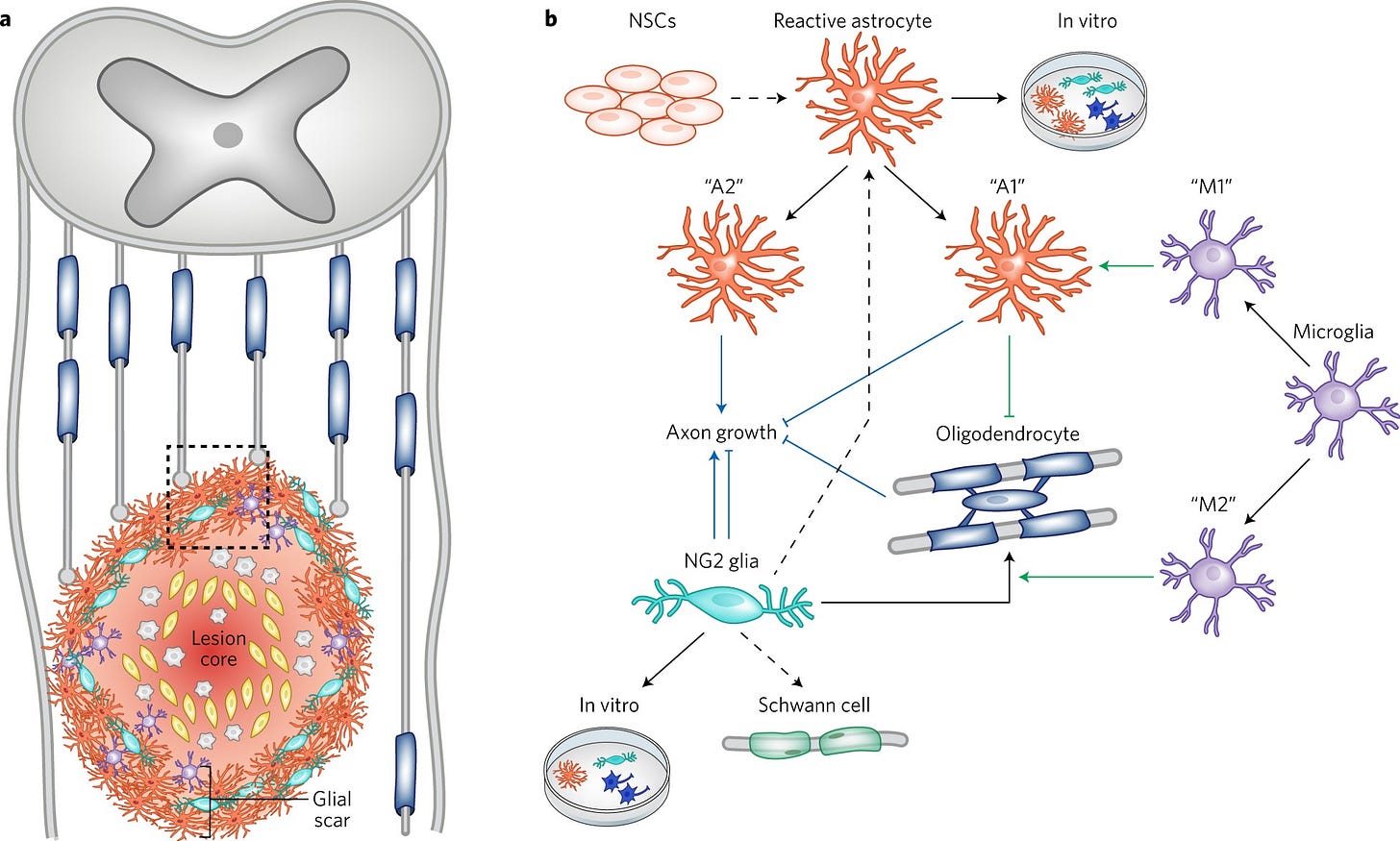
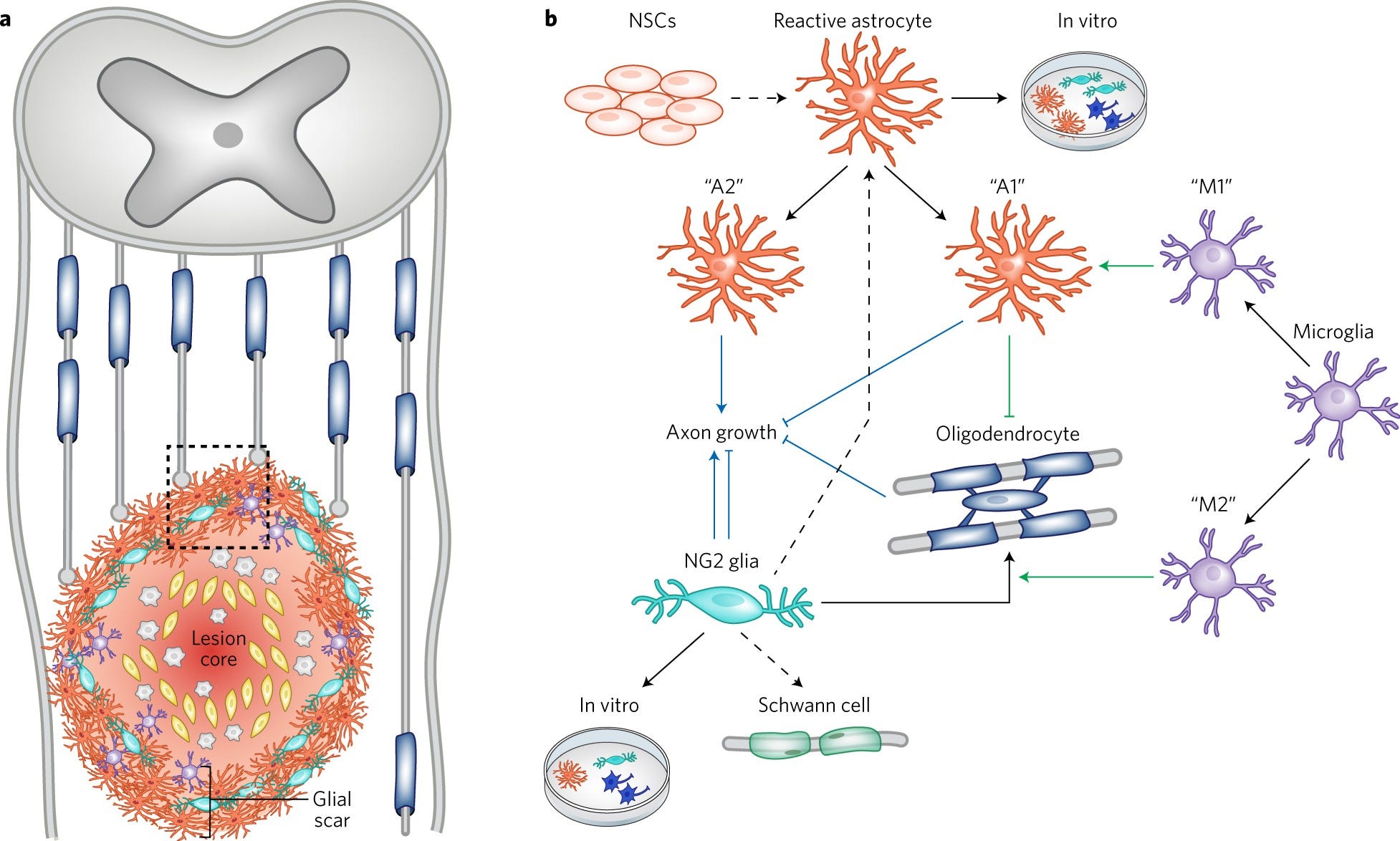
Most critically for sleep: Scoliotic curvature results in dural tension and altered pulsatile CSF flow in the subarachnoid space. This reduces the efficiency of nutrient/oxygen delivery and waste removal throughout the central nervous system.
Abnormal mechanical stress on piezoelectric spinal tissues (bone, discs, collagen) generates disordered electrical fields, further disrupting bioelectric signaling required for cellular repair and axonal guidance.
What doesn’t happen when CSF flow is compromised:
Full glymphatic clearance during deep slow-wave sleep is restricted, not only in the brain but along the spinal cord.
Effective flushing of metabolic waste products (amyloid-β, tau, lactate).
Optimal support for CNS-to-PNS axonal regeneration and maintenance.
Smooth bidirectional electrical signaling (afferent sensory and efferent motor/autonomic pathways).
Negative long-term consequences:
Accelerated buildup of neurotoxic waste, increasing risk of neurodegenerative conditions and spinal cord dysfunction (myelopathy).
Reduced neural plasticity (new CNS and nerve growth) and regenerative capacity.
Heightened chronic pain, autonomic dysregulation, and muscle imbalances that can worsen the original subluxation(s).
Compounded impairment of sleep’s restorative effects: even with adequate SWS and REM time, the brain and spinal cord cannot fully detoxify or repair, leading to persistent brain fog, emotional dysregulation, physical fatigue, and slower recovery from daily stressors.
Addressing spinal alignment through the YES Test and The Master Reset therefore complements sleep optimization by removing vagus nerve inhibition, restoring proper CSF dynamics, and supporting the full benefits of both deep sleep and REM.
GABA-Enhancement Can Enable “Fuller” REM and Catch-Up Processing
Strategies that boost GABA signaling (such as OG Sleep, which combines compounds Shoden ashwagandha, apigenin, lemon balm, noble kava extract, and holy basil) reduce stress, improve sleep continuity, and help restore more normal sleep architecture. Research on similar GABAergic approaches shows they can increase total REM and/or NREM time. When transitioning from suboptimal to consistent, higher-quality REM, the brain often experiences a mild REM rebound: it compensates by spending more time or processing more intensely to clear the backlog. This frequently manifests as more intense, emotional, or even nightmarish dreams—exactly the “catch-up” housekeeping described in many user experiences. This is not toxicity or detox; it’s the brain finally processing what it couldn’t before.
It Resolves and Fades Over Time
The catch-up phase is temporary. Once the emotional/memory backlog clears and the brain adapts to the improved GABA tone and sleep pattern (usually within days to a couple of weeks), dream intensity normalizes. Many people using GABA-supporting compounds report that vivid or strange dreams peak early and then subside with continued use. Long-term, optimized REM delivers better emotional regulation and greater resilience—you feel more stable, not worse.
Nutrition and Organ Health: The Foundation for Effective Sleep Restoration
Optimal sleep benefits depend heavily on strong nutritional foundations and efficient detoxification pathways. Therapeutic doses of key nutrients provide the raw materials the brain and body use during deep sleep and REM. Cholesterol is essential for myelin production, hormone synthesis, detoxification, energy production, and neurotransmitter function. High-quality omega fatty acids from grass-fed beef and raw milk support the brain and cell membranes, and improve synaptic health. Salt and electrolytes maintain proper hydration, nerve signaling, and muscle relaxation for uninterrupted sleep. Amino acids from high-quality protein sources are critical building blocks for neurotransmitter production and balancing — particularly GABA, serotonin, dopamine, and acetylcholine — which directly influence sleep onset, depth, emotional regulation during REM, and overall sleep architecture. A full spectrum of essential vitamins and minerals, provided in therapeutic amounts as found in OG Vitality, supports every aspect of overnight repair and recovery.
When these nutrients are lacking, the regeneration process slows dramatically. Insufficient cholesterol and amino acids impair myelin repair and neurotransmitter synthesis, while low omega fatty acids and mineral deficiencies hinder synaptic plasticity and cellular energy production. This directly delays CNS restoration during both deep slow-wave sleep and REM. At the same time, liver stagnation creates a dangerous backflow: the liver’s reduced capacity to process and eliminate toxins leads to systemic accumulation of metabolic waste and toxicity. In areas of neurological inhibition (linked to vagus nerve dysfunction AND spinal subluxation), autonomic control of arterial, venous, and lymphatic flow is compromised. The resulting sluggish circulation traps waste and toxicity in these vulnerable tissues, especially within the CNS, further impairing glymphatic clearance, axonal repair, and the brain and the body’s ability to fully benefit from sleep’s restorative cycles.
A properly functioning, non-stagnant liver is therefore essential. Resolving vagus nerve inhibition with The Master Reset improves parasympathetic tone and liver function. OG Liver Kidney further supports this by clearing bile ducts, supplying key nutrients for liver regeneration, and enhancing natural detoxification capacity. When the liver is cleared and revitalized, waste removal and overall detoxification become far more efficient — greatly amplifying the restorative power of both deep SWS and REM sleep.
Prioritizing Both Stages for Lifelong Health
Deep SWS handles the heavy lifting of physical regeneration and glymphatic brain detox, while REM tackles the nuanced work of emotional resolution and memory integration. Their elegant nightly dance—guided by natural cycles and supported by healthy GABA signaling—delivers total-body repair, CNS clarity, and emotional balance. Consistent 7–9 hours of uninterrupted sleep maximizes these benefits. When life (or substances, stress, or spinal mechanics) disrupts that balance, targeted GABA enhancement and The Master Reset can help restore the architecture, clear the backlog, and return you to feeling like yourself—often with a temporary wave of vivid dreams as proof that the brain is finally catching up.
Sweet dreams (and clearer mornings) await when you give your sleep—and your spine—the support it deserves.
VERY HELPFUL Support groups exist on Telegram where currently hundreds of people chat about their real-life experiences with these protocols, and help answer questions for those new to this process:
Visit OGChiropractic.com and click the “Schedule” button to book with us!
Offices in Southlake, Texas (DFW Metro) and Stephenville, Texas
To make an appointment with me, or a Master Reset / Y.E.S. Test Certified doc:
With Dr C in the DFW / Texas: Click this link to SCHEDULE
Other docs located in Kansas, Florida, North Carolina, Arizona, California, Wisconsin, Washington, Ontario Canada, and Australia: Click this link to find their contact information!
Help us share this knowledge to the world!!
Tell a friend!
Thanks for reading Dr. C's Health and Wellness! This post is public so feel free to share it.
Comments
Nothing yet. Say the first thing.
Sign in to join the conversation.