
I’m writing this post-morning-run in Paris, before the temperatures reach unbearable levels in this apartment and I retreat to a technically ‘air-conditioned’ co-working space. What I’ve learned is that in Paris what that means is they leave the door open and hope for a breeze.
There has been no breeze.
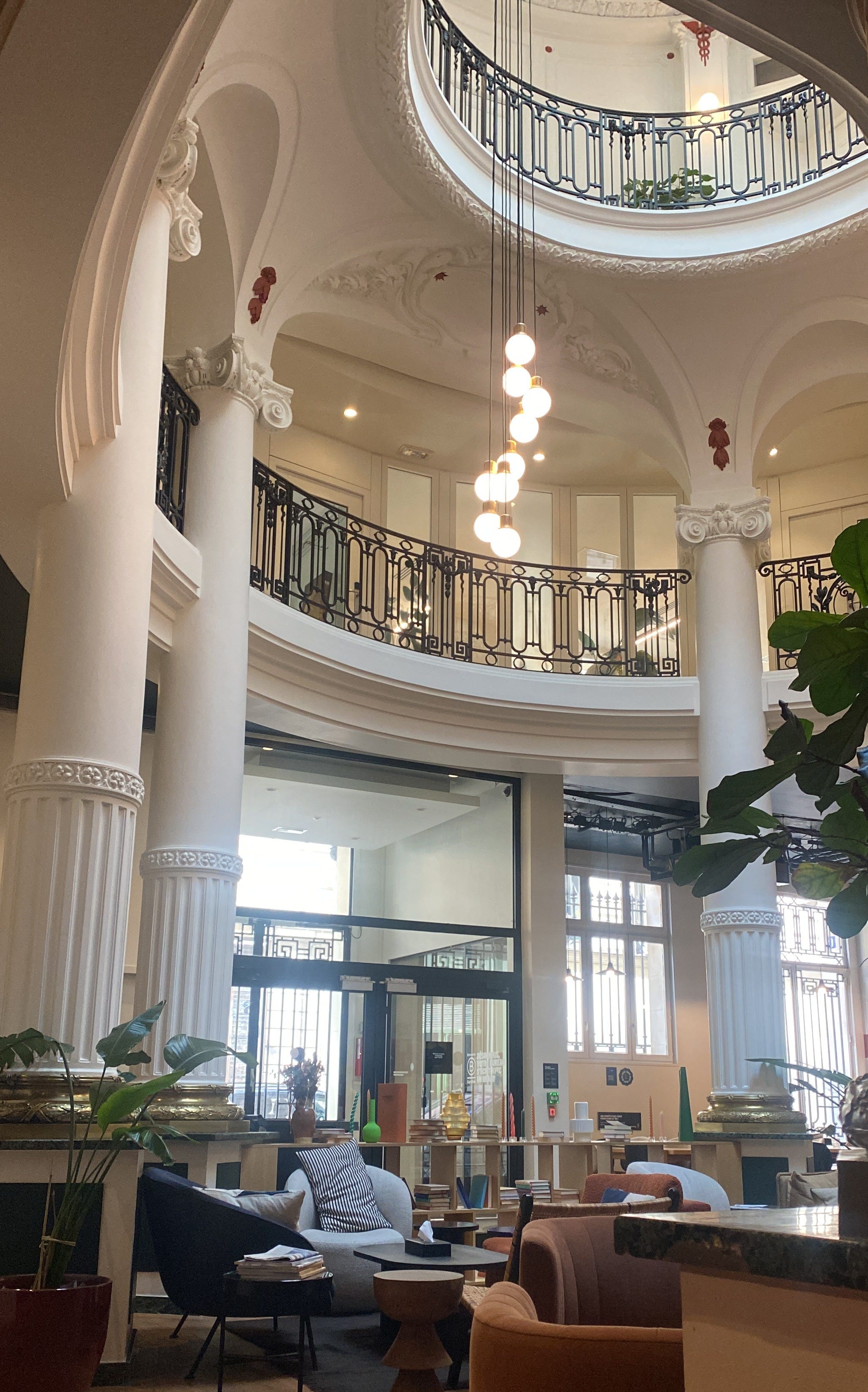
Last week was a big week. On Monday, I got to announce a project I’ve been working on for the best part of 18 months - a new approach to nuclear that solves a lot of my problems with it. We just raised £15 million to build it.
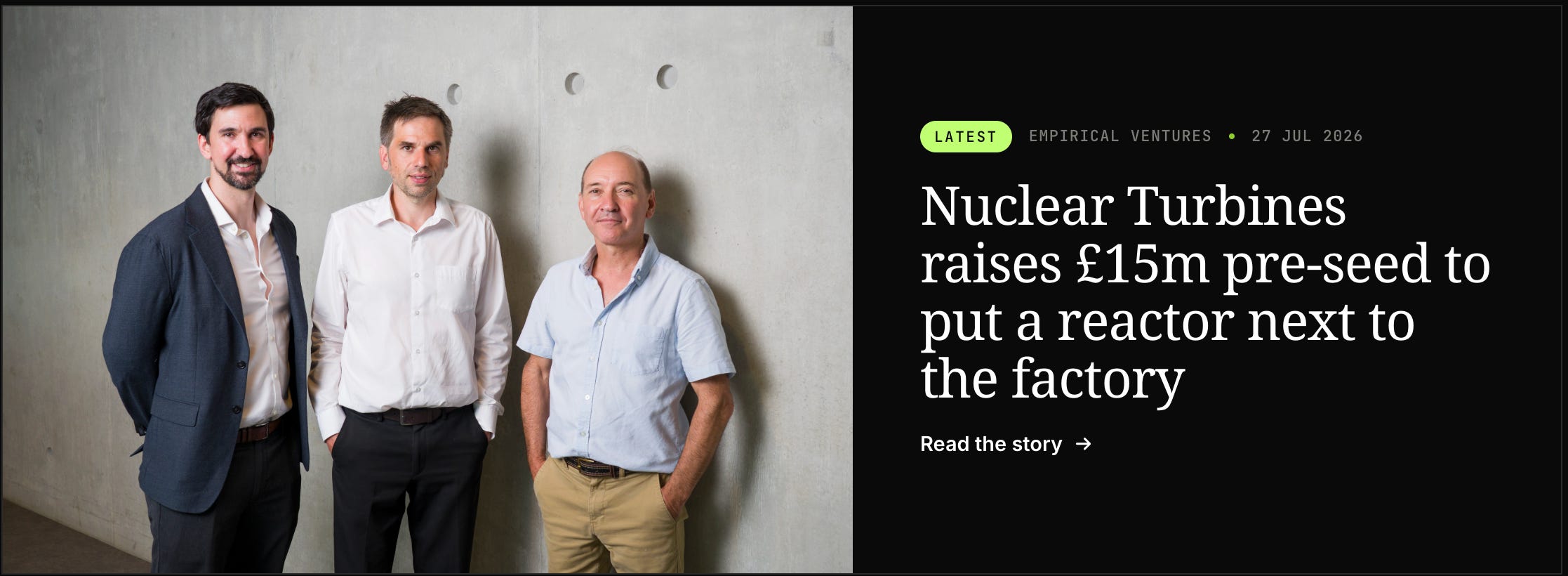
I want to tell a small piece of that story this week.
In 2024, I got a message from two exceptional individuals. One of them, Jeremy, a (now-ex) nuclear submarine engineer at one of the world’s largest defence primes. The other, Tim, one of the world’s most respected academic scientists at the cutting edge of nuclear design and fuel systems.
They had an idea.
So did I. (Summary video below)
Nearly every nuclear reactor takes a very advanced and complex approach to creating the conditions needed for a sustained nuclear reaction - and uses the heat that it produces to run a steam engine - a technology that still largely works the way it did in the 1800’s.
The downside - is that steam engines are difficult to run and maintain, surprisingly expensive, and because of material constraints they are capped at temperatures around 300ºC (or low temperature heat) meaning their overall efficiency is around 33%.
In order to the economics of plant cost work and ultimately lower the cost of electricity, these disappointing thermodynamics encourage nuclear plants to be “large” even if they call themselves Small Modular Reactors. But large reactors typically run over budget and time (looking at you Hinkley Point C - which is 5 years late and £30B over budget).
So what’s the solve?
Don’t try to design a more efficient reactor and plug it into the same old steam infrastructure. Ditch the steam engine and start by asking:
What the most efficient way to turn heat into electricity? The answer?
A gas turbine engine.
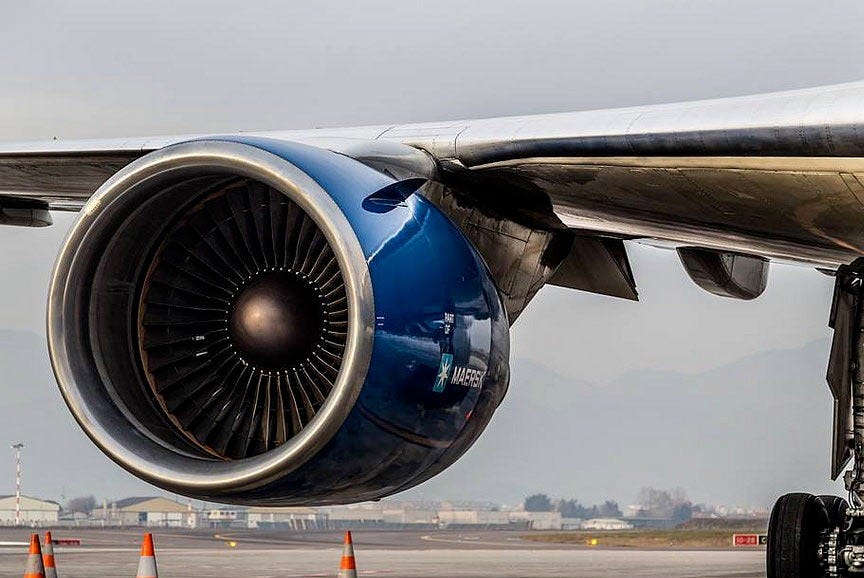
They sit under the wing of most aeroplanes and every gas-fired power station in the country. Running on 1,000°C heat, in combined cycle they reach around 60% efficiency. They are compact, efficient, and economically viable at small scale.
So why has nobody put a gas turbine on a reactor?
Conventional reactors can’t get air that hot. The designs that can run hot have historically relied on graphite, and graphite has an awkward property, it burns at 700ºC in an air environment.
The reactor needs to not use graphite at all, and also avoid the expensive closed helium gas loops that sank previous attempts at this approach. It needs to heat compressed air directly and feeds it straight to the turbine.
That’s very hard to achieve.
But, inside of of the worlds best engineering firms - that’s what happened.
They created a design. Then they hit a wall.
The parent company didn’t want to further support a nuclear project on its books - so said shelve the idea or continue it on your own. (They picked the latter).
Building a nuclear reactor design is one thing. Spinning it out of the parent company, building the commercial infrastructure and case to raise investment, and converting two fantastic engineers into fantastic entrepreneurs is another.
Now, it’s 18 months later and Nuclear Turbines is finally out of stealth mode. We’ve raised the capital to start putting this plan into action and attracted some fantastic advisers and investors in to support us on the journey.
I’m hoping to announce something soon that let’s us expand this to work with more scientists and breakthrough soon. If you are a scientist that is looking to change the world - stay up to date here.
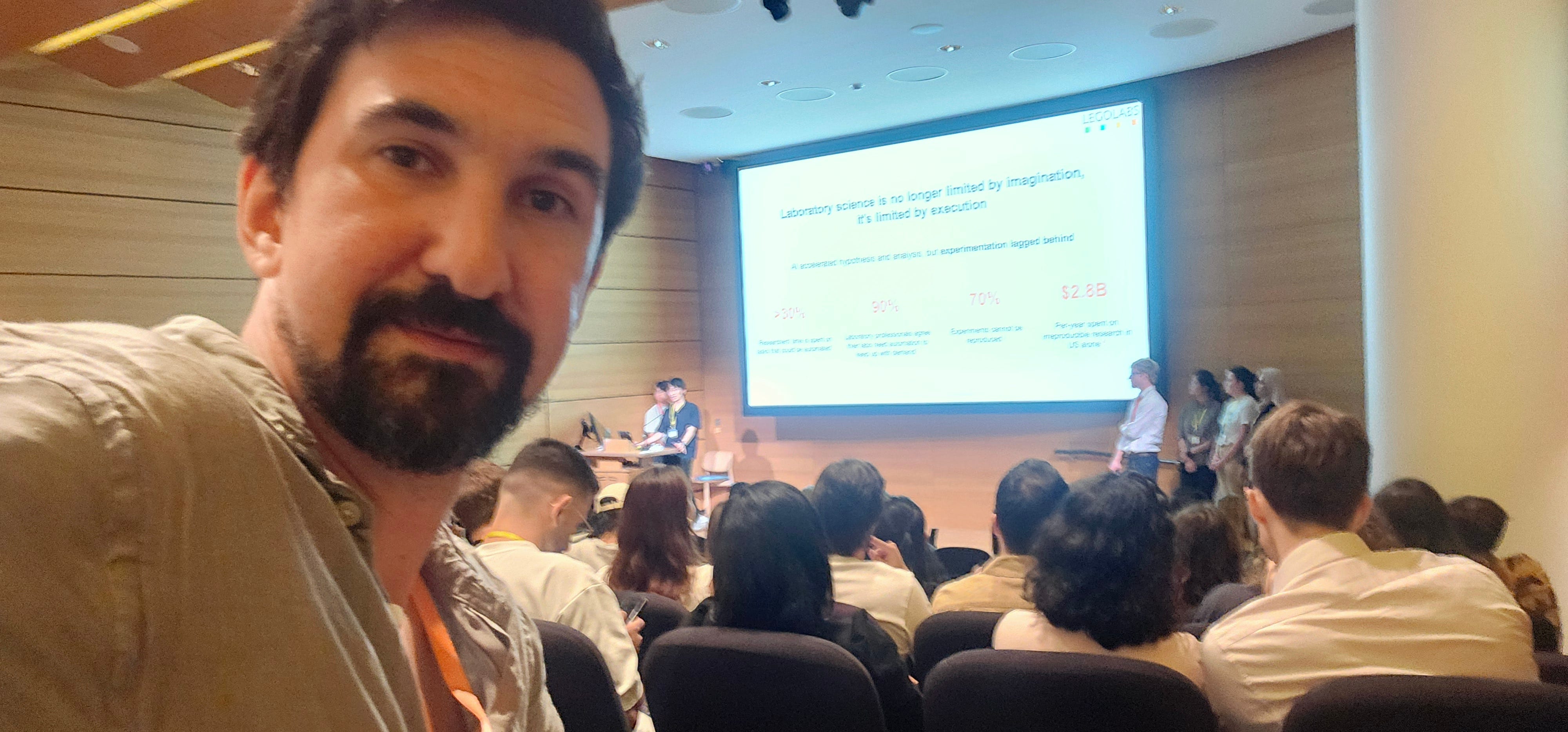
Met - The Francis Crick Institute - an 18-hour there-and-back trip to London. Met a lot of fantastic future entrepreneurs and world changers. Life-science focused - so different discipline, same underlying puzzle: brilliant people, and a long unglamorous road between the science and the thing that actually gets built.
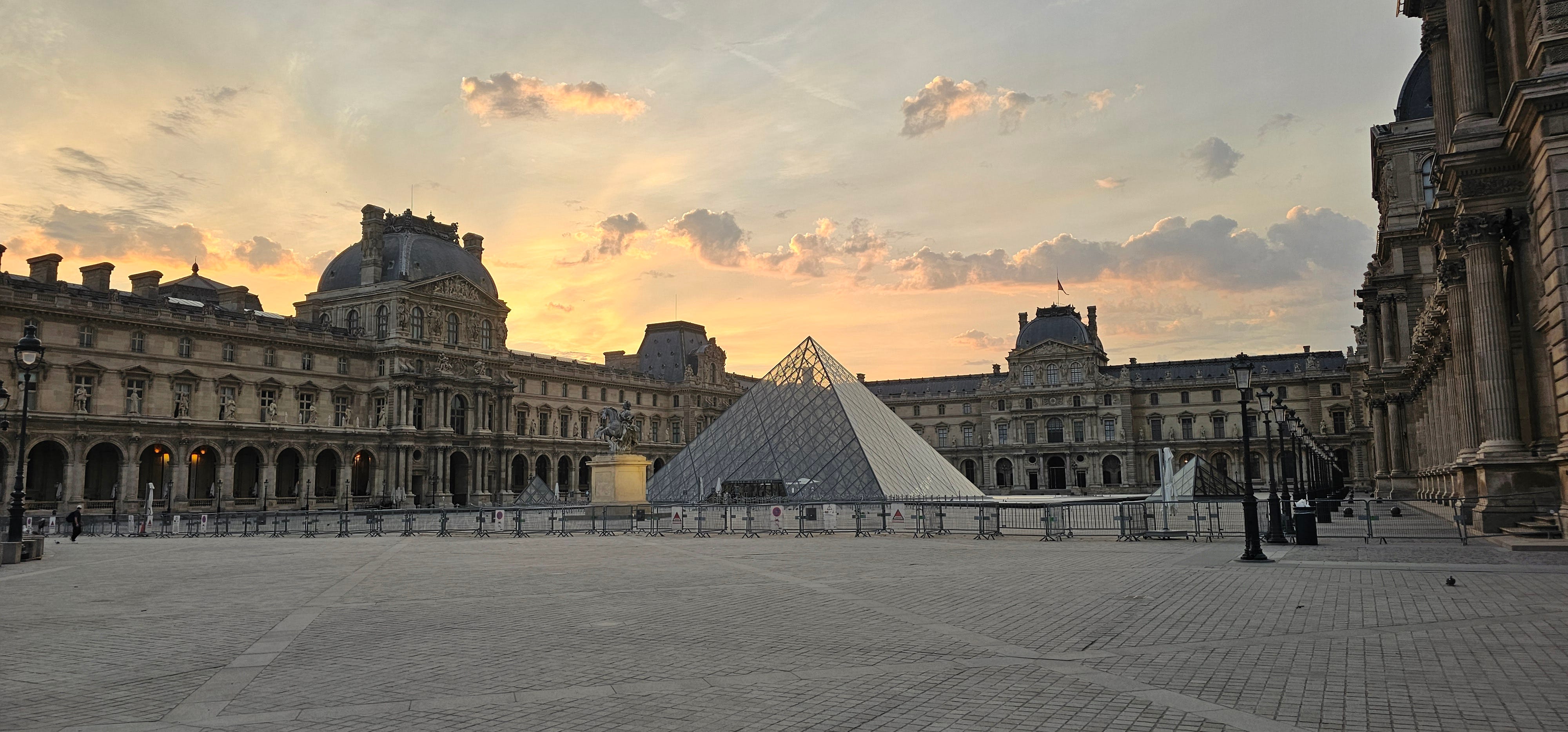
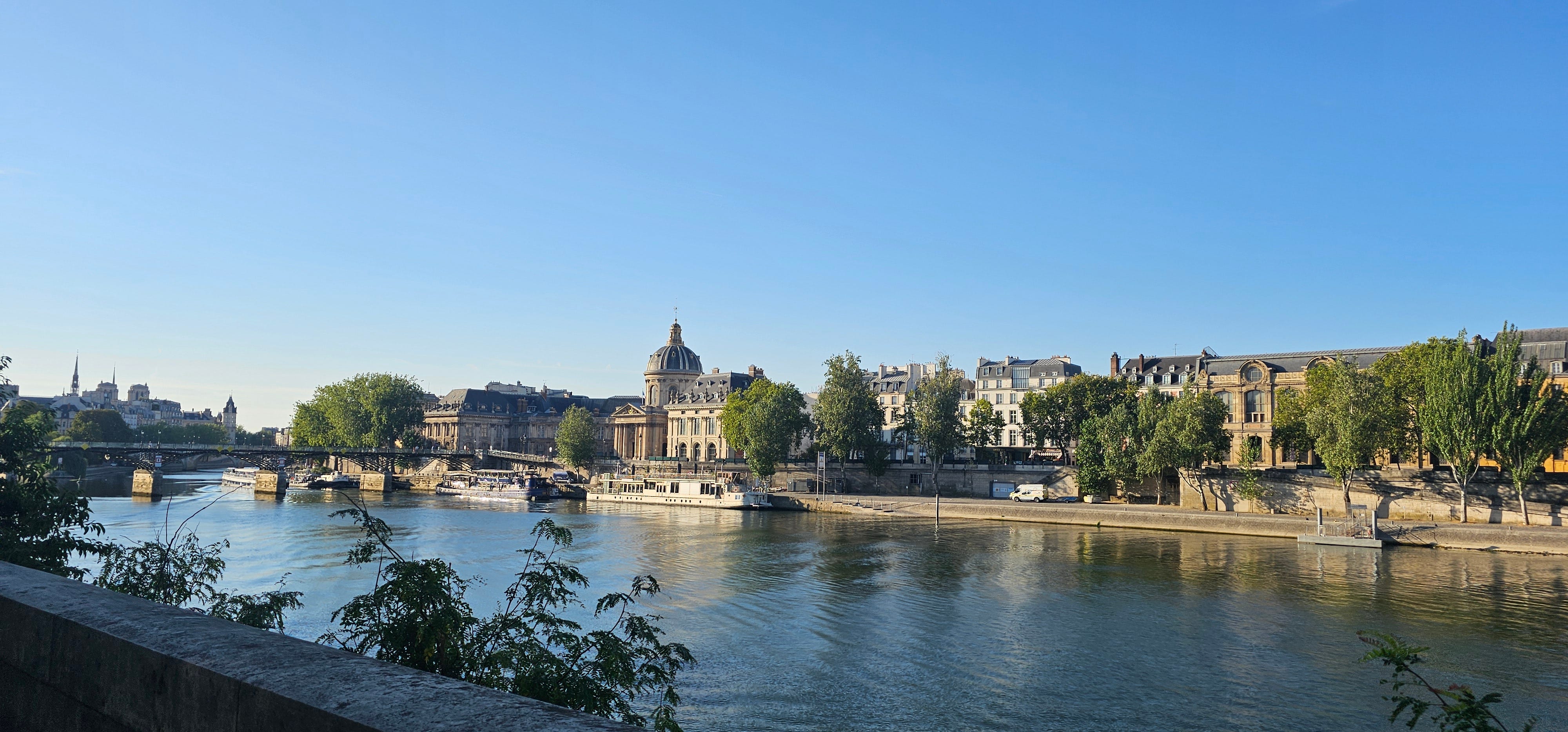
Saw - The Louvre and Seine on the morning run - empty, still, doing its best impression of a postcard before the city wakes up.
Running is a habit I’ve returned to this past month, and I’ll admit my current setting makes it very easy. But there’s a particular beauty to taking my morning route at 6am - a constant reminder of what’s there even when no one’s around to appreciate it.
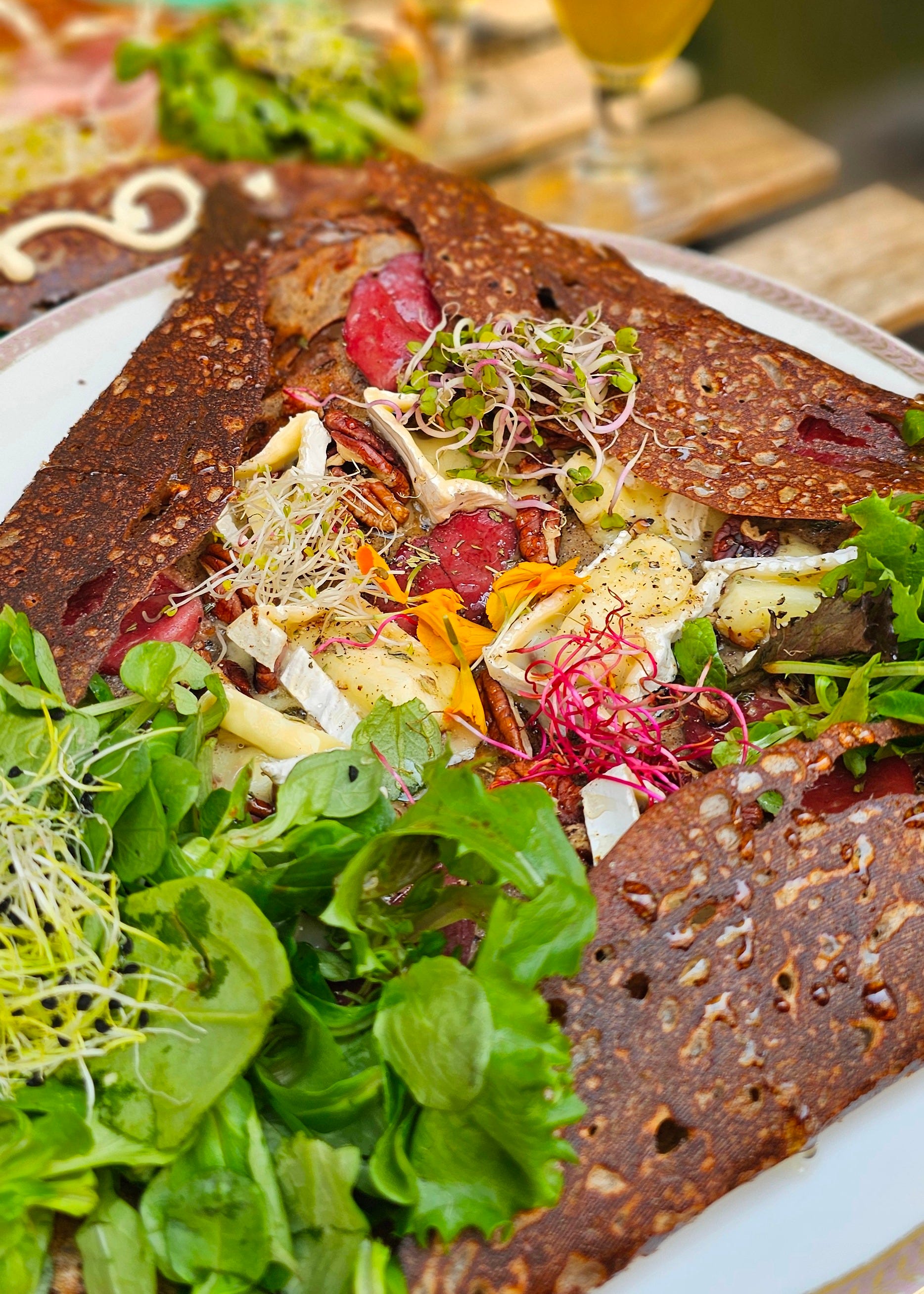
Tasted - A galette - a strong contender for an acceptable savoury pancake, which takes some doing in my book. Am I a full convert? No not yet. But the door is now wide open.
Two years ago this was a cold message from two strangers and hope and a dream. This week it was £15 million and a page in The Times.
I’ve spent a decade now watching the gap between a discovery and a company, and the thing I keep relearning is that it almost never fails because the science was wrong. It fails because nobody did the unglamorous work in between - the licence negotiation, the techno-economic model, the advisory board, the logo.
Which is the whole reason I write this down.
Feedback always welcome.
Until next time
Dr Ben
No posts
Comments
Nothing yet. Say the first thing.
Sign in to join the conversation.