
Once again, I’m writing from 30,000 ft.
We’re somewhere over Virginia, and I’m watching the ground tilt beneath me on the short hop from North Carolina up to DC. The family farm. “Home”.
I've always been fascinated by what the actual maximum parallel task list is for one person - how much you can carry at once before something has to give. And these past few months, between the fund, the venture studio, the youtube channel, a lot of travel, and a few secret projects - I’ve been running at 11 out of 10 since last November.
So I’m taking two weeks “off” to still work but from a single location, surrounded by fields and wildlife… and family, but that might be covered by wildlife…
I’ve spent the last few days in North Carolina with the Schmidt Science Fellows. A fantastically inspirational and wonderful bunch.
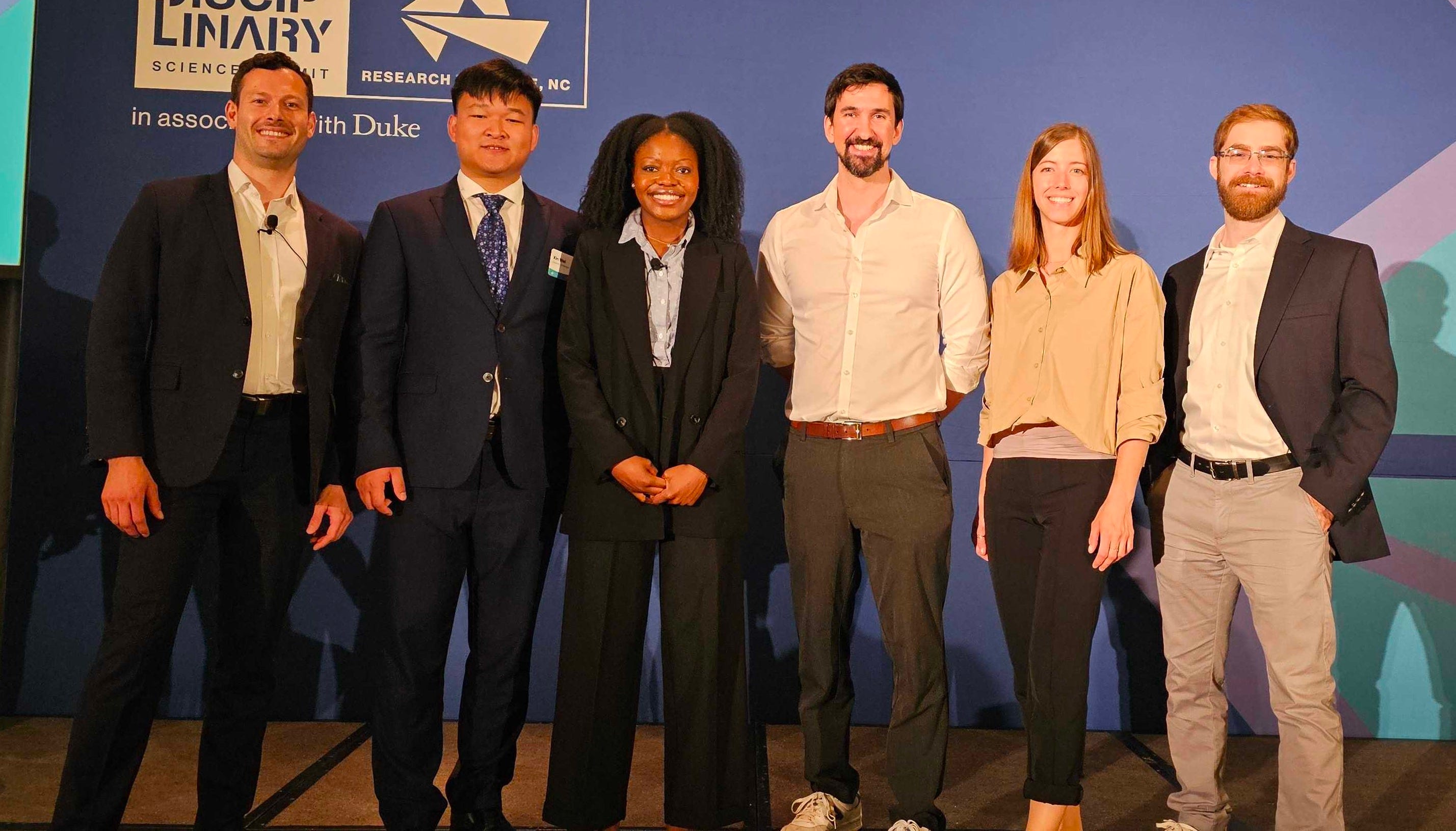
To be one, you’ve had to finish a PhD in one field and then pursue a research career in a completely different one. A physicist pivoting into biology, or a chemist moving into engineering might sound inefficient but it’s actually the opposite. Because often, the fastest way to break open a stuck problem is to walk in holding a set of tools nobody in that field thought to bring.
For these exceptional individuals, I’m very fortunately that for those who make a breakthrough in their work that might actually change the world, I get to teach them how to build the ventures that delivers it to the world.
Last night was the culminating pitch event, and it covered everything from an approach that removes the need for animal testing, a better model for predicting landslides, a sensor that catch heart failure before it arrives, and a way to detect insulin levels in the body.
But, it’s one of the others I want to tell you about.
(❗️Squeamish medical image warning below❗️)
A probe the brain forgets to fight
Brain probes are how we listen to the brain's electrical conversation from the inside. For a condition like epilepsy, an implant can sit exactly where the seizures start, catch the first sign of neurons slipping into abnormal, synchronised firing, and answer with a precise pulse of current - resetting the region to break the storm before it spreads.
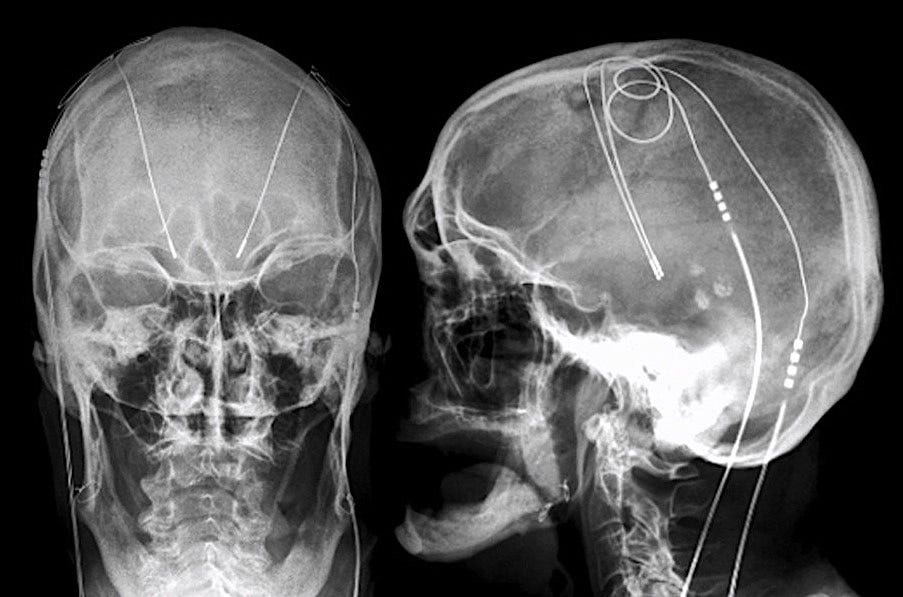
The problem is that the devices we've used for decades - rigid silicon and metal shanks, millimetres thick - are, in mechanical terms, absurdly out of place. A silicon probe has a stiffness of around 200 gigapascals. Brain tissue comes in at roughly one kilopascal. That's a difference of about eight orders of magnitude. Picture pushing a steel girder into a bowl of jelly.
And the brain is never still - this wobbly mass of neurons suspended in fat and water pulses with your heartbeat, shifts with every breath, drifts on the tide of cerebrospinal fluid. As the soft tissue moves, the stiff probe doesn’t. So the two grind against each other, microscopically, thousands of times an hour, for the rest of the implant’s life.
The brain does what any tissue does when something hard and foreign keeps rubbing it the wrong way - it mounts an immune response and walls the intruder off. Cells called glia pile up around the probe and form a glial scar.
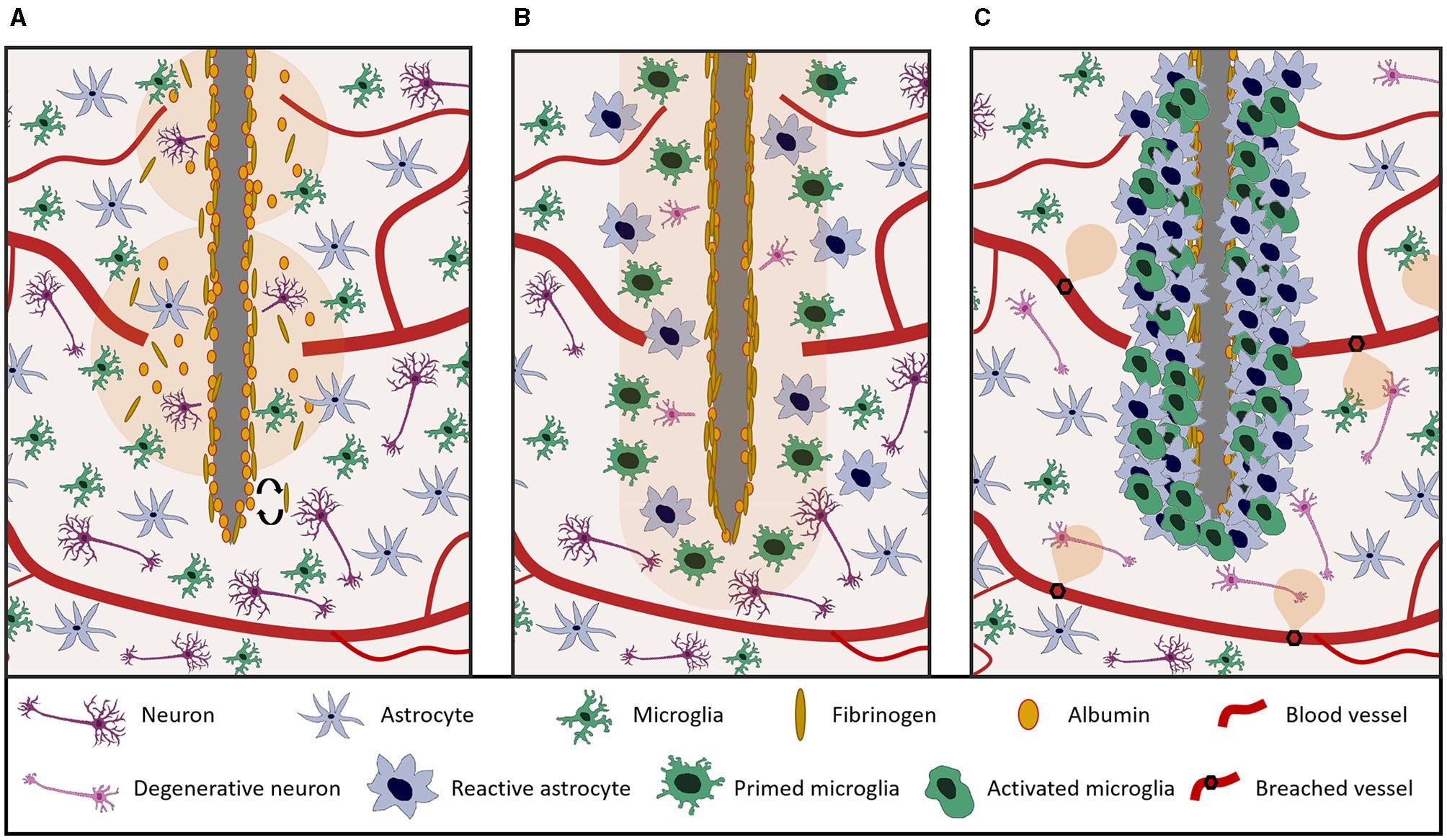
That scar is where the trouble starts. It insulates the electrode from the very neurons it's trying to hear and treat, so the signal fades over weeks and months. And because these rigid probes are so blunt to begin, with big electrodes, sitting among thousands of cells - even at their best they read the brain as one blurred average, and stimulate it just as indiscriminately.
One of the Fellows is on a mission to build the softest, thinnest probe ever placed in a human brain - capable of resolving signals down to a single neuron without disturbing the delicate organ.
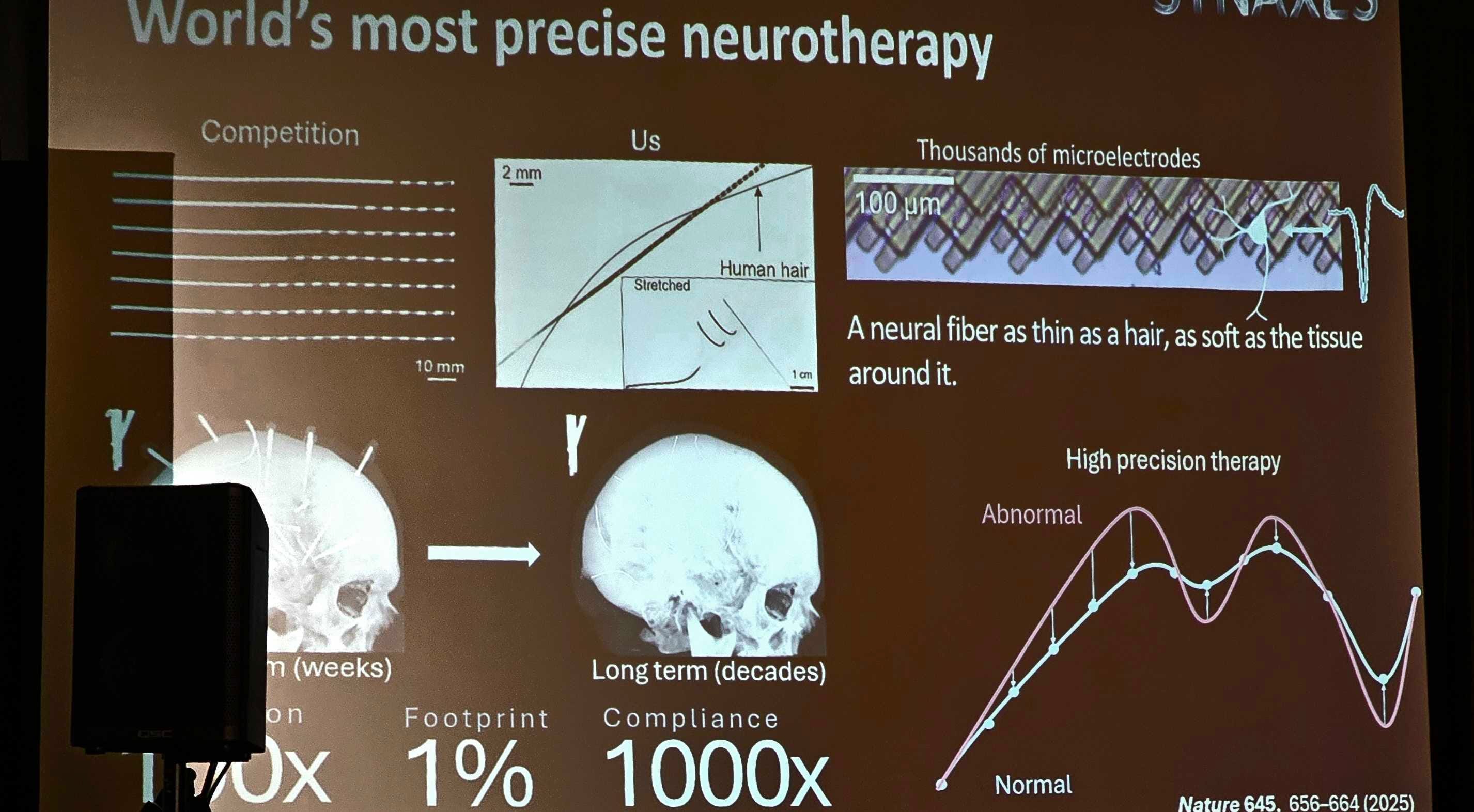
They are developing a probe nearly as soft and thin as the tissue itself - a fibre about the width of a human hair, orders of magnitude softer than anything used in clinics today, threaded with more than a thousand tiny electrodes that can each detect and send signals individually. Because the flexible implant moves in step with the brain, the “foreign body" signal that starts the scarring cascade never fires.
It's fiddly, and still has years of trials ahead. But for the roughly 20 million people living with drug-resistant epilepsy, it opens the door to a life where the next seizure isn't always around the corner. The same probe engineering could one day reach Parkinson's, chronic pain, treatment-resistant depression, and stroke recovery: anywhere the current tools force a choice between treating the problem and damaging the tissue.
An awesome team and an incredible technology - delighted to have been a tiny part of their story.
Met - The taxi driver, a couple of days back, who mentioned almost in passing that on Sundays he drives the tug - the enormous tractor that pushes the big international jets back from the gates at Rayleigh Durham. I asked which job he preferred. He said he liked them exactly the same, and took the same care with both. I’ve thought about that more than anything anyone said from a stage this week. A man who treats reversing a 400-tonne aircraft off a stand with the same attention he brings to a Tuesday-night fare across town.

Saw/Heard - A talk from the wonderful Wendy Schmidt - who, more than almost anyone I’ve met, actually believes science can reach its full potential to change the world, and then spends her energy making that belief expensive and real. It’s one thing to fund the work. It’s another to keep insisting, loudly, that it matters. She does both.
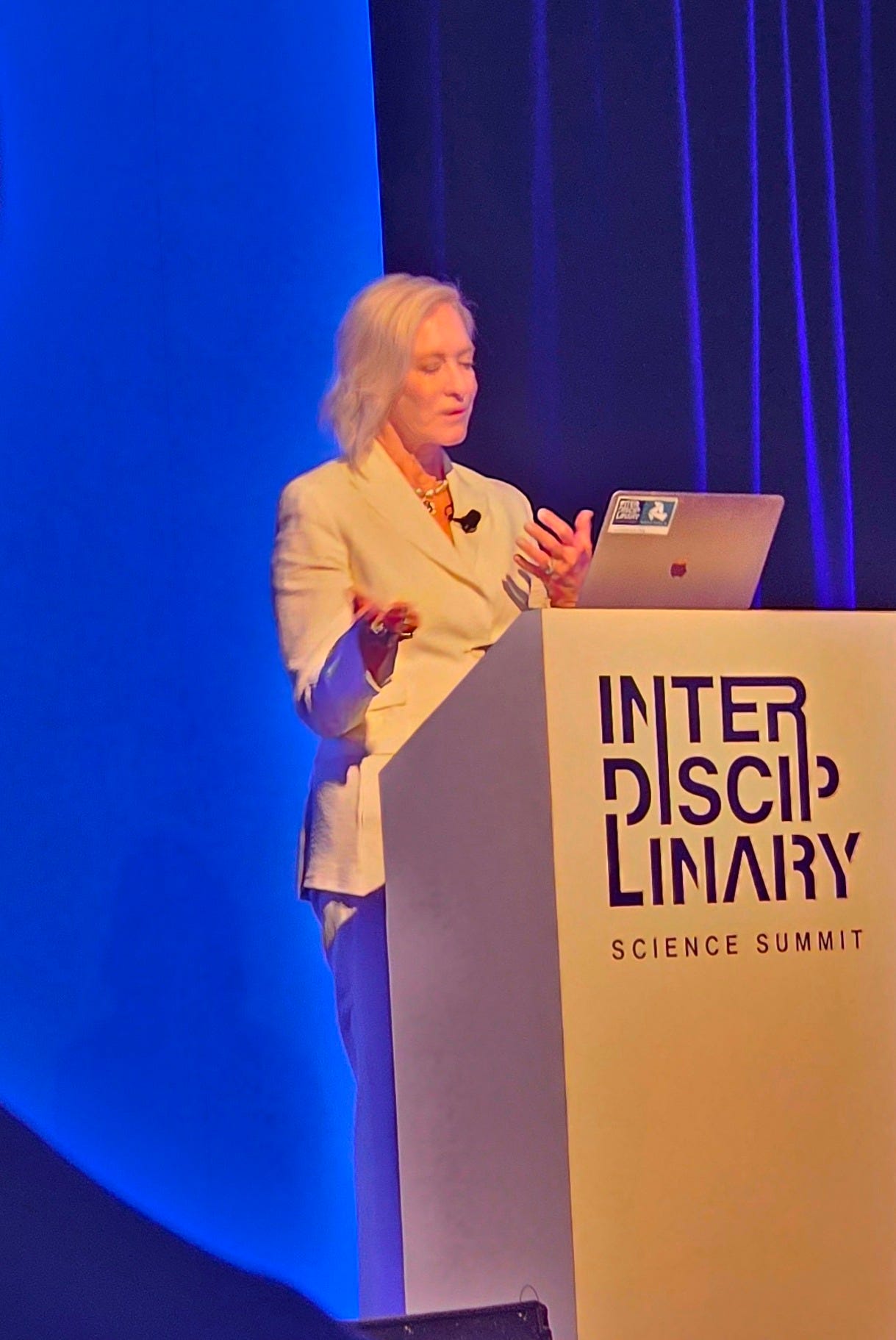
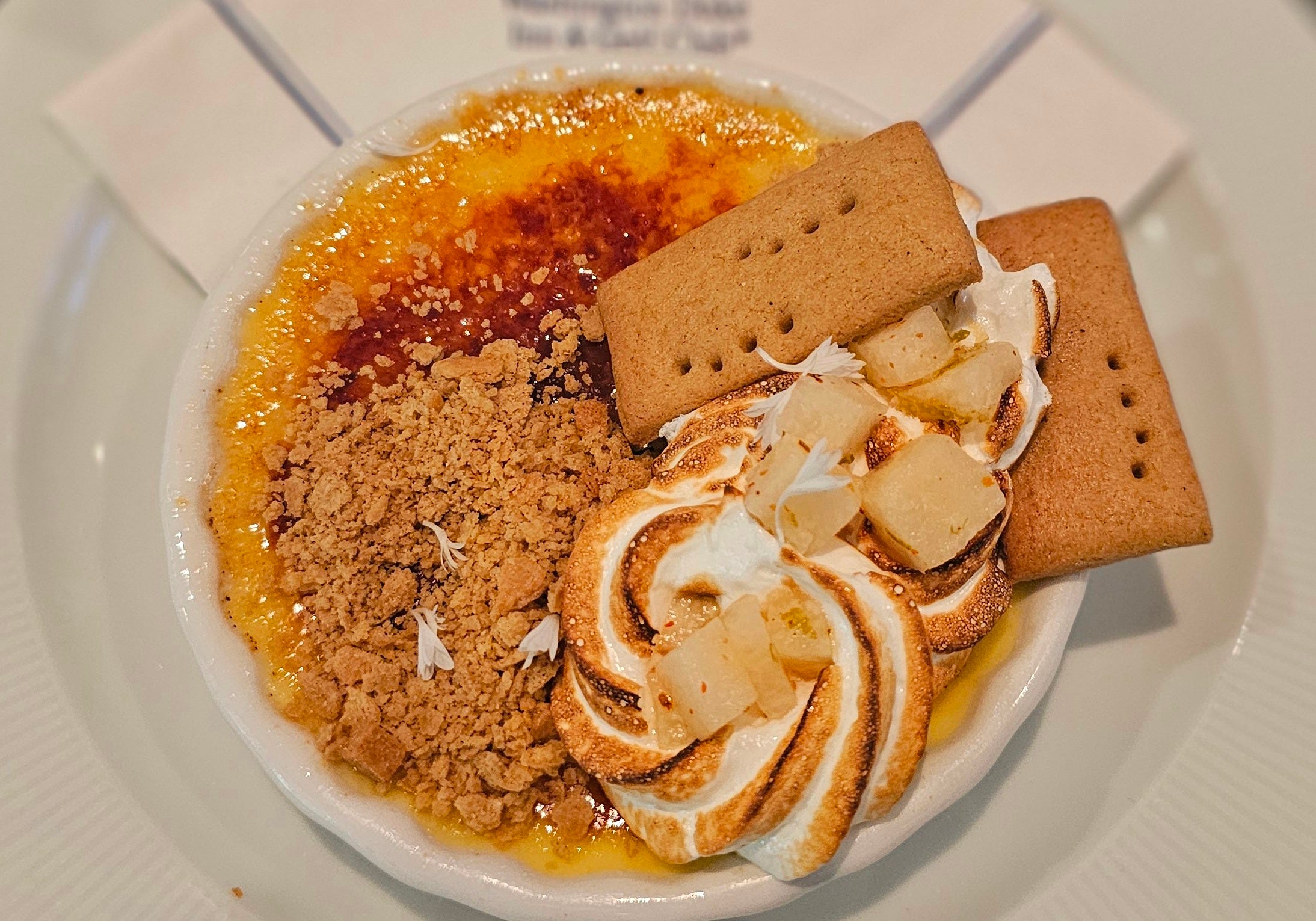
Tasted - A key lime pie - crème brûlée, in the bar of the Washington Duke Inn — the night before flying home, sitting near a serviceman racing back to surprise his pregnant wife before she delivers. The dessert was excellent. I did not need the sugar. Two puddings pretending to be one is exactly the sort of over-engineering I can get on board with.
This week reminded me that “changing the world” and “doing one thing with care” are usually the same sentence. My plan for the next fortnight is to do a unglamorous amount of reconnecting to the world, on a farm. Then back to it.
Feedback always welcome.
Until next time
Dr Ben
No posts
Comments
Nothing yet. Say the first thing.
Sign in to join the conversation.