

Human adoption is a legal intervention in the most fundamental human relationship, that of a person to their biological origins and kinship network.
And yet, the idea of the ‘good adoption’ is a most enduring trope. The moment you dare to criticise adoption, someone always knows someone who had a good adoption.
The dark twin - the bad adoption – is then attributed to either bad luck or the personal failure of the adopted person to assimilate and to recognise their good fortune.
But when we step away from the binary of a good or bad adoption experience, we are left with the legislative, judicial, and social architecture that informs the rights of all adopted people, no matter their personal experience of a good or bad adoption.
In moral philosophy, especially within rights-based and relational frameworks, the question is not simply whether an adoption provides a child with food, shelter, or love. Those are baseline human needs, not privileges.
The ethical standard must ask: What is being lost, what is being replaced, and what power dynamics are designed to prop up the social acceptance and institution of adoption.
My work regularly receives pushback. Over and over again, I hear that some children need to be adopted.
What about orphans:
A child with no living parents and no family members able or willing to provide care - i.e. a true orphan.
The true orphan is a child with no living parents and no family members able to provide care. We most commonly invoke the image of the orphan to justify adoption as a necessary institution. It is also, by the evidence, vanishingly rare.
UNICEF is unambiguous: the vast majority of children classified as orphans worldwide are living with a surviving parent, grandparent, or other family member. Research consistently finds that around 90% are social orphans, separated from living family not by death or abandonment but by poverty. Studies of children in orphanages find that 80% have a living parent willing to care for them, but unable to provide what an institution can.
The true orphan is a fraction of a fraction. And even for that child, permanently erasing their legal identity and sealing their records is not a condition of providing care. That is what guardianship is for.
But what about a child removed from their family due to abuse or neglect?
A child removed from their family due to abuse or neglect, where reunification is genuinely not possible, needs safety, stability, and permanence.
Guardianship provides all of those things.
What guardianship does not do is permanently sever the child’s legal identity, seal their records, and issue a fictive birth certificate naming their carers as birth parents.
The child’s need is for a safe home, not for the erasure of who they are or were before they needed one.
They do not need to be legally remanufactured.
But what about a parent with severe and permanent incapacity who cannot care for a child?
A child whose parent cannot care for them due to illness or disability has already experienced loss. Adoption compounds that loss by removing the one thing that remains intact: their legal identity and their right to know their own origins.
None of these is an argument for child welfare.
In both cases, the argument for adoption over guardianship rests not on the child’s needs but on the desires of the adults providing care. Specifically, the desire for legal parenthood that is permanent, uncontestable, and indistinguishable on paper from biological parenthood.
No circumstance of genuine need requires the permanent destruction of a child’s identity as the price of their care. What these children need is what all people need: to be safe, to be loved, and to know who they are.
It is that last need that is always left off in any argument supporting human adoption.
So can there be a good adoption?
If we define good as the least harmful option among available bad choices, then adoption does not meet the criteria when less harmful options are available for children in need.
A truly good adoption would need to meet all of the following:
The child’s identity (name, ancestry, cultural heritage) is preserved, not rewritten.
It is transparent: the adopted person has full access to their records, the truth, and their origins.
It includes lifelong support and rights of redress for the adopted person and, therefore, all adopted people.
But then, it would not be adoption. Human adoption specifically, legally and socially denies all these basic human rights to all adopted people, no matter their experience of being adopted.
Until we understand that adoption is founded and continues on the basis of erasure and ownership, we, as a collective of affected people, will struggle to effectively advocate for our freedom.
Meanwhile, the above criteria are already met with varying forms of guardianship.
If a “good” adoption is defined in a moral sense as the long-term rights and well-being of the adopted person, then the idea of the good adoption is as fictive as the identity forced onto adopted people.
To call adoption good, we must be very clear about whom it benefits and at what cost. Ethics demands we ask: Who benefits? And who pays the price?
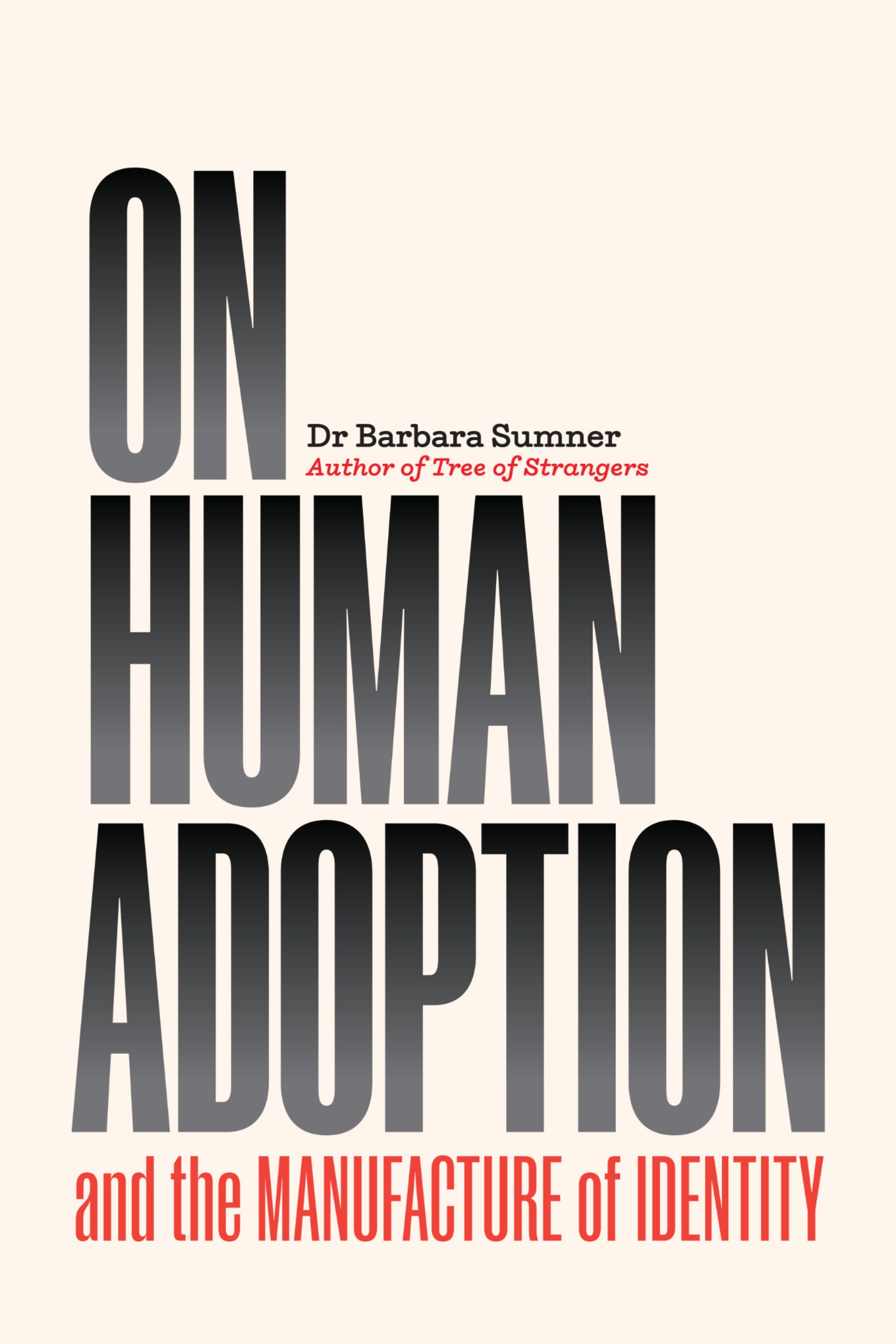
ON HUMAN ADOPTION available now
Comments
Nothing yet. Say the first thing.
Sign in to join the conversation.