
I have seen so many people with anxiety in the last month.
Mid-lifers and young people mainly.
And while those into testing, menopause and andropause might be a part of a biological reason along with other players like low B12 and vitamin D, they are often not the cause, or certainly the only factor in anxiety, which is really a symptom. Anxiety rarely arrives as a neat, isolated problem.
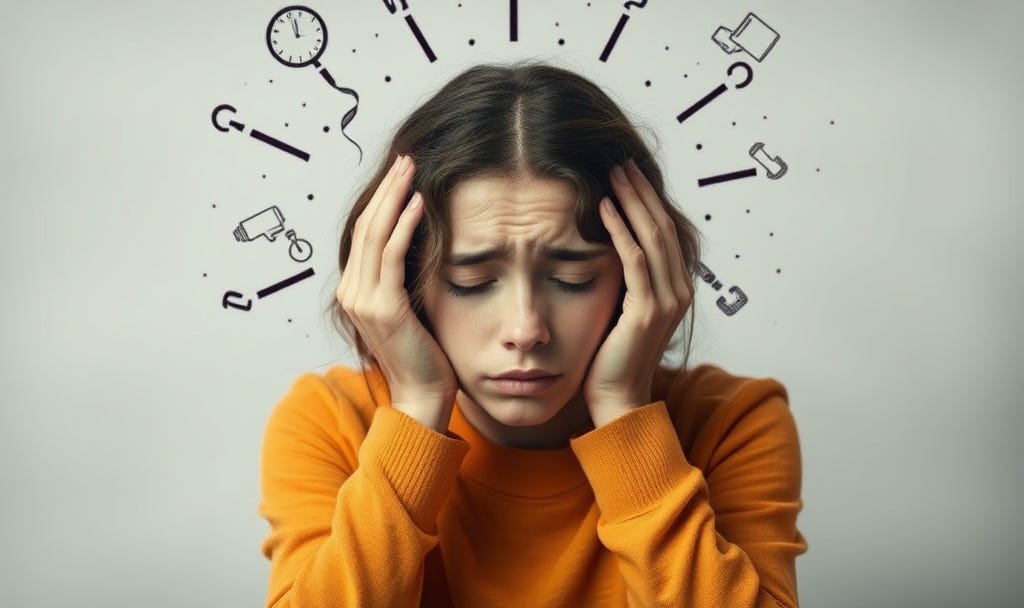
More often, it shows up in the body first - a tight chest on a Sunday evening, poor sleep before an ordinary workday, a racing mind at 3am, or the sense that your system is always slightly on edge. If you are wondering how to reduce anxiety naturally, it helps to begin with a simple truth: anxiety is not just in your thoughts. It is a whole-body state, shaped by sleep, stress, food, movement, relationships, health conditions, and the pace of modern life.
That matters because many people are given advice that is either too simplistic or too vague. “Try to relax” is not especially helpful when your nervous system has already decided there may be danger. A more useful approach is to understand anxiety in context. Once you do that, natural strategies become less about quick fixes and more about helping your body and brain feel safer, steadier, and less overloaded.
Anxiety is, in essence, a protective response. Your brain is trying to anticipate threat and prepare you to cope. The trouble is that this alarm system can become overactive. It may start responding to emails, deadlines, family pressures, financial strain, poor sleep, caffeine, menopause, loneliness, or uncertainty as if they were emergencies.
In clinic, this is often where reassurance alone falls short. Someone may know intellectually that they are safe, but their body does not yet agree. Their heart rate is up, their breathing is shallow, they feel irritable or tearful, and concentration disappears. That is why natural ways of managing anxiety need to work with physiology, not against it.
The most effective natural approaches are usually the least glamorous. They are the small, repeated inputs that tell the nervous system life is manageable again. There is no single perfect routine, and what helps one person may not help another to the same degree, but a few foundations matter for most people.
Sleep and anxiety have a two-way relationship. Anxiety disrupts sleep, and poor sleep makes the brain more reactive the next day. That can create a frustrating cycle where everything feels harder.
Improving sleep does not mean chasing perfection. It means making sleep more likely. A regular wake time is often more helpful than obsessing over bedtime. Reducing alcohol in the evening can make a noticeable difference, as can dimming lights, putting screens away earlier, and avoiding heavy meals close to bed. If your mind starts racing when your head hits the pillow, a brief “worry list” written earlier in the evening can help externalise the mental clutter. The worry list really works well for younger people I find.
Some people benefit from accepting that sleep may be imperfect for a while. Paradoxically, fighting for sleep can make you more alert. A gentler stance often works better: create the conditions for rest, then let the body catch up.
Breathing exercises can be very helpful, but they are sometimes oversold. They do not erase the cause of anxiety, and if you are in the middle of panic, being told to “take a deep breath” may feel irritating or impossible.
What tends to work better is slower, softer breathing with a longer out-breath. The aim is not to perform a technique perfectly. It is to give your nervous system a cue that the threat level may be lower than it thinks. For many people, breathing in gently for four seconds and out for six, repeated for a few minutes, is enough to take the edge off.
If focused breathing makes you more self-conscious, try pairing it with movement - a slow walk, gentle stretching, or even standing outside and noticing the temperature of the air. Regulation does not have to happen on a yoga mat.
Exercise is one of the most reliable natural tools for anxiety, yet many people hear that and imagine they need an intense gym programme. In reality, consistency matters more than intensity.
Brisk walking, cycling, swimming, gardening, dancing in the kitchen - these all count. Movement helps metabolise stress hormones, improves sleep, and often interrupts repetitive thought patterns. It also restores a sense of agency. When anxiety makes you feel trapped in your own mind, physical activity can be a way back into the body.
There is, however, a trade-off. Very high-intensity exercise can feel stimulating rather than calming for some people, especially if they are already run down. If your system feels jangly, it may be worth experimenting with gentler forms of movement first.
People are often relieved to hear this, because it means anxiety is not always a character flaw or a failure of coping. Sometimes the body is simply being pushed in unhelpful directions.
Caffeine is a common example. For some, one coffee is fine. It depends on whether you are a fast or slow caffeine metaboliser. For others, especially when stressed, caffeine can mimic or worsen anxiety symptoms - palpitations, restlessness, sweating, a sense of dread. If you suspect this applies to you, try reducing gradually rather than stopping abruptly, which can lead to headaches and irritability.
Skipping meals can also make anxiety worse. Fluctuating blood sugar may leave you shaky, light-headed, or unexpectedly emotional. Eating regularly, with enough protein and fibre, often improves steadiness more than people expect.
Alcohol deserves a mention too. It may feel calming in the moment, but it can worsen sleep, mood and anxiety the next day. Many people notice that the “hangxiety” after even moderate drinking becomes more pronounced as they get older.
One of the less discussed aspects of anxiety is cognitive overload. Many of us live in a constant stream of alerts, opinions, bad news, comparison and unfinished tasks. The brain is not especially good at distinguishing between digital urgency and real danger.
If you want to know how to reduce anxiety naturally, look not only at your inner life but also at what is repeatedly entering it. A calmer information diet can make a substantial difference. That might mean checking the news once or twice a day rather than continuously, turning off non-essential notifications, or creating short periods when your phone is not within reach.
This is not about becoming uninformed or detached. It is about recognising that your attention is part of your health.
Anxiety often pushes people towards isolation. They cancel plans, keep worries private, and assume they should manage alone. Unfortunately, that tends to increase the sense of threat.
Supportive human contact helps regulate the nervous system. This does not have to mean sharing your deepest thoughts with everyone you know. It may simply be a walk with a friend, a chat with a colleague who feels steady, or time with someone in whose presence you can exhale a bit more fully.
For some, structured support matters too. Talking therapies can be extremely effective, and choosing a natural approach does not mean rejecting professional help. It simply means you are interested in preserving health and prevent illness through everyday foundations as well as formal treatment when needed.
This is an important point. Anxiety symptoms can overlap with other problems. Thyroid issues, anaemia, perimenopause, chronic pain, some heart rhythm disturbances, side effects from medication, and excessive caffeine or stimulant use can all contribute. If anxiety is new, worsening, or accompanied by symptoms such as weight loss, fainting, chest pain, or significant changes in mood, it is worth getting properly assessed.
Context matters here too. Sometimes the best answer is not another breathing app but recognising burnout, grief, financial stress, or a relationship that is making your body feel unsafe. Natural support works best when it is honest about the causes.
Many people set out to feel better by trying to overhaul everything at once - earlier nights, no sugar, no caffeine, daily meditation, more exercise, less screen time. It is understandable, but often unsustainable.
A better place to start is one or two changes you can repeat even on a difficult week. That might be a ten-minute walk after lunch, reducing coffee from four cups to two, a regular bedtime routine, or a simple breathing practice before meetings. Small gains accumulate. The nervous system learns through repetition.
And if progress feels uneven, that does not mean you are failing. Anxiety naturally fluctuates. The goal is not to become a permanently calm person. It is to build enough resilience that anxious states pass through without running your life.
If you are trying to reduce anxiety naturally, think less about chasing calm and more about creating conditions in which calm has a chance to return. The body is often more responsive than we realise when it is given sleep, nourishment, movement, boundaries and support with some consistency and patience.
No posts
Comments
Nothing yet. Say the first thing.
Sign in to join the conversation.