

“Juror number seven, you indicated that you have misgivings about the legal system in general but did not elaborate. Can you say more?” The prosecution hones in on me, the first line of questioning pointed directly at the twelve of us currently seated in the box. Mid-august heat catches at the back of my throat. I walked the fifteen flights of stairs up to this windowless room, the crowded wait for the elevators too onerous and claustrophobic. I leave my bike chained up outside the downtown courthouse’s heavily-policed double-doors, that thin strip of pavement the same path that more than 1500 of us traced one night in mid-june1 marching to confront the national guard at the federal building. The fires, the raids, the ongoing genocide in occupied Palestine funded by our tax dollars, the police force with its origins in slave patrols2 a founding logic of this country that calls itself “free” and shoots college kids who voice opposition to injustice.3 “I don’t even know where to start with that,” I say honestly.


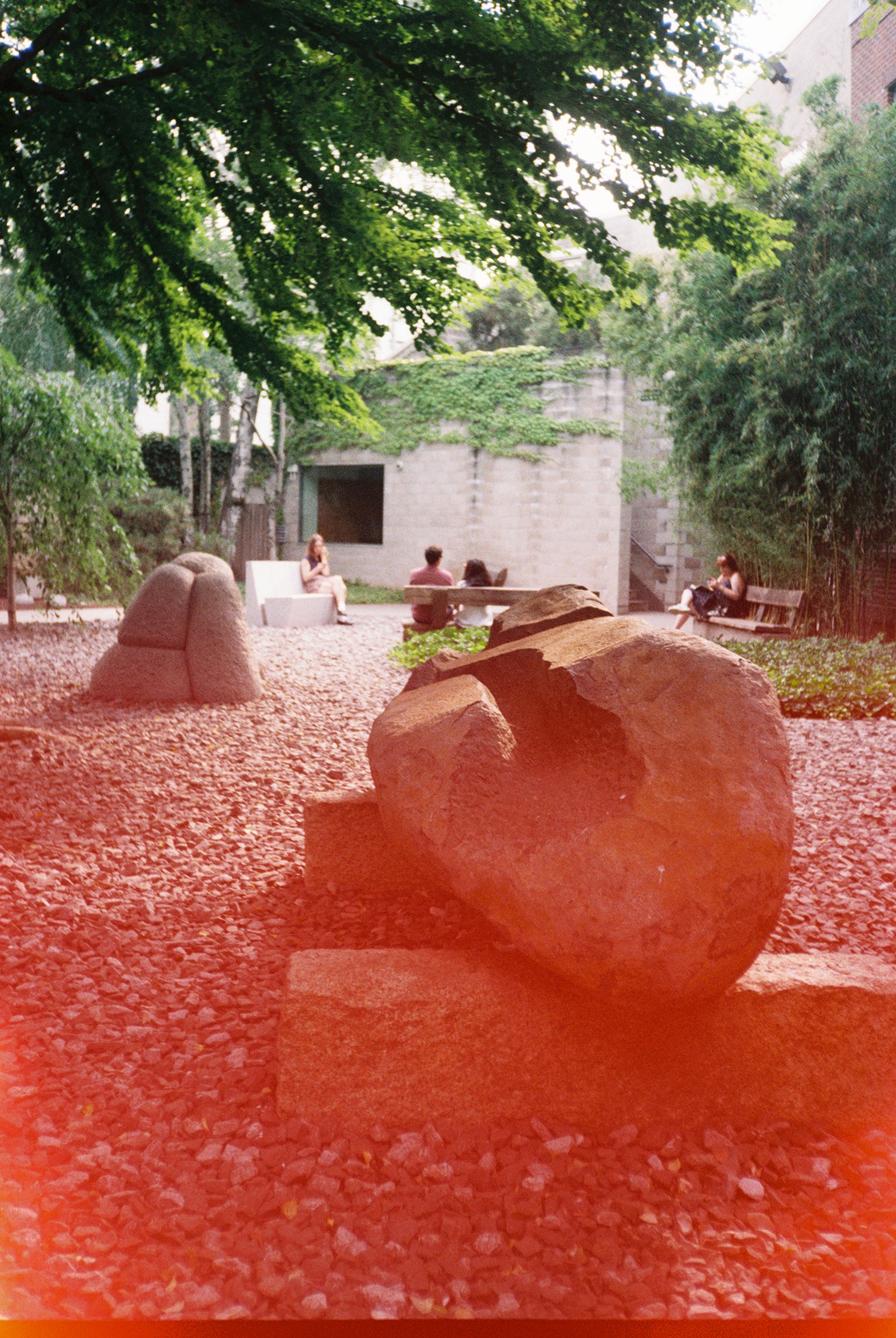
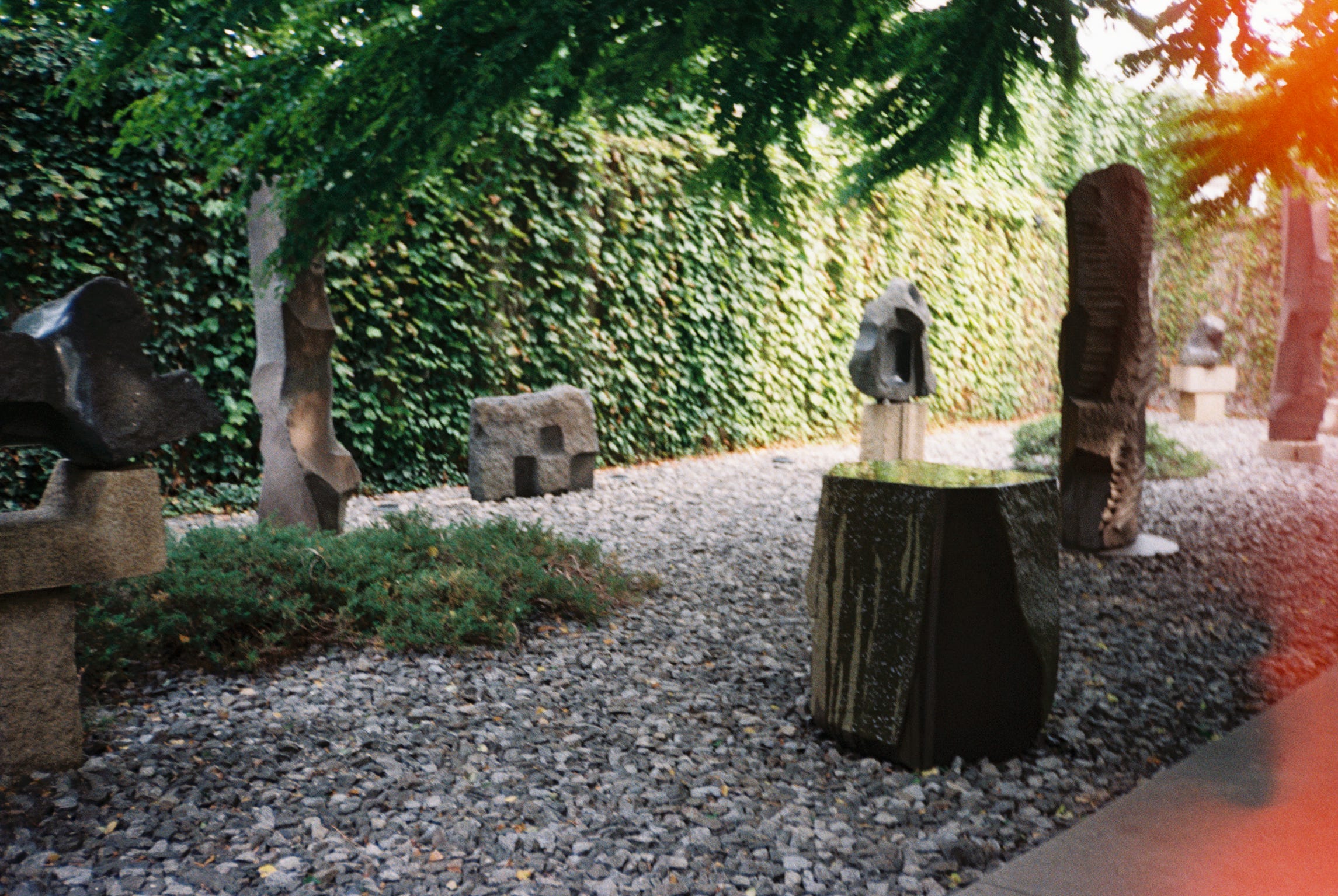
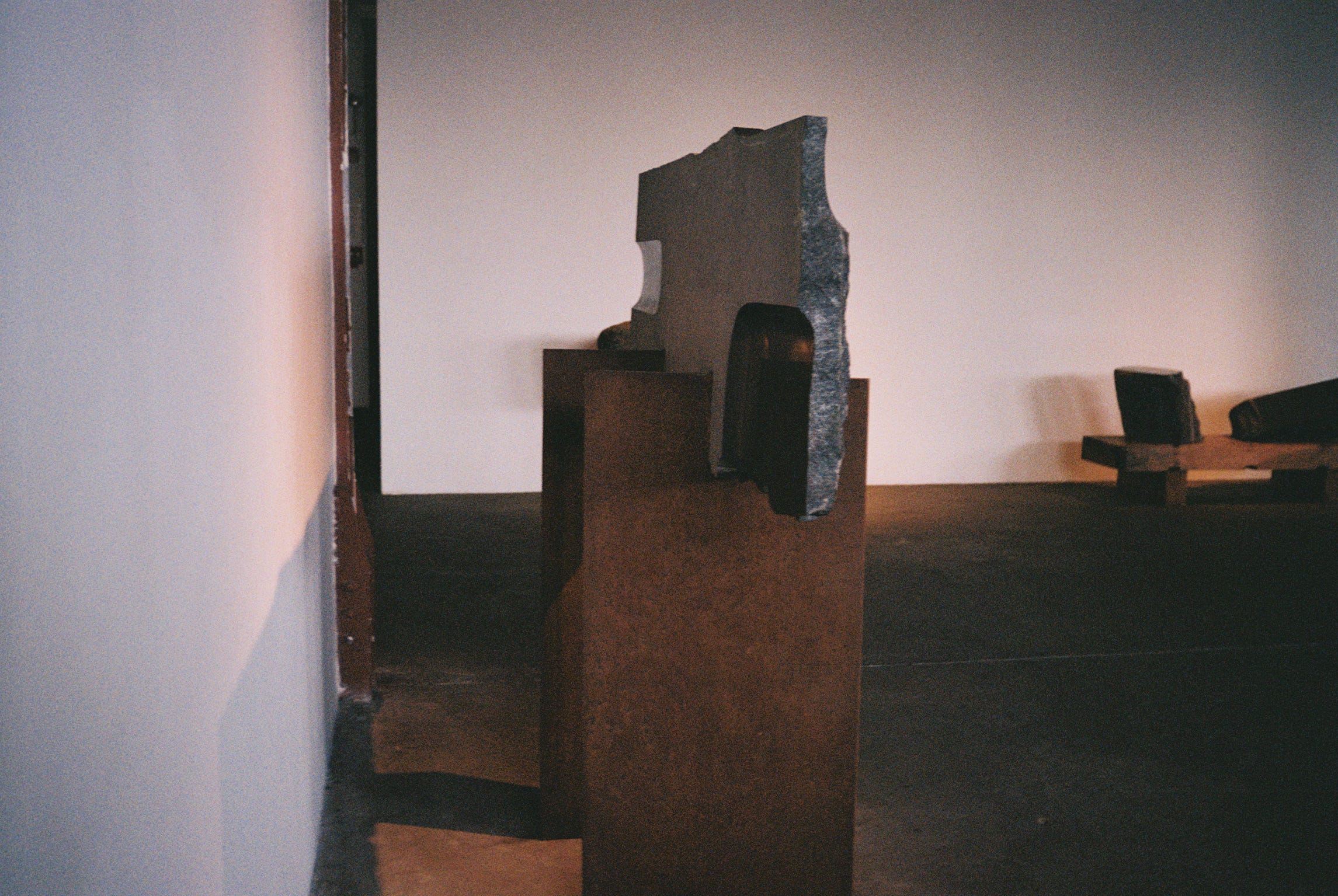



I know next to nothing of this country’s legal system; learning the organizational structure of the courts in California public schools didn’t leave me with materially useful information. Understanding component parts didn’t explain the supposed logic undergirding it all, or provide a convincing narrative arc to justify its continued use. One close friend and former roommate MM is a public defender in Alameda county, a former roommate from the Berkeley co-ops and comrade in fire watch when the Santa Anas blow through our east LA neighborhood AE is a civil rights attorney representing incarcerated people in their claims against confinement. A longtime family friend works as a sexual misconduct and personal injury lawyer. My girlfriend MT once worked as a paralegal on behalf of sexual assault survivors. I can list my adjacencies, but anecdotally anyone I know seems to be using the court system to minimize harms enacted by the same carceral state that it upholds.
The logic strikes me as circular and absurd. This past weekend in Oakland, VC and I joke “nothing is real,” “none of this is real,” indicating corners of the apartment, gesturing toward window and door frames, various plastic packaged products on the kitchen counters, the kitchen counters themselves. “These materials were brought here from other places.” “It was all constructed, it can all be deconstructed.” “Those tomato plants are real!” “Tulare lake is real!” JB laughs at us, “I hate both of you—the way you say it with such conviction.” This years-old joke /truism is a way of pointing to our own complicity within late-stage capitalism, in this country built on stolen land, a sardonic reminder that we can build something better. I commit my days to designing affordable housing and fighting to get it built across LA county, in a worsening crisis where so many of our neighbors are unhoused, but knowing also that we need to unbuild these cities, restore indigenous stewardship of this land, find a sustainable way forward outside of existing structures. In much the same way that I often struggle to locate my own work within a broader purpose, the legal system and functioning of the courts remains an abstraction to me, the constraints and possibilities are opaque, the outcomes often dubious at best.
Out of genuine curiosity and the very human desire to have impact, M and I speculate about subduing our more “controversial” opinions, keeping our actual thoughts to ourselves, in order to get placed on a jury. But I call her the minute I bike out from the courthouse, “they’re as suspicious of us as we are of them!” I tell her, “I don’t know if we could do it!” I find that I’m wary of people who qualify for jury service; how much do you have to conceal your strong convictions, any informed, embodied opinion; conform to the status quo; actually believe in the fallacies we’ve constructed as a society, to get selected? In more exasperated moments, I’ve said that people chosen for jury service must be “literal cardboard.” But I guess it depends on the case: “My mother has hung the jury before—classic my mother,” BX tells me. I can picture it easily, BX’s vehemently ACAB mother, with her strident stance as a self-proclaimed single-issue voter in the last presidential election, demanding a ceasefire and end to the genocide in Palestine, holding fast to her verdict.
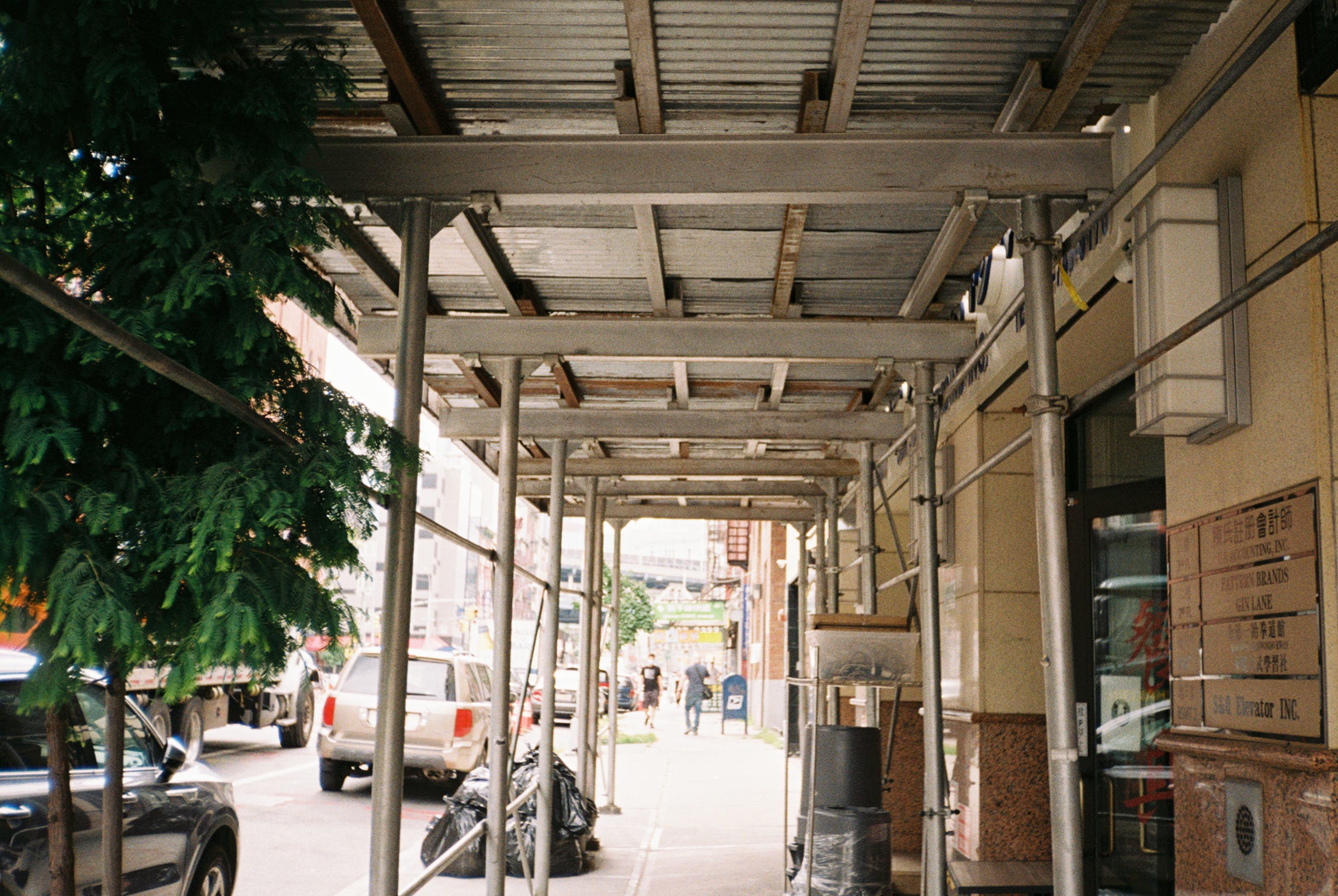
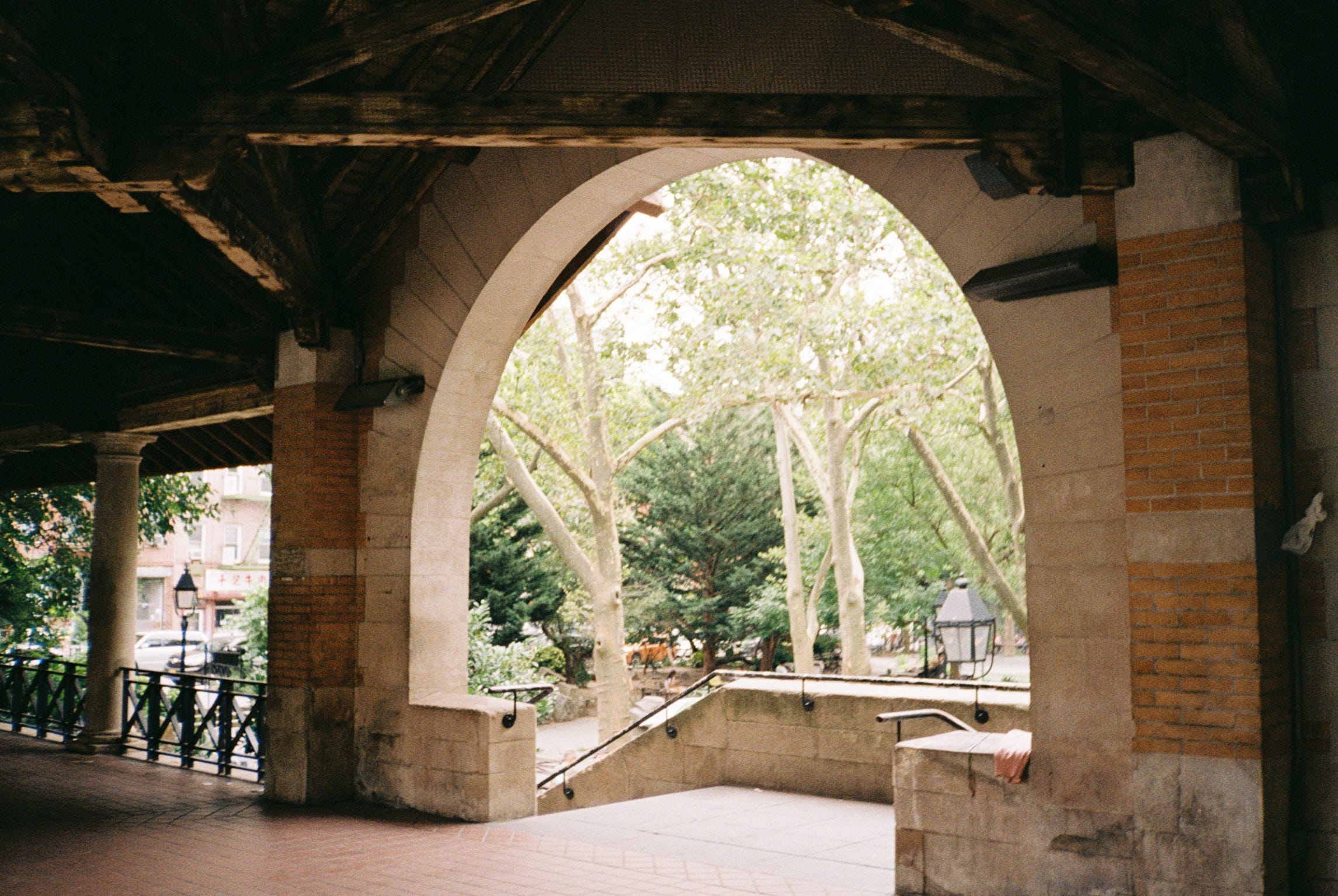
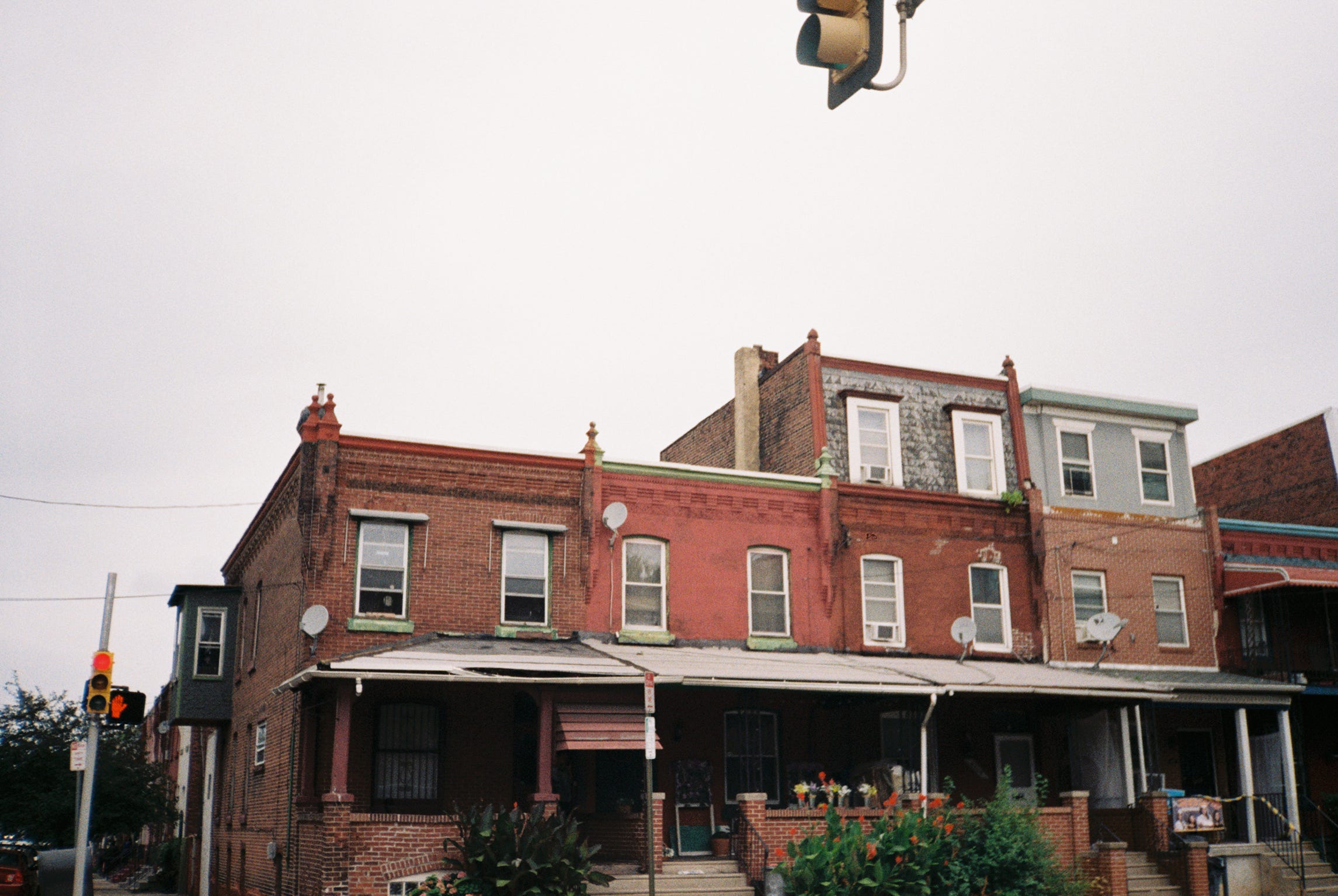
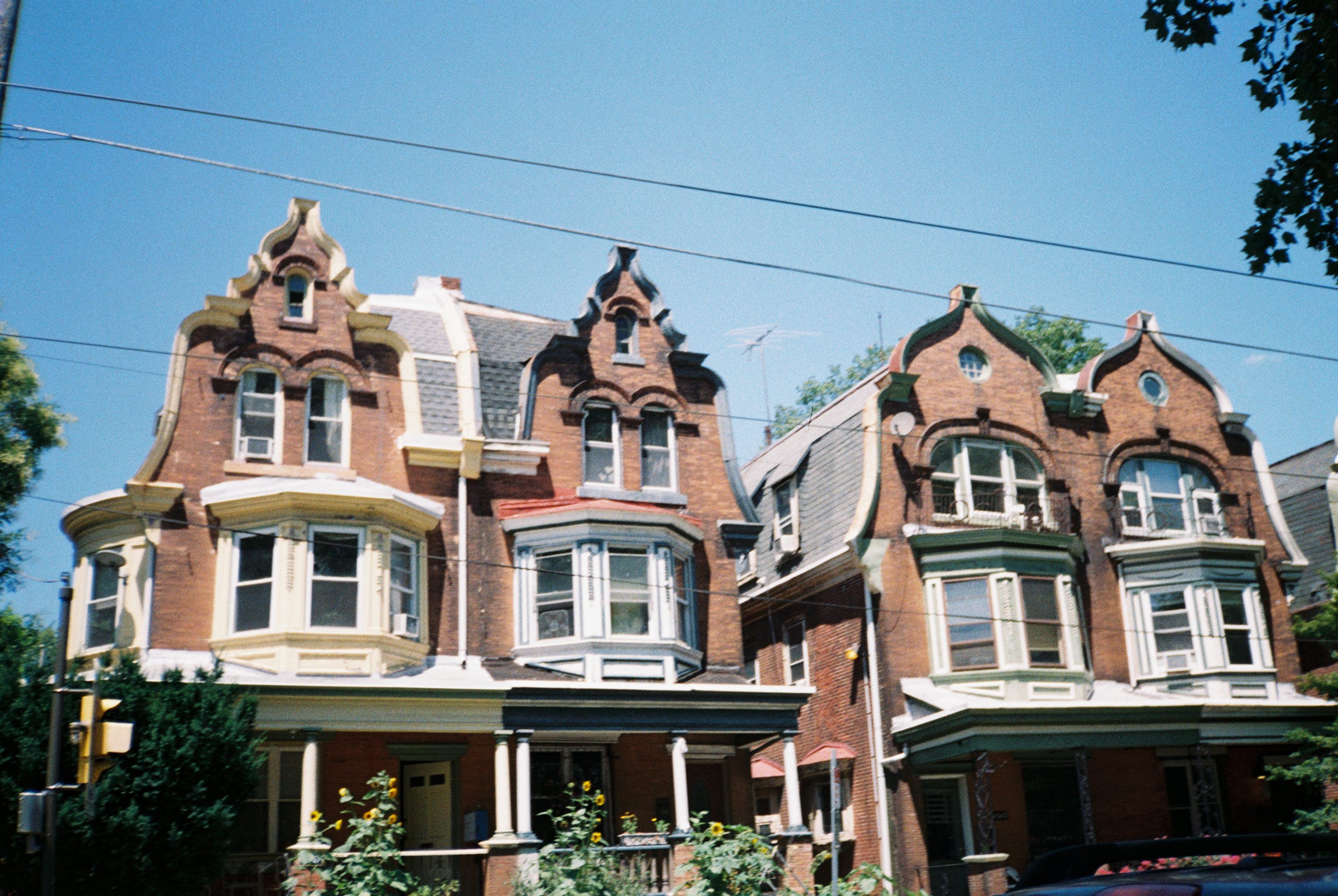
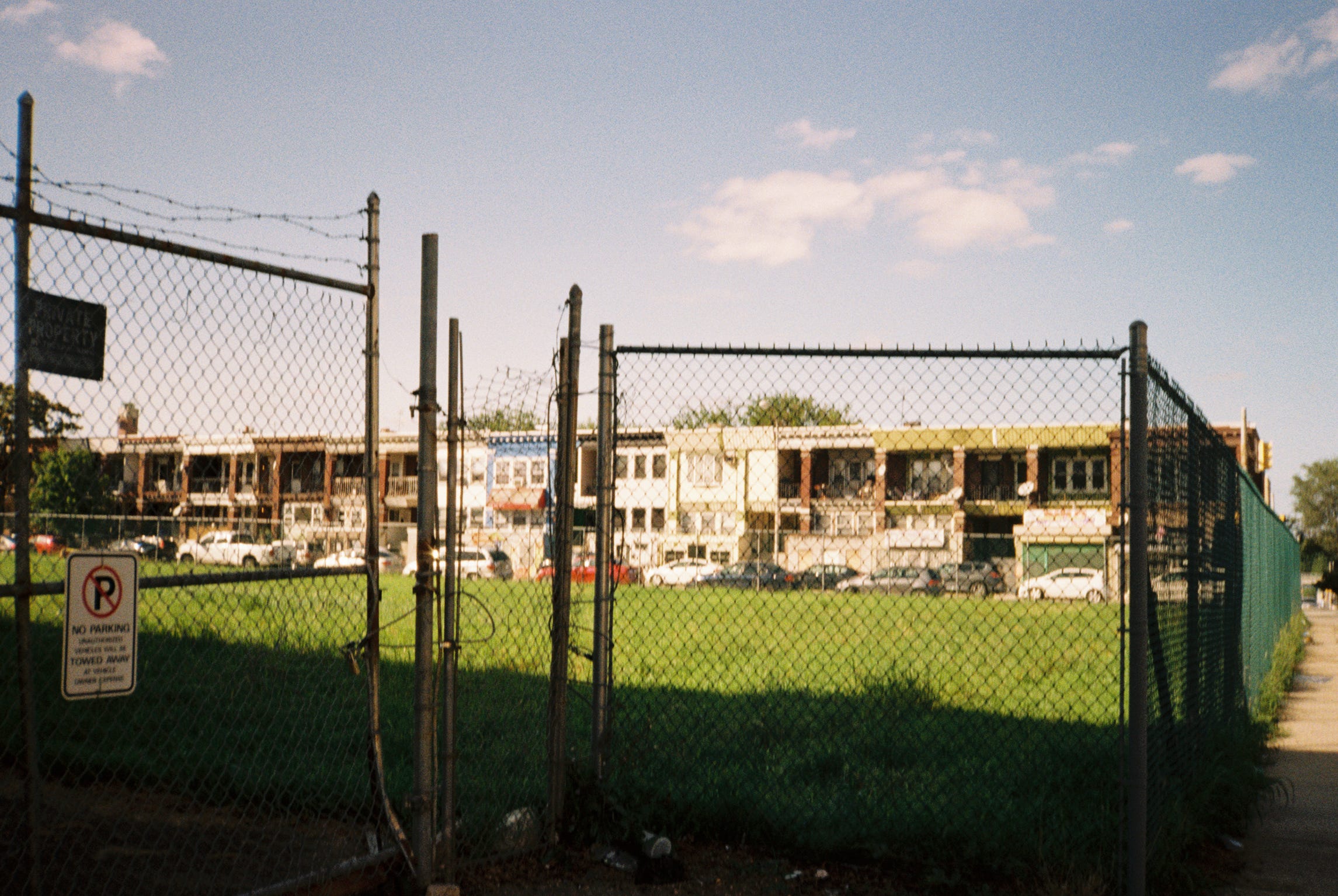
“Your feelings are yours; we are here to deliberate on facts,” the judge reminds us after we’ve filed into the courtroom. Her definitions and explanations are amorphous, vague, often inherently contradictory, but delivered with clear and decisive language. This sleight of hand, this disjuncture, catches me off guard. She outlines the case in broad strokes: sexual violence, murder, threats of harm within domestic partnership, and asks if we could “remain impartial” on such a case. Unhesitating, I raise a hand in the completely silent room. But I am careful with my words. “I appreciate your being…very clear about your definitions. But I take issue with the premise that we would ‘not bring anything outside of this courtroom into it.’ Structurally, there is no clear distinction between our biases and our perspective. Of course my experiences inform how I encounter situations, and understand power dynamics or relationships.” I explain that I don’t believe in objectivity; everything is subjective, colored by bias and perspective, just some of these biases and perspectives are flattened into accepted societal norms while others are not. “Would you be able to be fair and impartial,” she repeats, unrelenting. “Impartiality is an interesting term,” I say to her “...if I’m understanding your definitions correctly, then yes,” I finally say. As if there is a clean break, a decisive line, between bias and perspective, between emotion and logic, between embodied experience and acquired knowledge.
The judge, defense, and prosecution lead public-facing interrogations of each of us in turn, demanding that we detail any associations, preconceptions, and experiences with sexual violence and threats of harm within domestic partnership. People speak on their personal experiences, those of their mothers and sisters, of their closest friends. It is wildly intimate and weirdly clinical at once. In several isolated instances, I notice that I am not accessing the full range of my emotions; I’ve walled off, there is something in me blocked or missing. When people are routinely reduced to tears and dismissed, I wonder what it is we are safeguarding against in the selection of a “fair and impartial” jury. Inordinate strength of emotion? Lived experience? As I see it, what is gained from cutting out the most decisive voices, the most emotionally invested, the most personally affected, the most embodied knowledge, is maintenance of the status quo, preservation of the facade. An unchanging world. I keep thinking about Kwame Ture’s distinction between peace and liberation in the 1968 film Tell Me Lies.4 “There’s a difference between peace and liberation, is there not? You can have injustice and have peace. Isn’t that correct?” I keep wondering what it might look like to live in a society premised on the acceptance and even embrace of indeterminacy—interdependence, contingencies, uncertainty, multiplicity—rather than on the contrivance of fixity and impossibly rigid binaries.

Listening to everyone share such intimate details—their impressions of law enforcement, the judicial system, violence, men—I instinctively note my affinities and divergences. Even the rhythm of someone’s speech is so telling. I hear people speak from internally-guided and hard-won integrity, resisting society’s easy narratives and projections onto them; I hear people speak through the mouthpiece of societal expectation, their statements fitting so neatly into readily discernible propaganda. It’s a particularly bizarre form of third-placing, very unlike hiking a mountainous path with strangers, reading at a bar or cafe alongside unfamiliar faces, showing up at the protest, or sitting in a broader constellation of groups on picnic blankets at the park, this coercive intimacy shared between a crosscut of people that is random by design in terms of physical geography, age, race, gender, background, occupation.
It’s the second time that the prosecution singles me out that I really start to make friends. “I don’t understand your question, that was a bit of a run-on,” I tell him, genuinely confused. “I’m sorry, I still do not understand what you’re trying to ask me,” when he rephrases it. I distill from his third attempt: If you thought someone was guilty, could you say they were guilty? I pause, surprised at the simplicity even though I had been warned about legal jargon, the overwrought language that obfuscates clear communication in the courtroom. “I would…say what I think, yes,” I say, trepidatious. “You would ask yourself, ‘does this story make sense’?” he probes. Without missing a beat, I say “‘does the story make sense’ is not really a useful metric—‘make sense’ has a fungible meaning. Members of the prospective jury were already saying something more specific and useful that actually points the same direction when they said they’d look for whether or not a testimony contained inconsistencies. That’s something discernible, observable, quantifiable, when evaluating credibility, judging truth, against a gut feeling or intuition,” I explain to him.
“Okay slay,” a queer black improvisational jazz dancer introduces themself to me as also a writer, but of science fiction and fantasy, when we speak at length about astrology and their enormous scorpio earring, out in the hallway after this interaction with the prosecutor. Later, when a group of us is dismissed from the case, we trickle out through the double doors but wait curiously for each other at the elevator cab, craning our necks back into the hallway—a South African white woman who’d spoken about hers and her wife’s interrelated work in the art and entertainment industries, a retired latina schoolteacher who has lived in LA her entire life, an older west asian man who looks me in the eye, “Yes, free Palestine,” calling back to when the judge had said to me, “You’ve got strong opinions and you’re not afraid to say what you think. You’ve got a fist on your shirt. Is there any text below that? Could you read it to us?” “Yeah it says SAVE GAZA FREE PALESTINE,” I tell her.
“I think he dismissed you because you used the word ‘fungible,’” the white woman scoffs, making us all laugh, “of course he dismissed all the women.” What she doesn’t say, what we all hear, is “the women who spoke openly and emotionally about sexual or domestic violence.” For a short elevator ride, I feel inordinately close to this smattering of people. I watch us all leave the courthouse, footfalls away from the weightiness of that room, the weightiness of the building. I trace the threads of our lives diverging again now, just as they had always been divergent before. The randomness of encounter and affinity is loud clacking away across these tiled floors. I keep quiet to appreciate the echo before it dissipates.
https://www.latimes.com/california/story/2025-06-10/faith-leaders-urge-non-violent-resistance-as-l-a-enacts-downtown-curfew-after-nights-of-chaos
https://naacp.org/find-resources/history-explained/origins-modern-day-policing
https://californiahealthline.org/news/article/ucla-protest-gaza-israel-rubber-bullets-injuries-volunteer-medics/
https://turningpointmag.org/2024/11/06/if-peace-is-the-question-liberation-is-the-only-answer/
No posts
Comments
Nothing yet. Say the first thing.
Sign in to join the conversation.