
“The spiritual revolution that I advocate… is a matter of radical re-orientation… from the usual selfish preoccupations …for the benefit of the community that is ours…
It is conduct that takes into account the interests of others, as well as our own.”
The Dalai Lama
“The best practical advice I can give to the present generation is to practice the virtue of love.”
Bertrand Russell
Patient Physician Encounter, like my memoir, Different Drummer - A Cardiologist’s Memoir of Imperfect Heroes and Care for the Heart, began as a self-redemptive effort. I began writing Encounter after retirement from a career in cardiology, and after self-publication of Different Drummer. In both books, I wanted to look back with gratitude. More generally, I wanted to view my life positively and express heartfelt appreciation to many of the people who helped me along my journey. To do so, I would have to make a serious effort to understand love.
I have found it helpful to consider C.S. Lewis’ explanation that in English we use the word love to mean different things. He pointed out that the Greek language requires four different words to specify the often overlapping meanings of love, in English. The four Greek words are:
· Storge: Caring; Empathy
· Philia: Friendship; Brotherly Love
· Eros: Romantic Love, including Procreation
· Agape: Compassion, or Altruism
Storge: Caring and Empathy
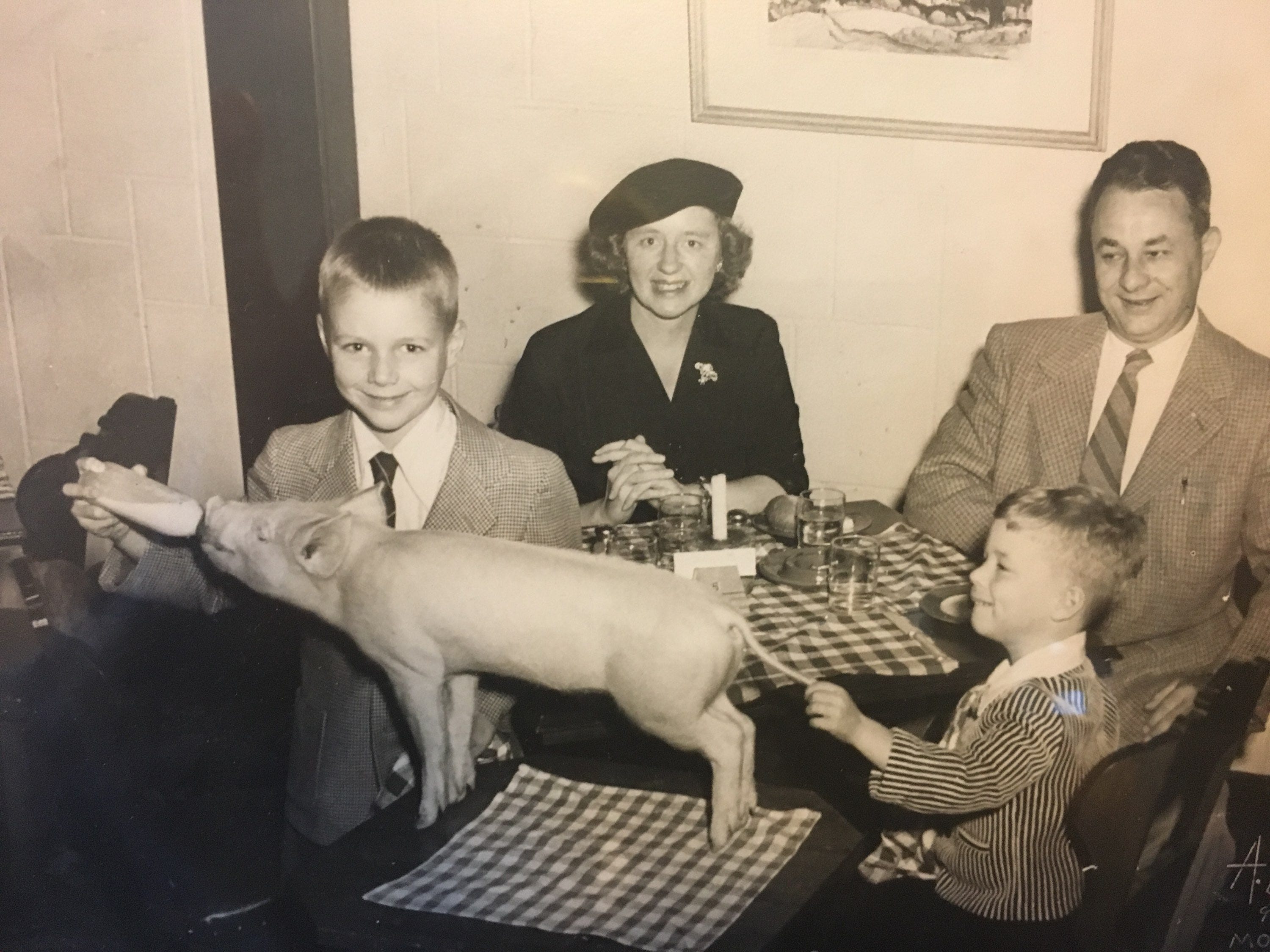
To establish a meaningful identity and come to understand love, I have had to come to terms with my first care providers, my parents, and their roles in my life. I have had to learn to view my parents from a balanced perspective - neither as good, nor as bad, as I once believed. Neither false praise nor scapegoating would do. I try to remember them with love, as they were, not as they or I might have wished. All humans are imperfect, but most have redeeming features. Honestly expressing the love I have for my parents, while acknowledging their imperfections, has helped me to experience and express more fully the care I feel for my wife, children, and grandchildren. Each step has helped me view myself from a more balanced perspective. The process has required self-compassion: more empathy, less judgment. In turn, storge has become the wellspring from which I have drawn to function as a caring physician, clinical investigator, and teacher. I wish to share with patients, families, students, and colleagues the care or storge that transformed my career into my ikigai.
My parents’ traumatic Divorce engendered a continuous struggle for the souls of their offspring. Parental alienation was most clear on the part of my mother. She felt aggrieved, and she wanted allies and sympathizers. My brother and I were the collateral damage in this epic struggle. It would not have been possible for me to go to my father’s office, or on rounds and on house calls, much less follow him to medical school, until I learned to forgive the sins of the father. I had to learn to recognize my father’s redeeming features. I had to understand that although my father had failed in some ways (his opinion, and my mother’s; not necessarily mine), he had also done many good things. From this recognition, I could learn to accept and forgive my own failures. I began to learn of the possibility of change and transformation. This form of empathy is foundational for self-acceptance and motivational for positive change.
It was a different journey to learn of my mother’s redeeming features. Because she had been so aggressive in attacking my father and so perfect (Brené Brown’s use of the term), while he had been passive in his own defense: “Perhaps, someday you will see things differently”, it took longer for me to recognize that my mother’s imperfections were also part of her humanity.
The mystery of the Golden Rule is that we must learn self-acceptance, self-empathy, and self-care before we can offer acceptance, empathy, and care to anyone else. We must acknowledge and accept our failures and limitations, as well as our strengths and redeeming features.
Philia: Friendship and Brotherly Love
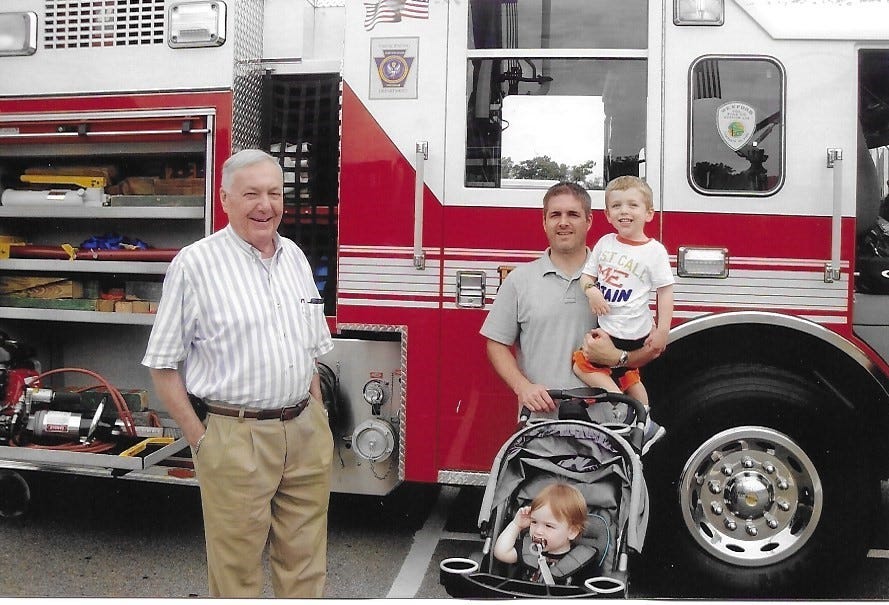
Long before the full impact of cross-country movements in pursuit of higher education and competitive careers, the nuclear family of my childhood was not close. My biological brother and I were four and one-half years apart in age. He left for military school when I was ten years old, and we continued moving ever since. In many ways, we barely knew one another. We were very different people - my brother died in 2020 of COVID. My children barely know my brother’s children. I often refer to us as the East and West Coast Divisions of Clan Morrison.
Given the decision of my mother’s sister to effectively disown her over the sin of divorce, I know even less of my maternal cousins. To his credit, my cousin Bill provided affection for my mother in her final years.
I met three of my father’s brothers and one sister before all of my dad’s seven siblings had died. I have met two or three cousins on my father’s side, but I have had little contact with them. I would not recognize any of my paternal cousins were I to meet them now.
I have learned of brotherly love largely through classmates, teammates, professional society colleagues, and academic and private practice medical partners. It was at first difficult to write a memoir, when I kept falling back on the patterns of writing used by medical professionals to communicate. Many of my medical friendships, by analogy to much of my writing, have remained formal and stilted, with clear boundaries.
In recent years, I have learned of the deaths of professional colleagues who were like brothers to me. Dr. Joe Babb, of both Hershey Medical School and Eastern Carolina University Medical School, was mostly known to me from his active participation in the Society for Cardiac Angiography and Interventions. My wife and I socialized with him and his wife at many annual Society meetings. He was one of the few Fellows who always brought his wife to those meetings.
Dr. Charles Williams was my classmate and roommate through most of medical school. We went together to the University of South Florida, where we both did internship residency and fellowships (his was in hematology and oncology). For nine years, he was more of a brother than my biological brother. I did not keep up with him over the course of our varied careers, and several years ago, I learned of his passing. I am sorry that I did not actively maintain a friendship, and I think of him wistfully.
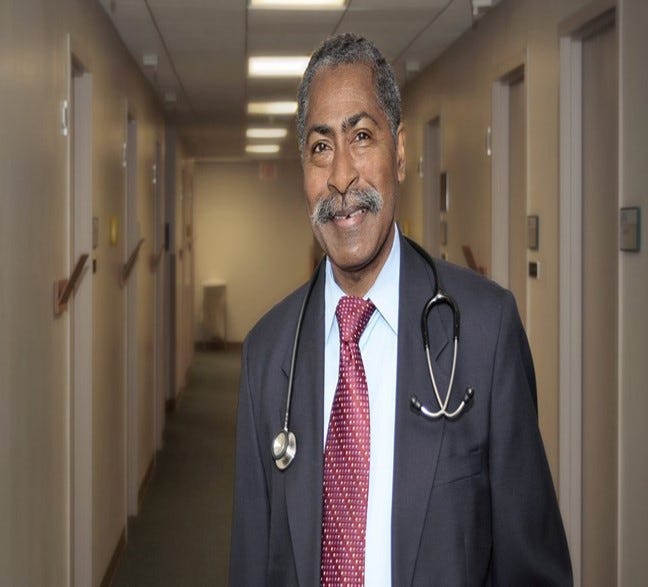
Dr. Charles Chambers was another member of the Society of Cardiac Angiography and Interventions. Charley made it a pleasure and an honor to be a member of that professional group. Like Joe Babb and Warren Laskey, and many others, those colleagues allowed me to defy Woody Allen’s joke: for a too-brief time, I found a country club (the Society for Cardiac Angiography and Interventions) that would accept me, and within which I found joyful philia.
After I returned to Washington state to practice in Yakima, I drove across the mountains to Seattle to visit with mentor J. Ward Kennedy, MD. before he died. I will always cherish those brief opportunities to interact with one of my heroeswho was also both a surrogate father and brother.
Eros: Romantic Love, including Procreation
It became obvious that both of my parents were happier and more fulfilled, living with their second chance wives, with whom they did not have children, than they had been living with the partners with whom they had procreated offspring. It has been similar for me. The wife with whom I had children moved on, and in the process made it very clear that she had neither care nor respect for me. At the end of our marriage, I had been living not so much with a stranger as with an enemy bent on my destruction. In addition to psychotherapy, I needed Divorce Recovery, parenting classes, men’s movement, and singles’ programs, before I was ready to try romantic love again.
My best friend of the past 29 years and wife, Joanne, had lived through the unexpected, and premature, death of the father of her children. Early in our marriage, she required a hysterectomy, so we have not had children from our union. Later in our relationship, we have lived together through surgery, radiation therapy, and drug therapy for her breast cancer, and a back ailment that has necessitated major surgery followed by years of nerve blocks, ablations, and physical therapy. My personal litany of providing work for surgical colleagues has included surgical replacement of both hips and both knees, and prostate attention (like my late father and brother). The finiteness of Joanne’s and my relationship, and of our individual lives, has been signaled. Mortality has been expressed every working day, as a cardiologist, particularly as I have cared for patients with acute ischemic syndromes and/ or heart failure.
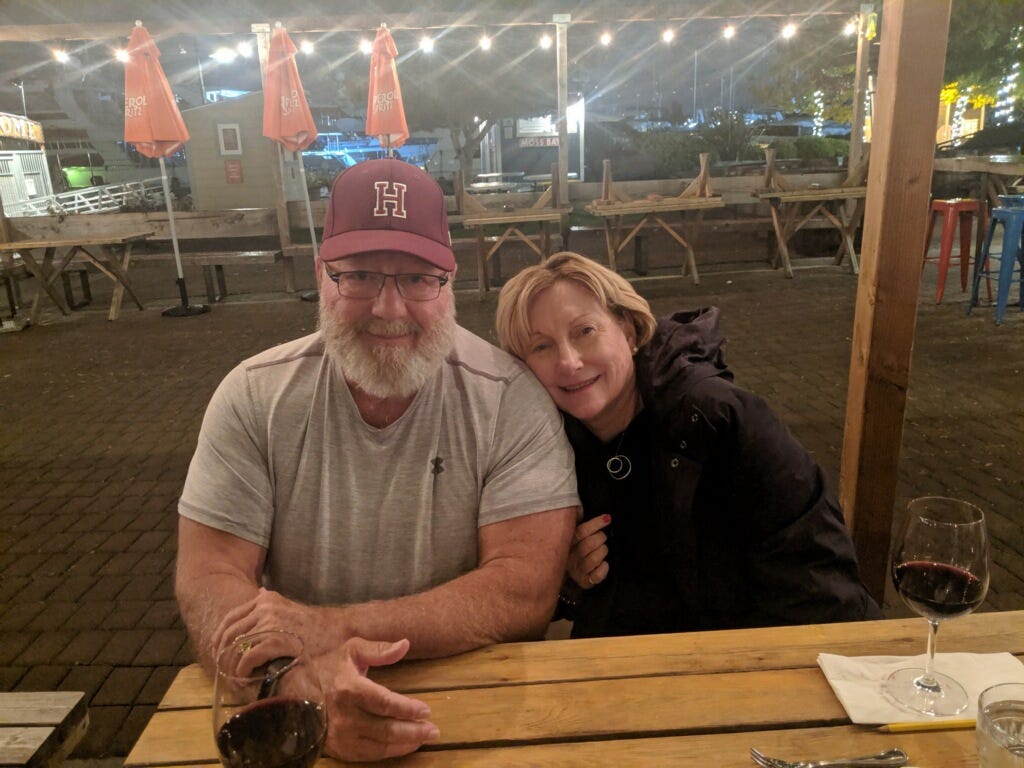
By analogy to seeing colleagues as brothers, blending a family helps one ponder the relationships with stepchildren and children. Choices and behaviors are often more relevant than genetic relationships. In concert with the Serenity Prayer, choices are what we can change.
Agape: Compassion, Altruism, Unconditional Love
Somewhere in the human struggle, we come to consider caring, compassion, and love for others, as well as for ourselves. In this regard, I learned three important lessons from Ricard Mattheiu’s text, Altruism - the Science and Psychology of Kindness:
· Altruism is the willingness to act for another. Altruism overlaps and often resonates with benevolence, kindness, compassion, caring, solidarity, fraternity, and prosocial behavior.
· Individuals and groups can cultivate altruism, kindness, and prosocial behaviors.
· There are obstacles or contrary forces that may work against altruism, in both individuals and groups.
Relevant to the resistances to pro-social behavior, one of my private-practice partners chose to point out an essay by Mark Twain, in which he had alleged, “altruism simply does not exist”. Another cardiology partner extolls the works of Ayn Rand, who wrote, “selfishness is the ultimate virtue”. Where I made some small headway, with both colleagues, was to cite the transformation in my thinking after my college experience with Asian studies. Western thinking emphasizes dichotomies: right versus wrong; selfish versus altruistic; good behavior versus sin. Eastern thinking offers the metaphor of a circle. The circle provides an alternative to the black versus white thinking - ‘I am right! You are wrong! - that is characteristic of contemporary political discourse. Perhaps Mark Twain, Ayn Rand, and even Donald Trump have part of the answer? Instead of simply insisting that ‘All swans are white’, or simply acknowledging ‘Black swans exist’, how about considering the possibility of grey swans, partial truths, incomplete information, and areas of unavoidable ambiguity and uncertainty?
The human cardiovascular system provides a metaphor. William Harvey demonstrated that the human cardiovascular system is a closed circle. Human physiology and its application to the care for patients emphasize homeostatic balance, as opposed to dichotomous on or off. With humans, there are physiologic shades of gray and clouds of unknowing, rather than simplistic, right versus wrong. The circle is more consistent with what I have seen of humans in medical practice. Humans are often internally ambivalent even when presenting a dogmatic exterior. Humans can no more make ourselves completely altruistic than we can make ourselves completely selfish. In most things, there is a balance, and we call the healthy balance love.
Humans are social animals. We desire, and we need, human interaction, human contact, and human caring. These observations provide insight into the mystery of the Golden Rule. Humans progress and thrive by means of collaboration. Collaboration requires compromise and consideration of alternatives: Perhaps I am wrong. Perhaps you are right. Perhaps we both have a point. Ultimately, we learn to care for ourselves at the same time that we care for each other. Often, there are no right answers, just better choices.
Who are the others who have taught me these lessons? My patients, colleagues, and my family (loved ones) have taught me through every step of my medical journey and life quest. Every effort I have made to understand, to empathize, to care has been returned. If not, in the moment, or by the specific individual, later by another. My family and patients have helped me see:
· Love, in the form of altruism, compassion, and empathy, is the antidote for suffering.
· Love is the best choice…

No posts
Comments
Nothing yet. Say the first thing.
Sign in to join the conversation.