
Dedication
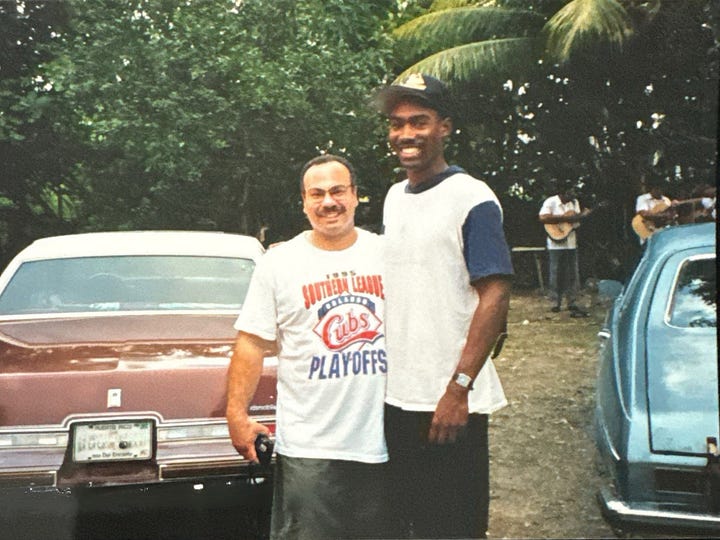
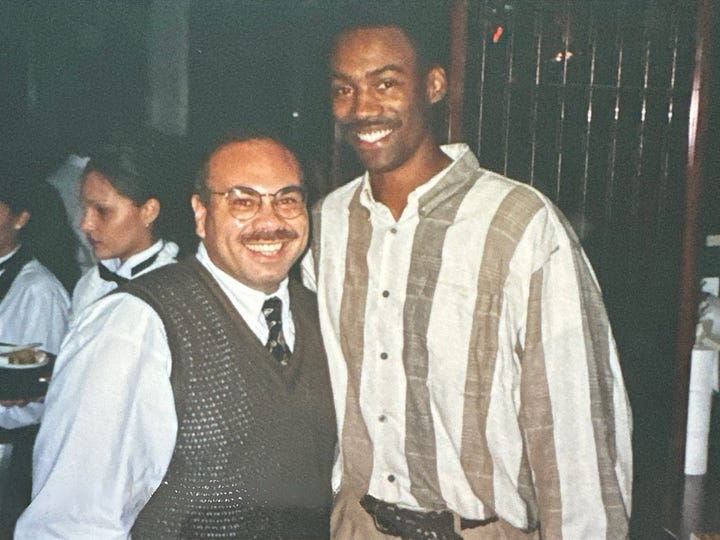
I dedicate this essay to my friend, the late Esteban “Steve” Melendez.
For many years, we traveled the road of professional baseball together. Steve was the Cubs’ athletic trainer at several of my stops in the Cubs’ minor league system before eventually spending time with the organization at the major league level. But it was during my winters in Puerto Rico that I truly came to know the man behind the profession.
Steve’s generosity had no bottom. He lived the idea of giving someone the shirt off his back. He spent countless hours advising people, encouraging them, opening his home to anyone who needed a place to stay, and quietly making other people’s lives easier, even when it made his own life more difficult.
Long before professional baseball required translators for Spanish-speaking players, Steve often filled that role himself. But translation was only the beginning. He helped players navigate everyday life, understand a new culture, solve problems, and find their footing far from home. Like so many who bridge two languages, he was not just translating words. He was translating belonging.
This essay is for Steve-O, as I always called him. I can still picture him with his incredible CD collection, especially the salsa albums that always seemed to be playing somewhere nearby. He lived with empathy, kindness, and uncommon generosity. Friend of stranger, everyone was better for having known him. He is deeply missed.
One of the secret bullet points on my CV is that I am proficient in Spanish. There was probably a time, after my second year of playing winter ball in Puerto Rico, when I was closer to fluent than I am today, but the foundation was laid much earlier, thanks to six years of Spanish classes, from seventh through twelfth grade, in my hometown school system. And I also had great teachers.
It was not until I played those two winters in Puerto Rico that I moved beyond the textbook understanding and began learning through everyday experience. I stopped studying the language and started living it. When it came time to choose where to live, most of my English-speaking mainland U.S. teammates (there were six of us) chose to stay at a resort where English was the norm. Although those born and raised in Puerto Rico begin learning English in elementary school, many spend their daily lives in environments where they often do not need to use it, or simply choose not to. As a result, English often becomes less a language of conversation than a vocabulary they understand.
Since I loved my experience with Spanish in high school, and I had spent many years in the minor leagues helping Spanish-speaking teammates who had only a minimal command of English, I was compelled to use this winter ball experience to get better at communicating in Spanish. So I declined my luxury resort option and elected to stay near the outskirts of the city of Mayagüez in Cabo Rojo.
My landlord spoke very little English. I dealt with roosters in the yard and did not have consistent hot water. I also lived without a TV, a phone, or air conditioning. It created the perfect conditions to explore because I had absolutely no reason to be in that apartment.
Over time, I got to know so many wonderful people all over the town and in the nearby city. Days strolling through the mall, hitting breakfast and lunch spots, getting gas, and battling my landlord who happened to be a fan of a rival team. I just dove in and decided that making mistakes was a good thing. It is rare when you are surrounded by teachers everywhere you go. And the people were so welcoming and gracious about it. So I took full advantage of the opportunity.
I often consider how many talented players who come from Spanish-speaking countries try to make it to the big leagues. We hear about the superstars, but the game is littered with players who got buried in the minors, still struggling with culture shock and frustrated by communication barriers. They may be from Santo Domingo but get sent to play minor league ball in Boise, Idaho. Culture shock times ten.
It is much better now than when I played in the minors even though it is still very challenging. Although Major League Baseball requires translators at the major league level, translation resources throughout the minor leagues vary from organization to organization and level to level. Regardless, translators do not necessarily help you get groceries or navigate everyday life away from the ballpark.
Comments
Nothing yet. Say the first thing.
Sign in to join the conversation.