
Congratulations to the New Museum, open to audiences for the first time since the Obama administration. The original Bowery building, with its squarish shape that felt in places cramped and in places impossible to satisfactorily fill, was maligned pretty much from the outset and has now been more than doubled in size. This is presumably great for anyone organizing or seeing a show there, though the new footprint does seem like a lot of real estate for an institution without a big cadre of curators or a collection. Good luck to Massimiliano Gioni and everyone else.
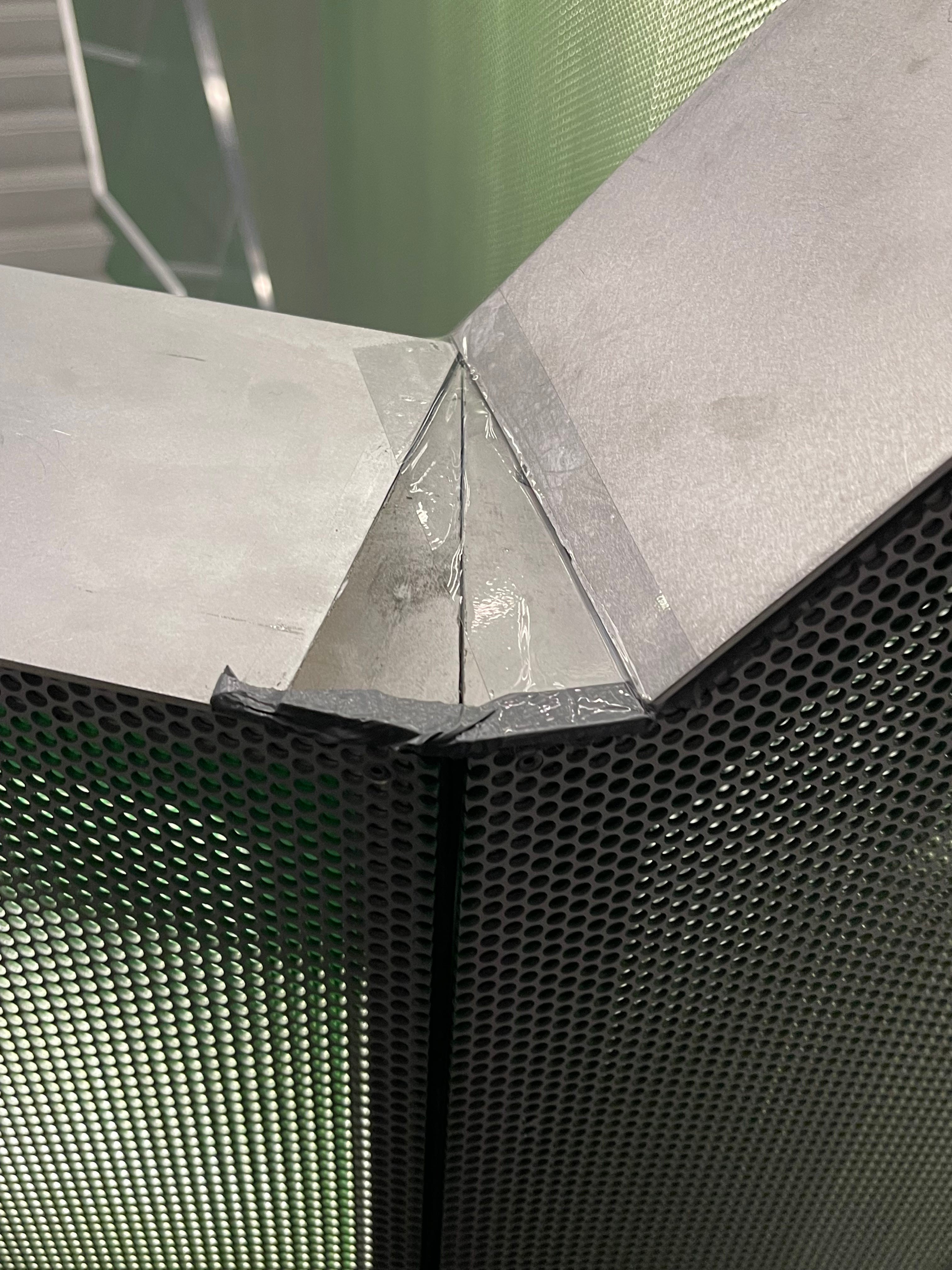
Initial reviews of the building indicate that it feels a lot like the old building but with a nice staircase, which alone might be worth $80 million. As for the craftsmanship, I received photos from the opening festivities showing handrails in the new stairwells held together with packing tape. From what I can see online, I gather that the only works in the inaugural exhibition are Anicka Yi’s flying squids from the Tate.
With Lisa Phillips having announced that she would depart after seeing the building project through, the job of New Museum director is open. Those interested in throwing their hat into the ring should check out this corporate headhunter’s posting from January, which leans substantially into tech: New Inc., Rhizome, et al. get the longest paragraph in the entire four-page listing. (“NEW INC’s community of over 800 members and alumni have created 686 new jobs and 370 business in NYC [and] generated more than $45M in revenue.”) Just don’t let them lowball you: Looks like they want the new director to take a substantial pay cut. The listed salary range starts at $500,000, a good deal lower than Phillips’s $850K+. But hey, we know how the NuMu feels about fair compensation.
I suppose Phillips’s salary wasn’t totally unreasonable, given her long stewardship of the place, the enormous amount of effort put into the museum’s capital projects, and her bona fides. It was certainly controversial, however, and out of line with that of execs at similar-sized institutions. Her fat pay package did her no favors during the New Museum’s nasty attempt to squeeze its nascent union ca. 2019, which earned the institution complaints to the NLRB over alleged discriminatory layoffs and Phillips a scathing profile in the New York Times.
Phillips herself has recently admittedly that mistakes were made:
She expressed regret about the museum’s opposition to the union. “We were really not prepared,” Phillips said. “At first, I felt that it was antithetical to the culture of the museum. But then I began to see that this is very much a new generation speaking, and we needed to listen.”
That limp and tardy acknowledgment does little for the people who were driven out the door back then. Hopefully the next director won’t view labor issues as some new fad the kids are into.
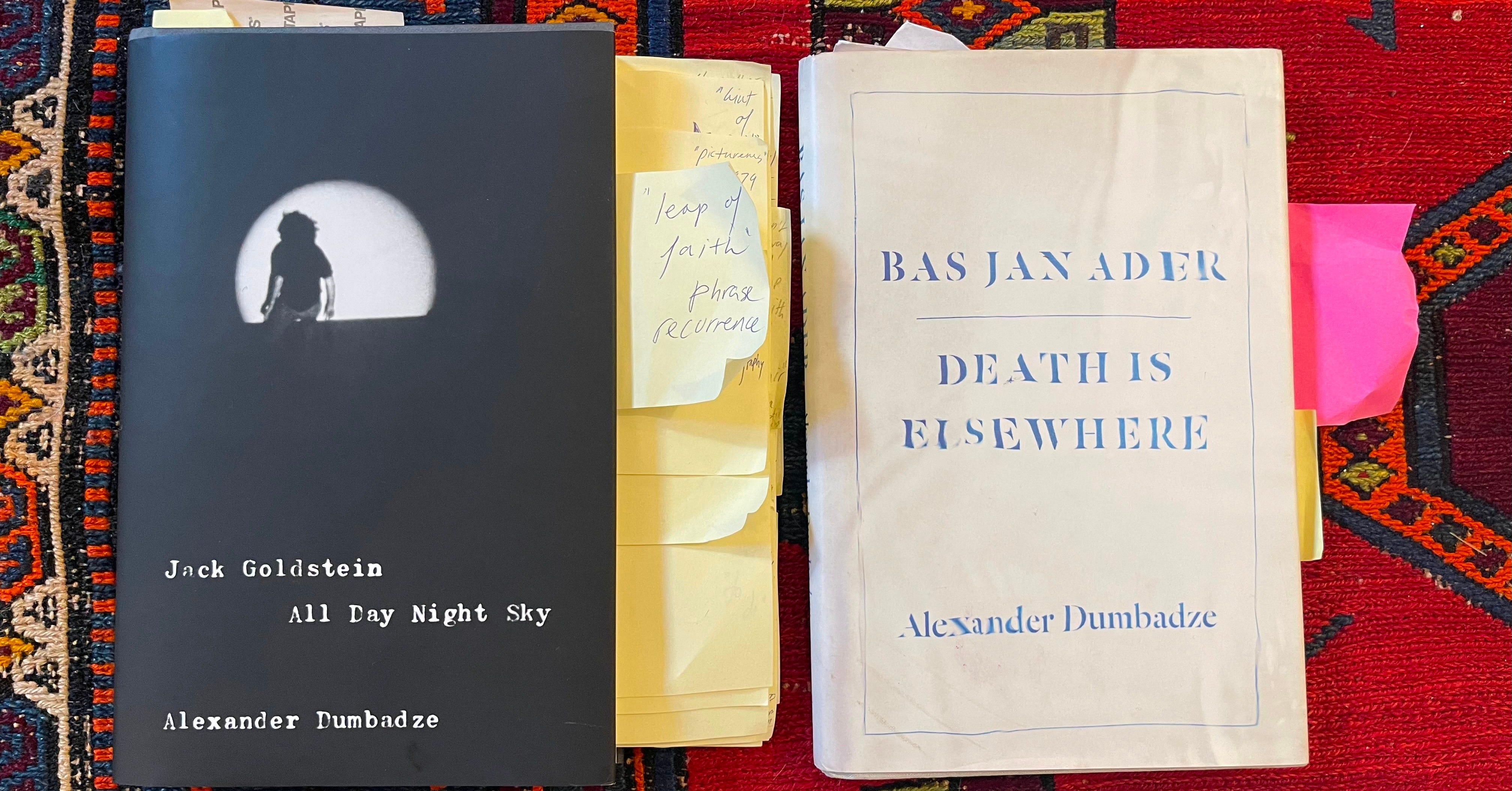
Kudos to my multitalented associate, the artist and writer Paige K. Bradley, for launching a new Substack. Its first installment is an engrossing account of the art and life of Jack Goldstein, in the form of a review of a solid new biography of the artist by Alexander Dumbadze titled Jack Goldstein: All Day Night Sky. Bradley wrestles with the notion of knowability, hero worship, and how getting close to one’s subject is both essential and risky. An exemplary passage on her first encountering the 2003 oral history Jack Goldstein and the Calarts Mafia:
The book seemed hilarious at the time, a bravura example of what in contemporary parlance we’d call going off. I encountered Jack Goldstein as a narrator, not an artist, and one obsessed with dispensing the truth. With little else to go on, his account held water: a lone genius against a cruel world. I had no artistic inheritance, no cultural capital; the insider’s voice appealed. My education often took this form—finding, without introduction, a voice that spoke directly both to me and addressed the structural world which enabled our encounter. His bitterness read as authentic, resonating with my early sense of the resentment and intimidation my intelligence provoked. But authenticity is not authority; he could be true and still wrong.
My forays between Provincetown and New York City have taken me through the Penn Station/Moynihan complex on a few occasions in recent months, where I marveled at the persistence of Gotham News, lamented the pristine inhumanity of the benchless Grand Hall, and laughed gently at the name of the Irish Exit pub in the food court. Its open-plan bullshit is unfortunately very airport-bar-awkwardly-plugged-between-gates, which means it will never have the charm of the beloved Penn Station watering holes Kabooz’s and Tracks, the latter of which is happily reopening in a new location on the LIRR platform. You can find some classy archival photos and disturbing renderings of the new space here.
Penn Station does have a relatively new, sophisticated place to grab something to sip on while you ride the rails called Penn Cellars. The selection of wine is way better than it has to be, and near the entrance stands a refrigerated display case flush with all manner of single-serve options—Underwood rosé, KTV-standard bottles of soju, mai tais and Manhattans in cans big and tiny. The management seems to be imagining that the ongoing renovations will bring a new grade of commuter who craves something classier than a highway-side gas station selection of energy drinks.
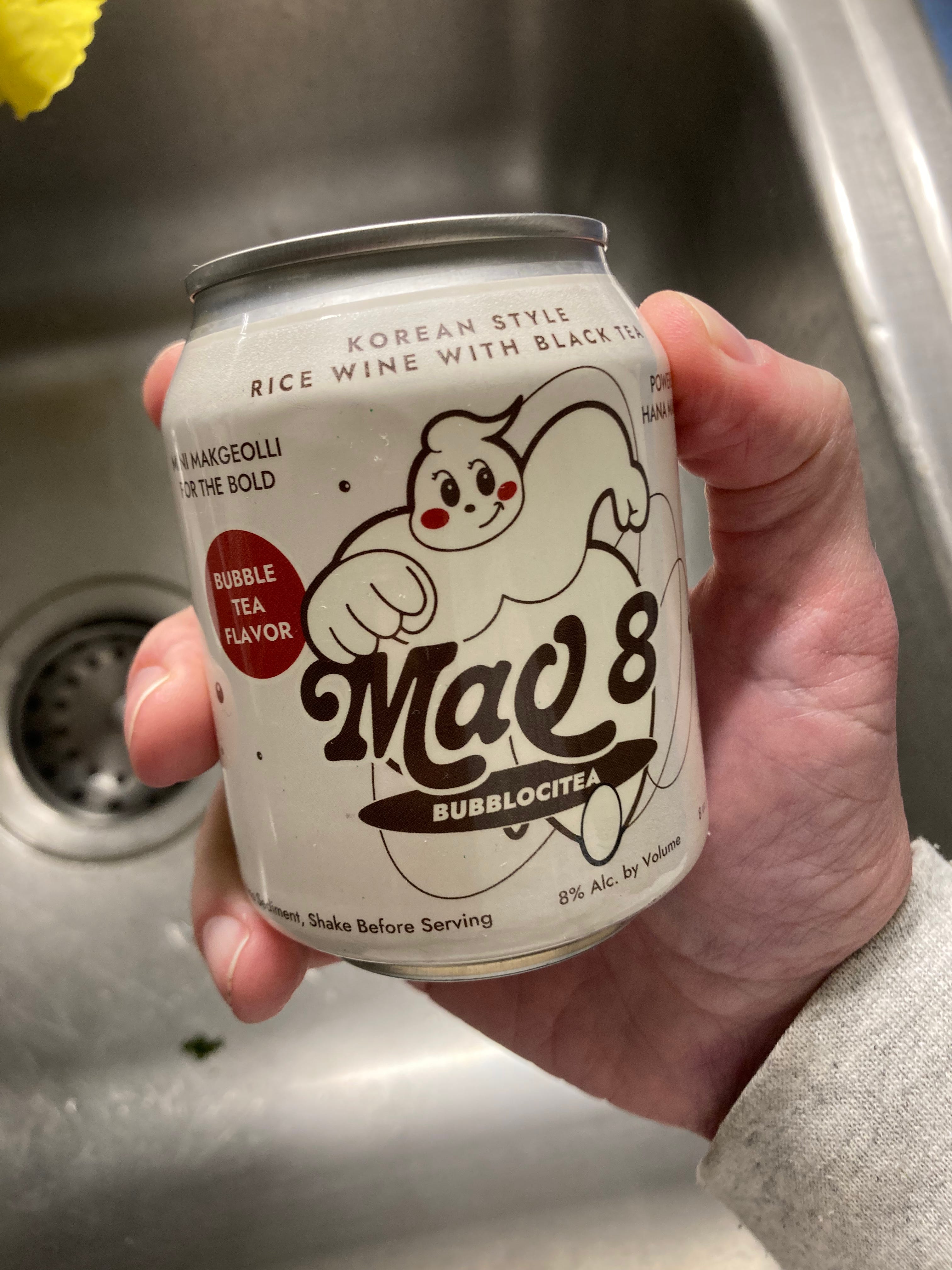
From that array for my last ride on Amtrak, I grabbed a can of Maq 8 Bubblocitea, in part because I wanted the little caffeine boost, in part for the bizarre mascot vaguely ripping off the Michelin Man, and in part because it seemed like it would be weird. And indeed, it was.
Maq 8 Bubblocitea does not taste like boba tea, nor tea really, nor like some the jovial distended creature depicted on the can; it tastes like cheap alcohol with a bit of a brown rice flavoring. Despite my vigorous shaking, it remained gritty, so I poured it into a glass and was dismayed to find it opaque, and not a trace of tapioca.
Bubblocitea does improve over time: After about 20 minutes, it tastes like soju and after 30 like—gasp—milky black tea, though it does retain its sandpaper rasp. It’s a little impractical to put something that needs to breathe in an 8-oz can, however. I was rooting for Maq8, which is made proudly in NYC by Hana Makgeolli, a Greenpoint-based company that makes about a dozen products that use as a base sool, a Korean rice wine. Support them and your other local businesses, like Penn Cellars! Just try something other than Bubblocitea.

Happy belated inaugural Jackson Arn Day to all those who celebrate. It was Saint Patrick’s Day 2025 when the NYT broke the news of the pitifully underqualified neck-nibbler’s sacking from the New Yorker’s art critic position after disgracing himself at the magazine’s hundredth anniversary party. Arn’s brief tenure was distinguished primarily by his jazzbo-ponytail cartoon portrait and WASPy commentary as vacant as his bottle-blue eyes.
Oh Domenick, I can imagine some of you saying. Why even bring this guy up? Well, it seems fair to keep roasting a guy who not only blew his own dream job but gave David Remnick the excuse to cross the position off Condé’s balance sheet. Thanks for ruining it for the rest of us, Jack.
Moreover, guys like Arn have a way of bringing themselves up. I opened the January issue of Harper’s at the Provincetown Public Library the other day (we’re a little behind on the Outer Cape) and Arn’s name leapt off the masthead. Given Harper’s dubious track record with art criticism in recent years, I wasn’t that surprised. In fact I burst out laughing, startling the elderly woman in the periodicals room immersed in a recent issue of the Boston Globe.
Arn appeared only in Harper’s Readings section, the array of excerpts from other publications that opens the magazine. Nevertheless it seemed obscene to have him atop a list including John Edgar Wideman and Diane Williams. His reappearance in the most august halls of American publishing offers the valuable lesson that once you get a foot in the door with the right institution—once you get made, mob style—you can never get kicked too far to the curb. Does anyone think that if Arn had never lucked into the most prestigious art critic gig in the United States that the staff of Harper’s would have been trawling something called Liberties magazine for new talent?
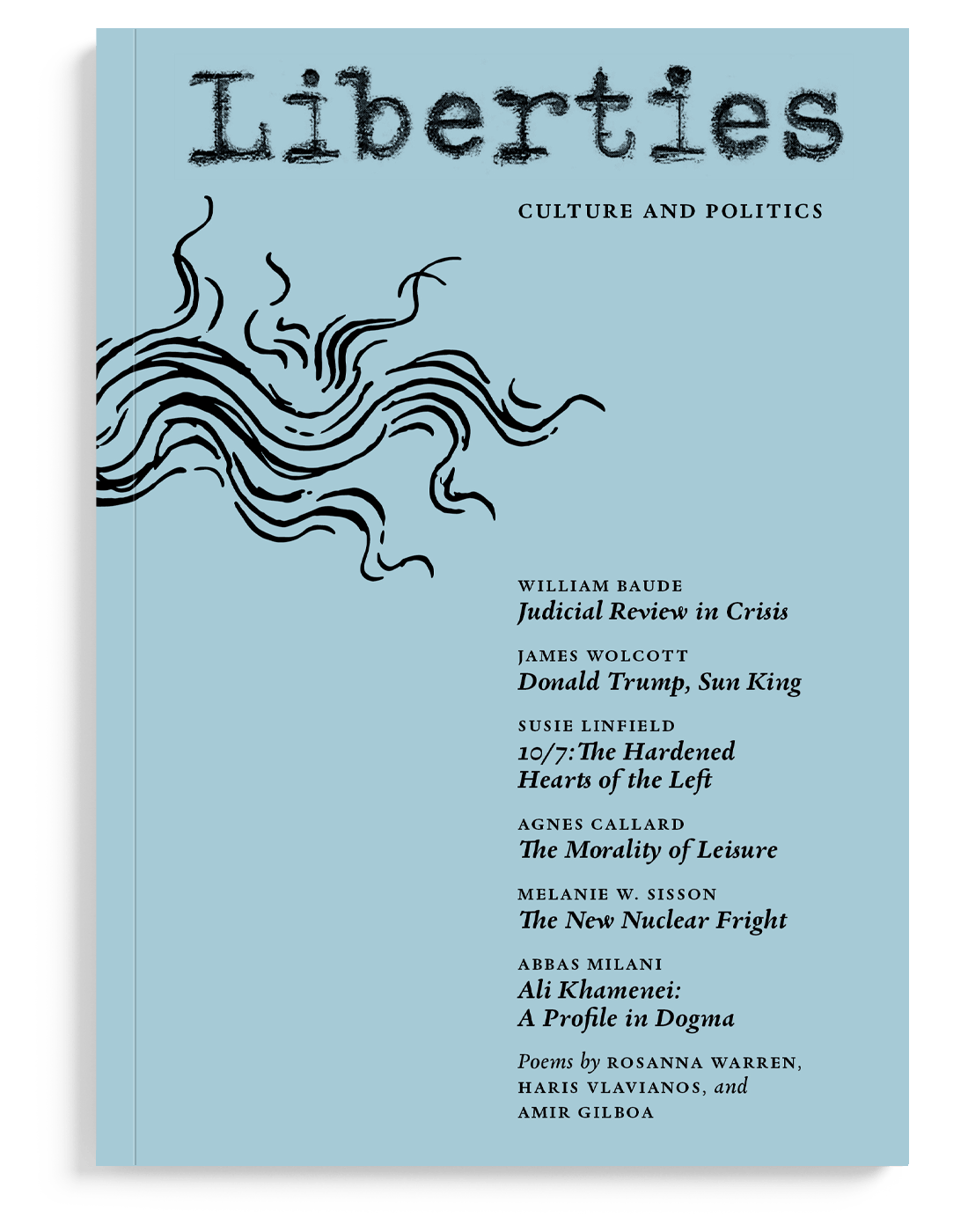
Actually they might have. Liberties has the charm of a quarterly bulletin published by a DC think tank; it resembles The New Criterion except the entire cover is monochrome and features jovial clip art. Per The Nation, which ran a piece on the magazine in 2023, “Liberties pitches itself . . . as a work of pre-digital samizdat to be passed around by an aging East Coast elite that regards its arguments as dangerous and risqué.” Its editor is none other than the frizzle-headed Leon Wieseltier, ousted from The Atlantic for sexual harassment back in 2017. It seems highly likely that the commissioning party in the Harper’s office for Arn’s excerpt was the same as it was for “The Painted Protest” and for its other occasional reactionary spasms under the guise of classical liberalism.
Operating out of DC’s Georgetown, Liberties organizes (sigh) salons in their offices with titles like “Does Success Help?” which is actually pretty funny and I’m sure kills with people who like to imagine they’re constantly grappling with questions fundamental to the Western philosophical tradition—DC lib Sovereign House, basically. Big Questions appears to be a Liberties big idea: They run a podcast with episodes titled “Is There a Moral Aesthetic?” and “Is Iconoclasm Evil?” which when read consecutively bring you farcically close to this hallowed territory:

There’s nothing terribly wrong with the excerpt of Arn’s “The Mindless Expansion of Art Museums” that appears in Harper’s, aside from its being fussy and a little overcooked. It concludes with some nice exegesis of Johan Zoffrany’s The Tribuna of the Uffizi (1772–77), only to blow it with a cloying piece of corny-ass humanism involving the “miracle” of a curious child enraptured by a draftsman at work in the bustling galleries: “Given the choice between the loud, louche circle and the artist, the boy chooses the artist.” At least it’s an improvement on Harper’s last big venture into the world of art, replacing midlife-crisis moaning and a Little England rhetorical transplant with the mere annoyance of heartstring tugging worthy of the multiplex.
RIP to Éliane Radigue, whose transcendent work I have been profaning by making it a backdrop to hours of sitting at my crusty keyboard.
No posts
Comments
Nothing yet. Say the first thing.
Sign in to join the conversation.