
One of the first things I have been telling people in India after returning from a vacation in Bhutan is this - “In my week-long trip, our driver, Sonam, lightly honked just twice. Once, when the car parked ahead of us did not signal for a while, and later, while passing through a curvy road on a foggy afternoon. Both times it was just a light beep.”
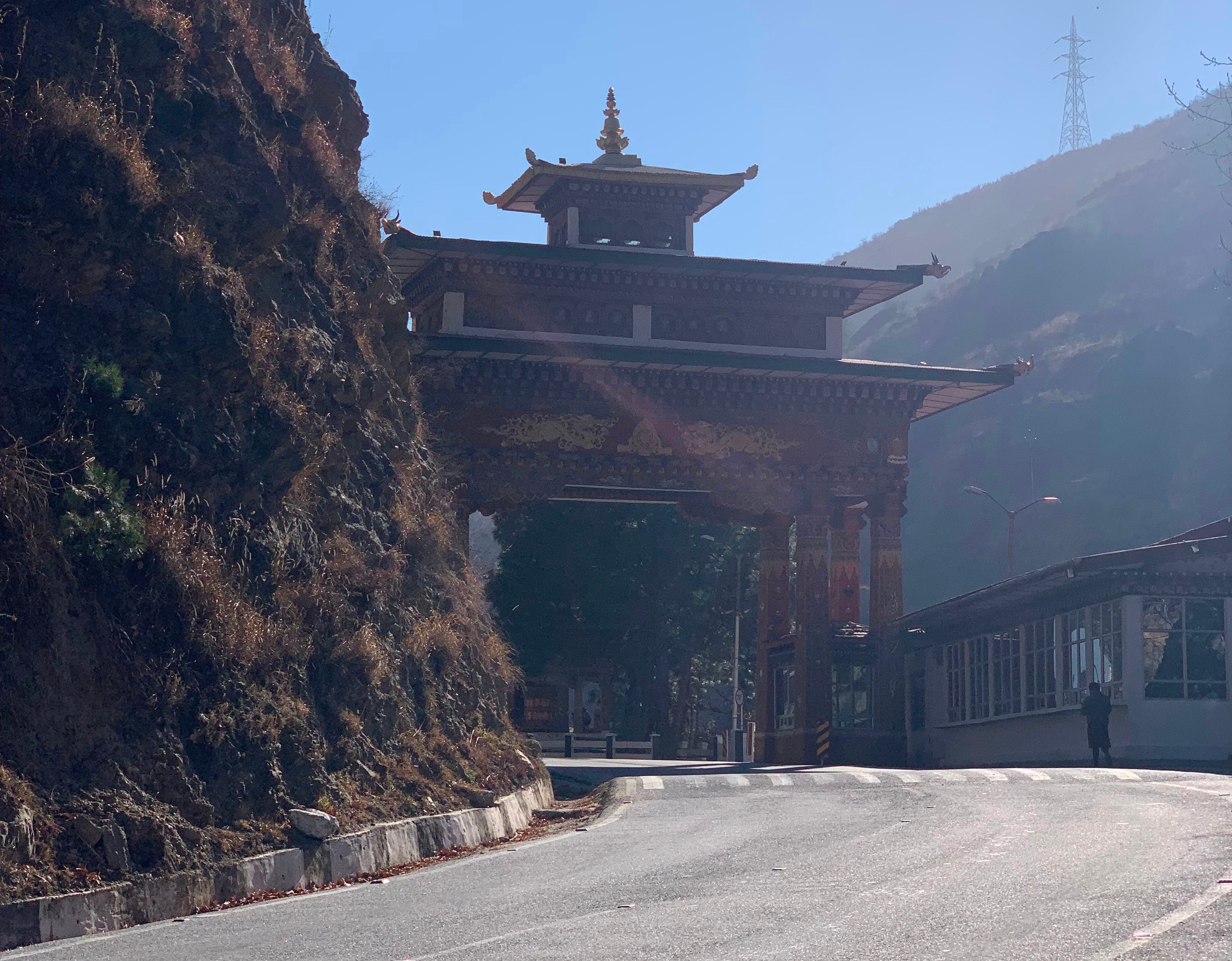
Yes, I was counting because the moment I crossed the India-Bhutan border, I felt in my nerves a calm silence!
Have you ever felt a momentary, sudden relief after being anxious for days? That relief resembled what I felt when I crossed over from Jaigaon (India) to Phuentsholing (Bhutan).
We travelled to Bhutan through a travel app called Furbago, which had arranged a cab to pick us up from the New Alipurduar Railway Station (West Bengal, India) and drop us at Bhutan’s border town, Phuentsholing.
For anyone travelling to Bhutan for the first time via road from India, here’s a quick detail: At the border gate in Jaigaon (India), you need to walk through an indoor checkpoint to get your passport scanned, while your driver separately crosses in the car with your luggage through the road. You might feel a pinch of nervousness here, but there will be someone to guide you through Jaigaon’s crowded market area to reach the gate.
There was no hassle for us as Furbago connected us with local cab drivers in India for easy commute, and also with our warm and gracious Bhutanese guide, Pema and driver, Sonam.
As we got our passports scanned and entered Phuentsholing, the calm silence felt immediate, especially because on the other side, there was Jaigaon’s crowded bustling market. Phuentsholing was also filled with cars, people, shops and markets, but the volume in the environment was completely different, mostly because of the lack of honking! The same cars crossing from Jaigaon to Phuentsholing drove better, made way for pedestrians crossing and did not honk on the other side!
Earlier, I wrote a newsletter called “Kadrin Cheyla - Thank you in Bhutanese”, as it was the feeling of gratitude that I took back from this trip, beyond souvenirs and a fridge magnet for the fam (not yet reached the stage to explain to them about how overpriced these souvenir magnets are!)
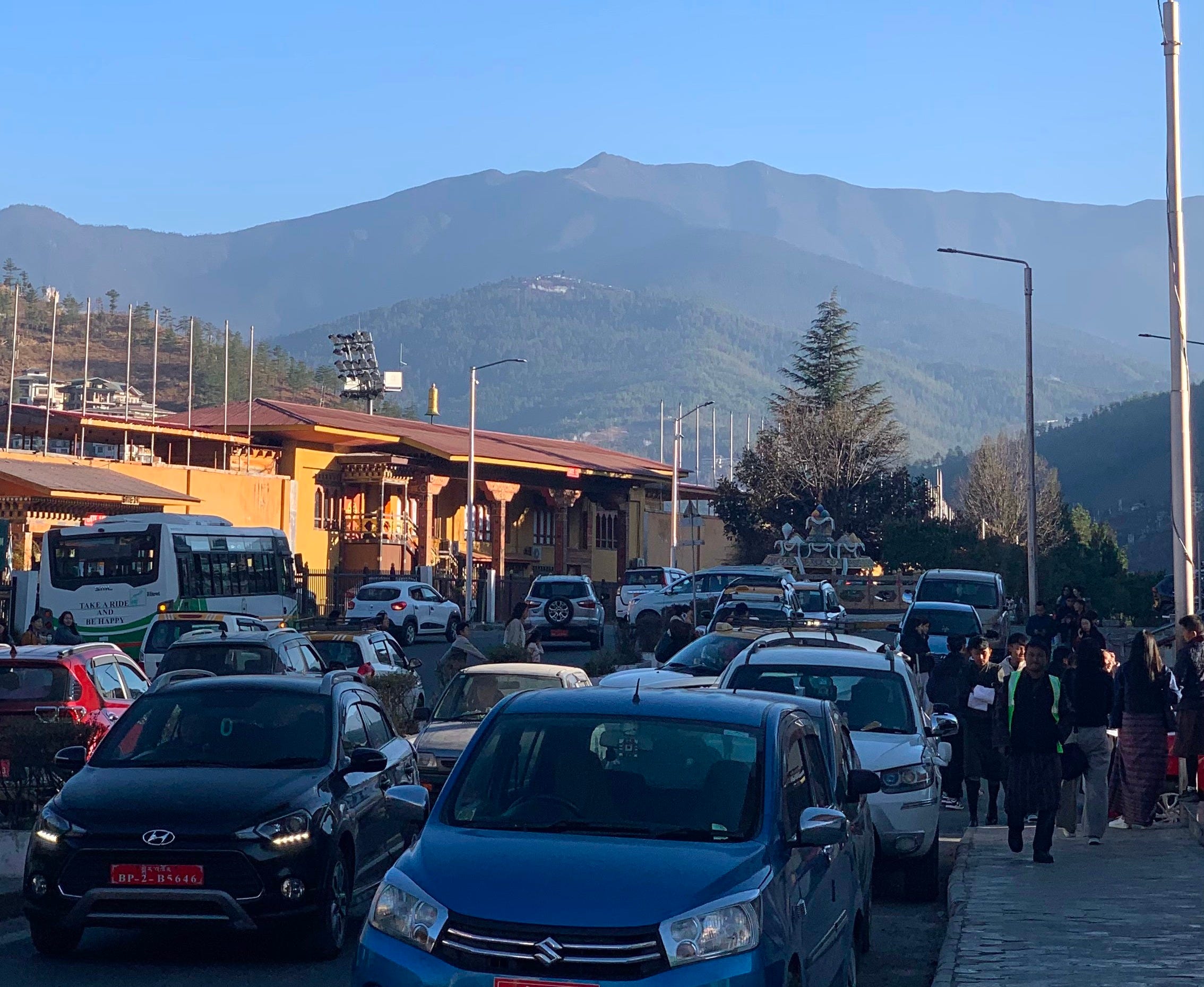
Travelling through Bhutan on limited data on a local SIM card gave me a much-needed break from the barrage of negativity online, where almost every topic, joke, opinion, and content was leading to polarising debates or even petty fights. On the contrary, here I was in a country where people were navigating winding mountain roads with the understanding that it belongs to everyone - where every driver’s, pedestrian’s, and cyclist’s safety and well-being mattered. Coming from a nation where pedestrian safety and well-being have been issues to be solved for quite some time now, experiencing dignified discipline on the roads of a neighbouring country was very inspiring. I hope any country with a road rage issue can learn and adopt a few pages from Bhutan.
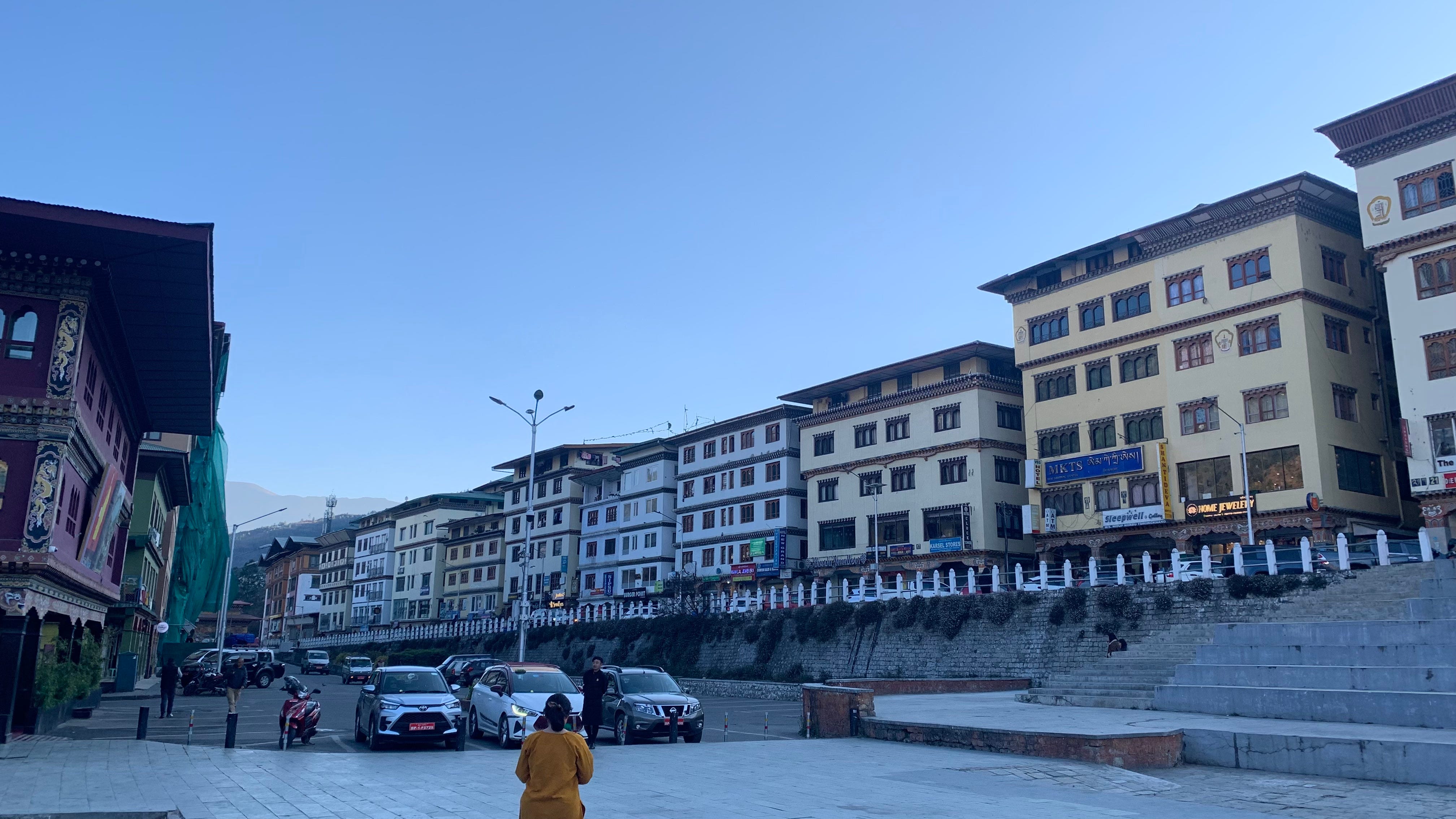
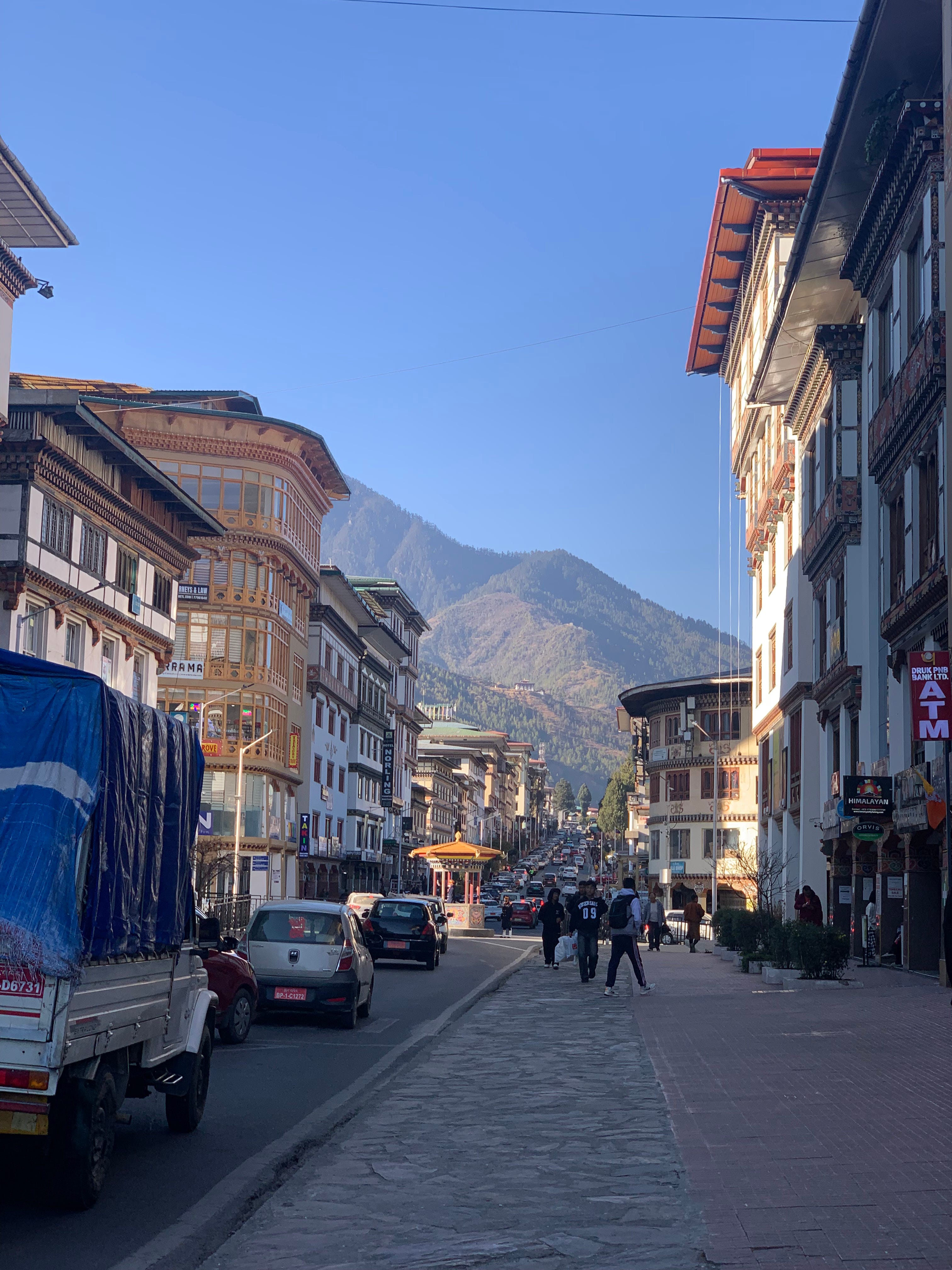
To make things even more fascinating, Bhutan is recognised as the only country in the world with no traffic lights! If you are a driver, imagine the amount of selflessness, consciousness, care, respect and discipline it will take to motor through without red lights stopping you. Even in the capital city of Thimphu, there were only traffic policemen, helping navigate the cars in crowded junctions. The country did put up traffic lights on a trial basis once in the 90s, but it was discontinued soon, as the local people preferred the human interaction with the officers along with personal responsibility rather than the impersonal automation of traffic lights! In a world obsessed with making all things automated and convenient, with as little human interaction as possible, it’s a pleasant surprise that a nation prioritises human interaction, community respect and personal responsibility by choice.
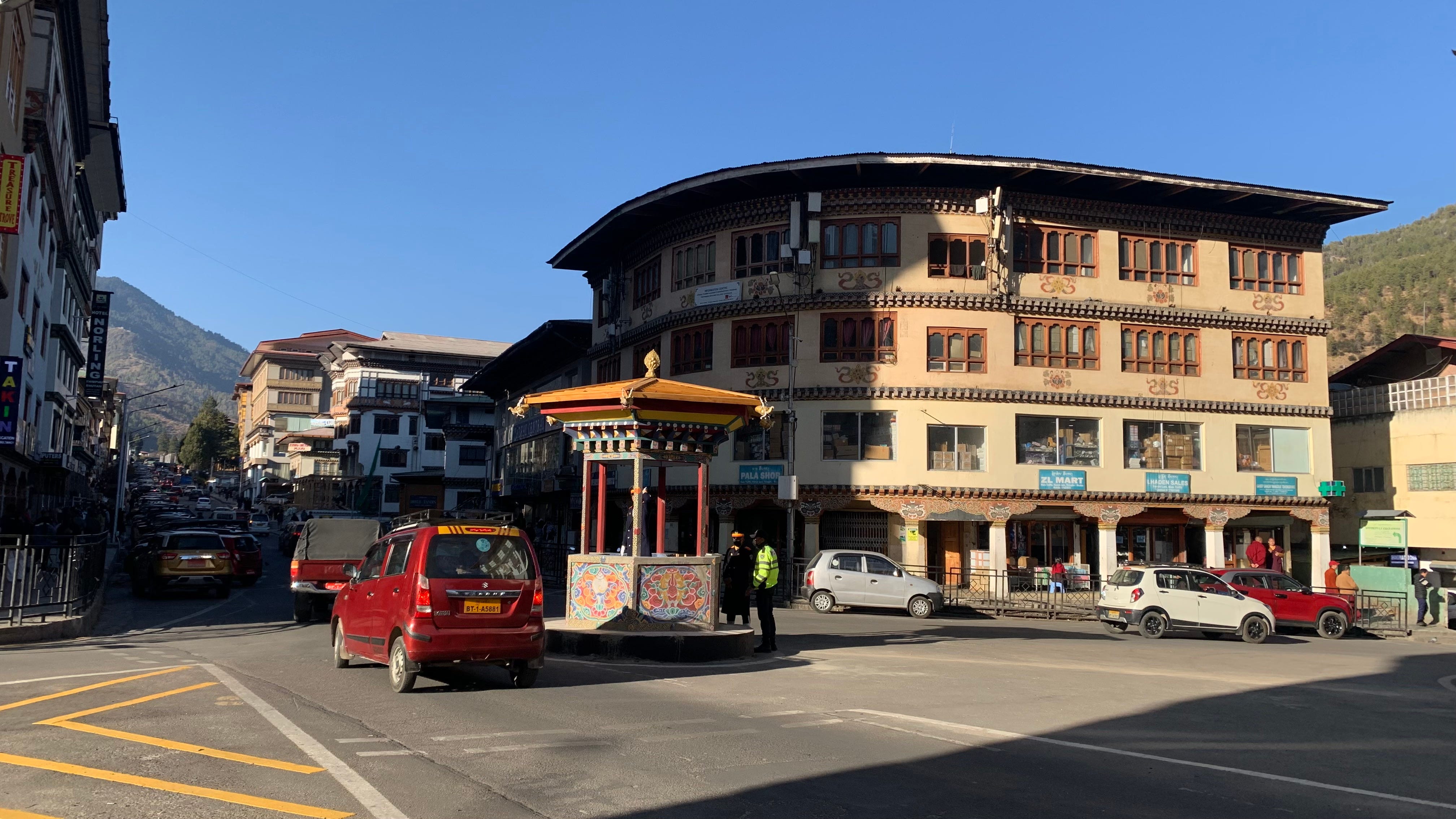
Bhutan has been a country of interest for both my friend and me, as we have worked in the space of sustainability and have read innumerable stories of the country prioritising its natural environment alongside modernisation and development.
I was also intrigued for the longest time about how Bhutan measures its progress through GNH - Gross National Happiness instead of GDP (Gross Domestic Product). Over the years, people often travel here looking for the “happiest country” or seeking “a secret to happiness”! But here’s what our local guide, Pema, said, “We don’t believe we are the happiest country or a perfect one, but we simply try to be”. His words stayed with me, and I sensed that effort in our short trip where shared values of responsibility are noticeable from the way people drive, protect their environment and animals, and preserve their culture.
Yes, Bhutan is a beautiful country with mountains, rivers and clear skies, but it is so much more than just pretty landscapes! There was a good balance of cultural preservation and modernisation, and common people’s voices seem to be prioritised, where decisions like being a country without traffic lights came out of the choice of the local people.
It’s always the little things about culture and everyday life habits that often fascinate and inspire me while travelling to a new place, leaving me to wonder what we can learn from it.
I cannot imagine living without traffic lights, and adopting a “No Honking” rule seems impossible in India (for now, at least). But we can at least try to “honk less” and bring a sense of mutual respect and personal responsibility to our roads.
I am Namrata Gohain, a designer-turned-storyteller, writer, and content producer. I document stories on responsible travel, crafts, cuisine, slow living, and my creative journey. I have worked extensively in the Indian artisanal craft sector as the founder of a sustainable craft label and collaborated with mindful brands and social impact-driven initiatives for over a decade.
Share this publication with someone who prefers thoughtful storytelling.
Recommendation: A slow-paced travel storytelling course with my favourite Indian travel blogger Shivya Nath. I am on Substack doing what I love because of this course! :)
You may also like:
Comments
Nothing yet. Say the first thing.
Sign in to join the conversation.