
One of the most rewarding parts of being an animal bodyworker is witnessing the incredible changes that can occur during a session. A horse may yawn repeatedly after a tight poll begins to release. A dog that arrived stiff and reluctant to move may suddenly stretch for the first time in weeks. An anxious animal may sigh deeply, lower its head, or even fall asleep.
But occasionally, something unexpected happens after a treatment.
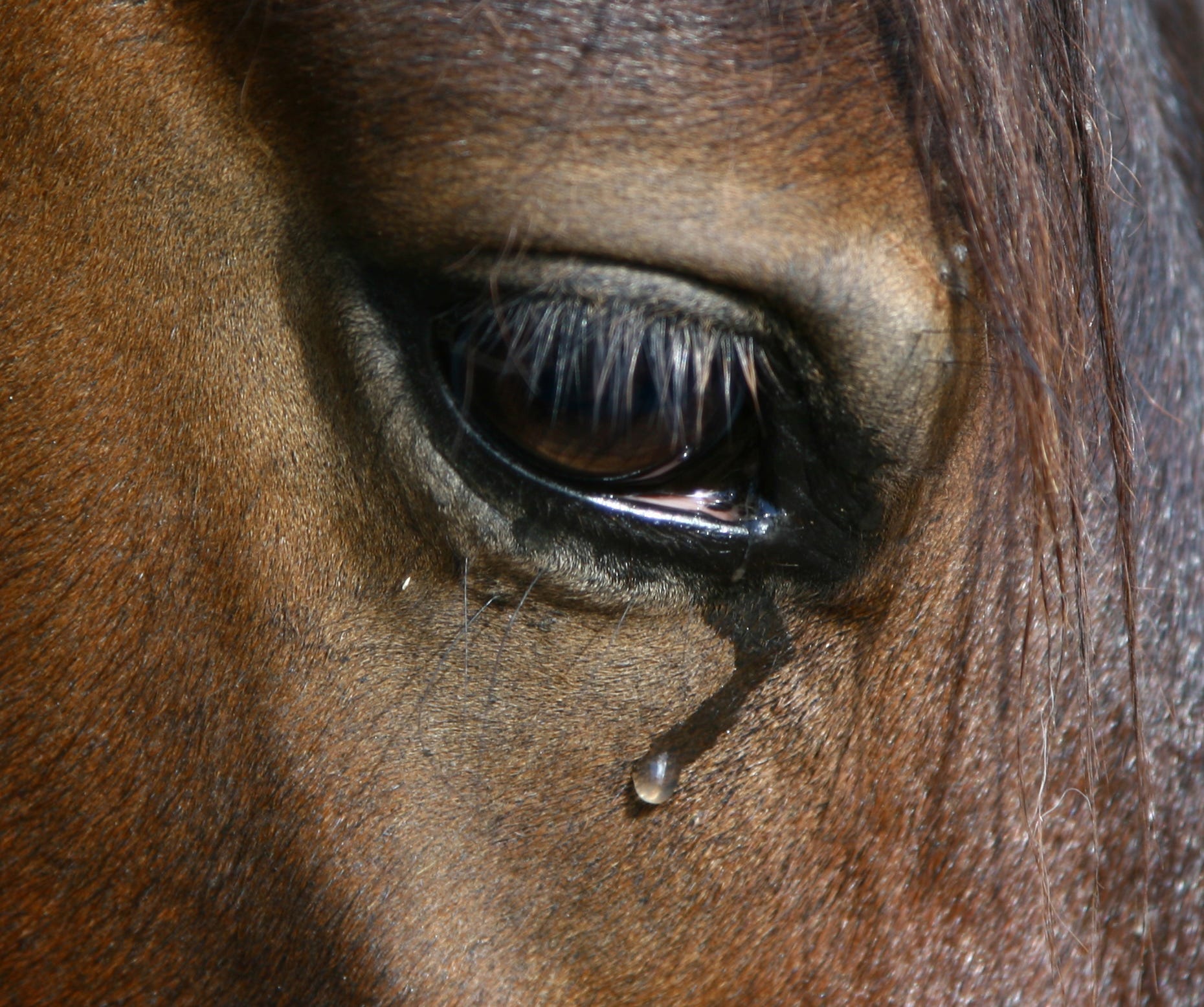
Perhaps a horse’s eye begins to water.
A dog seems slightly more tired than usual.
A horse drinks an entire bucket of water.
An owner notices their pet is stretching more, sleeping more, or seems temporarily sore.
And sometimes...
The owner panics.
As practitioners, knowing how to prepare clients for these possibilities is just as important as knowing how to perform the bodywork itself.
One of the biggest misconceptions owners have is that if something changes after a bodywork session, the treatment must have caused a problem.
In reality, the body is incredibly dynamic.
Massage and other bodywork techniques influence:
Circulation
Lymphatic drainage
Fascia
Muscle tone
Joint mobility
The nervous system
Breathing patterns
Stress responses
As the body begins to relax and reorganize, temporary changes are not uncommon.
Every animal is different, but some completely normal responses include:
Yawning
Licking and chewing
Swallowing
Deep sighs
Increased blinking
Stretching
Shaking
Lowering the head
Increased thirst
Increased urination
More frequent bowel movements
Fatigue
Sleeping more than usual
Improved appetite
Temporary muscle soreness
Improved range of motion
Emotional relaxation
These are often signs that the nervous system has shifted into a more relaxed state.
Occasionally practitioners observe increased tearing from one eye or mild nasal drainage after significant work around the:
Poll
TMJ
Hyoid apparatus
Upper cervical region
Facial muscles
This doesn’t necessarily mean something is wrong.
These regions contain an incredible amount of fascia, blood vessels, lymphatics, and cranial nerves. As tension decreases and circulation changes, some horses may blink more, tear slightly, or even develop mild nasal drainage.
That doesn’t automatically mean the bodywork caused an injury.
It also doesn’t mean the bodywork “released toxins.”
It simply means the body is responding.
Of course, tearing can also be caused by allergies, environmental irritants, blocked tear ducts, corneal ulcers, foreign bodies, or many other unrelated conditions.
That’s why it’s important never to diagnose the cause yourself.
One of the biggest mistakes practitioners make is overexplaining.
Avoid saying things like:
“The massage caused her eye to water.”
Instead, say:
“Sometimes after releasing significant tension around the head and neck, we occasionally observe temporary changes such as increased blinking, tearing, or drainage. Most resolve quickly, but because eye issues can have many causes, I always recommend contacting your veterinarian if the tearing continues or if you notice pain, swelling, discharge, squinting, or cloudiness.”
Notice the difference.
You’re acknowledging the observation without assuming cause.
You’re also staying within your scope of practice.
The best way to prevent worried phone calls is to educate owners before they ever leave.
I tell clients they may notice things such as:
Their animal sleeping more than usual.
Increased drinking.
Temporary stiffness.
Stretching.
Yawning.
Licking and chewing.
Emotional relaxation.
Increased movement.
Changes in posture.
When owners expect these things, they’re far less likely to become alarmed.
As practitioners, we also need to recognize when something deserves veterinary attention.
Advise owners to contact their veterinarian immediately if they observe:
Persistent or worsening eye discharge
Squinting
Cloudiness
Swelling
Severe lameness
Difficulty walking
Collapse
Fever
Difficulty breathing
Bleeding
Severe pain
Neurological signs
Any symptom that rapidly worsens
Bodywork should never delay veterinary care.
Unfortunately, every practitioner eventually experiences it.
A client stops responding.
They never pay.
They disappear after expressing concern.
It can be incredibly discouraging.
Before assuming the worst, remember:
Sometimes owners are overwhelmed.
Sometimes life gets busy.
Sometimes their veterinarian found an unrelated problem.
Sometimes they simply don’t know how to communicate.
Try sending one thoughtful follow-up message.
Something simple like:
“Hi! I just wanted to check in and see how Bella is doing. I’ve been thinking about her and hope she’s feeling well. I’d love to hear how she’s doing when you have a chance.”
Notice what isn’t included.
No defensiveness.
No assumptions.
No immediate demand for payment.
Just genuine concern.
If they respond and everything is fine, you can politely follow up regarding your invoice.
If they never respond...
Document the interaction, keep your records, and move on.
Not every client will become a lifelong client.
One of the best things you can do is build these conversations into your intake process.
Consider including:
An informed consent form.
A description of expected post-treatment responses.
A statement explaining that bodywork complements—not replaces—veterinary care.
Instructions for monitoring the animal after treatment.
When to contact their veterinarian.
Your payment policy.
These simple steps reduce misunderstandings and demonstrate professionalism.
Every experienced bodyworker has encountered situations where an owner became concerned after noticing something unexpected.
It doesn’t mean you did anything wrong.
What matters is that you:
Stay within your scope of practice.
Educate without diagnosing.
Encourage veterinary evaluation when appropriate.
Communicate calmly and professionally.
Document everything.
Over time, you’ll discover that communication is every bit as important as your hands-on skills.
A knowledgeable practitioner helps animals.
A great practitioner also helps owners understand the healing process.
And when owners understand what they’re seeing, they’re much more likely to trust both the process—and you.
What experiences have you had?
No posts
Comments
Nothing yet. Say the first thing.
Sign in to join the conversation.