
Hello friends! Pride month is upon us! And also WW3 :) But, if I may, please allow me to distract you for just a little while with a compelling story- a story about my magazine subscription problems.
Years ago I got a subscription to Bon Appetit magazine (and a free tote bag!) and I used to actually read it, tearing out recipes to put in a binder. But over the years and with more access to culinary resources, I sort of realized they were just taking up space on my coffee table. I’ve tried a few times now to cancel my subscription, but…. I can’t. It doesn’t seem to be connected to any of my bank cards- I don’t think I’ve paid for it for years- and none of my email addresses appear to be connected to it either. So it just keeps coming, month after month, seemingly of its own volition. I figure the BA print magazine just a part of my life now. It’s a ghost subscription haunting my mailbox…. at this rate, possibly forever.
It’s not that I don’t like Bon Appetit. It’s a great “encyclopedia” for more common recipes, and some of their human interest stories are fantastic. In fact, just the other day I came across an excerpt of a really cool interview on the BA Instagram page. They were interviewing authors Erik Piepenburg and John Birdsall, who both just released books on June 3- Dining Out and What Is Queer Food (respectively). These books both deal with the idea of “queer food”, attempting to pin down exactly what “queer food” is. The term has been floating around for years, and it’s something I myself have have pondered, seeking a tangible definition of something that feels important but also sort of vague.
The post just provided an excerpt of the full interview, but it was great. I loved what Birdsall said so plainly about this tough-to-pin-down concept: “the foods I’m calling queer are, in a different context, completely non-queer. So the intention behind the food gives it a definition.” From this perspective, it’s really quite simple. LGBTQ cooks? LGBTQ eaters? Boom, you have queer food. Piepenburg talked more about queer food as a sense of place- the diner where all the “weird” (gay) kids congregated in his hometown of Cleveland, for instance- where queer people, inadvertently or not, have taken over the space and made it what it is. This notion conjures up all the coffee shops, restaurants and bars all over the country that quietly served as both as hubs and safe havens for LGBTQ people- the only places queers could be who they were and with who they loved in public, without fear of retribution. Both Birdsall and Piepenburg defined queer food less by the actual food itself, and more by who’s making it, who’s eating it, where, and why. Birdsall also expressed a sentiment I love: “any food that pushes against a normative expression”- any food that challenges the way things are, how they’ve always been done- is queer food.
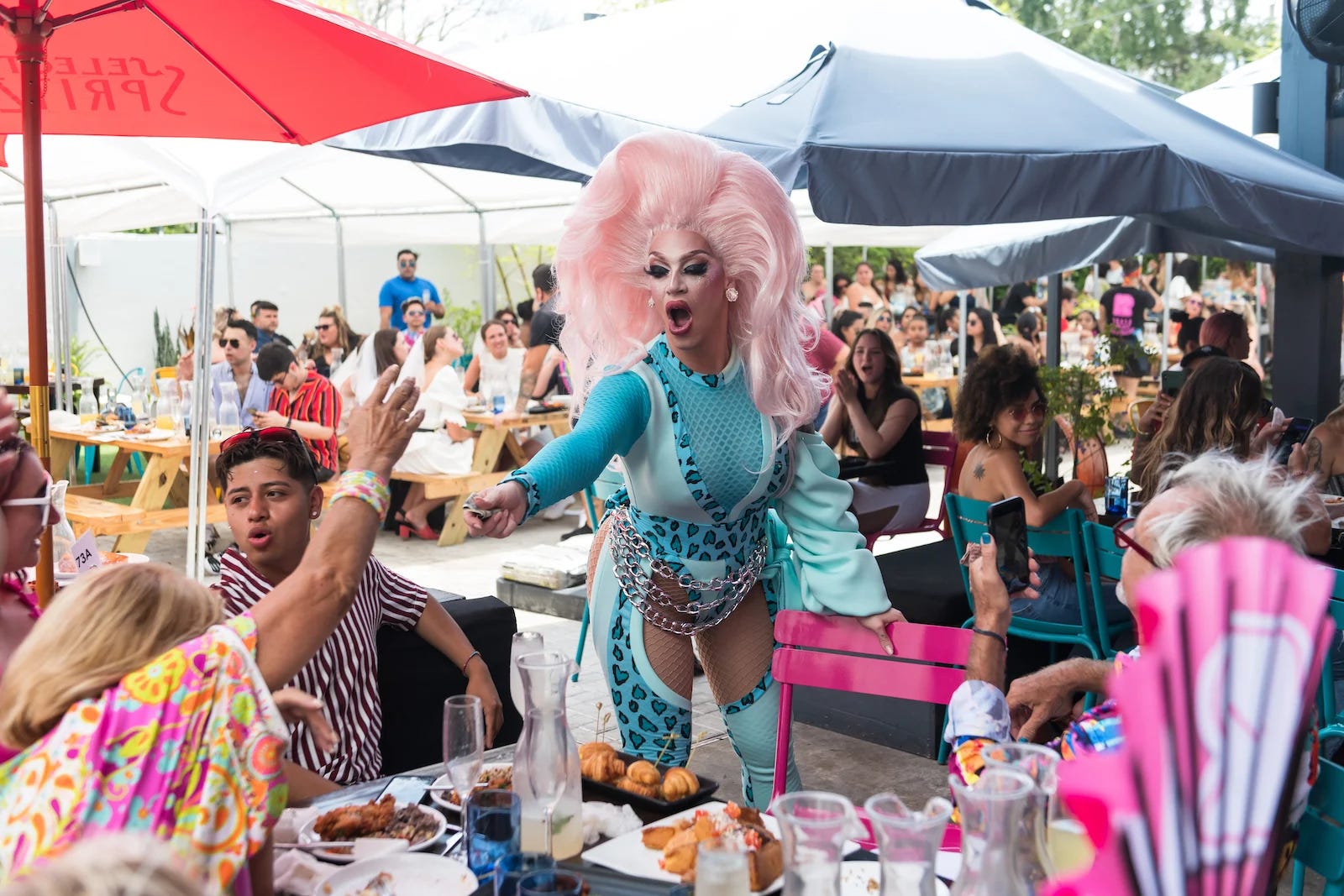
One of the reasons this idea of “queer food” feels so nebulous is because it is by definition a cultural cuisine- queer culture is very much a thing- but instead of geography, queer food is rooted in identity. Since LGBTQ folks come from every place, it can’t be characterized by any specific food or techniques that reflect regional climate and ingredients; spicy food in hot places, for instance, or the use of unique plants like yuca in the tropics, or olives in the Mediterranean/Middle East.
In thinking about what queer food means, I feel like we need to look at what queerness itself is. And it’s so much more than who we’re attracted to. Life as a queer person requires the ability to think outside the box, to create new ways of being in the world- ways that might challenge or openly defy societal expectations. It requires us to ask ourselves, who are we allowed to love? Are we required to get married and have children? and if that’s what we want, what does that look like? Do we need to hide what makes us different? and where are the other “different” people? Thinking creatively, bucking convention, and taking care of your people- your community- these are all deep, rich and meaningful ways to approach food.
I was really pleased that BA used Pride month as an opportunity to post something sort of radical like this. And then…….. I went to the comments section. As the kids say, it did not pass the vibe check.
“Food is gay now?”
“Man… I already knew Bon Appetit fell off, but y’all are truly hopeless now.”
“Can we just call food food, and people people?”
“Oh Jesus Christ, the delusional idealogues have destroyed the editorial integrity of Condé Nast.”
“I am very supportive of whatever people want to do with their sexual/private life, but gay food?? What the hell?”
“Every day I’m reminded how embarrassing the human race is becoming.”
I sometimes forget that there are huge swaths of America who were always going to react this way- knee-jerk annoyance and eye-rolling at “gay food” rather than curiosity about something they’ve never heard of. I think I just didn’t expect to find them in the BA audience, but now I realize that was naïve- I mean, even shitty MAGA people look up recipes on the internet. And couldn’t help but notice how many comments there were claiming that “food isn’t political”, which….. could not be further from the truth; politics affect food at virtually every link in the supply chain. The whole thing gave me a little pang of painful recollection that there are a lot of folks out there who, even today, just barely tolerate gay people.
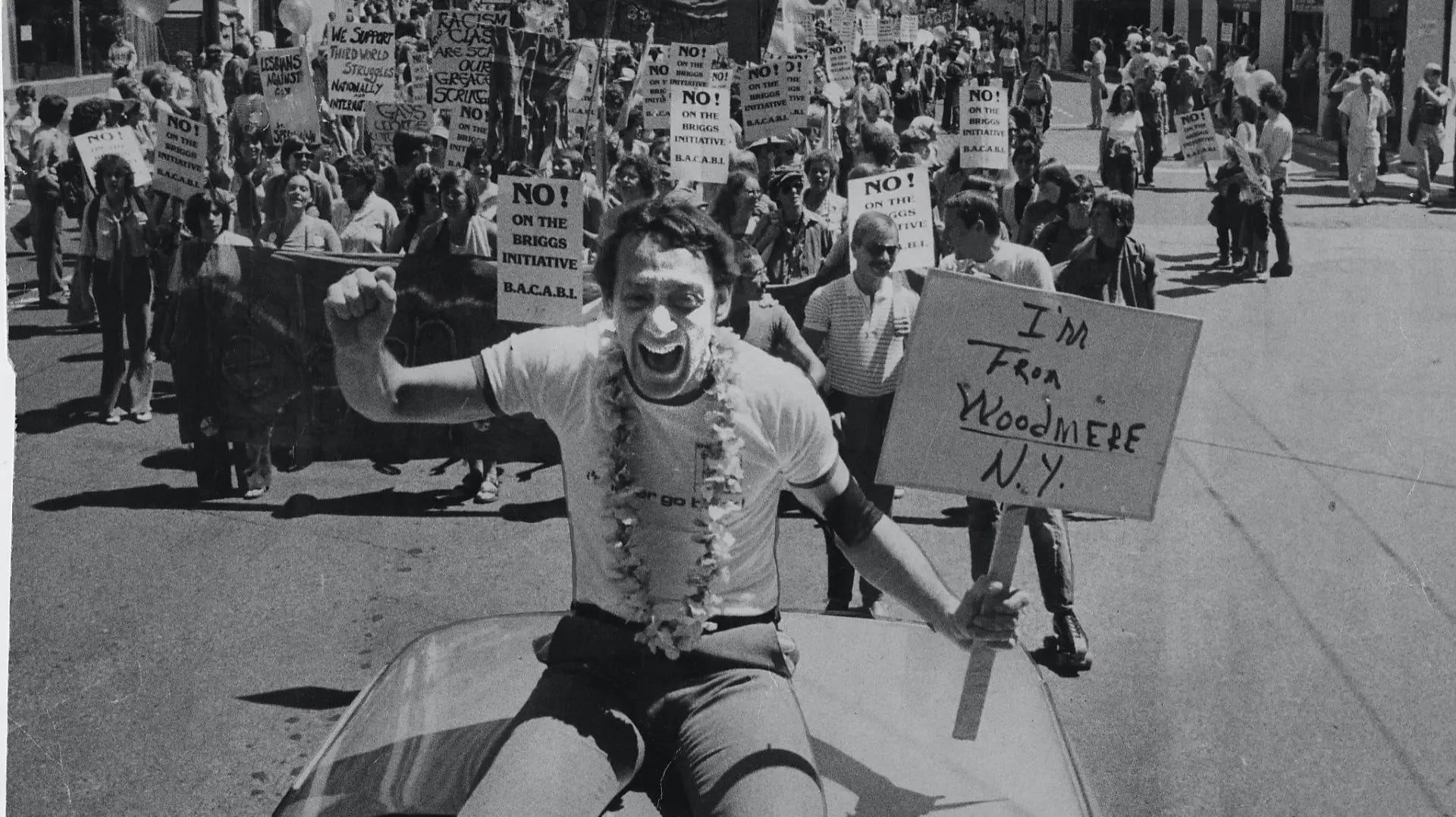
The social movements of civil rights, womens’ rights and LGBTQ rights (all preceded by the labor rights movement) have shown us that social progressivism always wins the court of public opinion in the end. Many things hard-fought for have been codified into law; we no longer have segregated schools or drinking fountains, same sex marriage is not only legal but normalized in many places, women can have their own credit cards.
But obviously, not all of America is on the same page. Some can’t wait to get back to a time before gay stuff was “shoved in their faces” (from the BA comments), others openly call for violence and even death against LGBTQ people, blaming us somehow for all their problems or just disgusted by our very existence. Even some younger queers have claimed that Pride, specifically the parades, is cringey and played out- and I kind of see where they’re coming from. The glitter, the pop music, the spectacle. Year after year, every company from Chase to Meta and even NASCAR (??) “pinkwash” themselves by adding some gay language to their tweets under a temporary and hastily-designed-by-an-intern rainbow logo. That IS cringey. Not to mention Pride parades ARE exhausting (either that or I’m just 37 and really like being home with my cat).
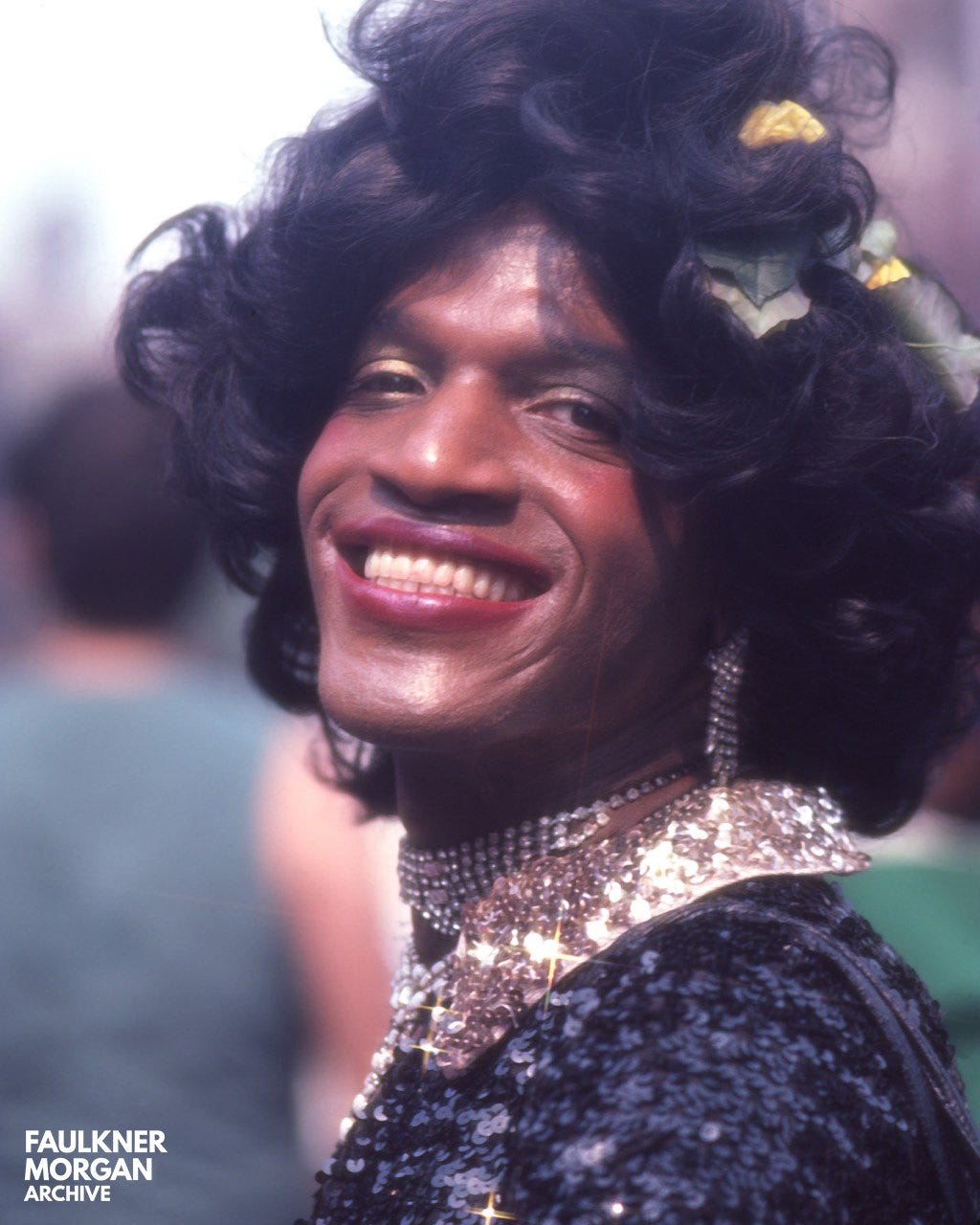
But the gays who think we don’t need Pride- much like the women who think we don’t need feminism- have very short memories, and may not fully understand their own history. It’s extremely apropos right at this moment to remember that Pride commemorates Stonewall, a violent riot that erupted when the NYPD raided the famous gay bar, a common police bullying tactic at the time. It wasn’t the first riot of that nature, but it’s the one that is considered to have “kicked off” the gay rights movement. Time after time we are reminded that anti-government protests and even riots are deeply integral to our nation’s history (Boston Tea Party, anyone?), and have always been one of the powerful engines driving our ongoing pursuit of freedom in America.
As I was writing this, a SCOTUS ruling came down upholding a ban on gender affirming care for minors, and literally the next day, the government moved to shut down the 988 suicide hotline specialized for LGBTQ youth. If you recall, the “T” from all the LGBTQ language has been removed from all government websites. It’s also worth noting that since the current administration issued its decree about abolishing DEI, both Meta and NASCAR- along with other huge corporations like Target- notably skipped their typical Pride antics this year. Cheesy and performative as they may be, these seemingly empty gestures do demonstrate a degree of cultural normalcy- general acceptance, even- that we are going to miss when it’s gone. And it’s already going.
So why do we need Pride anyway? Why do we need queer food? Because it wasn’t that long ago that we essentially weren’t allowed to exist. Forget the fact that in the culinary world, being openly queer- as well as a person of color, a woman, an immigrant- was a liability until very recently. We need out queers to be visible in all industries, spaces, and places. Above all, we need queer people to not go away, to not shut up. The caption to the BA post said, “queerness in food has never been so visible and so dangerous as it is now.” I take this idea of danger to have a two-fold meaning: although America is especially dangerous for LGBTQ people right now, choosing to be visible anyway poses an existential threat to the powers that be- when we refuse to go away, in open defiance of their mandates and wishes, it shows them they may not have as much power over us as they thought. After all, we’ve always existed, and we will continue to exist long after this administration is but a distant, faded bad memory :)
Our next supper club- Pride-centric, obviously- takes place on Tuesday, July 1st with our friends at Umbra. We have three queer guest chefs who are going to help us showcase a celebration of queer food, in all its iterations and meanings. Tix are available here- if you’re in NYC, join us!!
Happy Pride one and all, and during these times let’s not forget to take impeccable care of ourselves…. and each other <3 xx
No posts
Comments
Nothing yet. Say the first thing.
Sign in to join the conversation.