
For three decades, it was the ultimate seal of approval, the final word in a nutritional argument. If you were a confused shopper standing in a Coles or Woolworths aisle, the National Heart Foundation’s “Tick” was your moral compass.
Red. Circular. Authoritative. It told you that the product inside was “better for you”
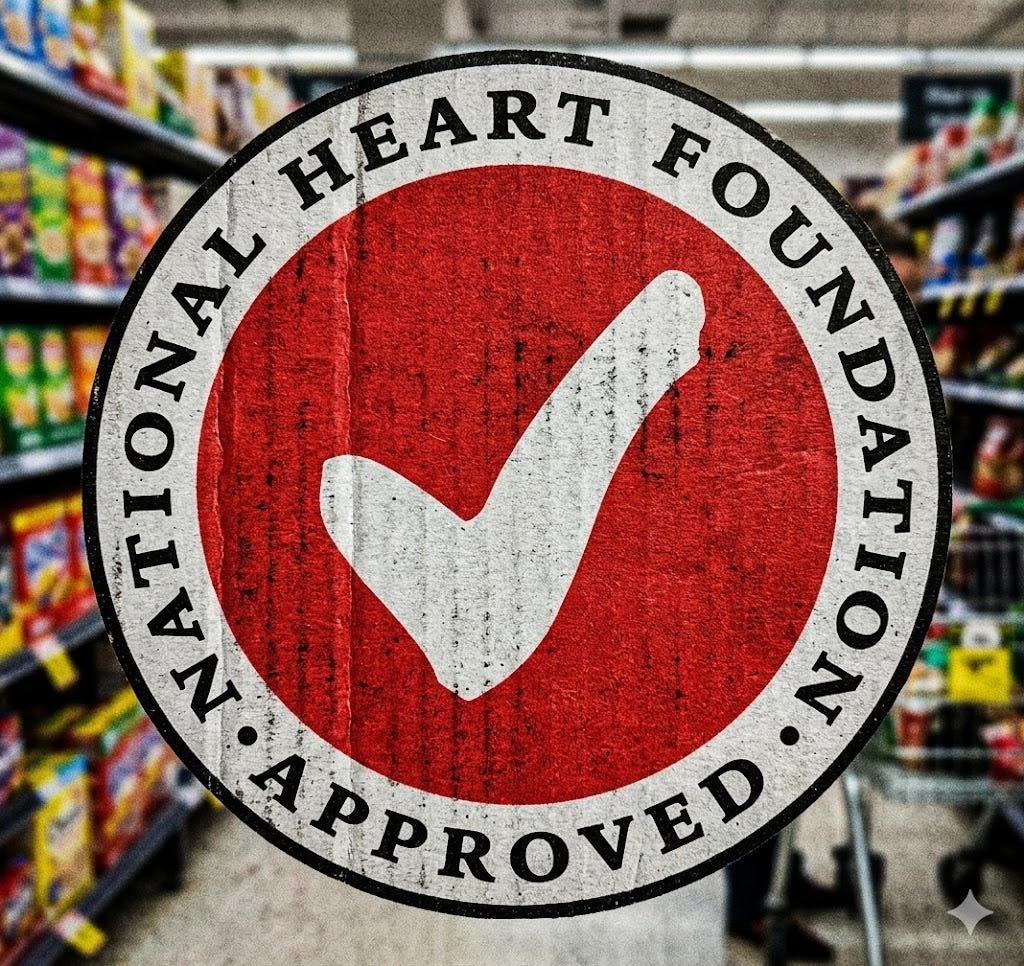
But looking back at what actually wore that badge, the reality is far more cynical. The Tick wasn’t a health standard, it was the most successful, most profitable, and most damaging gaslighting campaign in Australian history. We weren’t being guided toward longevity. Our biological future was being auctioned off to the highest bidder while our metabolic stability was treated as a bothersome secondary concern.
To understand why our national health has collapsed, you have to understand the mercenary business model of the Heart Foundation.
The Tick was never an objective award for nutritional excellence. It was a licensed trademark. Multi-billion-dollar food conglomerates paid thousands of dollars in annual fees for the privilege of slapping that red checkmark on their packaging. It was a “pay-to-play” scheme that effectively laundered the reputations of ultra-processed products through a trusted health brand.
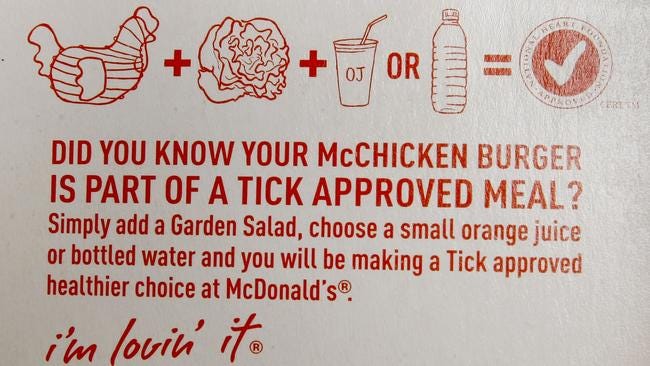
The absolute low point of this programme arrived in 2006, when the Heart Foundation struck a deal with McDonald’s. For a significant fee, the fast-food giant was permitted to brand Filet-O-Fish, Chicken McNuggets, and even burgers with the “Tick”. The justification was that these items met arbitrary limits on salt and fat. The message to every parent in Australia was clear. McDonald’s is now heart-healthy. In its peak years, this licensing generated millions for the Foundation. It created a terminal conflict of interest. Was their mission to save hearts, or to keep the revenue flowing from the very corporations driving the metabolic crisis?
The most egregious failure of the Tick was its role in the sugar-coating of the Australian diet.
We now know that sugar is the primary arsonist in the obesity and type-2 diabetes epidemic. Yet, for the duration of the Tick’s reign, sugar was effectively ignored. Because sugar wasn’t part of the Foundation’s assessment criteria for many categories, boxes of cereal that were 30% sugar carried the badge of health.
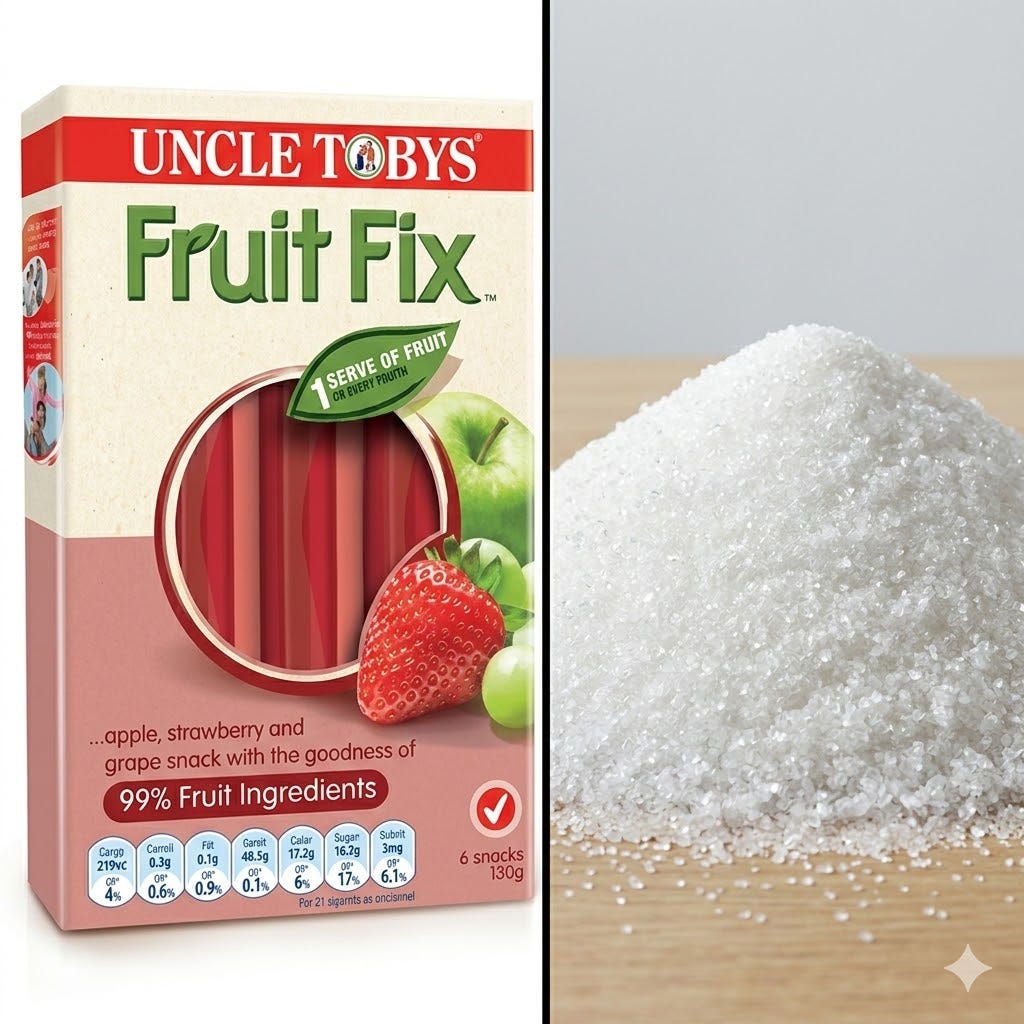
Even more absurd was the case of Uncle Tobys Fruit Fix. Despite being composed of a staggering 76% sugar, they proudly wore the Heart Foundation Tick. Because they were “low in fat” and “low in salt”, they were deemed a healthy choice for school lunchboxes.
By focusing on the wrong “villains”, fat and salt, while ignoring the metabolic poison right in front of them, the Heart Foundation gave a “health halo” to the products that were actively dismantling our children’s metabolisms. If you want to see the modern equivalent of this mess, read my 2026 Guide to Australian Breakfast Cereals where the sugar-loading continues under new branding.
In 2015, the Heart Foundation quietly retired the Tick, claiming it had “achieved its mission”.
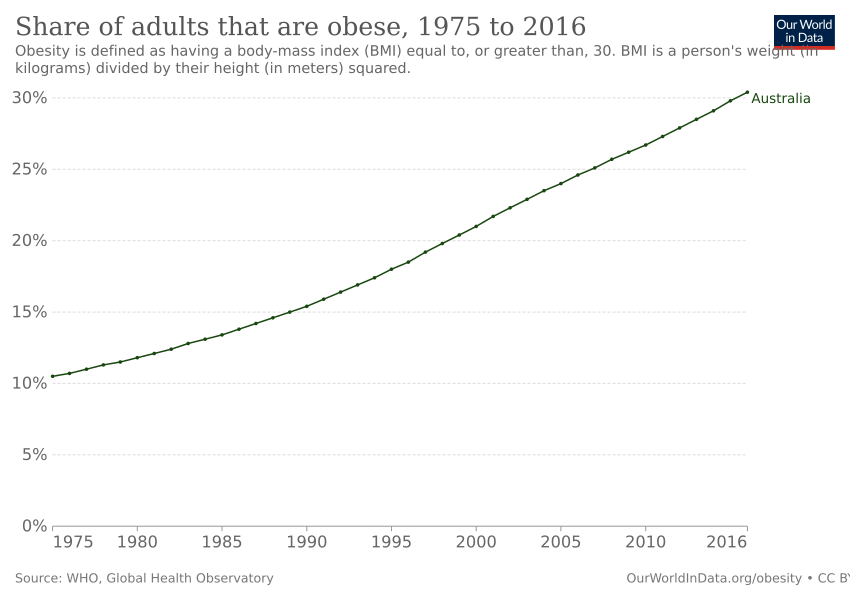
The data suggests a very different story. In 1989, when the Tick was launched, the Australian adult obesity rate was approximately 14%. By the time they buried the logo in 2015, that figure had tripled to over 30%. If the “mission” was to improve the health of the nation, the Tick was a categorical, measurable disaster.
The programme didn’t end because it was no longer needed, it ended because it had become a public punchline.
The rise of independent research meant the gatekeepers finally lost their monopoly on “truth”. Ordinary people began noticing the disconnect. Their doctors told them to eat “Tick-approved” sugar-soaked grains and seed oils, yet they felt worse, gaining weight, and became increasingly insulin-resistant. The collective intuition of the public finally outpaced the stagnant, captured guidelines of the 1980s. People could finally see the logic of the Bacon Paradox for themselves.
But the Tick’s retirement didn’t signal a change in heart. While the logo is in the ground, the Foundation’s ideological obsession with industrial seed oils is very much alive.
They told us that Omega-6 polyunsaturated fats would lower our cholesterol. They were right about the metric, but tragically wrong about the outcome. Lowering your cholesterol by consuming inflammatory, oxidised industrial seed oils is like trying to fix a car with failing brakes by disabling the warning light. The “alert” is gone, but the catastrophe is now a certainty.

This is the same deceptive logic I explored in The Great Sunscreen Deception. In both cases, the institutional solution offered is often more dangerous than the problem it claims to solve. The Tick helped usher in the era of the Seed Oil gauntlet, and even without the red checkmark, the Foundation is still running the same play today. They are still protecting the industrial status quo at the expense of your arteries.
The Tick is dead, but the mindset is immortal.
Today, it lives on in the “Health Star Rating” system, which continues to reward sugar and and seed oil soaked ‘food’ while penalising the nutrient-dense whole foods our bodies actually need. We are still being told to fear the wrong things by the same institutions that sold us out for licensing fees.

In my next few posts, I will be conducting a deep dive into the current “Health Star” winners and losers, exposing how the system still hides hidden sugars and industrial fats.
If you want to support the independent research required to dismantle these myths, consider becoming a paid subscriber.
What was the most absurd “unhealthy” product you remember seeing the Tick on? Let’s talk about it in the comments.
Comments
Nothing yet. Say the first thing.
Sign in to join the conversation.