
I want to tell you a story about a song.
But first — listen.
🎧 Sonny Clark’s “Cool Struttin”
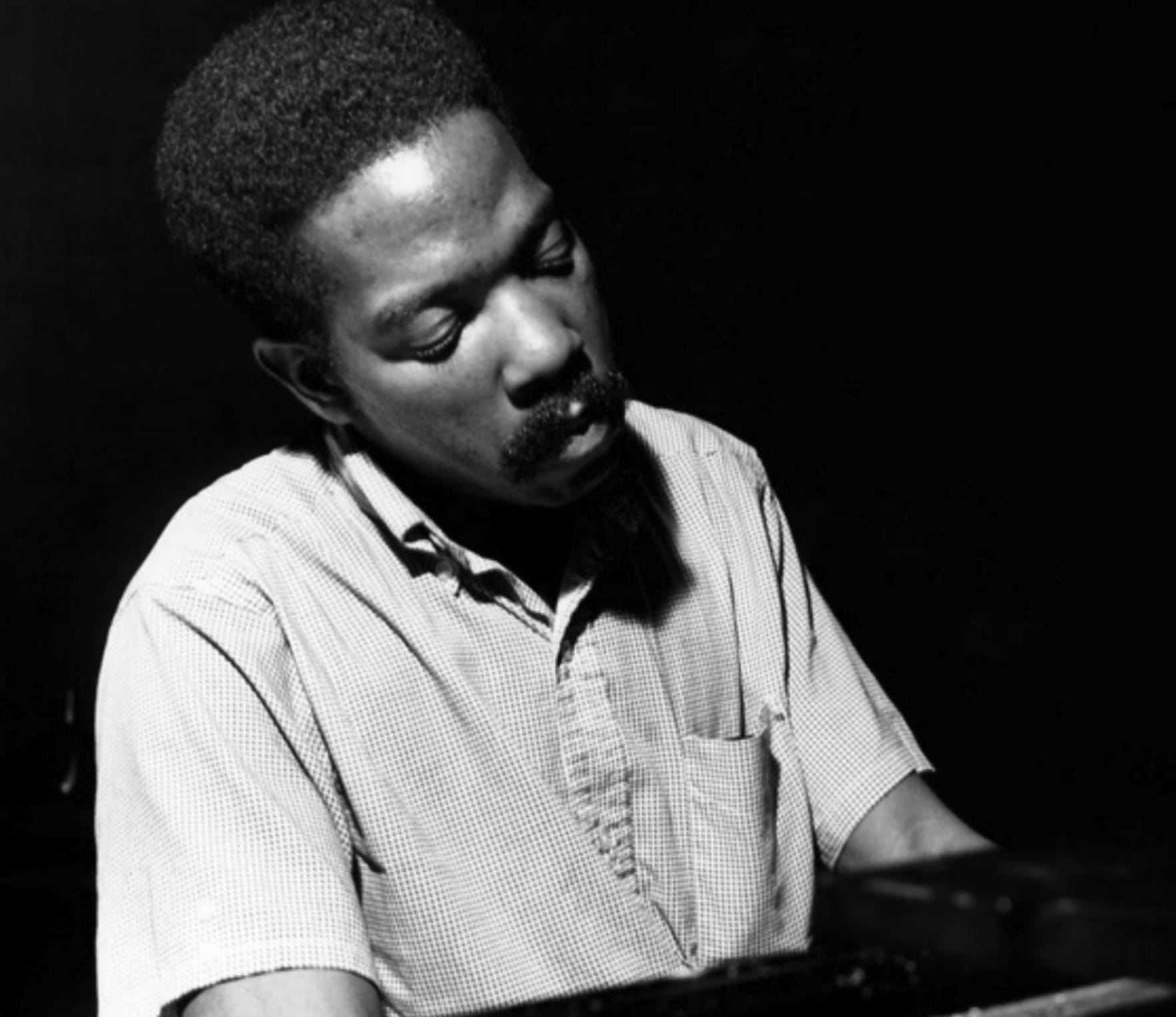
Some mornings, I need Sonny Clark.
Not to hype me up. I need him to remember something the practice keeps trying to show me…that presence can swing. That you can walk the path and still have some flavor to your step. That grace is a discipline so practiced it starts to look like ease.
That’s what I hear in Cool Struttin’. Sonny isn’t rushing. He isn’t trying to prove anything. He’s listening to what the music needs and answering it, trusting the form, staying inside it and that trust is what makes room for something real to come through.
Sonny Clark came up in Pittsburgh, playing professionally before most of us learn to drive. He moved through the hard bop world as a sideman to Coltrane, to Byrd, to Mobley and McLean, always giving the music what it needed, never more. He recorded Cool Struttin’ for Blue Note in January 1958, in a session so cold the studio pipes nearly froze. He died four years later in New York, at thirty-one, under circumstances that were disputed then and largely forgotten now. Some say the body they buried wasn’t even his. The city kept moving.
But every time we put the needle down, we know exactly where to find him.
What he left was not celebrity manufactured for wider consumption. Sonny left a body of work so sharp and clean it still cuts and a way of moving through sound that I can only call free. The kind that comes from somewhere deep enough that it doesn’t need to explain itself.
That kind of freedom has a long lineage. And it’s older than jazz.
There is a long history of Black people who refused to let suffering be the final word, not by denying it, but by turning it into something that could carry a community, hold a generation, point toward what was still possible. The spirituals knew this. The blues knew this. Hard bop knew this. And in the early twentieth century, a Burmese monk named Ledi Sayadaw was working the same ground from the other side of the world.
As British colonial rule destabilized Burmese Buddhist life, threatening to cut the monastic lineages through which deep practice had always moved. Ledi Sayadaw made a decision that looked simple and was actually radical. He brought the teachings down from the monasteries and handed them to laypeople. Cooks. Farmers. Shopkeepers. Mothers. People the institution had already decided weren’t eligible for liberation.
It wasn’t accommodation. It was refusal dressed as instruction.
He looked at empire and said: you cannot take what I’ve already given away.
That act is the ancestor of every practice space that welcomed people the broader culture tried to turn away. It’s the ancestor of the sit–walk–sit form, of the sangha, of every retreat that held BIPOC practitioners when the mainstream told them this path wasn’t meant for them. When I come back to the cushion, I’m not obeying form. I’m inside a long act of resistance.
Sonny Clark understood something like this without ever naming it. He walked into that recording studio on one of the coldest days New York had seen, sat down at a Steinway, and played like a man who had already settled his account with impermanence. The form held him, blues structure, hard bop rhythm, call and response and what came through wasn’t just music. It was testimony. The sound of someone who knew that no system could own what he was offering, because he had already let it go.
This is what the sit–walk–sit form is for.
From outside, it looks austere to some. Even rigid. But stay with it long enough and something starts to open, not because you’ve broken through anything, but because you’ve stopped fighting the structure and let it do what it was made to do.
First, there’s the returning: the mind coming back to the breath, tentative at first, like a pianist touching keys before a session, testing the room. Then there’s the staying: finding the groove and riding it rather than forcing it.
I know this because the form held me when I had nothing left to bring to it.
My brother died. We were 15 months and 15 days apart, exactly that, not approximately. The way only people who grew up that close to each other bother to count. For years we were so close people mistook us for twins. We were even college roommates for a while. We moved through early life the way brothers do when the age gap is narrow enough that you’re basically living the same life, the same year at the same time.
And then we weren’t close. Geography first. Then something harder than geography, we grew into different men, holding different values, living in ways that didn’t leave much room for the other. The way it happens. The way it happens and you tell yourself you’ll get back to it.
We did get back to it.
In the months before he died, many months, long enough to matter, we had found each other again. Talking more than we had in years. Real talk. Family and Music. He was somebody I could call at the drop of a hat about Sonny Clark. About the nuance of a chord change, the particular weight of a groove, the difference between jazz that instructs and jazz that testifies. He knew the difference. He always knew the difference.
I had been teaching for many years by the time he died. Long enough that I knew what the practice said about impermanence. I had offered those words to other people sitting in other rooms with their own unbearable things. I knew the theory of it. I knew the Pali. I knew the maps.
And then I was sitting before dawn, alone on the cushion, and all of that knowing sat in a pile beside me like clothes I couldn’t put on.
What the form asked of me in those mornings wasn’t understanding. It was simply to return. Come back to the breath. The body. Sensations. Sounds. Walk. Sit again.
And somewhere in that returning, I can’t tell you which morning, I can’t point to which breath…something shifted. The grief didn’t leave. It stopped being a wall and became something I could be inside of. Something I could witness without being swallowed.
What began to reveal itself, quietly, was something the Buddha named long ago.
Vitakka. Placing the mind.
The first note. Chosen. Set down on the breath the way Sonny hits a key and means it.
Vicāra. Staying.
Letting it ring. The mind staying long enough to feel the tone from the inside.
Piti. A lift. Energy rising.
The moment the groove catches and something in you wakes up with it.
Sukha. Deep contentment holding it all.
The body settling into a quiet ease. The music no longer searching.
Ekaggata. Everything gathered in one place.
Not you playing the groove, not the groove carrying you. Just movement. Just the groove.
It’s what remained when I stopped pulling away. The morning arose and passed, indifferent to my grief, sacred and beautiful anyway.
And then I think of Sonny Clark.
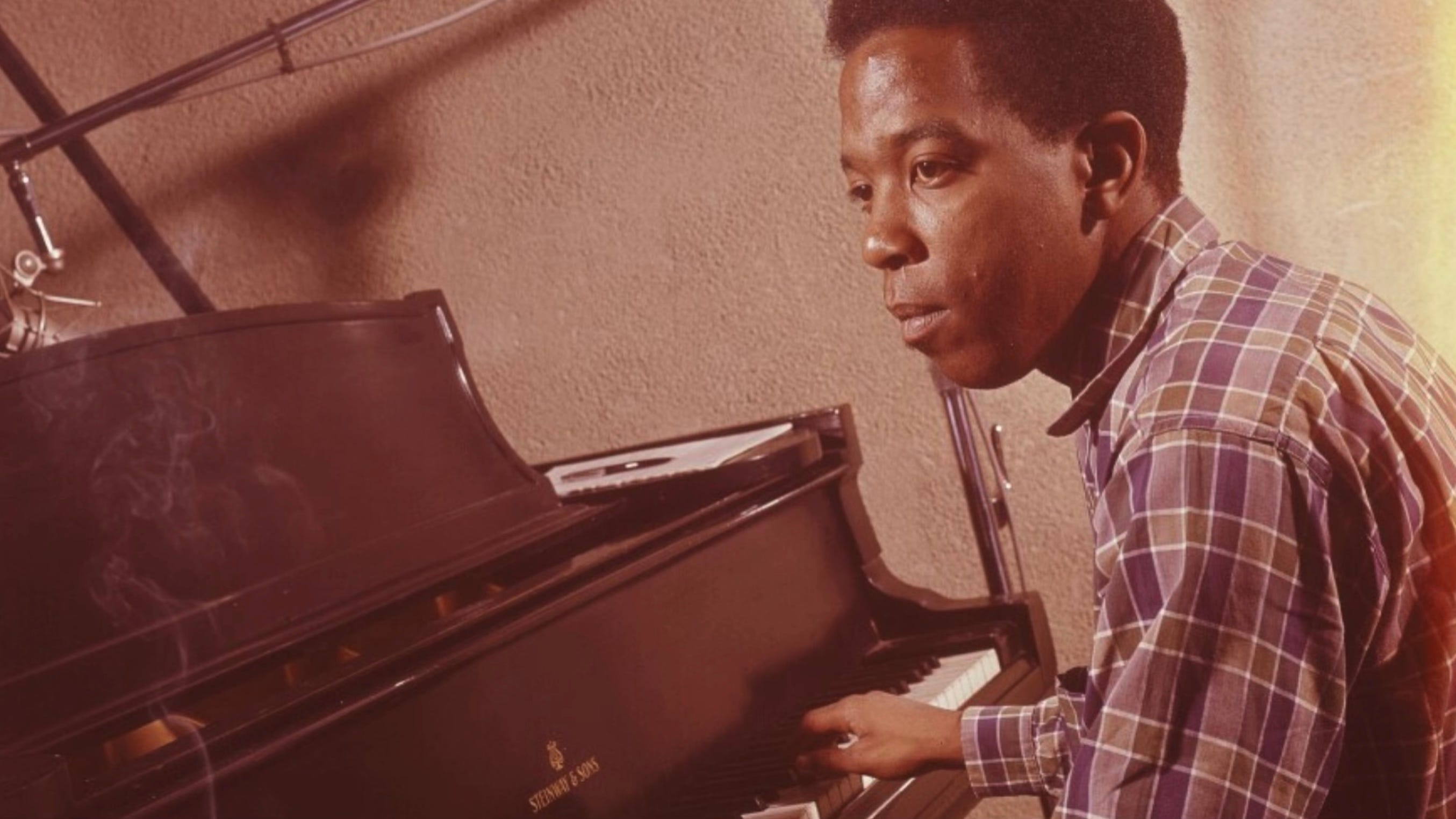
Walking into that frozen Blue Note studio in January 1958. I don’t know what he carried into that room. But I know what it sounds like when a man plays through something rather than around it. I know the sound of someone who has decided to let the form hold what he cannot.
My brother would have known it too.
Cool Struttin’ isn’t just Sonny on the keys.
It’s Philly Joe Jones on drums, every bruised knuckle, likely every session in a club that paid barely enough. It’s Paul Chambers on bass, holding the bottom the way a man holds something he knows is worth keeping. It’s bebop and blues and a lineage of Black genius moving through centuries of grief and refusal and still, somehow, swinging.
The music is full of all that. History, heat, breath.
And at the same time, it’s empty. Not silent…empty. There’s no one thing you can point to and say: this is where the music lives. It’s the interplay. It’s four men in a room listening to each other so carefully that the listening becomes its own thing, with its own weight. The notes arise and fade. The groove holds and releases. Nothing sticks. Nothing needs to.
This is what the Dhamma has always been pointing at, not a position about emptiness, but something you can feel in your body on a good day of practice: that this mind, this moment, none of it is fixed. None of it belongs to anyone. It’s always been passing through.
The listener and the listening, for a moment, the same thing. Because you stopped insisting on the difference.
I think about Sonny Clark, dead at thirty-one, buried in a city that couldn’t be bothered to keep track of him. I think about what it means that we still know his name. That we still put the needle down. That the record he made on a frozen January morning is still teaching people how to be present, how to let the form hold them, how to offer something without keeping it.
Black liberation theology has always known that the ancestors don’t stay buried. What they made with such care keeps doing its work long after the people who made it are gone. The spirituals kept the community alive through the Middle Passage and beyond. And Cool Struttin’ more than sixty years later, is still showing anyone willing to listen that presence can swing. That you can move through this world with seriousness and still have some strut to your step.
That ain’t nostalgia. That’s transmission
Put the record on. Close your eyes. Give it a minute.
You’ll find him. Right there in the groove, still listening, still answering. Playing like a man who had nothing to prove and everything to offer.
Still listening, in rhythm, refuge, and freedom
Devin
devinberry.org | Heartstream Sangha IG: @blkb3rry
Devin Berry is a storyteller and dharma teacher whose work explores memory, lineage, and the liberating possibilities of attention.

Comments
Nothing yet. Say the first thing.
Sign in to join the conversation.