

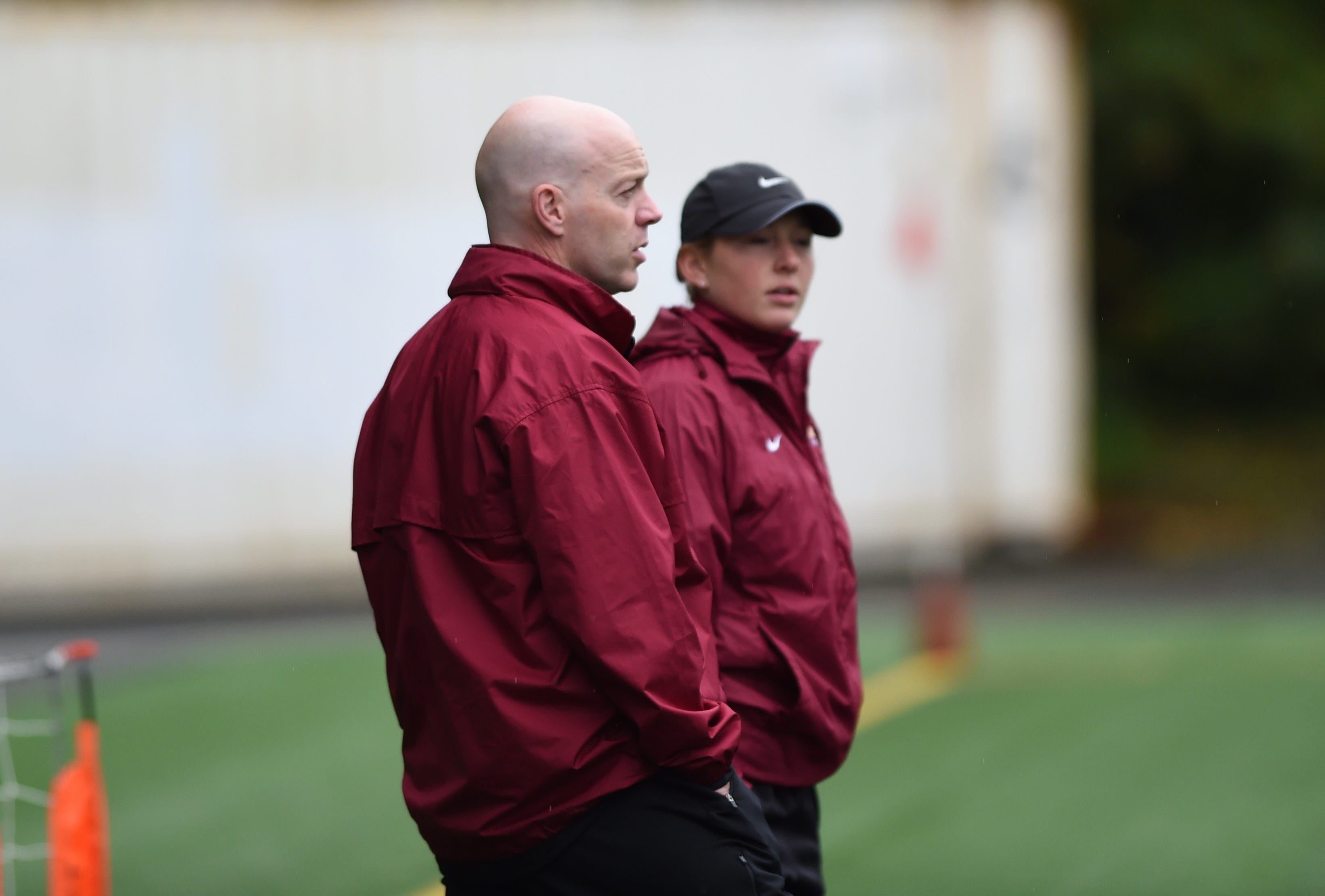
Coach (hands on hips, watching players walk off):
Man, I’m frustrated about Javi. He had so many good moments last game, then that missed 1-v-1 with the GK — boom. Body language dropped. He got angry with teammates. Started pointing fingers. Finding problems instead of solutions. For the rest of the half, he was a net negative for the group. Same thing happened a couple weeks ago.
Mental Performance Coach (nods):
Yeah — super common. And it’s not the miss that tanked his game. It’s what he told himself about the miss. That internal story flipped his emotions, and once that shifted, his decisions and behavior followed. That’s why it’s good we’re talking now — so we have a clear approach for him this week. Players often think events control how they feel. They don’t. Thinking does. And thinking is trainable. Reactions are choices.
Coach:
That’s the hard part for me. I’m watching it unfold thinking, just move on. But instead it spirals — frustration, disengagement, blaming.
Mental Performance Coach:
Right — because in that moment, the miss isn’t just a miss. To him, it’s a threat: I shouldn’t miss that. I let the team down. That meaning creates anger. Anger kills awareness. And once awareness drops, everything slows — communication, effort, decision-making. It looks like the miss caused it, but it didn’t. His interpretation did.
Coach:
So the fix isn’t “stop missing.” It’s changing what happens after.
Mental Performance Coach:
Exactly. We help him separate outcome from identity. One moment doesn’t define him — it’s information. The goal is to get him thinking, That’s gone. What’s my next action? When he does that, his body language changes immediately. Teammates feel it. And instead of drifting out of the game, he stays connected because his focus is back on the next play.
Coach:
I felt that shift. After the miss, his touches got heavy. He pulled out of duels. The energy dropped.
Mental Performance Coach:
Because emotional state drives readiness. Players who perform consistently don’t let moments choose their emotional fuel for them — they choose it. Calm, aggressive, composed — whatever best serves the next play.
Coach:
So how do we train that? Not talk about it — actually train it.
Mental Performance Coach (smiles):
Three simple ways, right in practice:
Catch the trigger: After a mistake, ask, What went through your head right there?
Rehearse the reset: Misses in training aren’t accidents — they’re reps. Pair them with short reset language: Next action. Stay aggressive.
Anchor it physically: One breath. Eyes up. Shoulders back. Same sequence every time.
Do that enough, and the reset becomes automatic.
Coach (nods):
I like it. Build it in now so it shows up on game day.
Mental Performance Coach:
Exactly. When mistakes stop hijacking halves, confidence stabilizes because the player is locked into the next game moment. And when confidence stabilizes, the player becomes an asset again — playing in the moment, executing his positional role, making the simple play when it’s on, and staying connected to the group — even when things don’t go his way.
No posts
Comments
Nothing yet. Say the first thing.
Sign in to join the conversation.