
It’s about that time of year where we begin to see bookish and cultural content on the idea of a spooky summer - or, as Gravity Falls dubbed it over a decade ago, “Summerween.”
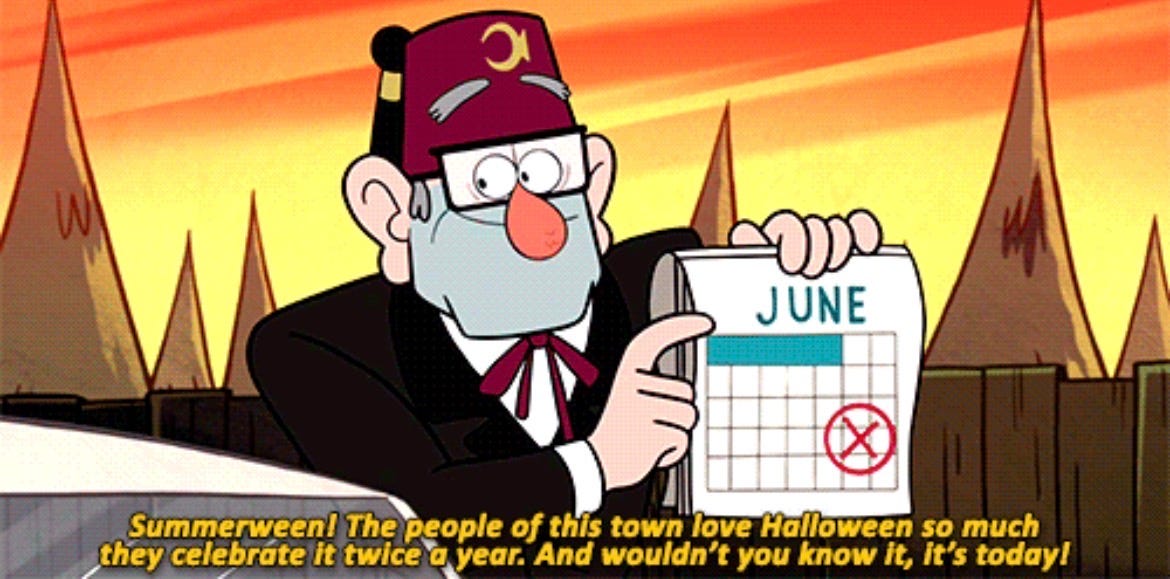
A lot of film, TV, and literature deals with summertime as something a bit nefarious. It’s not always ice cream and long days at the beach. Sometimes it’s sticky humidity, claustrophobia, ghosts, hauntings, overgrown forests and gardens, and mischievous fairies.
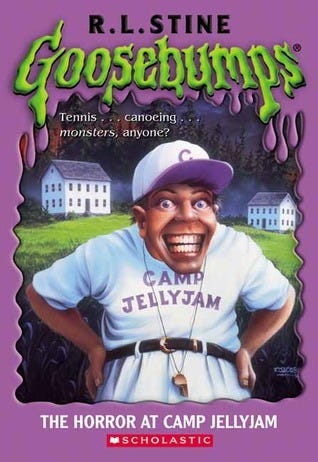
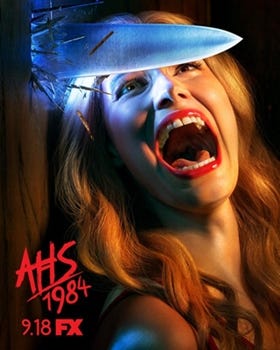
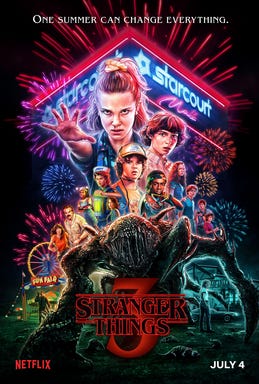
Although this might seem fairly modern, it’s a very long literary tradition, rooted in folklore. It really starts to solidify in English Literature with Shakespeare’s A Midsummer Night’s Dream, which popularizes the idea of long summer days as a time of enchanted forests and supernatural interference.
This tradition is with us today - have you ever wondered why so many fairytales and children’s fantasy novels begin with a few unassuming kids who wander into the wood on a summer’s day? It’s all rooted in folklore and literature.
Here’s a “Summerween” Reading List, with both fiction and nonfiction suggestions to help you get into the spooky and supernatural summer headspace.
The Hobbit, J.R.R. Tolkien
Sir Orfeo, J.R.R. Tolkien
Midsummer Nights, Lara Stokes
Picnic at Hanging Rock, Joan Lindsay
Joyland, Stephen King
Rebecca, Daphne du Maurier
The Turn of the Screw, Henry James
We Have Always Lived in the Castle, Shirley Jackson
Mexican Gothic, Silvia Moreno-Garcia
The Little Friend, Donna Tartt
The Fairies in Tradition and Literature, Katharine Mary Briggs
The Seasons: A Celebration of the English Year, Nick Groom
Soul of the Age: The Life, Mind and World of William Shakespeare, Jonathan Bate
The Golden Age of Folk and Fairy Tales: From the Brothers Grimm to Andrew Lang, edited by Jack Zipes
Darkly: Black History and America’s Gothic Soul, Leila Taylor
Fairy Tales, Natural History and Victorian Culture, Laurence Talairach-Vielmas
Summer-as-spooky also emerges in a lot of fascinating, beautiful, and haunting artwork. This work ranges from Victorian fairy paintings and illustrations to large oil landscapes depicting scenes from Shakespeare’s A Midsummer Night’s Dream. Here’s a few galleries to check out which accompany a dive into the literary history of “Summerween.”
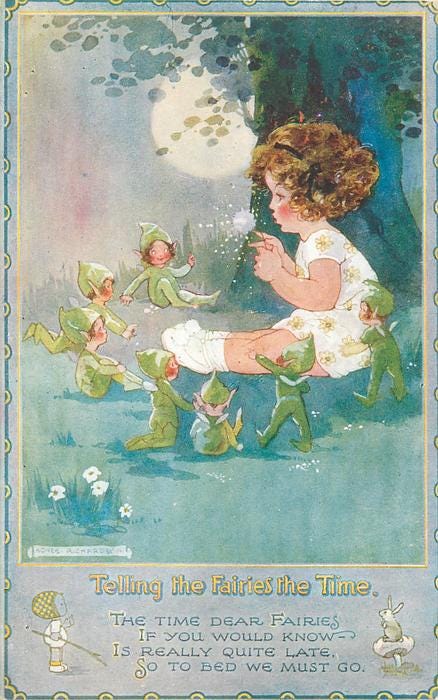
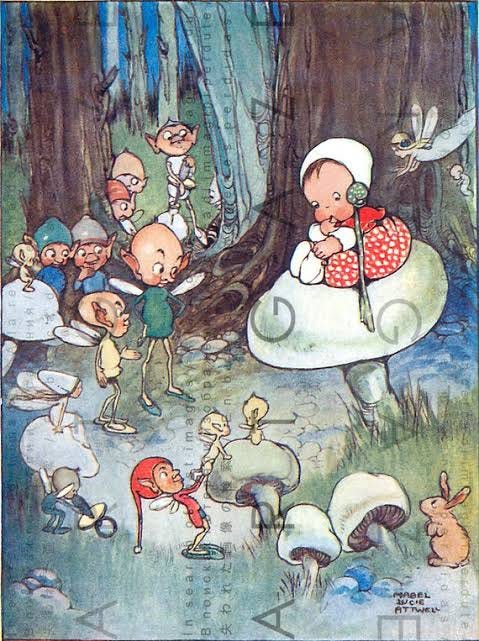
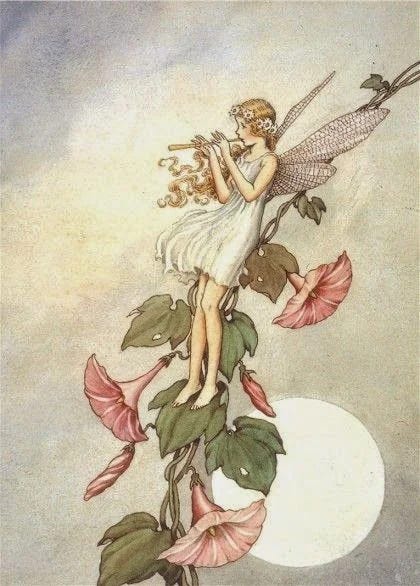
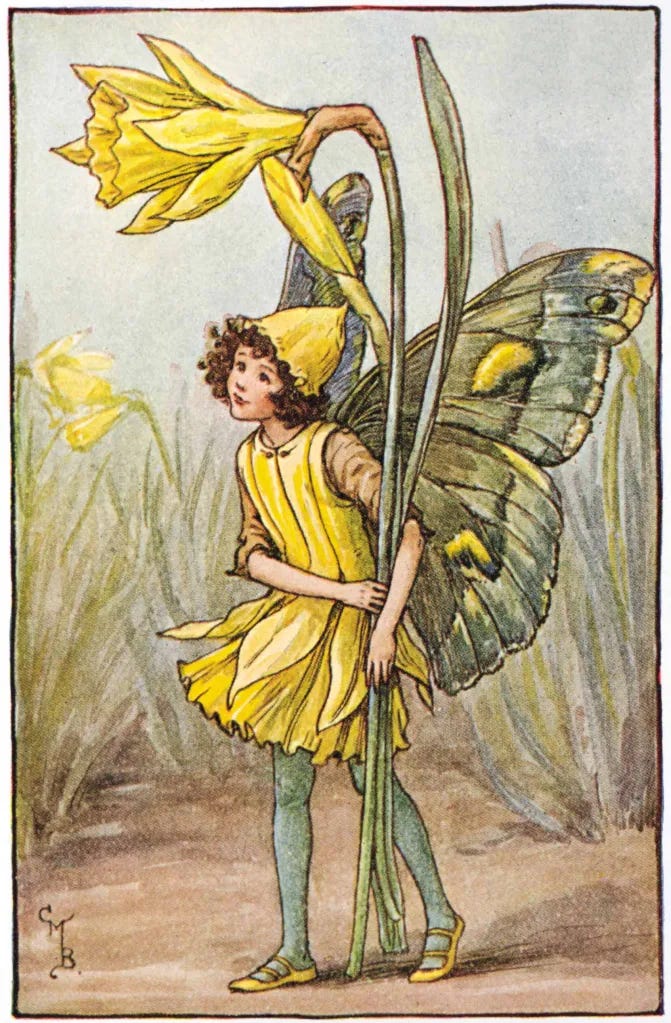
Some Victorian illustrators contributed to the idea of fairies as being connected to the natural world. This often appeared in lighter, cute artworks aimed at children, for whom the fairytale was becoming popular. Here’s a few examples of this Victorian illustrative style:
In the nineteenth century, there was a resurgence in interest surrounding Shakespeare’s play A Midsummer Night’s Dream, partially augmented by the Victorian interest in fairies. Here’s a few paintings from this time which depict various scenes from the play.
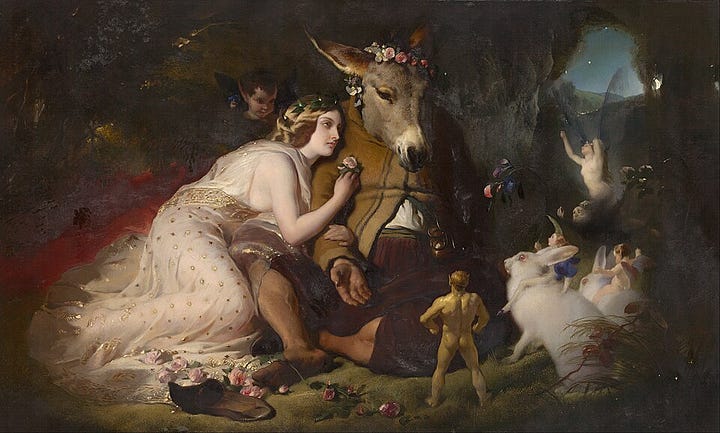
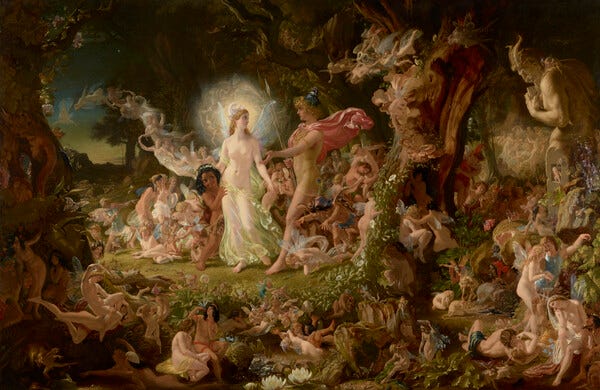
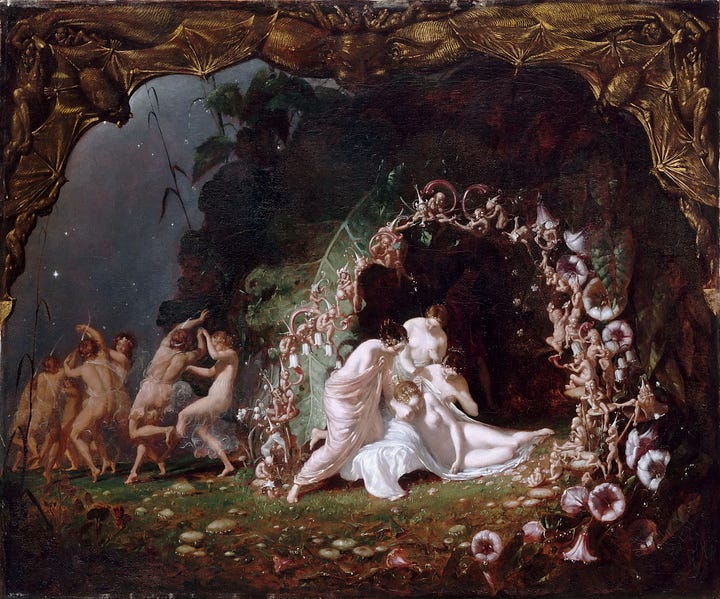
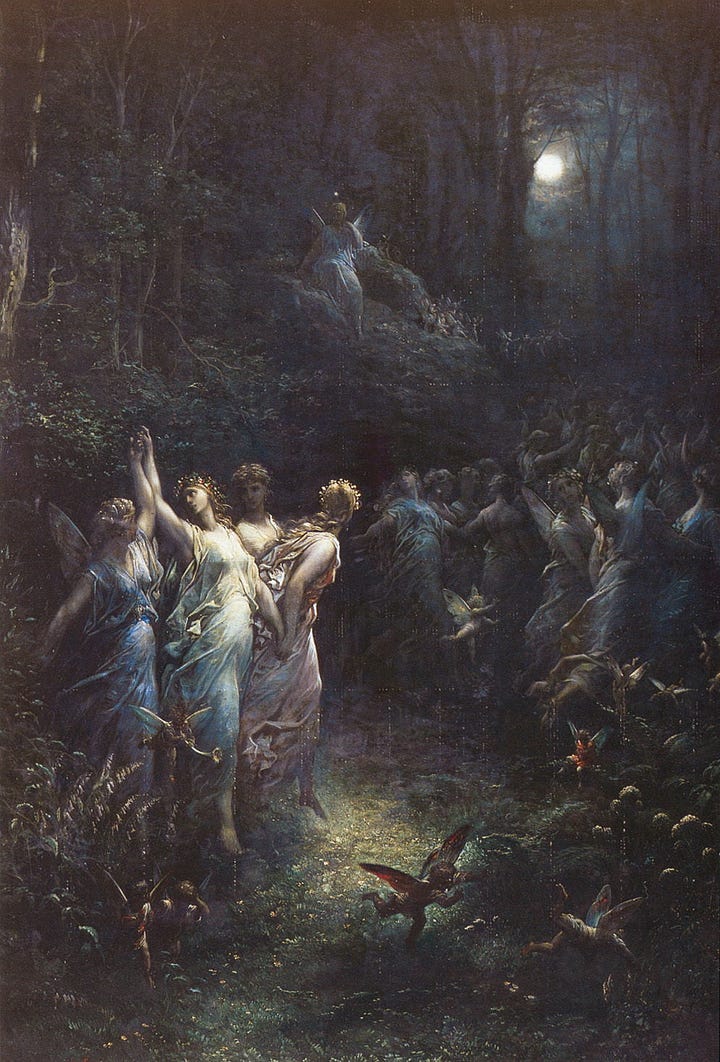
Summer can mean many different things, and the literary history surrounding this time of year is equally variant and diverse. In some traditions, it’s a spooky time where the veil between the human world and the supernatural one collapses; in others, it’s a time of whimsy and light, similar to those cute-ified Victorian fairy illustrations.
What is midsummer to you, and how do you celebrate?
No posts
Comments
Nothing yet. Say the first thing.
Sign in to join the conversation.