

In Part 1 we dived into where our morality or ‘moral compass’ comes from, how our beliefs are intimately connected to our morality, how our physiology impacts our beliefs and morality, how our tribal nature and our morality are intertwined, what ‘other-isation’ means, and how to foster it, including how to make people less moral and how the media influences our morality.
Please read Part 1 via the link below if you haven’t yet:
Becoming Less Moral? Pt 1 of 2
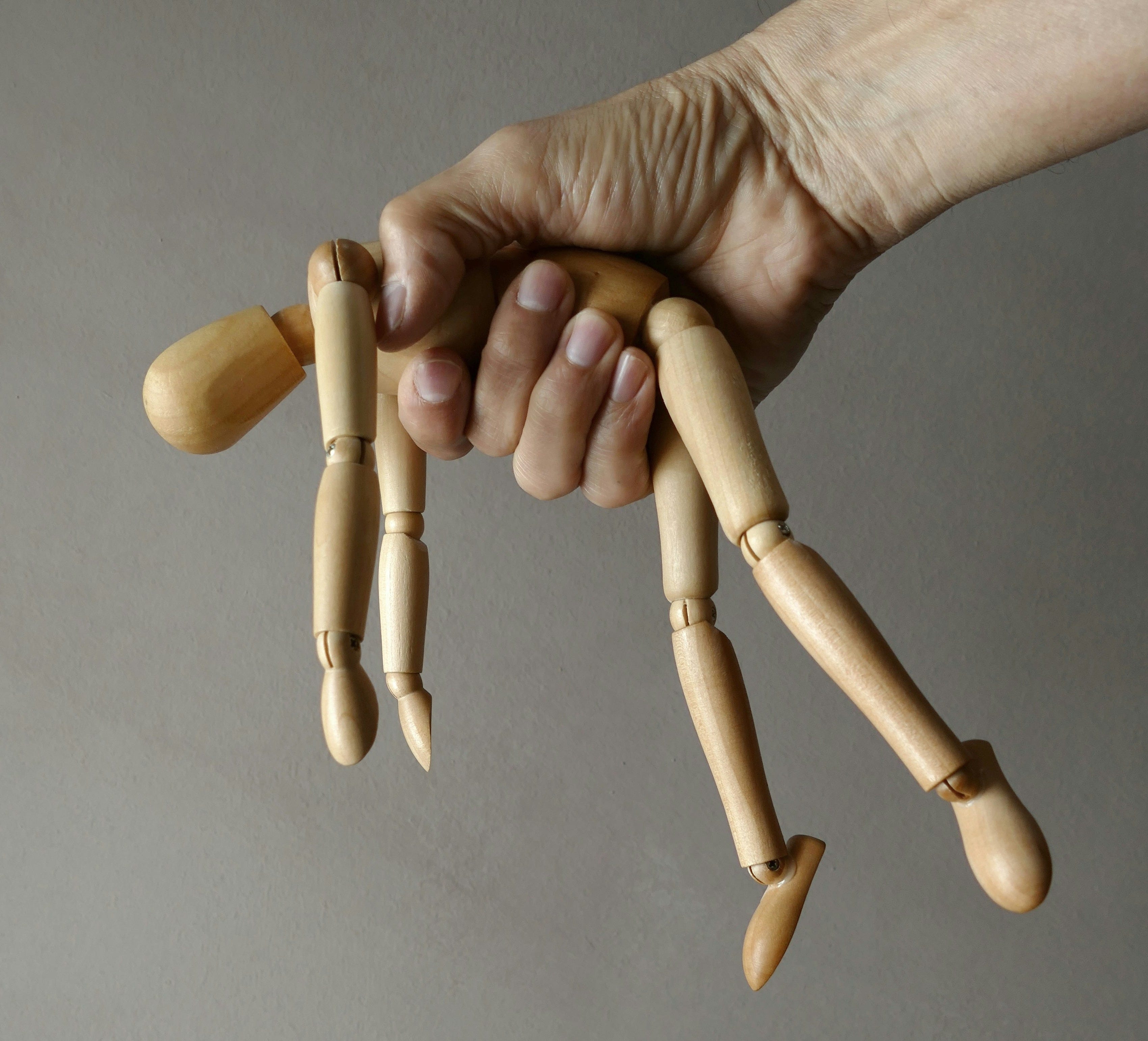
In light of Charlie Kirk’s murder, this question has been haunting me.
We make moral judgements in various ways suggests Turner.
Firstly, we can do so quickly, using our emotions, which travel significantly faster than thought.
In other words, we use our ‘threat-and-act-fast,’ survival response - which ensured our genes arrived here.
Or, we can think about our response, slowly, and use ‘self-interested reasoning and the moral principles provided by our culture.’ (Turner, Pg. 41)
So, people who harm others must justify their behaviour to others in their ‘in-group’ otherwise they risk being punished by those who don’t find their justifications compelling enough.
As Turner states succinctly:
‘ … talking about cruelty with people who react favourably can legitimise the idea of cruel action especially if we like those people and respect them.’ (Pg. 154)
Turner goes on to state:
‘Much of our puzzlement about our moral lapses comes from tensions between basic and constructed morality.
In the universe of basic morality, for example, some cruelty is acceptable – when it is directed at threatening outsiders. Moral protection covers the ‘in-group.’ It may be extended in part and provisionally to those ‘out-groups’ with which the ‘in-group’ trades or intermarries, but it does not apply to enemies (and a trading partner can quickly become an enemy).
Cruelty can benefit the ‘in-group’ not least by terrorising or even eliminating the competition.
Within a group, moral codes can also vary. The constructed moral systems of specialised warriors, for instance, have much more in common with basic morality than those of the civilians they protect. Many terrorists morals (yes, they do have them) also look like basic moralising, however dressed up in haughty ideology.’ (Pg. 39)
In other words, groups can vary in how they use their morality, depending on the circumstances they find themselves in, and groups intent on eliminating other groups, can use their ’ideology’ as a cover for simply using their ‘in-group’ morality against the ‘out-group.’
This leaves me more concerned about the responses we’re seeing to violent crime, because the people committing these crimes and those celebrating them, can do so because they feel supported by their ‘in-group.’
They’re not concerned they’ll lose their ‘in-group’ status.
In fact, they’re signalling what their group values: cruelty and lack of empathy.
In addition, it is easier for us to be less caring at a distance.
As Turner explains:
‘ … People trained to believe in democracy should find the murder of a victim equally disturbing, whether it is done in front of them or not, but in practice we are face-to-face creatures and direct observation makes a massive difference …
… For third parties, victims at a distance – especially when imagined in large highly homogenous groups – are far less real than individually weeping human beings. Like numbers, they are represented as abstract entities … for perpetrators, victims at a distance are easier to ‘other-ise’ and treating them carelessly causes less discomfort … ’ (Pg. 174)
Unfortunately, ‘When people find themselves in conflict, their sense of similarity necessarily diminishes. Differences between them formally ignored become more noticeable … laying the ground work for mutual loathing to escalate.’ (Turner, Pg. 177)
Mutual loathing that can escalate and lead to cruelty and violence.
And humans have more ways to be cruel compared to other species.
Again, Turner offers insights seldom discussed:
‘ … Group living also placed an evolutionary premium on individuals who were better at predicting their social and physical environments, including the behaviour of others. In humans, the development of symbolic thinking allowed the capacity for prediction to reach far beyond the prowess of other species … ’ (Pg. 175)
This meant that ideas became important in themselves, and unfortunately what accompanied this was an increase in the number of ways in which human beings could be made to suffer.
Why?
By expanding the range of entities we value, because we are not just physical beings - we are also beings that have strong beliefs, dreams and ideals - things like books and flags also elicit strong emotions.
We feel we have a lot more to lose when these ideas are challenged - significantly more to lose vs. the species that didn’t develop these abstract ideas about what it means to live in their world.
We are therefore much more exposed in relation to other species because abstract ideas can leave us feeling threatened.
In addition, other species have ‘far fewer reasons to be cruel, while we have more imagination with which to dream up sophisticated tortures … ’ (Turner, Pg. 175)
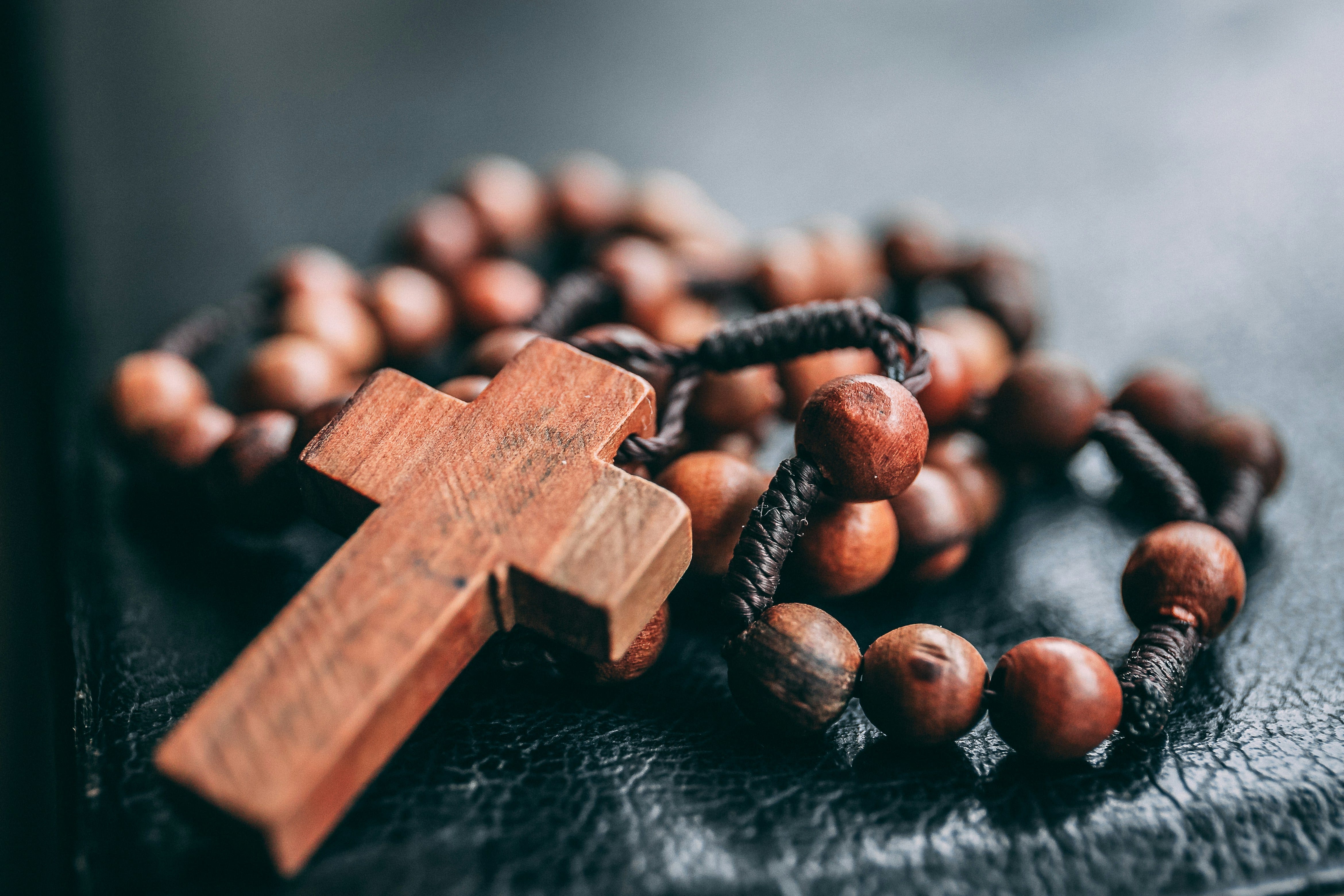
There has been much discussions around the role that religion plays in our morality, with proponents stating it provides a framework, and even a foundation for ethics and thus morality, while others propose morality can exist independently of religious belief.
Religious and spiritual beliefs have shaped many ethical and moral frameworks across diverse cultures and civilisations throughout history. For example, in Ancient Egypt the concept of the god Ma’at guided moral behaviour, while Confucian ethics have influenced East Asian societies, and the Buddhist Eightfold Path has guided ancient Indians into the Modern World.
Religious scholars posit that divine command, for example, via the Ten Commandments in Abrahamic religions, teach moral obligations, while the Catholic Church’s Magisterium provides authoritative interpretations and the Jewish Talmudic commentary explains Torah ethics.
Furthermore, ‘The Golden Rule,’ is shared among many religious groups, most famously by Jesus saying ‘Do unto others as you would have them do unto you.’ (Matthew 7:12).
However, we also know that interpretations of religious texts evolve, as moral norms shift, for example, as evidenced by how Christians feel about slavery today.
So, religion doesn’t offer an unchanging perspective on ethics - on what is moral and what isn’t.
Reform movements in a variety of religions reinterpret ethical and moral teachings, in the same way that there are divergent views on specific issues, like dietary laws, IVF and same-sex marriage.
Similarly, scriptures can be interpreted to address contemporary issues such as environmentalism, bioethics, AI and genetic engineering.
Arguments that SUPPORT religion as a necessary moral foundation include:
A divine authority provides an absolute and unchanging moral standard which ensures ethical consistency across time and cultures.
A religious belief offers motivation and accountability for ethical behaviour.
A religious community provides moral guidance and support, with consistent reinforcement of shared ethical and moral values.
A transcendent or all-powerful source of morality addresses existential questions and offers meaning and purpose to moral behaviour and comfort during suffering.
Religious narratives and parables teach moral lessons effectively.
Religious-based ethics emphasise character development and virtues, which support social cohesion via compassion and humility.
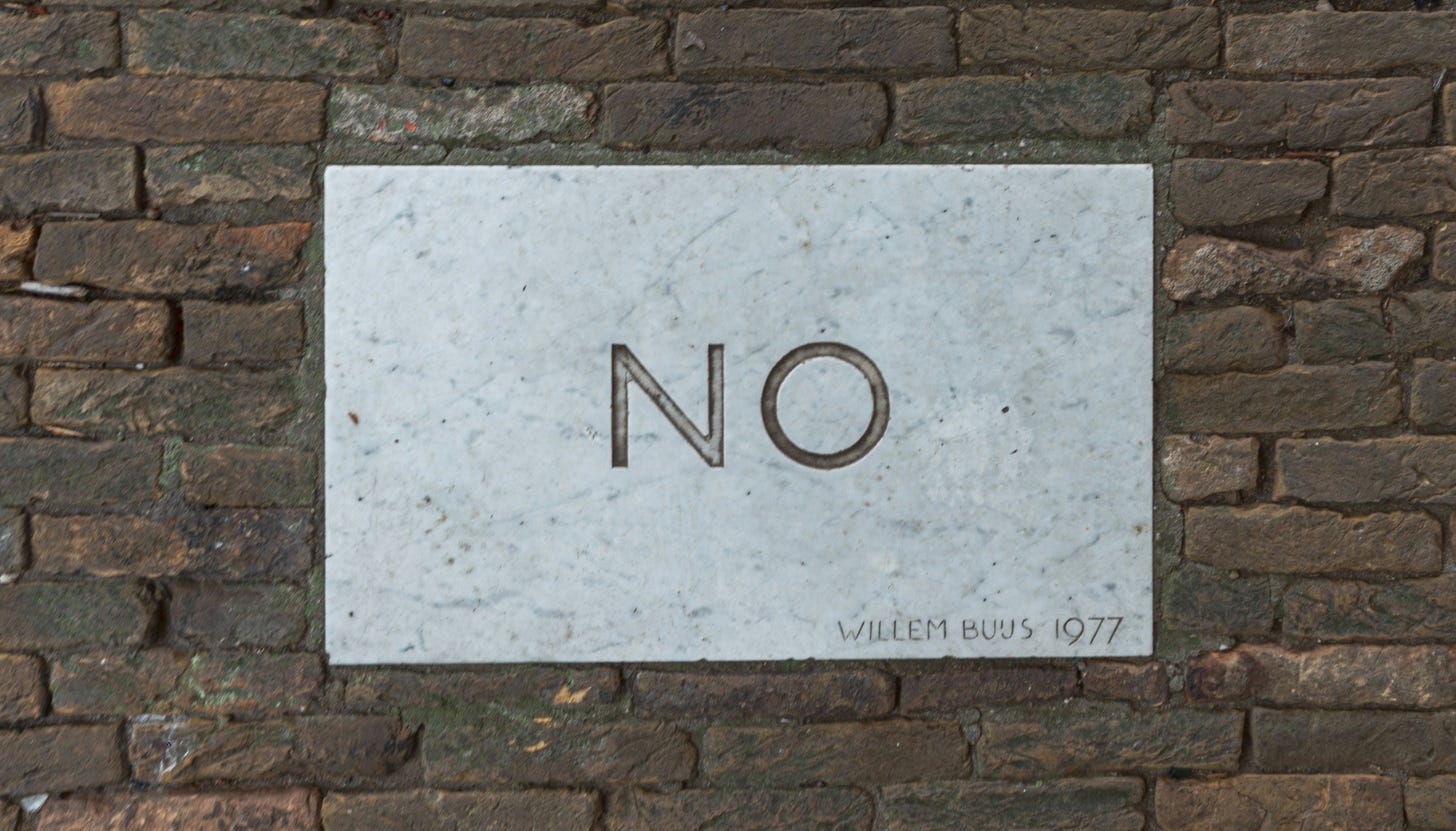
Photo by Florian Schmetz on Unsplash
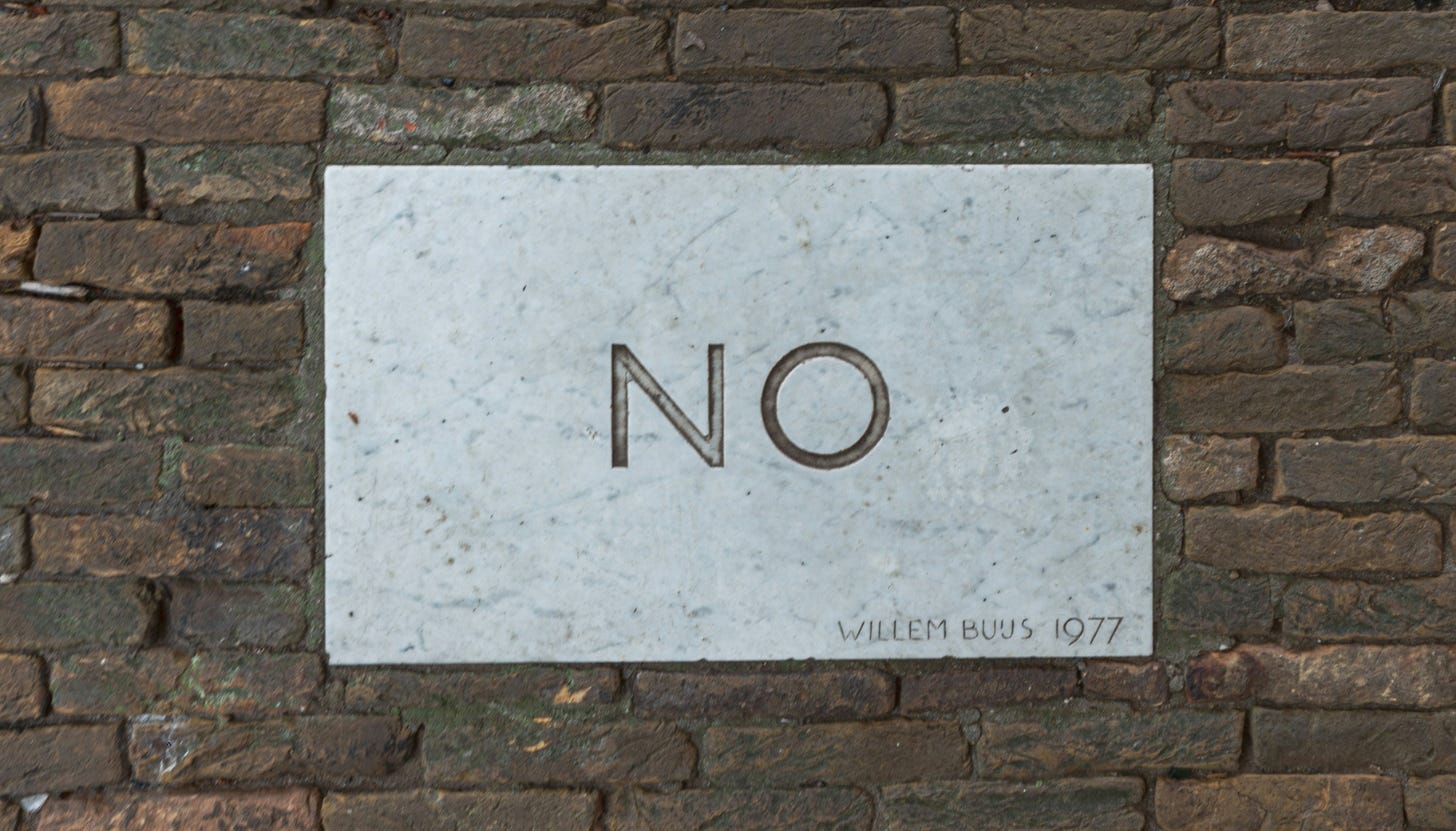
Arguments AGAINST religion being necessary for moral behaviour:
Many secular moral frameworks also provide robust guidelines to support moral behaviour, such as Utilitarianism and Kantian ethics.
As mentioned above, evolutionary perspectives suggest ethical behaviour developed through natural selection because being altruistic and cooperative served as survival-promoting in early societies.
Empirical studies show mixed results on religion’s impact on morality, for example, one study showed that religious pro-sociality often favours religious ‘in-groups’ over ‘out-groups.’ (Tsang, J et al, 2020)
Another study found that ‘… religious and nonreligious people differed in only one way: how moral and immoral deeds made them feel.
Religious people responded with stronger emotions – more pride and gratitude for their moral deeds, and more guilt, embarrassment and disgust for their immoral deeds.’ (Hofmann, W et al, 2014)
Philosophical arguments highlight potential issues with religious morality because of moral relativism between different religions and the potential for interpretation of religious texts to justify a-moral behaviour, for example, The Crusades and The Inquisition.
The development of non-religious frameworks, like the Universal Declaration of Human Rights and Environmental ethics that address global challenges.

There are philosophers who believe that we can be moral without needing a framework provided by religion. For example:
Virtue ethics emphasise character development and moral excellence.
Secular humanism supports ethics based on reason and human experience, such as critical thinking, scientific reasoning and research ethics, along with advocating for human rights and dignity.
Naturalistic explanations are provided for moral behaviour, because altruism and cooperation were adaptive traits in early human societies, which fostered empathy and fairness.
Neuroscience research suggest a biological basis for moral decision-making because fMRI studies reveal brain regions involved in moral reasoning, including emotions such as compassion and guilt.
This factors suggest that our concept of morality can evolve through rational discourse.
Furthermore, research on the moral convictions between atheists and agnostics show that non-believers often have well-developed ethical frameworks.
The Pew Research Center has highlighted that ‘nones,’ which they define as people who describe themselves as atheist, agnostic or ‘nothing in particular,’ when asked about their religious affiliation in surveys …’ say ‘they rely extensively on the desire to avoid hurting people, and on the use of logic and reason …’ when making decisions between right and wrong.’
The non-religious in this study were therefore driven by compassion vs. abiding by a specific moral framework.
The research also found that 82% of religious ‘nones’ state they use logic and reason when deciding between right and wrong.
In addition, 98% of agnostics and 97% of atheists believe it is possible to be moral and have good values without believing in God.
While just 10% of the ‘nones’ believe that a belief in God is necessary to be moral and have good values.
Interestingly, ‘among adults who identify with a religion, 65% say it’s possible to be moral and have good values without believing in God, while one-third say belief in God is necessary to be moral and have good values.’ (Pew Research Center, 2024)
Another study reported that almost 50% of the people surveyed believed that it was necessary to believe in God to be a good person.
So, they believed you couldn't be a moral person if you were non-religious. (Tamir, C, et al, 2020)
However, conversely, a large meta-analysis, which analysed nearly 60 years of research, revealed something interesting.
The researchers examined whether being religious correlates with increased pro-social behaviour, and found that self-report measures indicate a correlation, but, the correlation is weaker when pro-social behaviour is measured via behaviour.
In other words, in this study, religious people believed they were more pro-social than their behaviour indicated. (Kelly, JM, et al, 2020)
It seems our political stance and our morality are also linked via our early tribal focus on survival.
Samson shares ideas from the author of the book ‘Moral Origins,’ Christopher Boehm, on Pg 327 of his book:
Boehm believes that both the political left and right are guided by evolutionarily honed moral instincts. Hunter gatherer groups had to select tribe members that were not overly tyrannical, not stingy with collective resources, nor prone to free-loading because such behaviour would pose a survival threat to tribes.
In addition, foragers were central to survival.
This is why two strains of ‘righteousness’ or morality evolved, ‘where tribe members were deemed immoral if they took more than they gave, didn’t share their winnings, or tried to use physical dominance to serve their own interests.’
Boehm sees the mark of this moral evolution evident in both the left and the right today, ‘with the politics of the left being focused more on legislation against monopolies and redistributing resources, and the politics of the right being more focused on anti-freeloading strategies that manifest in the form of fiscal conservatism … All politics is therefore ‘a weird bleed-through of our evolved instincts as camp dwelling creatures … and both parties, in their hearts, serve a moral end that exist because, not in spite of, being a pro-social species.’ (Pg. 327)
We therefore ‘ … need to see political discussion as a type of adversarial collaboration, where tribes are committed to good-faith arguments backed up by a process of steel manning …’ vs straw manning their opponents arguments.
Let’s consider this the next time we listen to someone who identifies with a different political tribe, Boehm suggests, because there may be ‘some ancient wisdom embedded in their policy preferences … ‘ (Pg. 328 and 329)
Let’s shift focus now, to discuss happiness and fulfilment, the lack of which could drive people to behave a-morally.
Self-determination theory (SDT) posits that we need three basic things to be content:
We need to feel confident in what we do (competence),
we need to feel authentic in our lives (free to act and function without threat) and
we need to feel connected to others (experience mutual closeness and support).
SDT considers these needs to be intrinsic to our happiness and suggests they outweigh extrinsic values, such as beauty, money or status. (APA, 2025)
However, the marketing and economic forces that act in modern society have created an environment that maximises consumption at the long-term cost of this type of well-being.
This leaves many feeling less confident in what they do, less authentic and less connected to others, despite the ‘tech-connectivity’ we’re immersed in.
So, if we increasingly feel less confident, authentic and connected, where does that leave us?
Maybe we feel less connected to humanity, or even just our society as a whole, and become more susceptible to survival-thinking and thus tribal affiliation.

In summary, we’ve uncovered a few ideas:
Morality developed as a way to keep our tribe, our kin - and therefore ourselves - safe and ensure survival, and we learn about this shared morality from a young age, from those we love and trust.
The moral codes we live by are based on beliefs about our world and how it does and should function, which includes looking for patterns to make predictions, and are linked to what our tribe and culture believes, not on what strangers believe.
These beliefs become part of who we are and how we identify ourselves and our tribe and form the foundation of our moral perspective.
When our beliefs are challenged, we feel very uncomfortable mentally and physically because this means our identity and our tribe may be threatened.
Our morals can be influenced by what we see and what we’re told by people we trust especially if they find ways to make other people seem dangerous, and this is done via a process called ‘other-isation.’
‘Other-isation’ is effective when we’re encouraged to see ‘others’ as less deserving of the moral constraints and rights we hold dear for those we consider our ‘tribe.’
From a neurophysiological perspective, when we become comfortable thinking a-moral thoughts, about being aggressive, vicious or violent, or contemplating bad things happening to people that don’t believe what we do, the easier it becomes to think those thoughts, act on them, and celebrate others who do the same.
Although the evidence is mixed, it would seem that most people can be moral and know the difference between right and wrong even if they’re not religious, so being religious is not necessary to having a moral framework.
Our political preferences may have been honed by two different, but necessary instinctual drives, both of which support tribal survival.
What we need to be happy and fulfilled may be declining, which makes us feel less connected to our society as a whole, and more prone - and susceptible - to tribal affiliation.
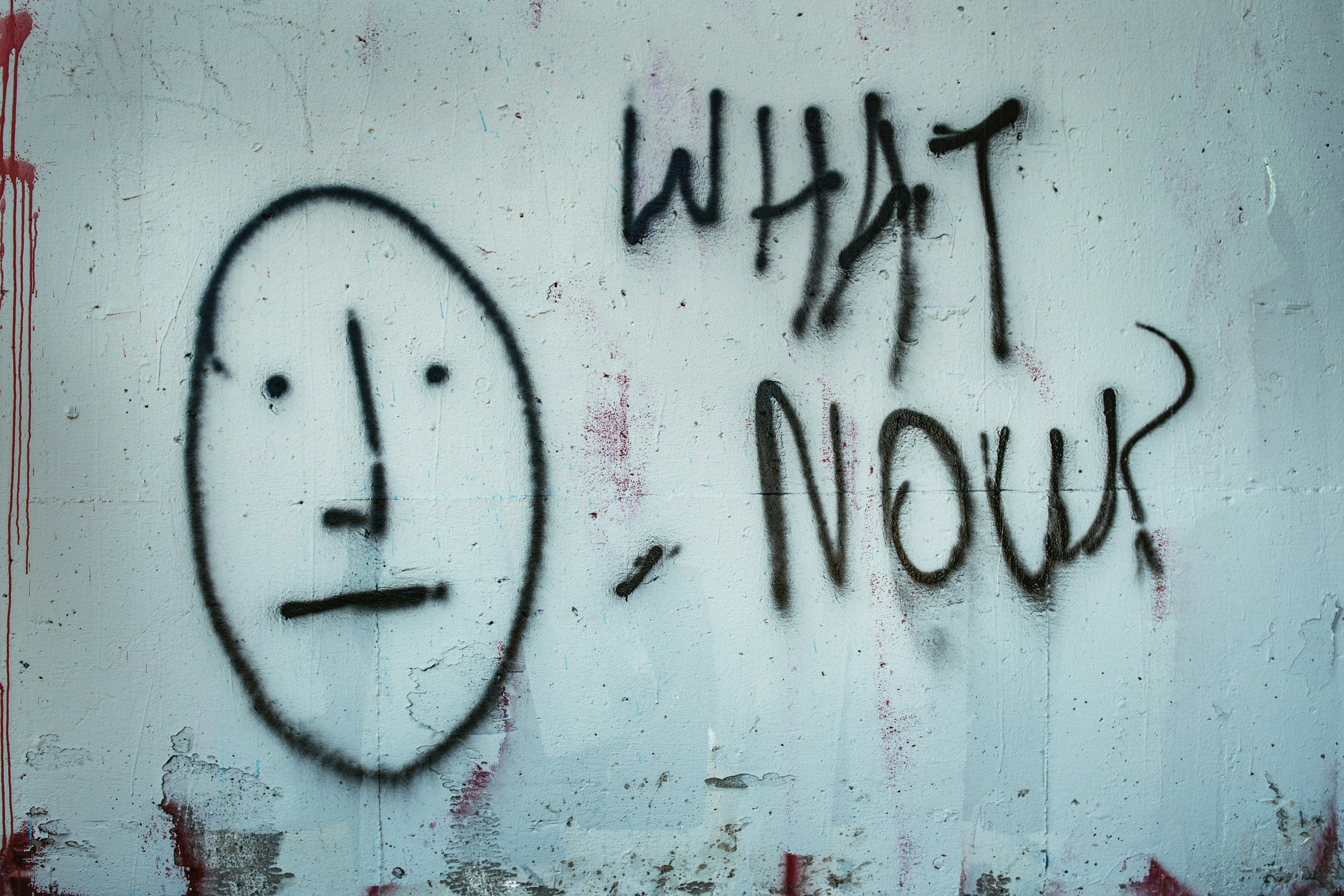
We live in an increasingly complex world and do not have enough time to analyse all the information we’re exposed to.
As Turner states succinctly:
‘ … We are all dependent on others for information about the world that we do not have time or energy or expertise to check ourselves.’ (Pg. 152)
Others teach us how to live in the world we’re born into - how to use language, what to name our emotions, how to behave, how to be social, and how to distinguish between what is right and wrong in our world.
We therefore look to people whom we trust, to see what their beliefs and values and views are.
From a psychological and neurophysiological perspective, it is therefore natural for us to gravitate to what we already believe because it doesn’t challenge our core self-concept, it uses less neural energy to do so, and we don’t feel anxious when we encounter what we already believe.
So, it is easier to simply watch the news we already believe in and follow influencers whose views support what we already believe too.
The more often we think and behave a certain way the more comfortable we become doing so.
And when you think any thoughts often enough, it becomes easer to act on them because the same neural pathways are involved. This is simply how the brain functions.
In essence, we can desensitise ourselves to a-moral thoughts and behaviour via repeated neural activity that consolidates a specific ‘habit of mind.’
In addition, we have a natural desire and drive to resolve the conflict we feel when our beliefs and reality clash so as to maintain control and coherence, as threats to our deeply held beliefs are perceived as threats to our survival. In this way we can justify a-moral behaviour.
When our beliefs are strongly held, and we sense we are losing control, possibly driven by media influence and our ‘in-tribe’ affiliation, we can easily try to act on reality, and tell ourselves we are doing the ‘morally’ right thing by doing so.
Even if this means ending someones life.
Which is what happened in the case of Charlie Kirk’s murder.
Our society has become more complex, but our deep, survival instincts are still present, and intimately connected to our beliefs and therefore our morals.
If we want to maintain a moral society we need to acknowledge this vulnerability and include this knowledge in our education system.
NOTE: None of this content was generated by AI.
If you haven’t yet read Part 1, please do so via the link below:
Becoming Less Moral? Pt 1 of 2
And, if you found this article interesting please subscribe via the link below:
American Psychological Association (2025) https://www.apa.org/research-practice/conduct-research/self-determination-theory Cited 21 October 2025
Hofmann, W et al (2024) Morality in everyday life. Science, 345, 1340–1343.
Junger, S. (2016) Tribe: On homecoming and belonging. Twelve: New York.
Kelly, JM et al (2024) Religiosity predicts prosociality, especially when measured by self-report: A meta-analysis of almost 60 years of research. Psychological Bulletin, 150(3), 284–318.
Pew Research Center (2024) https://www.pewresearch.org/religion/2024/01/24/how-do-nones-think-about-morality/ Cited 20 October 2025
Samson, DR (2023) Our tribal future: How to channel our foundational human instincts into a force for good. St. Martin’s Press: New York.
Schnall, S et al (2008) Disgust as embodied moral judgment. Personality and Social Psychology Bulletin, 34(8), 1096–1109.
Tamir, C et al (2020) The global god divide. Pew Research Group.
Taylor, K (2009) Cruelty: Human evil and the human brain. Oxford University Press: London.
Tsang, JA et al (2021) Prosociality and religion. Current Opinion in Psychology, 40, 67–72.
Fiveable. https://fiveable.me/philosophy-religion/unit-8/relationship-religion-morality/study-guide/qJPJuOVn5sgwwczR Cited 22 October 2025
Comments
Nothing yet. Say the first thing.
Sign in to join the conversation.