
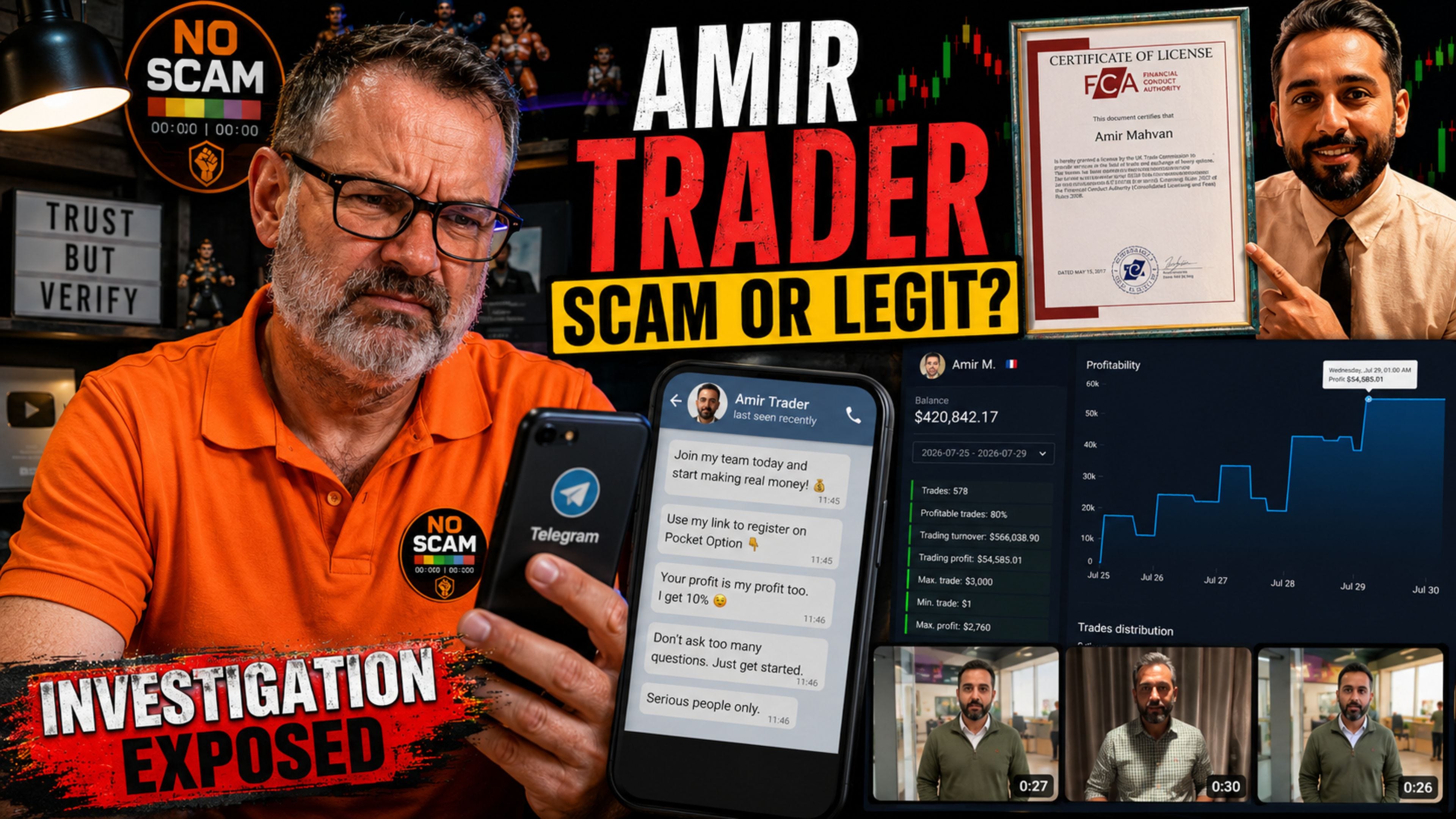
“The easiest way to sell a risky investment isn’t to prove it works. It’s to convince people you’re someone they can trust.”

Amir Mahvan
This investigation began when I was introduced to Amir Trader, a Telegram personality encouraging people to trade through Pocket Option, a binary options platform. On the surface, everything appeared carefully designed to inspire confidence. His profile featured polished branding, videos presenting himself as an experienced trader, screenshots showing substantial profits, and what appeared to be an official Financial Conduct Authority (FCA) licence bearing his name. To someone encountering his content for the first time, it painted the picture of a successful professional who had already earned the trust of financial regulators.
It didn’t take long for that image to begin falling apart.
One of the first checks I perform during any investigation is to verify regulatory claims. That simple step immediately uncovered a glaring contradiction. While Amir was displaying an apparent FCA certificate to establish credibility, the UK Financial Conduct Authority has published a warning about Pocket Option, first issued in 2021 and updated on 10 February 2026, stating: “This firm is not authorised by us and may be targeting people in the UK.” That discovery transformed what initially looked like another Telegram trading account into something far more significant. It raised an obvious question: why would someone relying on the reputation of the FCA be directing people towards a platform the same regulator has publicly warned consumers about?
As I followed the trail, I discovered a familiar pattern that I’ve encountered repeatedly throughout my investigations into online investment schemes. Social media personalities build credibility through carefully crafted images, impressive trading dashboards, questionable credentials and promises of financial independence. The objective is not simply to impress an audience—it’s to lower their scepticism just enough that they stop verifying the claims for themselves. In this investigation, I’ll examine the evidence behind Amir Trader’s marketing, the platform he promotes, the authenticity of his claimed credentials and the red flags every prospective investor should recognise before risking their money.
Like many of my investigations, this one didn’t begin with a victim contacting me after losing money. It started with a single Telegram conversation.
Amir Trader reached out to me directly, introducing himself as an experienced trader who could help me generate substantial profits by copying his trades through Pocket Option. At first, the messages were friendly and encouraging. He spoke confidently about his years of experience, claimed to hold an FCA licence, and explained that his interests were aligned with mine because he would only earn 10% of my profits. According to him, I had nothing to lose and every reason to get started immediately.
As the conversation continued, the sales pitch became increasingly familiar. Almost every day another message would arrive announcing an incredibly successful trading session. One day it was 80% profitable trades. Another day it was $24,000 in net profit. Then came claims of $100,000 trading sessions, clients turning $500 into several thousand dollars, limited-time bonus codes and reminders that I was missing opportunities while everyone else was making money. The message rarely changed. Register today. Deposit funds. Start copying trades. Stop asking questions.
I’ve seen this pattern many times before.
Whether I’m investigating cryptocurrency schemes, forex promoters or multi-level marketing opportunities, the psychology is often identical. The goal isn’t to educate you about risk or explain how the business really works. The goal is to create enough excitement and urgency that you begin imagining the profits before you’ve properly examined the evidence. By the time you’re thinking about due diligence, you’re already emotionally invested in the possibility that this might finally be the opportunity you’ve been waiting for.
Rather than arguing with Amir or dismissing him outright, I decided to do what I always do. I slowed the conversation down. Instead of focusing on the promised profits, I started examining the person making the promises. Who exactly was Amir Trader? Could his claimed FCA credentials be verified? Why was he directing people towards Pocket Option? And perhaps most importantly, did the evidence support the image he was presenting, or was I simply looking at another carefully constructed Telegram persona?

Amir Trader
The deeper I looked, the more I realised that Amir Trader existed almost entirely within the Telegram ecosystem. There was no detailed company website explaining his business, no obvious corporate structure, no office address and no publicly available information about the organisation behind the operation. Everything revolved around a single Telegram profile that presented him as an experienced trader with years of success, backed by impressive profit screenshots, motivational videos and an apparent FCA licence.
His profile was carefully constructed to inspire confidence. It featured a professional photograph, references to years of trading experience and repeated claims that he had helped ordinary people achieve financial freedom. Throughout his channel, he portrayed himself as someone who had already done the hard work, developed a successful system and was now inviting others to benefit from it simply by copying his trades. Rather than positioning himself as a salesman, he presented himself as a successful trader looking for partners.
The Telegram channel itself reinforced that image. Almost every post celebrated another profitable trading session, another successful withdrawal or another satisfied client. The message was consistent from beginning to end: this system works, other people are making money, and the only thing stopping you is your own hesitation. It was polished, repetitive and highly effective from a marketing perspective.
But one thing immediately stood out to me.
Everything I was being asked to trust originated from Amir himself. The photographs, the trading results, the testimonials, the videos, the certificates and the client conversations were all being published within an environment he controlled. There was no independent verification attached to any of it. That’s an important distinction because there’s a significant difference between someone making a claim and someone providing evidence that allows others to verify that claim independently.
That doesn’t automatically mean Amir Trader is operating dishonestly. Plenty of legitimate businesses use Telegram to communicate with clients. However, when someone you’ve never met is asking you to deposit money based primarily on their own screenshots, their own testimonials and their own claims of success, it’s worth slowing down and asking a simple question:
What evidence exists outside of Telegram?
That question became the foundation for everything that followed.
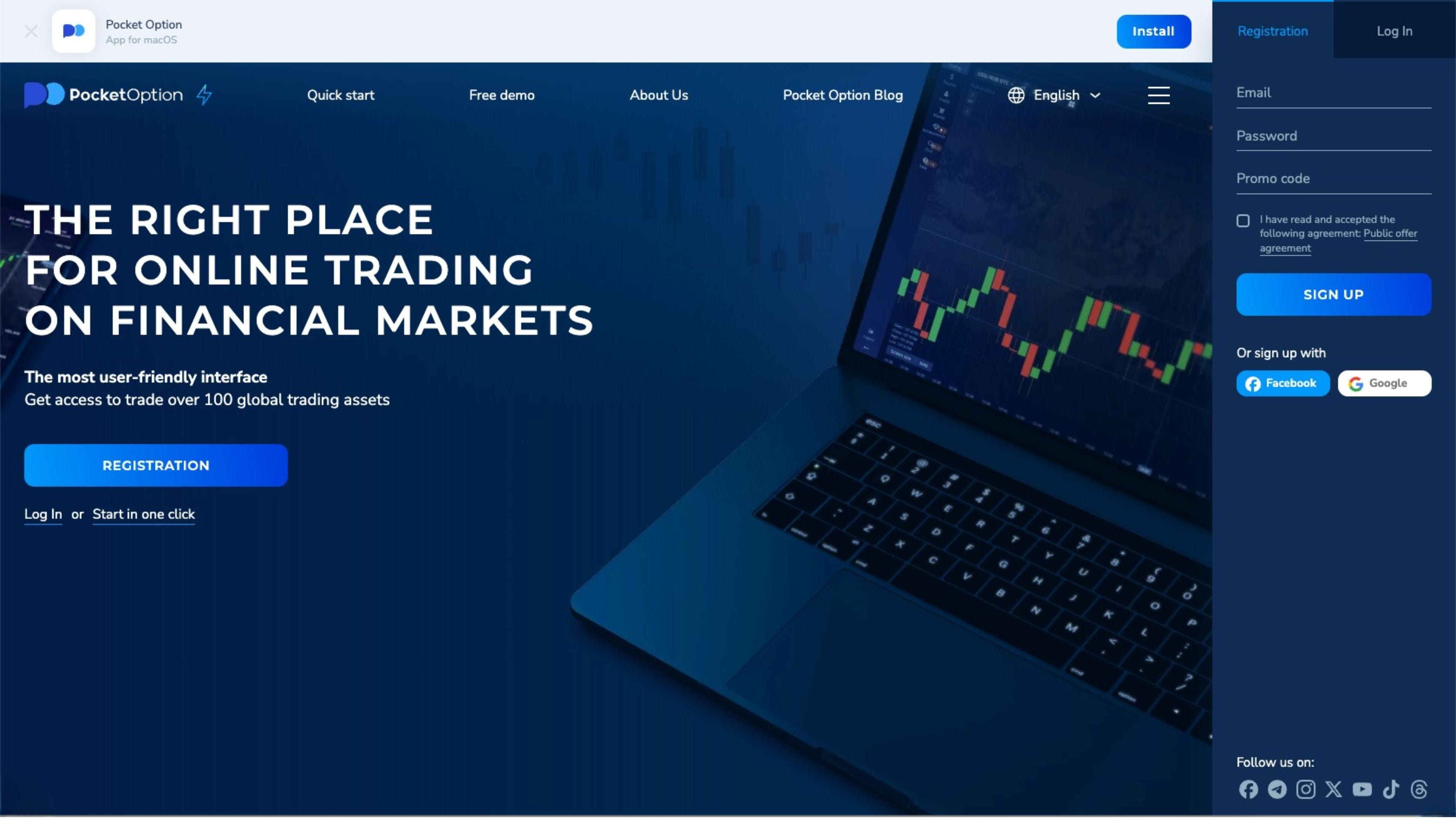
PocketOption.Com
As I spent more time reviewing Amir Trader’s Telegram activity, one thing became abundantly clear. He wasn’t simply documenting his own trading journey or sharing market commentary. The entire sales process revolved around directing prospective clients towards Pocket Option, an online binary options trading platform. Every conversation eventually led to the same destination: register a new account through his link, fund it, and begin copying his trades.
That distinction is important because Amir wasn’t merely recommending a platform in passing. Pocket Option was central to his business model. The trading screenshots, promotional messages, deposit bonus codes and invitations to join his VIP trading sessions all depended on prospective clients opening accounts and becoming active users of the platform. Whenever I tried to steer the conversation towards independent verification of his credentials, he consistently redirected it back to registration. In his view, the only way to prove the system worked was to become part of it.
I’ve investigated enough online investment opportunities to recognise that pattern. The personality promoting the opportunity and the platform receiving the deposits are often closely linked. Whether the promoter is paid through referral commissions, profit sharing or another commercial arrangement, the financial incentive frequently begins when someone signs up, not when they ask difficult questions. That’s why understanding what is being promoted is every bit as important as understanding who is promoting it.
At this stage, I wasn’t prepared to reach any conclusions about Pocket Option or Amir Trader. But I knew there was one obvious place to look next. Before examining certificates, screenshots or trading results, I wanted to know whether financial regulators had already expressed concerns about the platform he was encouraging people to use.
That simple check turned out to be one of the most significant discoveries in the entire investigation.
One of the first things I do when investigating any investment opportunity is check whether financial regulators have already published warnings. It’s a simple step that many investors overlook, yet it can provide valuable context before you spend a single dollar. In this case, that search led me directly to the UK Financial Conduct Authority (FCA).
What I found immediately changed the direction of my investigation.
The FCA has published a public warning about Pocket Option, first issued in 2021 and updated on 10 February 2026. The warning is clear and unambiguous:
“This firm is not authorised by us and may be targeting people in the UK.”
That statement stopped me in my tracks.
Throughout our conversations, Amir Trader repeatedly relied on his claimed FCA licence as evidence that he was a trustworthy professional. He encouraged me to believe that his experience, qualifications and regulatory credentials were reasons to feel confident about following his trading advice. Yet at the very same time, he was directing me towards Pocket Option—a platform the same regulator had publicly warned consumers about.
I want to be very clear about what that warning does and does not mean. An FCA warning does not automatically prove that every person associated with a platform is committing fraud. However, it does mean that prospective investors should exercise an extremely high level of caution and ask far more questions before proceeding. Rather than dismissing the warning or assuming it didn’t matter, I wanted to understand why someone who repeatedly promoted their alleged FCA credentials appeared comfortable recommending a platform that the FCA itself had warned the public about.
That contradiction became the central theme of this investigation.
From that moment on, I stopped looking at Amir Trader’s Telegram channel as a collection of trading screenshots and motivational posts. Instead, I started examining whether the credibility he had carefully built around himself could withstand the same level of scrutiny that any regulated financial professional should reasonably expect.
At this point, I had seen enough marketing material. The screenshots, testimonials, certificates and motivational messages had all served their purpose—they were designed to build trust. The next step was to determine whether that trust could be supported by independent evidence.
Rather than accusing Amir Trader of being a scammer, I did exactly what any careful investor should do. I asked questions.
I wanted to know who he really was, whether he could verify his identity, explain his claimed Financial Conduct Authority (FCA) credentials, confirm his relationship with Pocket Option, disclose how he was compensated and clarify whether the trading results he published could be independently verified. These weren’t obscure legal questions or demands for commercially sensitive information. They were straightforward due diligence questions arising directly from the claims he had already chosen to make publicly.
His response was not what I expected.
Instead of answering the questions, he dismissed them altogether.
“Look buddy, I hear you and your long list of questions, but I am not here to do paperwork or sit through an interrogation. I am a trader who makes money by acting on opportunities, not by debating regulations or writing up audit reports for strangers on the internet.”
That single message revealed something important.
Throughout our conversations, Amir had repeatedly relied upon his alleged FCA licence to establish credibility. Yet the moment I asked him to explain or verify those credentials, he argued that regulations were irrelevant and that I should simply trust the results he was publishing.
That contradiction couldn’t be ignored.
If regulation is important enough to feature prominently in your marketing, then it’s important enough to discuss when prospective investors ask reasonable questions. You can’t present an FCA licence as proof of legitimacy one moment and dismiss enquiries about that same licence as an unnecessary interrogation the next.
Instead of providing evidence, Amir repeatedly returned to the same solution.
If I wanted proof, he said, I should register a new Pocket Option account through his referral link, fund it and experience the system for myself.
For me, that was the biggest red flag of all.
Due diligence should never begin after you’ve deposited your money. It should be completed before you’ve risked a single dollar.
One of the strongest themes running throughout Amir Trader’s Telegram channel was his repeated claim that he was licensed by the UK’s Financial Conduct Authority (FCA). He didn’t mention it once or twice. It became one of the cornerstones of his marketing. Whenever prospective clients hesitated, he pointed to his alleged regulatory credentials as proof that he was trustworthy and experienced.
Eventually, he provided what he described as the evidence—a framed certificate bearing his name, the FCA logo, reference number 522666, and an official-looking signature. To the average person scrolling through Telegram, it looked convincing. After all, that’s the whole point of displaying a certificate. It’s designed to stop people asking questions.
Unfortunately for Amir, that’s exactly when I started asking more.
Rather than focusing on the appearance of the certificate, I decided to investigate the one thing that should have been easy to verify—the FCA reference number 522666 printed near the top of the document.
What I found was unexpected.
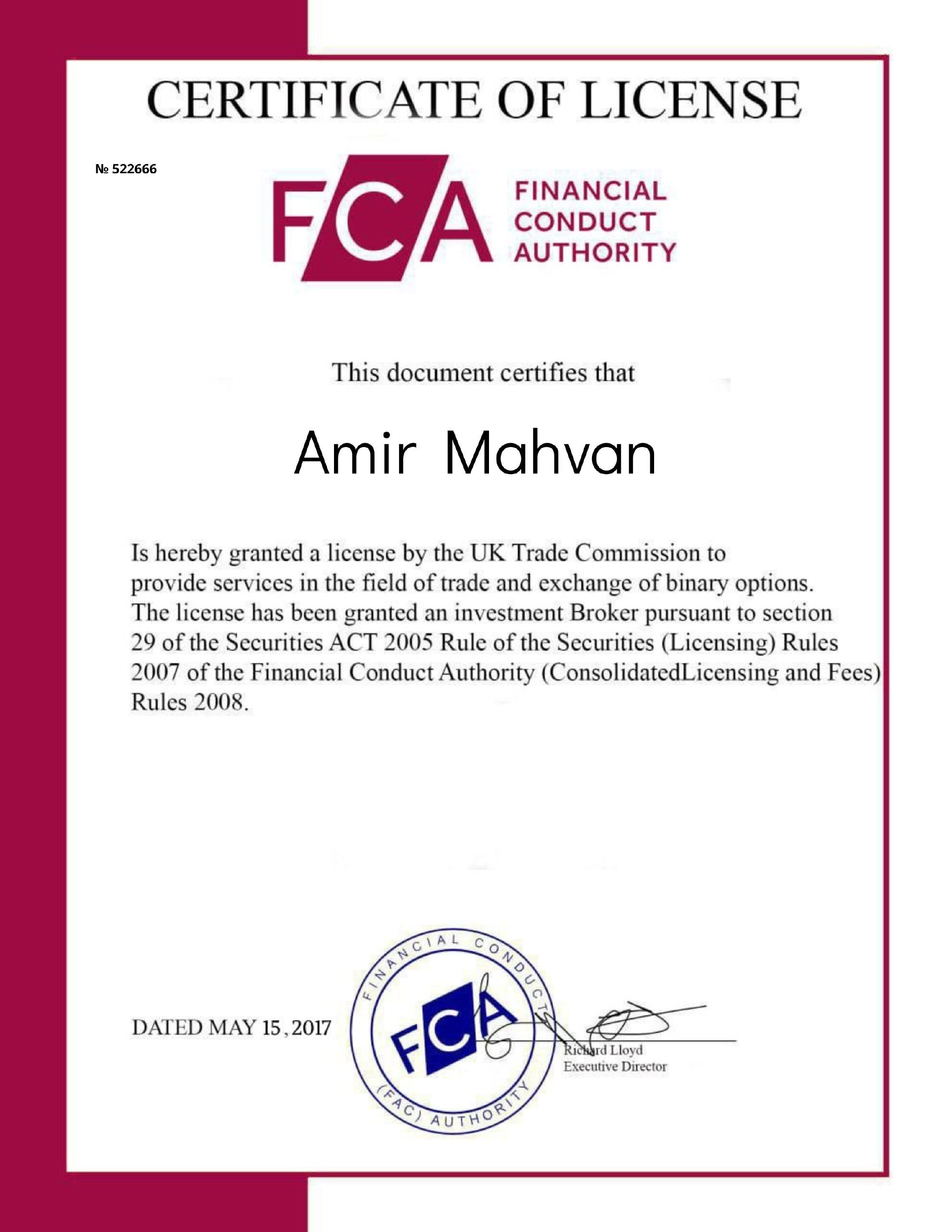
FCA 522666
Publicly available information associated with FCA reference number 522666 identifies an Amir Mahvan as an appointed representative whose regulated activities relate to credit, lending and mortgage services. I found no evidence that this FCA reference authorises someone to provide binary options trading services, operate as a professional trader or offer the type of copy-trading arrangement being promoted through the Telegram channel.
My research uncovered more. Companies House Records show an Amir Mahvan with a corporate history that includes Falafel Corner Ltd and Spicez Ltd. Publicly available information associated with FCA reference number 522666 also identifies an Amir Mahvan whose regulated activities relate to credit, lending and mortgage services, rather than the type of trading operation being promoted through Telegram. I cannot conclude that this is the same individual operating the Telegram channel, and equally I cannot conclude that it isn’t. That’s precisely why I repeatedly asked Amir to verify his identity and explain his relationship to FCA reference number 522666. He was given every opportunity to do so, but those questions went unanswered.

It’s important to be fair here.
None of this proves that the Telegram operator is the same Amir Mahvan. Equally, it doesn’t prove that he isn’t. That uncertainty is precisely why I asked him to clarify his identity and explain how FCA reference number 522666 related to the trading services he was promoting. If he genuinely held that registration, verifying the connection should have been straightforward.
Only after researching the reference number did I begin examining the certificate itself.
The document raised a number of additional concerns. Rather than stating it had been issued by the Financial Conduct Authority, it claimed to have been granted by an organisation called the “UK Trade Commission.” That struck me as unusual because the FCA is the UK’s financial regulator, not an organisation commonly known by that name. The certificate also referred to the trading and exchange of binary options, cited legislation including a “Securities Act 2005” and “Securities (Licensing) Rules 2007,” and referenced Financial Conduct Authority licensing rules from 2008. That chronology immediately stood out because the FCA itself was not established until 2013, when it replaced the Financial Services Authority (FSA).
As I dug deeper, another discovery made me even more cautious. I located other certificates online using virtually identical wording, but issued to completely different people and businesses. While that does not, on its own, prove Amir’s certificate was fabricated, it does demonstrate that very similar certificate templates have been used elsewhere. Rather than reducing my concerns, it reinforced the need for independent verification.
What struck me most wasn’t the certificate itself—it was Amir’s reaction when I asked him to explain it. I wasn’t asking him to reveal a secret trading strategy or commercially sensitive information. I simply wanted him to explain the FCA reference number, clarify his relationship to it, identify who had issued the certificate, and explain why the document contained several unusual references. Those are entirely reasonable questions when someone is relying on regulatory credentials to persuade strangers to trust them with their money.
Those questions were never answered.
Instead, I was once again encouraged to stop investigating, stop asking questions and register through his Pocket Option referral link.
For me, that was far more revealing than the certificate itself. A genuine credential should become easier to verify the closer you examine it—not harder.
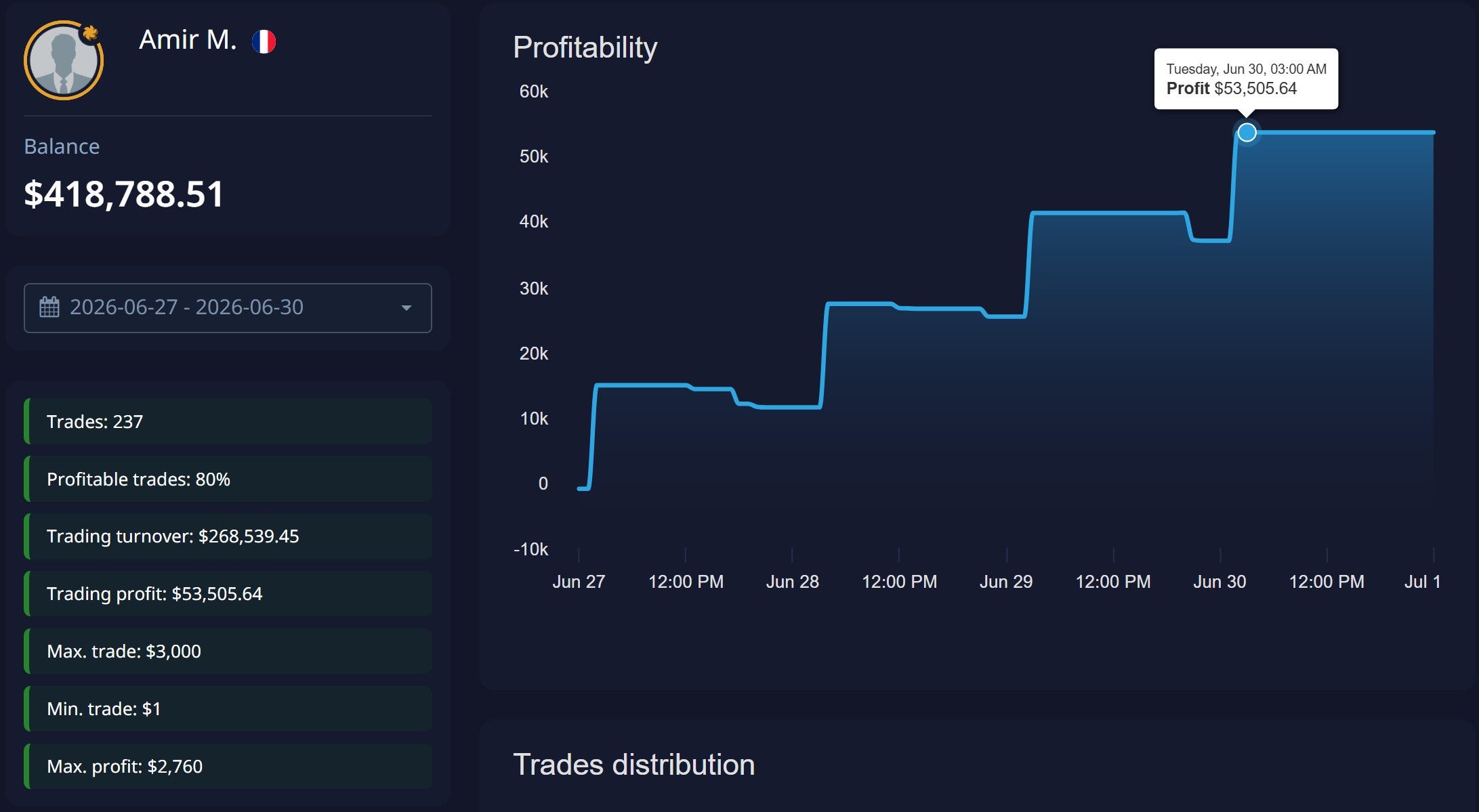
Amir Mahvan Screenshot
If there was one thing Amir Trader had no shortage of, it was proof.
Or at least, what appeared to be proof.
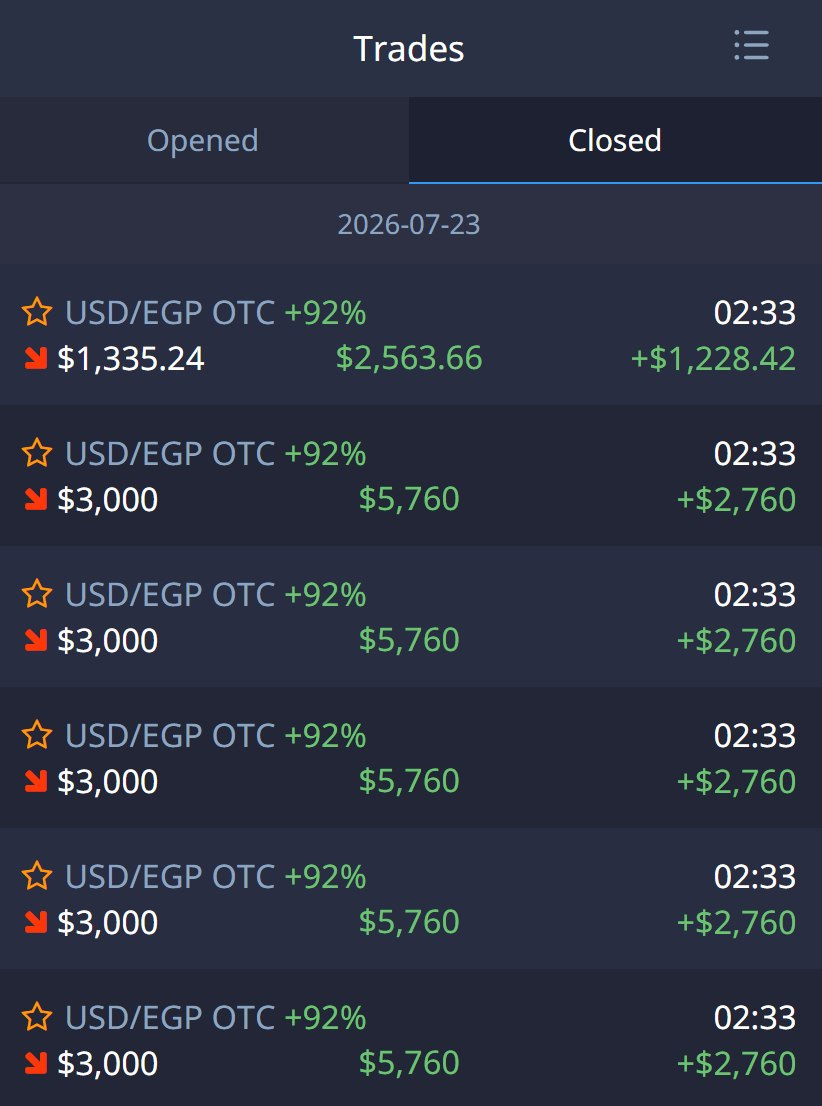
Over the course of my investigation, I archived dozens of screenshots from his Telegram channel. There were trading dashboards showing extraordinary profits, withdrawal confirmations, client testimonials, performance graphs, photographs of luxury purchases, and messages from grateful followers claiming they had transformed modest deposits into life-changing returns. Individually, each post looked persuasive. Together, they created the impression that success was not only possible—it was happening every single day.
But as I worked through the material, something became increasingly obvious.
Every piece of evidence came from Amir himself.
The trading results were screenshots he had chosen to publish. The client conversations were messages he had selected to share. The withdrawal images were uploaded by him. Even the glowing testimonials existed entirely within a Telegram environment that he controlled. There was no independent audit, no verified trading history, no external reporting, and no practical way for an outsider to determine whether these posts represented the complete picture or only the most favourable moments.
Amir Mahvan Screenshot
As I compared screenshots spanning several weeks, I also noticed recurring patterns. Similar trading layouts appeared repeatedly. Identical stake sizes were visible across multiple sessions. Almost every trading day appeared to end in substantial profit. I found no examples of losing days, disappointed clients, unsuccessful withdrawals or the kind of drawdowns that every genuine trader inevitably experiences. That observation doesn’t prove the screenshots were fabricated, but it does highlight an important reality: carefully curated marketing material is not the same thing as independently verifiable performance.
The testimonials followed the same pattern. Followers claimed to have doubled or tripled their money within hours. Others celebrated successful withdrawals or thanked Amir for changing their financial future. Again, I have no way of knowing whether those conversations were genuine, selectively chosen or something else entirely. What I can say is that they cannot be independently verified by prospective investors, and that matters when those same testimonials are being used to persuade strangers to deposit money.
That’s one of the biggest lessons from this investigation. Screenshots create confidence because they look authentic. They feel like evidence. But unless those screenshots can be supported by independent documentation, third-party verification or a complete trading history, they remain marketing claims, not proof. As an investigator, I’ve learned never to confuse the two.
As I continued reviewing Amir Trader’s Telegram messages, another question became impossible to ignore. If he was genuinely making the kind of money he claimed through trading, why was so much effort being invested in recruiting complete strangers? The answer matters because understanding how a promoter gets paid is often just as important as understanding the product they’re promoting.
Throughout our conversations, Amir repeatedly encouraged me to create a new Pocket Option account using his referral link. Whenever I asked questions about his identity, his claimed FCA credentials or the certificate he displayed, the conversation always found its way back to the same destination: register first. According to Amir, the only way I could verify his claims was to fund an account, copy his trades and experience the results for myself.
He also told me something that immediately raised further questions.
“Your profit is my profit too (my 10% from your earnings).”
On the surface, that sounds reassuring. It suggests that his financial interests are aligned with those of his clients because he only earns money if they do. But statements like that should prompt further enquiry, not end the conversation. How is that 10% calculated? Who collects it? Is that the only form of compensation? Does Pocket Option also pay commissions for referrals, deposits or trading activity? These are perfectly reasonable questions for anyone considering entrusting their money to an online trading promoter.
Unfortunately, those questions remained unanswered.
Instead of explaining the commercial relationship, Amir simply repeated that I should stop asking questions and register through his link. That response was significant because transparency shouldn’t begin after you’ve become a customer. If someone expects you to trust their recommendations, they should also be willing to explain any financial incentives that may influence those recommendations.
This is one of the biggest lessons I hope readers take away from this investigation. Always ask how the promoter makes their money. If someone is encouraging you to use a particular platform, purchase a particular product or follow a particular strategy, you deserve to understand whether they’re being compensated for that recommendation. A genuine professional shouldn’t have a problem answering that question. After all, informed consent depends on understanding who benefits financially from your decision.
Up until this point, the investigation had focused on claims that could, at least in theory, be explained. A promoter might genuinely believe in their trading strategy. They might genuinely have profitable trading sessions. They might even have a legitimate commercial relationship with the platform they are promoting. Those possibilities remain open until the evidence points elsewhere.
Then I came across a message that immediately changed the tone of the investigation.
While promoting one of his trading sessions, Amir wrote that before the weekly market opened, his team had used “insider information on price movements” to produce one of their best trading results in years. He claimed they had completed 102 trades, achieved a 99% success rate and generated more than $268,000 in net profit. The statement wasn’t buried in a private conversation—it formed part of his public marketing, encouraging followers to believe they had access to information that gave them a significant advantage over everyone else.
I stopped and read the message several times.
Those two words—“insider information”—carry a very specific meaning in financial markets. They don’t simply mean reading the news early, interpreting market sentiment or making an educated prediction. They generally refer to material, non-public information that could influence the price of a financial instrument. In many jurisdictions, using genuine inside information to trade financial markets can raise serious legal and regulatory issues.
Now, there are several possible explanations. Amir may have been using the phrase casually without understanding its legal significance. He may have been exaggerating to make his trading operation appear more sophisticated than it really was. Or he may have meant exactly what he wrote. At this stage, I cannot determine which explanation is correct, and I’m not prepared to speculate beyond the available evidence.
What I can say is this: when someone publicly claims to be using “insider information” to persuade strangers to trust them with their money, that statement deserves an explanation.
So I asked him about it.
Just like my questions about his claimed FCA licence, the certificate he displayed, his relationship with Pocket Option and his compensation model, that question also went unanswered.
By this stage, a clear pattern had emerged. The more important the question, the less likely it was to receive a direct answer. Instead, the conversation repeatedly returned to the same destination: stop asking questions, register through the referral link and start trading.
As an investigator, I’ve learned that how someone responds to legitimate scrutiny often tells you far more than the original claim itself.
When I started this investigation, I wasn’t trying to prove that Amir Trader was running a scam. I was trying to answer a much simpler question: could an ordinary member of the public independently verify the claims being used to persuade people to deposit money? After reviewing weeks of Telegram posts, examining his claimed FCA certificate, analysing dozens of trading screenshots, researching Pocket Option, and giving him every opportunity to answer straightforward due diligence questions, I was left with a consistent pattern of marketing claims supported by very little independently verifiable evidence.
What concerned me most wasn’t any single screenshot, testimonial or promotional video. It was the contradiction running through the entire investigation. Amir repeatedly relied on his alleged Financial Conduct Authority credentials to establish trust, yet he directed prospective clients towards Pocket Option—a platform the Financial Conduct Authority has publicly warned about. When I asked him to explain that contradiction, verify his credentials or clarify his commercial relationship with the platform, the answers never came. Instead, I was encouraged to stop asking questions and register through his referral link.
That doesn’t automatically make Amir Trader a fraud, and I’m not prepared to make allegations that the evidence doesn’t support. What it does demonstrate is why independent verification matters. Trust should never be built on screenshots alone. Certificates should withstand scrutiny. Regulatory claims should be easy to verify. And anyone asking strangers to invest through a particular platform should be willing to explain exactly who they are, how they’re compensated and why they’re recommending that platform in the first place.
If you’ve found this article because someone invited you to join Amir Trader’s Telegram channel or open a Pocket Option account through his referral link, my advice is simple: slow down. Read the regulator’s warning. Verify every claim through official sources. Ask difficult questions and pay close attention to whether those questions are answered. The best investment decision you’ll ever make may be the one you choose not to rush into.
If Amir Trader wishes to respond to this investigation, provide documentary evidence supporting his claims or clarify any of the issues raised, I’ll review that information fairly and update this article where appropriate. My objective has never been to attack individuals for the sake of it. It’s to follow the evidence wherever it leads, document the facts as accurately as possible, and help people make informed decisions before they become the next victim.
During the preparation of this investigation, I contacted Amir Trader directly and gave him the opportunity to answer a series of straightforward due diligence questions relating to his identity, his claimed Financial Conduct Authority (FCA) credentials, the certificate he relied upon to establish trust, his relationship with Pocket Option, his compensation model and the claims made throughout his Telegram channel.
Rather than answering those questions directly, he responded that he was “not here to do paperwork or sit through an interrogation”, stating that he was a trader who made money by acting on opportunities rather than debating regulations. He repeatedly encouraged me to stop asking questions and instead register a new Pocket Option account through his referral link as the best way to understand how his system worked.
At the time of publication, the questions raised throughout this investigation remain unanswered.
If Amir Trader wishes to provide documentary evidence supporting his claims, clarify any factual matters discussed in this article or identify any inaccuracies, I will review that material objectively and update this investigation where appropriate. My goal is to ensure this article remains accurate, fair and evidence-based, and I welcome any verifiable information that helps establish the facts.
This investigation relies entirely on OSINT — Open Source Intelligence — meaning every claim made here is based on publicly available records, archived web pages, corporate filings, domain data, social media activity, and open blockchain transactions. No private data, hacking, or unlawful access methods were used. OSINT is a powerful and ethical tool for exposing scams without violating privacy laws or overstepping legal boundaries.
I’m DANNY DE HEK, a New Zealand–based YouTuber, investigative journalist, and OSINT researcher. I name and shame individuals promoting or marketing fraudulent schemes through my YOUTUBE CHANNEL. Every video I produce exposes the people behind scams, Ponzi schemes, and MLM frauds — holding them accountable in public.
My PODCAST is an extension of that work. It’s distributed across 18 major platforms — including Apple Podcasts, Spotify, Amazon Music, YouTube, and iHeartRadio — so when scammers try to hide, my content follows them everywhere. If you prefer listening to my investigations instead of watching, you’ll find them on every major podcast service.
You can BOOK ME for private consultations or SPEAKING ENGAGEMENTS, where I share first-hand experience from years of exposing large-scale fraud and helping victims recover.
“Stop losing your future to financial parasites. Subscribe. Expose. Protect.”
My work exposing crypto fraud has been featured in:
Coffeezilla 2026): Featured in the investigation exposing the alleged $328M Goliath Ventures Ponzi scheme
Bloomberg Documentary (2025): A 20-minute exposé on Ponzi schemes and crypto card fraud
News.com.au (2025): Profiled as one of the leading scam-busters in Australasia
OpIndia (2025): Cited for uncovering Pakistani software houses linked to drug trafficking, visa scams, and global financial fraud
The Press / Stuff.co.nz (2023): Successfully defeated $3.85M gag lawsuit; court ruled it was a vexatious attempt to silence whistleblowing
The Guardian Australia (2023): National warning on crypto MLMs affecting Aussie families
ABC News Australia (2023): Investigation into Blockchain Global and its collapse
The New York Times (2022): A full two-page feature on dismantling HyperVerse and its global network
Radio New Zealand (2022): “The Kiwi YouTuber Taking Down Crypto Scammers From His Christchurch Home”
Otago Daily Times (2022): A profile on my investigative work and the impact of crypto fraud in New Zealand
No posts
Comments
Nothing yet. Say the first thing.
Sign in to join the conversation.