
Hello from week 33 of riding shotgun as life perpetuates itself inside me.
Pregnancy is many things: Unpredictable, sleep-disrupting, awe-inducing.
It’s also not at all inexpensive in the good ole US of A.
Before trying for a kid my husband and I did have a general savings bucket for baby stuff, but I wasn’t sure going in how all of those costs might break down until I was fully inside of the experience.
Now that I’m in the thick of it I thought it might be helpful to share the different line items that would be good to think about saving for ahead of time.
Not all of these will apply to everyone, so consider just what’s useful to you when and if the time comes. It’s also not necessary to save for all of these categories in advance, but if you can save for them ahead of time it might lower your BP each time a new medical bill lands in your inbox.
Amounts are approximate and based on my experience living in a HCOL area.
Bare Minimum:
Prenatal vitamins = ~$150
Maternity clothes = ~$200-$800
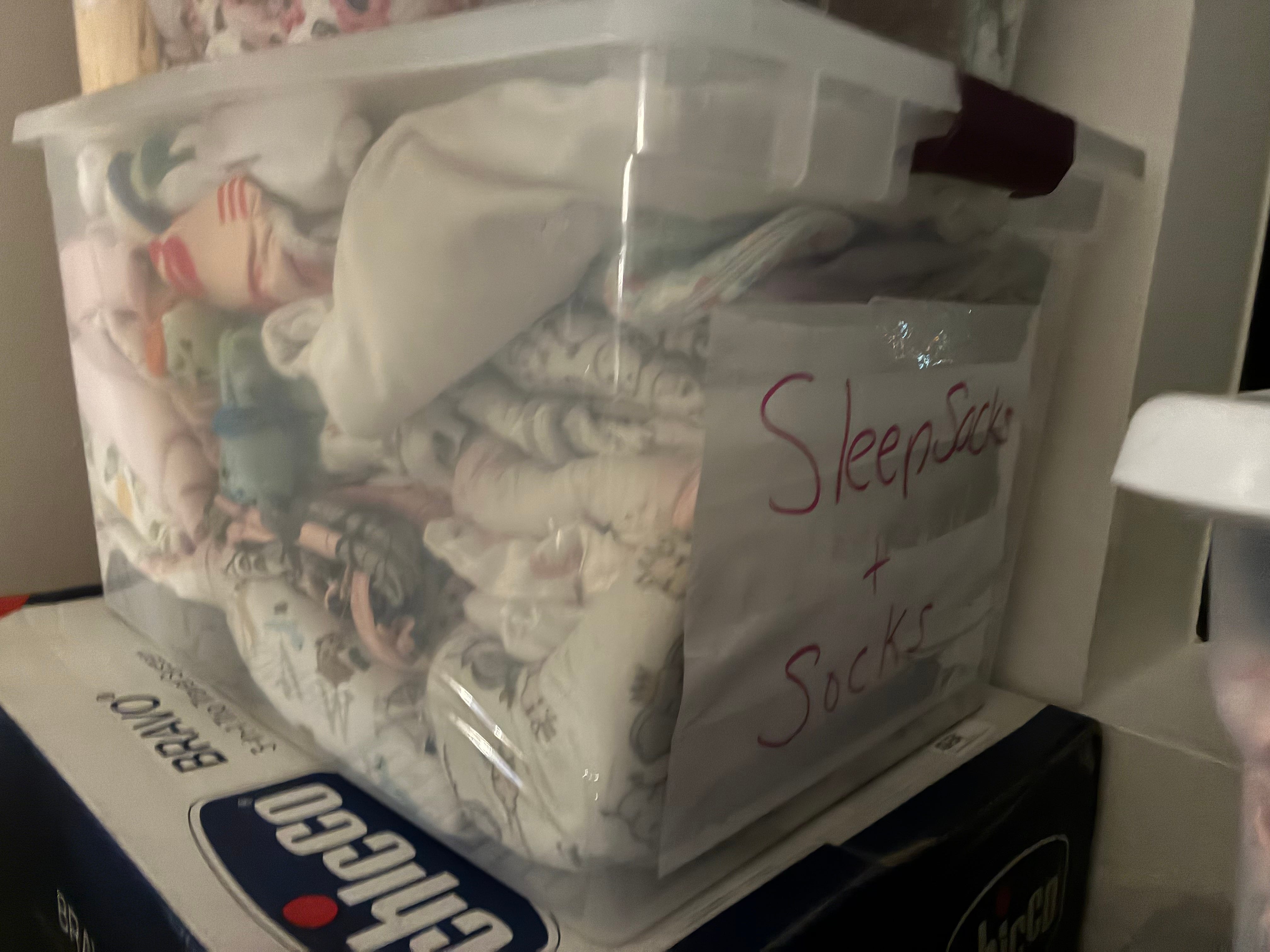
Baby gear = ~$300-$500 (You wouldn’t believe how many people want to get rid of baby stuff they no longer need! Often stuff that’s barely been used. The thing you’ll likely want to buy new is an infant car seat/stroller system. Other than that you can lean on a registry as well as friends/community members with kids for secondhand gear. Also, don’t buy a breast pump - insurance covers it!)
Your health insurance plan’s out-of-pocket max = Because you will most likely meet it! How much that is plan dependent but the average at the moment is about ~$8,000.
Total: ~$8,500-$9,500
Extras:
Self-care budget (think prenatal yoga classes, therapy, prenatal massages, manicures and pedicures, a babymoon to enjoy dinkhood one last time, etc.) = ~$500-$1,500

Miscellaneous buffer: ~$1,000
Total: ~$1,500-$2,500
Grand total: ~$10,000-$12,000
In an ideal world these savings exist outside of your emergency fund. You can think of this as either a $5,000 or $6,000 commitment from each partner.
If you’re planning to have a kid a year from now, that would be $416-$500 of savings each month. Two years? $208-$250/mo. Then, when you are pregnant, you’re spending down that savings for its intended purpose and are hopefully feeling a lot less stressed out about the associated costs as they come up.
What this estimate doesn’t include:
Fertility treatments (see CFP AJ Ayer’s beautiful and detailed article about accounting for those costs)
Classes (Wherever you’re delivering might offer free birth prep and postpartum education classes, so look out for those).
A doula (which can run you about $3,000, though it is free in NYC if you’re on Medicaid. There’s a great resource called JustBirth Space that lets you text doulas for support for free!)
Buying all brand new everything (let yourself get influenced into baby products and accessories you don’t need and this could all be a whole lot more expensive)
Supplementary parental leave income (say, if your place of work offers longer but unpaid leave, or if you’re a solopreneur with no paid leave benefits)
Costs associated with a kid after they’re out of the womb (diapers, day care deposits, etc.)
Anything to prepare for a baby specific to your circumstances (a move into a bigger place or to a town closer to your village, a car, etc.)
Deciding to have a baby is a really personal, spiritual decision. It’s also a serious financial commitment with real downstream consequences. If you are feeling ready to try and would like to try not to end up in debt in the process, getting clear on the (unromantic) numbers can only help in making it all feel a little more manageable.
"I feel like I should be happy," Feindt says, "but I'm really angry about all the years that my family suffered under these loans." - 450K borrowers say they were ripped off. Their student loans are being erased | NPR
“Darby, love, let’s go open my overdue bill on the beach while watching an incredible sunset and see which emotion wins.’ - Darby Hudson’s mom
Think it’s time to finally figure out what’s going on with your finances? I’m an accredited financial counselor who can help. I’ve designed my program, The Good Bones Edit, for money-avoidant souls who don’t know where to begin, but know they want to make a change. If that sounds like you, schedule a free 30-minute intro call whenever you’re ready. Here’s a review from a recent graduate:
What would you tell a friend about the program?
“Wow, I am so grateful to have been able to work with Bethel. I was nervous about money and felt behind compared to some of my peers when coming into my work with Bethel. She helped me identify where those nerves came from in both a familial and societal sense.
We were able to develop an understanding of my values around money and feeling alive. I feel more comfortable with money, understand how to save in little increments over time that work within my budget, and know what things are worth spending money on for me.”
Do you think the program is a good value?
“Yes, experiencing a diminished sense of discomfort around money was worth it!”
-S.B.
Thanks S.B.!
Comments
Nothing yet. Say the first thing.
Sign in to join the conversation.