
[Image: Andrea Lightfoot for Unsplash]
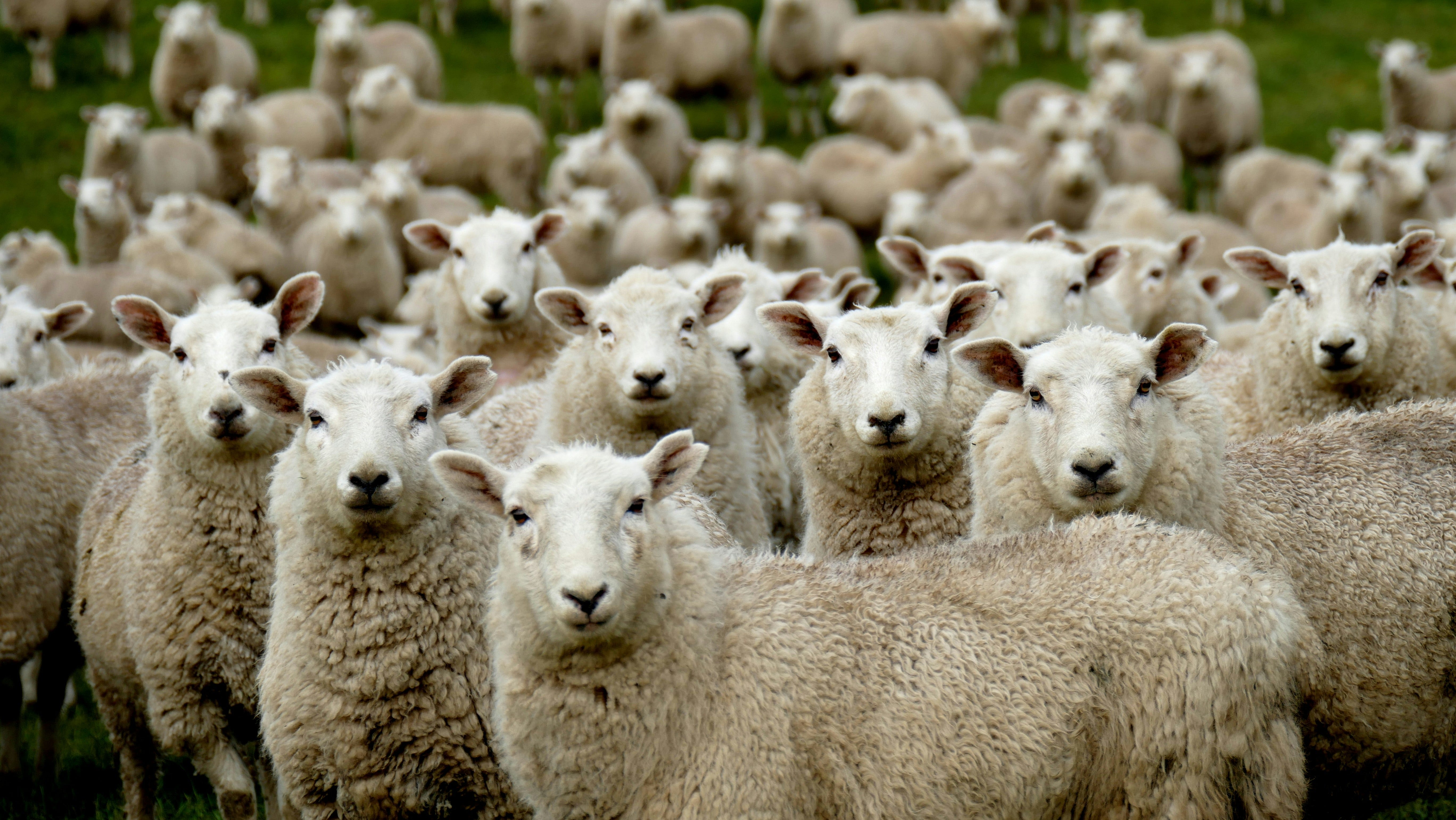
It was spring in Wales. The hillside sloping away from the old manor house was moist and dewy; dotted with clusters of soft white where sheep and their new lambs wandered through the long grass, knee-deep in wildflowers. The moment was serene — the kind of all-too-brief interlude that always lulls me into thinking that if I stand still and don’t look too closely, the world is bright and calm and shiny.
That’s the kind of daydreamy thought that gets me into trouble every single time, and this particular morning was no exception. The setting was Conrah Country House Hotel in Aberystwyth, an idyllic Welsh estate that had welcomed me as a guest on an editorial mission to explore ancient Welsh healing traditions. At the time, I was the travel editor at a magazine focusing on holistic health and wellness, and this planned feature would cover everything from water cures and botanical therapies to farms and estates (such as this one) devoted to organic food production.
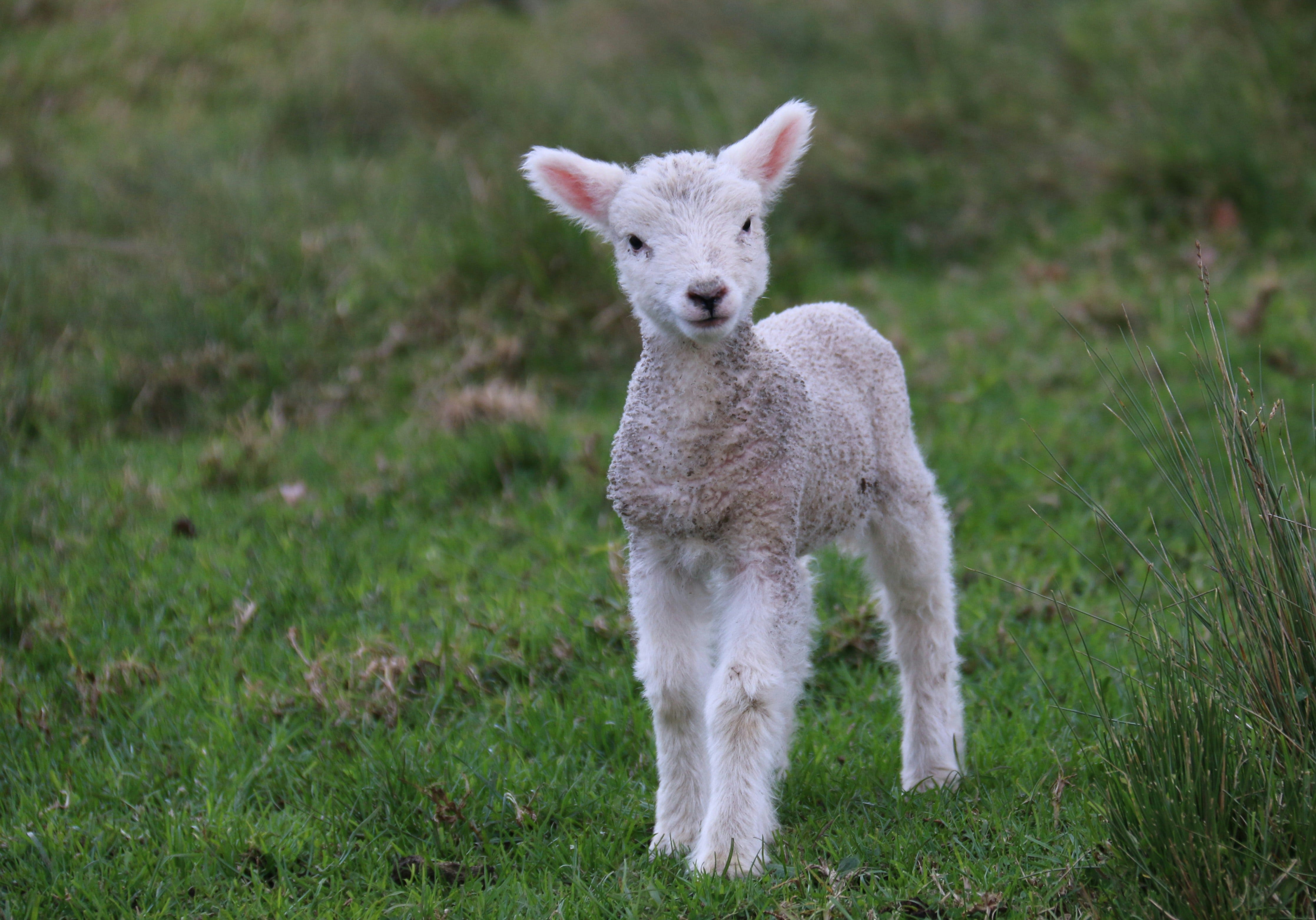
The manor house was elegant — old and slightly creaky in a grand, PBS Masterpiece period drama sort of way. I loved every corner of it: the drafty fireplaces, dangly chandeliers, worn carpets, and the labyrinth of hallways that seemed to circle back on one another without actually going anywhere. That morning, gazing out at the sheep, I made a quick call to my editor, effusing about the air, the scenery, the sheep.... the lambs. The lambs were almost too adorable to be real, I reported, which gave my boss his Great Cover Idea: this issue would feature me, his travel editor, holding a little lamb, backdropped by the countless greens of the Welsh countryside spread out in the behind me. Go and get and me a cover image, he directed.
Done! I remember saying, with no clear understanding of the adventure ahead. My husband, who had traveled with me, was assigned the task of snapping a few photos that could be sent along to the art director. Piece of cake, right? Didn’t everyone always remark about my remarkable rapport with animals? Surely all I had to do was walk down the grand steps from the manor’s wide back verandah, make my way into the sea of green and scoop up a fluffy spring lamb.
[Image: Bill Fairs for Unsplash]
If you’ve ever tried to pick up a wild lamb in a wide meadow — and why would you? — you’d discover almost immediately that actually catching one is the very definition of a fool’s errand. You’d learn how incredibly fast and agile they are, how fiercely protective their mothers can be, and that the green, sloping hillside that seemed so magically sublime from a distance is actually covered with a with an incalculable amount of slick, smelly sheep poo.
In no time at all, so was I.
Friends know that one of my most well-developed traits is tenacity. I rarely give up, and only under great duress. Catching a lamb and escaping the headbutts of their mothers became a personal quest. An adventure. An epic challenge at which I failed, miserably and completely.
After twenty minutes or so of slipping, falling (and yes, swearing), I was covered in sheep excrement and still didn’t have a single lamb on my scorecard. My husband, doing his best not to collapse in laughter, finally convinced me it was time to stop. He wanted breakfast, and he wanted me to take a long, hot shower. Reluctantly, I began the climb back up the hill, only to be met with a sight that’s still etched in memory: most of the house staff were lined up on the verandah, watching me with a mix of astonishment and undisguised amusement. Attempting (unsuccessfully) to exude an air of quiet dignity befitting any losing team, I walked past them, saying good-morning on my way to the door. Two of the maids were whispering, and I heard them clearly. One asked “Is that the American woman?” while the other responded, “Of course it is.”
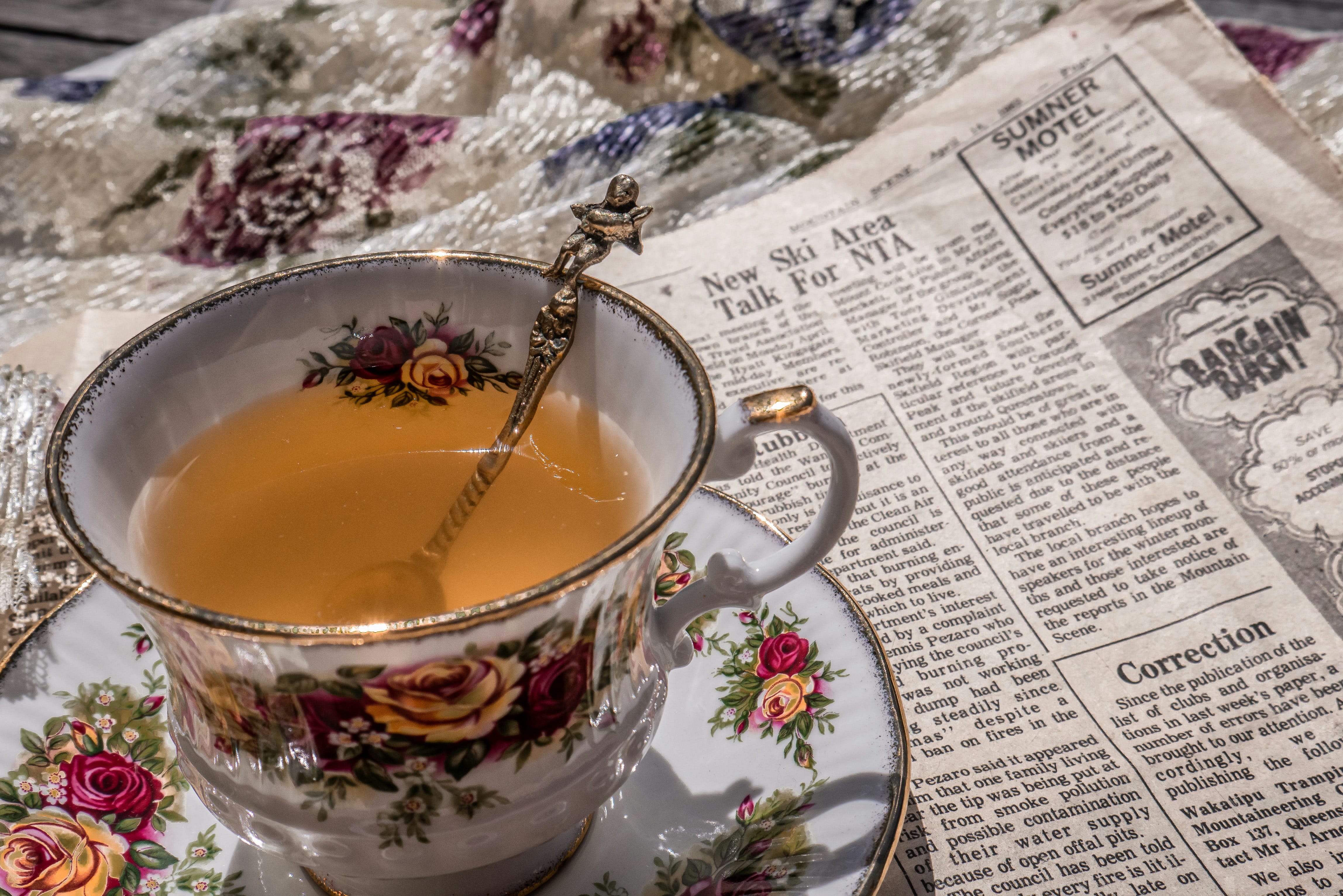
After a very long shower with a large amount of lavender soap, my husband and I went downstairs to the dining room. James ordered his morning coffee, but I grew up in a family that preferred tea. There was a beautiful silver service on the table, and I reached for the milk pitcher and sugar bowl. I usually don’t take sugar, but by now, I was feeling a little spent and completely out of sorts.
When the first sip passed my lips, I fought (hard) to not spit it out. It was, without doubt, the most awful tea I’d ever been served. Thoughts raced through my mind. Was it a special house blend? Would I be insulting if I asked for a different pot? Were my senses temporarily damaged from all the sheep droppings I’d just encountered?
Hesitantly, I nodded toward the waitress, who had been watching our table from beside a carved wooded sideboard. Could she please, I asked, bring me another pot of tea? She raised both eyebrows, but did as I asked, taking away the still-full pot on the table and my mostly untouched teacup.
[Image: Katelyn G for Unsplash]
I repeated the tea preparation ritual of milk and sugar, adding a little more sugar this time, and tentatively took another sip. It was even more awful than before. The waitress, who was watching me, strode over to the table.
“How is your tea?” she asked. Her tone and manner reminded me uncomfortably of a junior high school principal who had once reprimanded me for riding my horse to school (it was a dare).
“I’m afraid it tastes a little strange to me,” I responded, striving for a gentle honesty. Before sweeping away in her starched apron — and in a voice that I felt was much louder than necessary — she said, “Perhaps it’s all the salt you’ve been adding to it.”
I stared in dismay and sudden comprehension at the small silver bowl. Salt. Not sugar.
I’ve been drinking tea for a long, long time. I average about four cups a day, and my tea consumption dates back to early childhood when my French grandmother used to fill my bottle with warm, milky tea as a way to curb what I’ve been told was an impressive capacity for expressing myself vocally, even during infancy. Coffee, on the other hand, triggers an immediate and debilitating migraine reaction within me, and I avoid it completely. Tea is my liquid solace. To be judged as unskilled in its preparation was bleak.
Still stinging with embarrassment over lambs and tea, I prepared for departure, though we were originally meant to leave early that afternoon. We were driving to the small village of Holywell on the northern coast to visit the sacred site of St. Winefred’s Well, where waters from a spring discovered centuries ago by Roman soldiers is still believed by many to hold special healing properties.
Eager to be on our way, and hoping to reach the car without encountering anyone, we headed downstairs — but the hotel staff were well aware of our impending exodus. When we reached the desk, the day manager was waiting. He smiled at me, his expression genuine and kind, and gestured toward the drawing room. “We’ve set out a little something for you to enjoy before your journey,” he said. “Jam cake and tea. And you needn’t worry — we’ve taken all the salt off the table.”
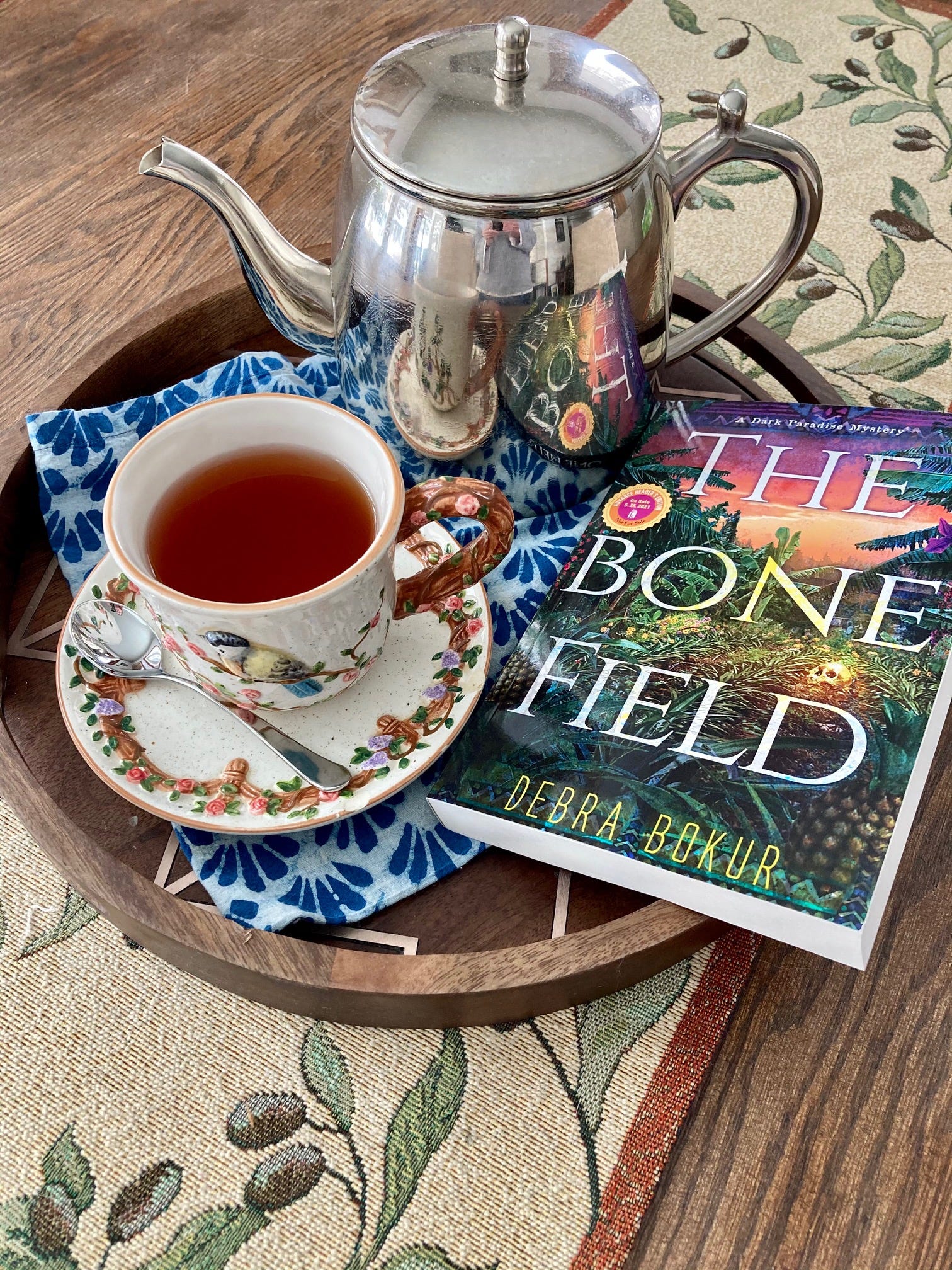
There’s no way to know, but I suspect that every now and then, the staff of the old manor house hotel might still whisper about the strange, sheep-chasing American who had no idea how to properly prepare a cup of tea. That’s fine, I suppose. I’ve always dreamt of being a legend.
[Image: Debra Bokur]
Thanks for reading Detours From Wonderland! This post is public so feel free to share it.
Comments
Nothing yet. Say the first thing.
Sign in to join the conversation.