
Now, those who know me in person, will know I am incredibly shy and introverted. I find it very difficult to push myself forward and really struggle when amongst large groups of people, especially strangers. (By ‘large’ I mean groups of about 4 people, more than that and I’m looking for the nearest tree to hide behind.) So volunteering didn’t immediately seem like it would be for me. I don’t mind admitting I was pretty scared about it. Volunteering is said be good for our mental health, reducing anxiety and loneliness, and giving a sense of purpose. I can only speak from my own experiences, but I hope sharing this might help someone.
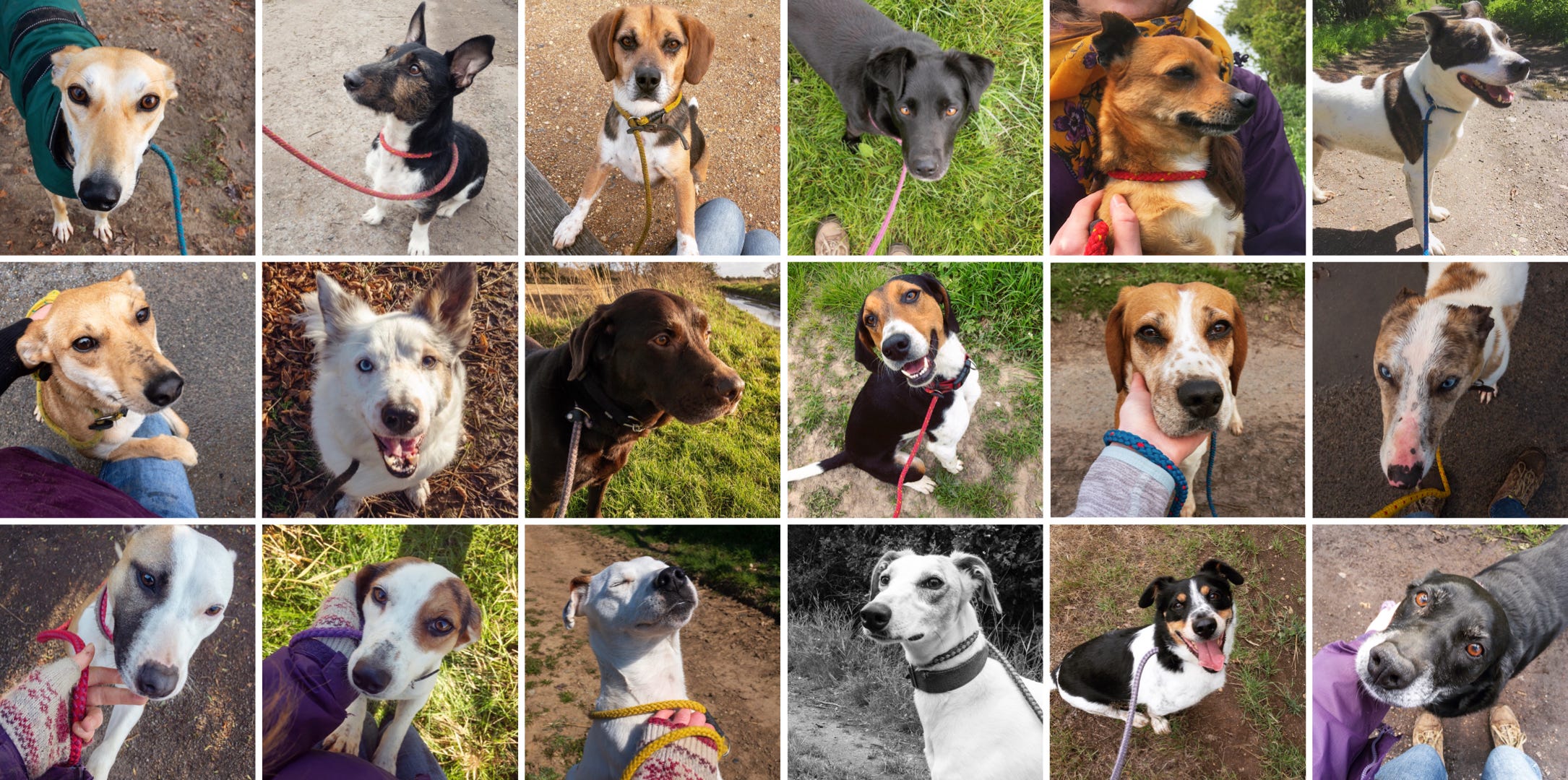
I began volunteering after a change in life circumstances, which was a very difficult time. I was trying to find my ‘new normal’ and sometimes sinking into very low moods. You may well be coming at this from a different angle to me, but at the time, I knew I needed to make some sort of change to help lift me, and bring me back to myself. I read repeatedly that volunteering can help, but initially I dismissed it, thinking I would be far too shy and feel too uncomfortable to try it. Then I happened to see an appeal from an animal rescue charity, inviting people to walk dogs at the rescue centre. This seemed a gentle introduction to the world of volunteering, a walk in nature with a canine companion, no pressure to interact with people and no pressure to commit to a rota. I gathered my bravery and set off to the rescue the following weekend. Anxiety and doubt of course kicked in during the drive, but when I pulled into the car park I decided there was no going back. A few minutes after quietly enquiring at the reception desk I found a lead being thrust into my hand and a pair of big brown eyes looking up expectantly at me. I made a fuss of my new friend and set off up the track. She was a lovely soft Labrador cross, grateful for being out of her kennel, and happily living in the moment as dogs seem to do. As I handed her back after a nice relaxing walk, the staff member just said ‘another?’ I answered yes before I could stop myself. A little terrier this time, trotting neatly along beside me. Long story short, I went regularly and often walked several dogs during each visit. Every time, I came away lifted, sometimes muddy, but always feeling more peaceful and soothed. Something else happened too. One day I was walking a cute little Beagle back to the centre, when a couple came over to say hello to her. I suddenly found myself telling them all about her, with a confidence I never knew I could have. Then Covid happened, various restrictions came into force, and the rescue had to formalise the volunteering process. Unable to commit to set days due to work, I sadly had to stop.
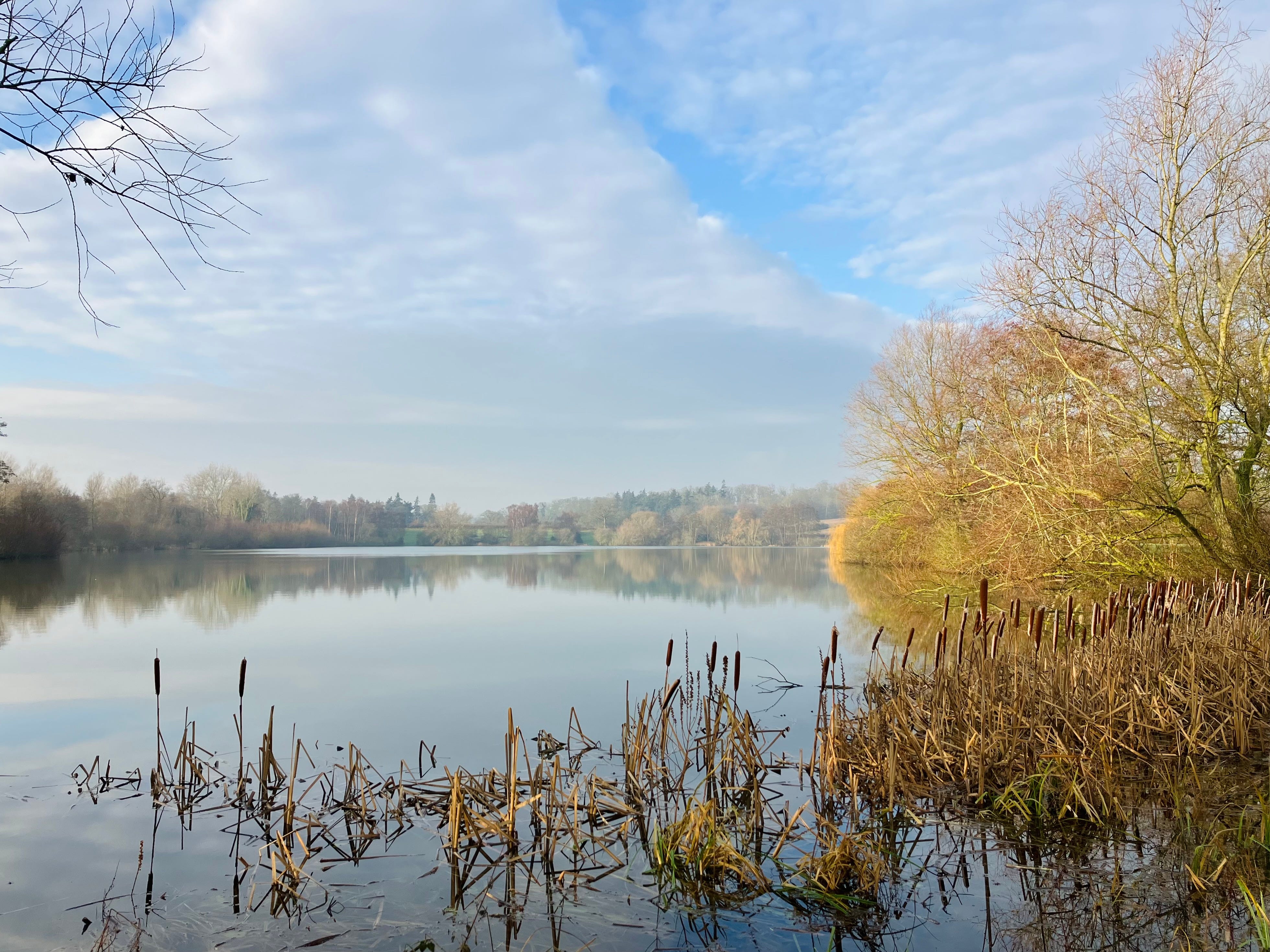
The volunteering bug had bitten however, and I began searching for a new opportunity. After some research I found the BTO’s Wetland Bird Survey, a site survey for water birds, which has been running since 1947, providing vital information for scientists and researchers. This was a new challenge altogether. The sign up process was quite easy online, and I was allocated a site about 20 minutes drive from home. Tracking down the landowner was a little tricky, but after a bit of detective work I made contact, and he was very happy to allow me on site to count the birds. Carried out on a set date, one Sunday per month, with the results recorded online, this is a great project to be part of, simple in procedure and easy in terms of time commitment, which is always my main concern when working full time. It’s a lovely excuse to get out on a Sunday morning and watch wildlife! The birds are counted in a similar way to the ‘Big Garden Birdwatch’ i.e total number seen at a time, to avoid counting the same birds repeatedly. It’s a privilege to be given access to a private site, and I’ve had a few surprises turn up. Like the lone Avocet circling over the deep dark waters of the gravel pit one early morning, a gorgeous Little Gull fishing, watching Mute Swans ice breaking in -7 degrees Celsius, or walking through clouds of dancing Banded demoiselle damselflies in summer, or the flash of blue as a Kingfisher dashes past. There is always something happening and it’s a pleasure to watch the turn of the seasons and the changing cast of characters. I’ve been counting the birds at this site for very nearly 6 years now, and still really enjoy it. I highly recommend this one if you’re interested in getting into volunteering and have a reasonable knowledge of water birds, but are a little short on time.
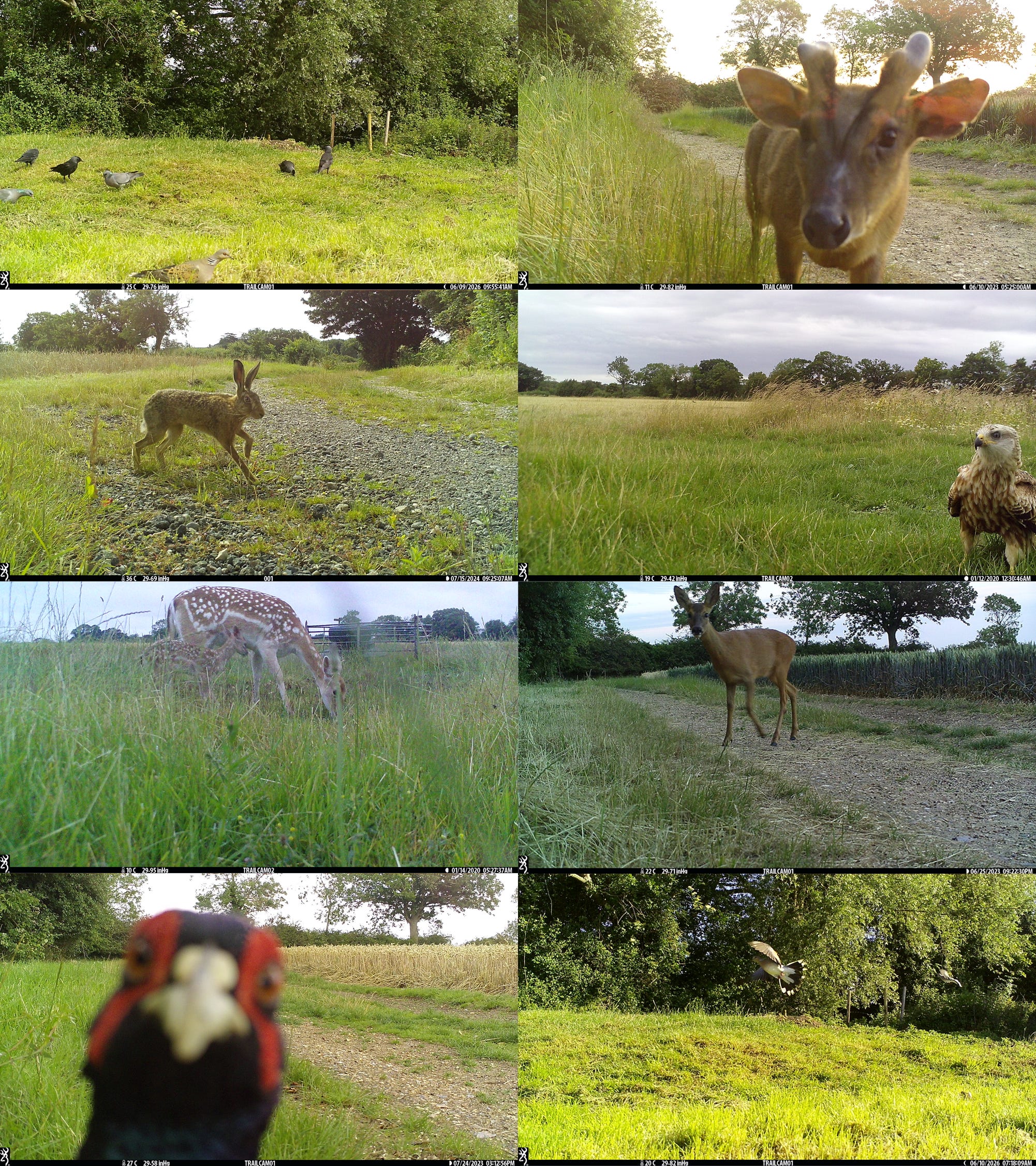
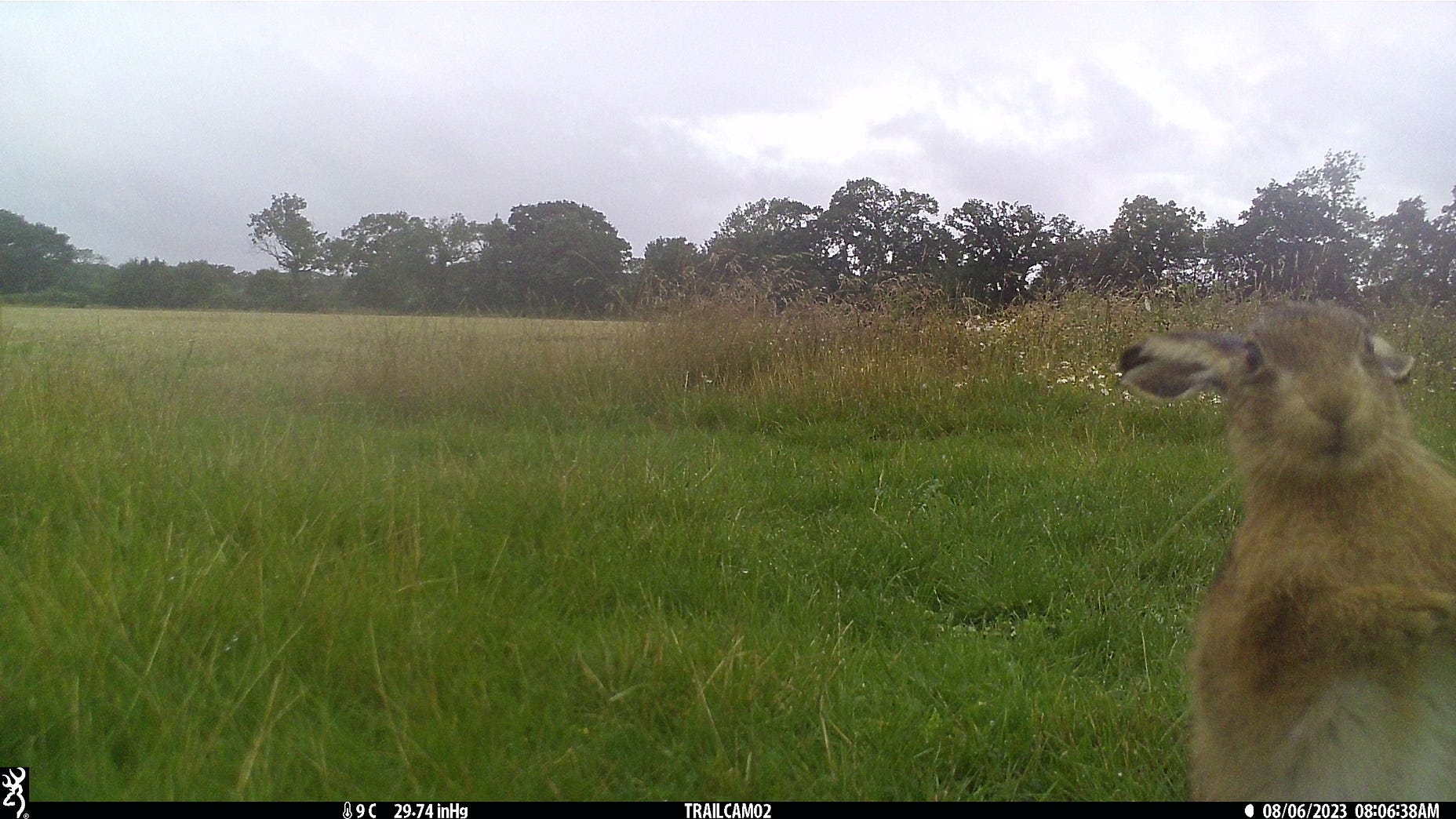
The next opportunity that came up, was so close to my heart, that I just had to get involved. It was about a species of bird that inspired me many years ago and first opened my eyes to the world of conservation. On my old blog I seem to have written at least 10 articles about this precious bird - the Turtle dove. The volunteering opportunity was quietly advertised in a wildlife magazine, just a few lines, asking for volunteers to survey for Turtle doves. I leapt at the chance, made contact with the organiser at the RSPB, and was allocated a 1km square to survey. Two visits required, a set number of weeks apart. I scoped the site out on foot to make sure I could access enough of it to accurately carry out the survey, and fortunately a network of footpaths and lanes covered the area. This did mean recalling some slightly ropey map reading skills (thanks GCSE Geography) to define the edges of my allocated area. To my disappointment however, my square did not contain any Turtle doves. I walked, and listened, and walked and searched, but not a whisper of that gentle purr was to be heard. I reported back, a nil result in science is just as important as a positive. I worried. The birds of my childhood, were they beyond saving? After the survey I was invited to take part in camera trapping, an obvious choice for a Turtle dove loving photographer! This involved meeting with farmers and landowners, and setting up camera traps, then downloading and recording the data. I love camera trapping, you just never know what you might capture, and it’s wonderful to see wildlife going about it’s daily life. The cameras have certainly captured some interesting moments over the years, beautiful hares, a stunning Red kite, photo bombing pheasants, naughty deer, (I once had a herd of Fallow deer take a liking to chewing the cable ties holding the camera to the post, throwing the camera to the floor and tossing it around, the camera valiantly carried on taking pictures, until the deer managed to detach the battery compartment!) and finally of course, the Turtle doves.
This brings me to my final point. Farmers often get a really bad rep in the media, so many times a finger of blame for the decline of a species is pointed firmly at the hardworking people who are trying to grow our food as well as feeding their own families. My experience is so very different to this. The farmers and landowners I’ve had the pleasure of working with both as a conservation volunteer and in my job in the agricultural sector, are often passionate advocates for conservation, most are trying to do all they can to help wildlife on their land, from restoring ‘ghost’ ponds, creating beautiful flower rich margins, to simply deciding not to trim a hedge because it might encourage Turtle doves. To see these people, tough and sometimes covered in engine oil, lighting up when they speak of the Lapwings on their fields or excitedly telling me that they heard not one but two Turtle doves purring in their hedgerow, is inspiring and gives me hope for the future. It’s not perfection, and the effort and passion does vary, but there are real people out there really trying to make a difference, and I think that should be celebrated, supported and encouraged.
Last final point, honest. If you have ever considered volunteering, do give it a try, there are many different opportunities out there, not just surveys, but all sorts of things, from physical work on nature reserves, to office work, to community gardening, to cat cuddling! I'm not going to tell you that it cured my anxiety, but it certainly has subtly improved my confidence, and in writing about it now, I believe it has improved my wellbeing too. I feel more connected to the causes that matter to me, and feel like I’m making a (small) contribution to science and conservation. So if you’ve been thinking about giving it a go - please do try it!
Have you done any volunteering? I’d love to hear about your experiences, whether volunteering for nature or for a different cause, let us know in the comments!
Resources:
The Conservation Volunteers: https://www.tcv.org.uk/
The BTO (British Trust for Ornithology): https://www.bto.org/get-involved/volunteer
RSPB (The Royal Society for the Protection of Birds): https://volunteer.rspb.org.uk/
The Wildlife Trusts: https://www.wildlifetrusts.org/volunteering-opportunities
Thanks so much for reading, please do leave a comment, I’d love to hear from you!
Until next time,
Dawn.
Enjoyed this? Share it with a friend!
Of The Wild is a free publication, however if you enjoyed this article and would like to express your support, you can now buy me a coffee over on Ko-fi.
Comments
Nothing yet. Say the first thing.
Sign in to join the conversation.