
Earlier this year I embarked on my Caribbean voyage to explore an extraordinary piece of land on the island of Roatan that belongs to Honduras. I wanted to experience first-hand what I have been hearing of for a couple of years by then — the special economic zone that is truly special — Prospera.
There are roughly 5 000 special economic zones (SEZ) around the world, but only a handful are interesting when it comes to legal and economic framework. Prospera is one of them. While I currently live in another Johor - Singapore SEZ, it can not be compared when it comes to legal sovereignty, unfortunately. At least not yet. On the last weekend of November, Honduras held presidential elections that will largely determine Prospera’s future. And I’d argue it will also shape the pace of SEZ and charter-city development globally.
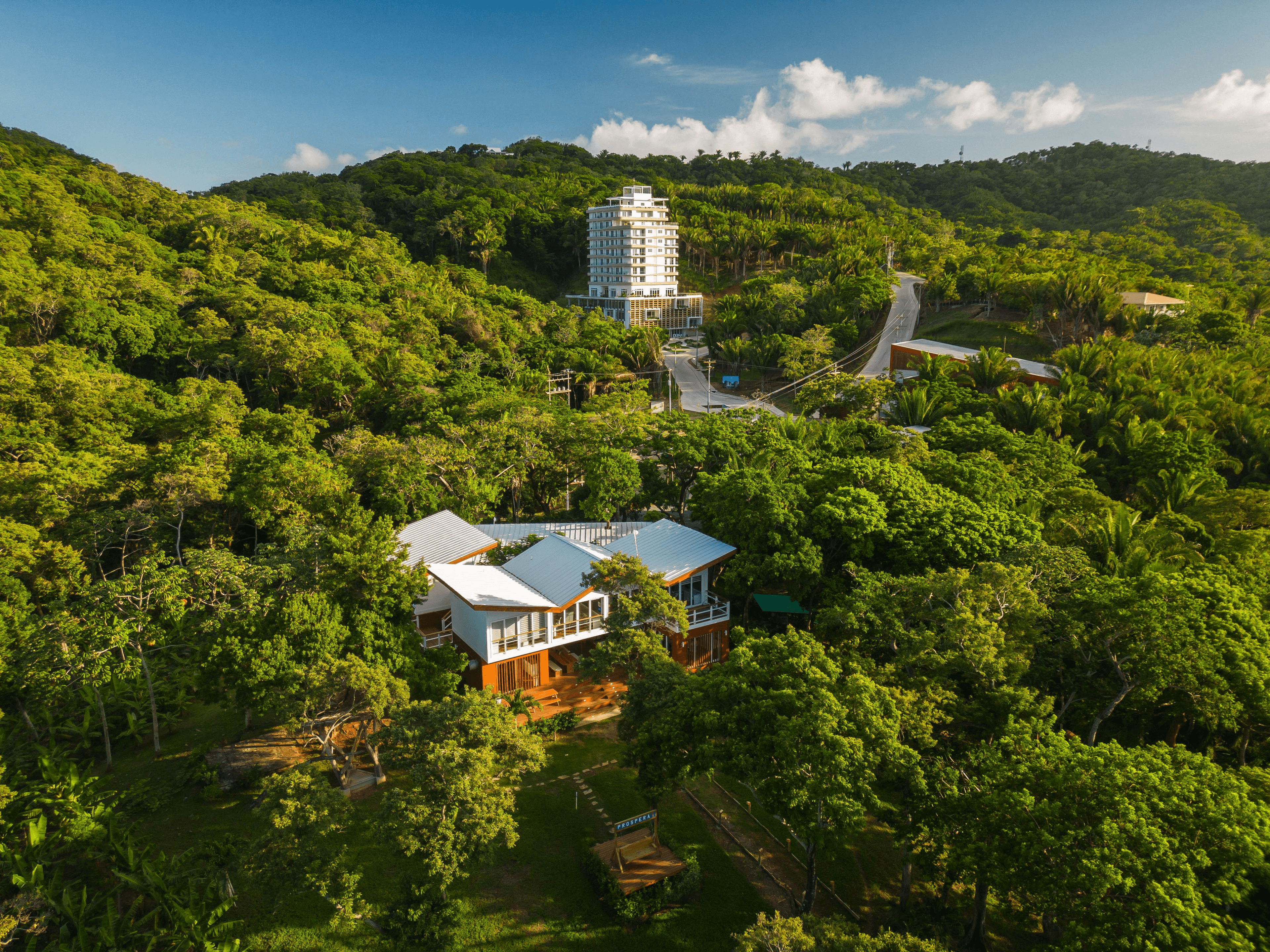
But before we get to the potentially worldwide implications of the Honduran elections, we need to understand why Prospera is important. Where Prospera truly shines is their legal framework. Polycentric legal system that allows companies to choose from multiple regulatory regimes the one that fits them best. They can choose to subscribe to existing regulatory frameworks for their industry abroad say DIFC in Dubai, AI regulations in the EU, or the FDA rules in the US.
If none of the existing frameworks work, they can choose to create tailored regulation for their particular business case, alongside with the Prospera regulatory bodies.
Ultimately, they can opt out of any regulation whatsoever, and be personally liable. Their choice is reflected by the insurance premium they pay as a business though. The only laws Prospera shares with its host country — Honduras — is the criminal code. In the commercial side of the law they are fully autonomous. Combined with the libertarian leadership the jurisdiction sets up for an interesting experiment.
What this feature enables is indeed remarkable. It lets bold entrepreneurs to innovate in the areas where regulatory bodies don’t manage to keep up with the pace of industry development. Which is true across any industry. While Prospera has created an environment that fosters innovative startups, this charter city is a startup itself.
Similarly as any startup looking for their product-market-fit, Prospera focuses on industry clusters that can capitalise the most form its unique legal framework. You can hear more about this in a new great interview with Patri Friedman the pioneer in the Charter City space. Coincidentally, Patri’s father, David Friedman wrote one of the best books on the way free societies operate — The Machinery of Freedom. It is well simplified in this video. And Patri’s grandfather, Milton Friedman, won the Nobel Prize for Economics and has been one of the most influential economists of all times.
One of the industry clusters of focus for Prospera is biotech. The companies incorporated in Prospera can test in prod their cutting edge technologies. For biotech and gene therapies, this is especially suitable. The cost of going to market when it comes to new drugs and gene therapies has skyrocketed over the last decades. The main hurdle is the prohibitive regulation that imposes costly compliance that slows down the process of drug development. In the grand scheme of things the costs of safety we pay as a society is likely measured in millions of human lives that could have been saved if the process would be more agile and less risk-averse.
Prospera works with the notion that humans should be free to decide what treatment they want to test on their bodies, even if it is experimental.
The longevity pioneer and entrepreneur Bryan Johnson has famously went to Roatan to edit his DNA in Prospera. There is a full documentary movie about it on Netflix. If you don’t have Netflix you can check his video below.
Apart from that, Prospera made it really easy and fast to incorporate companies in their jurisdiction. You can get your residency in a few minutes and set up a company in a few days. Most recently, Prospera introduced its new Lump-sum tax regime where you pay $5,000 annually regardless of your income and profit. You get full e-residency access, a recognized tax certificate, and an incorporated company. To keep the residency you need to spend there 7 days a year. This deal is pretty competitive in the realm of offshore jurisdictions. If you are interested sign in here!
I must admit, as a libertarian, Prospera made also the process of filing your taxes quite pleasurable.
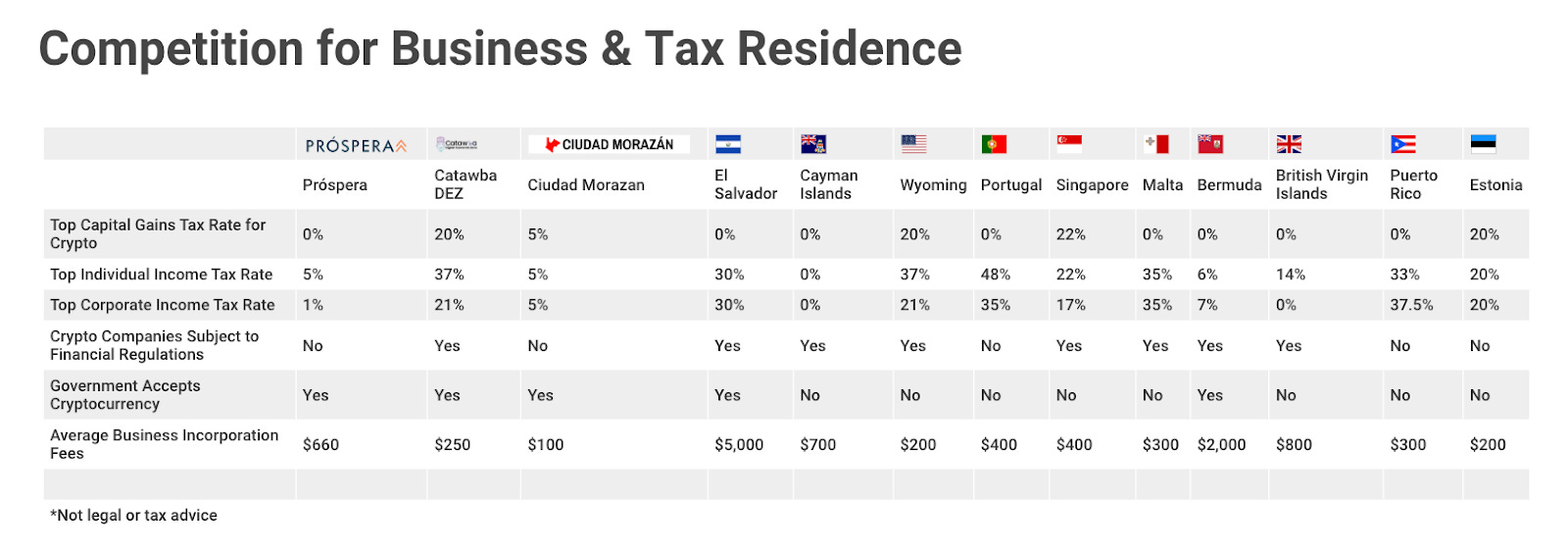
For those considering to set up their residency or a company in Prospera feel free to dive deeper in this piece by Niklas Anzinger who lives in Prospera and runs Infinita, where he elaborates further on what it means to operate from this jurisdiction.
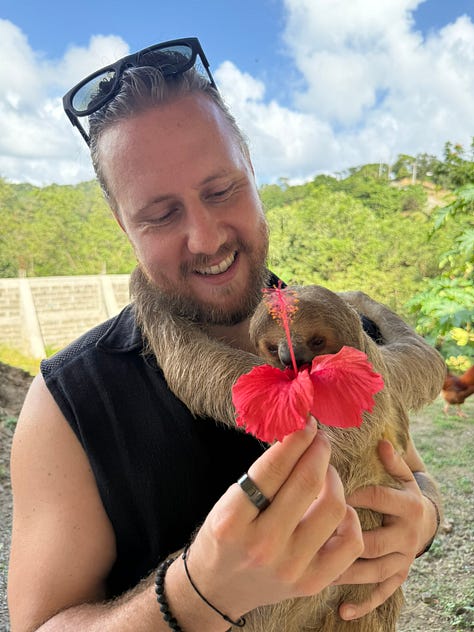
Now, apart from being the most free jurisdiction in the world, Prospera happens to be located in the Caribbean paradise with coral reefs that are part of the Mesoamerican Barrier Reef, the second largest barrier reef system in the world. Diving and snorkelling there are a divine experience. Even though the island is kinda pricey, it offers some beautiful beaches and opportunities to encounter insanely cute species from the animal realm. Some of them you can see on my pics below. Even if you are not an entrepreneur, crypto and network cities enthusiast, you can have a nice time there.
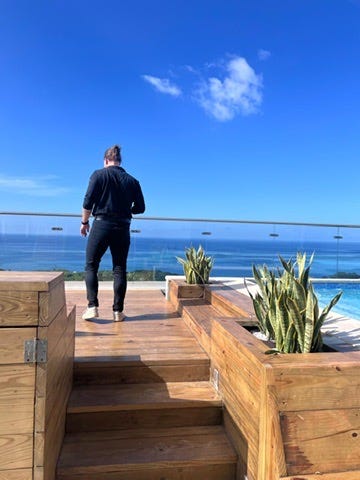
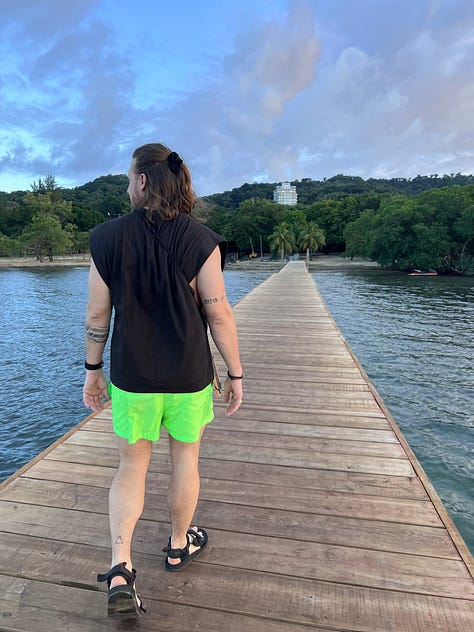
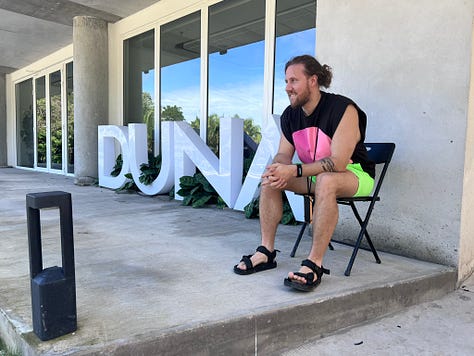
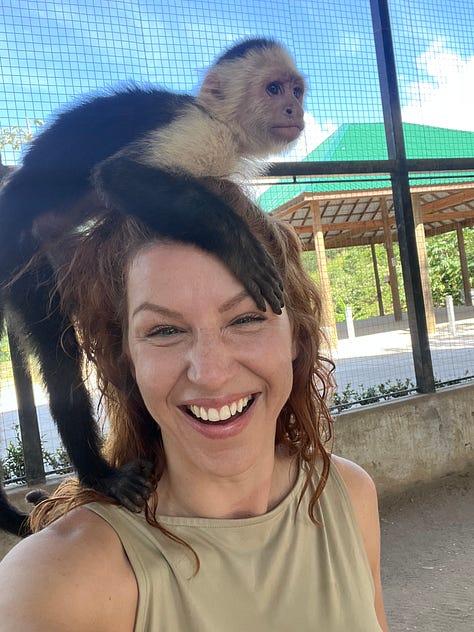
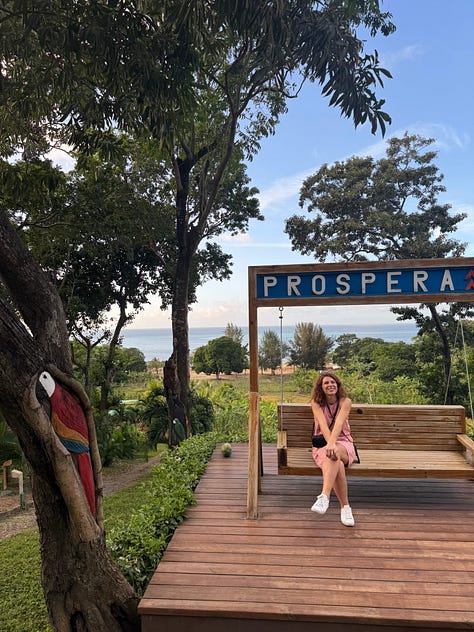
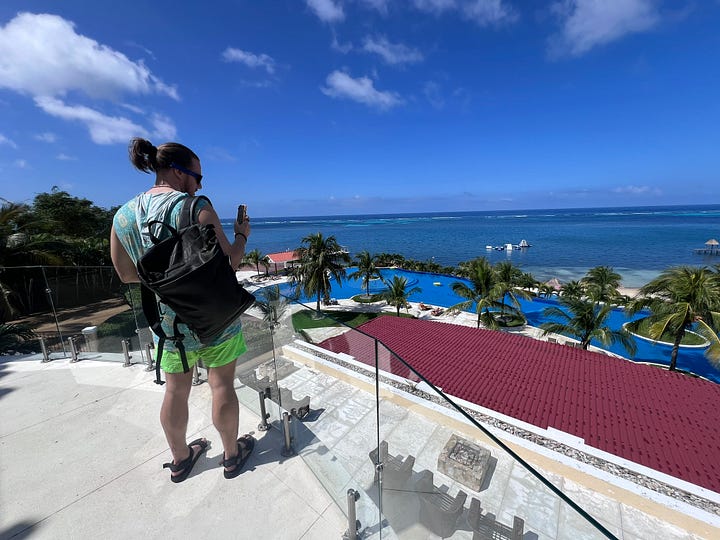
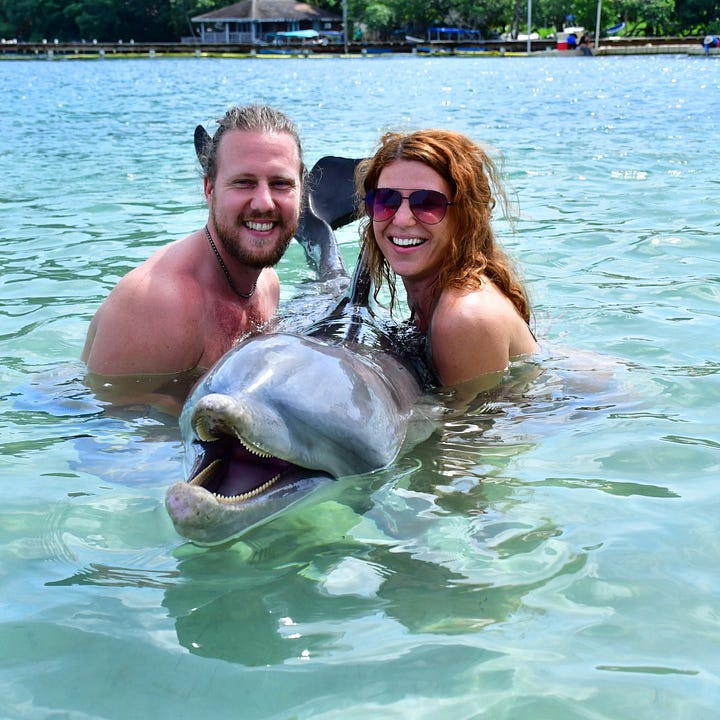
There are two major challenges when in Prospera: sandflies and the current leftist government. While the former suck your blood the latter sucks wealth and prosperity out of the country. The current government in Honduras, is led by President Xiomara Castro from the left-wing Liberty and Refoundation (LIBRE), and it makes really hard for Prospera to move forward and develop. Honduras is one of the most dangerous countries in the world, and at the same time one of the most sued countries globally in terms of the volume and value of international legal claims against it, totaling almost $20 billion. Actually, more than half of it is attributable to the legal dispute the country has with Prospera.
Quick timeline overview of the legal milestones in the Prospera story:
2013: Honduras amended its constitution to allow the creation of Zones for Employment and Economic Development (ZEDEs), enabling special economic zones with their own regulatory systems, including Próspera.
2015-2017: The ZEDE framework was implemented, with Próspera registered as the first ZEDE project on Roatan island, aiming to build a tech-friendly, investor-attracting city.
2021: Próspera publicly launched and began attracting investment, businesses, and residents under its special governance model, promoting itself as a libertarian enclave with corporate governance and digital innovation.
July 2022: The Honduran Congress repealed the ZEDE legislation through the “Anti-Charter City Law,” declaring ZEDEs illegal and unconstitutional under national law; the government ordered cessation of operations.
December 2022: Próspera and affiliated investors filed a $10.775 billion ICSID arbitration claim against Honduras, citing violation of bilateral investment treaties and international law protections guaranteeing legal stability for 50 years.
Early 2023 to 2024: Several legal battles unfolded, including a Supreme Court ruling in Honduras declaring ZEDEs unconstitutional and nullifying their legal foundation.
August 2024: Honduras notified its intention to withdraw from ICSID arbitration jurisdiction amid the ongoing case related to Próspera and other ZEDEs.
October 2024: Despite conflicts, some business and e-residence activities in Próspera resumed under negotiated technical agreements, signaling partial compromises for economic continuity.
2025: Próspera continued to advocate for its legal status internationally, receiving backing from some investors like Coinbase and promoting development efforts, while the Honduran government maintains opposition and seeks to assert full sovereignty.
November 2025: The conservative pro-SEZ candidate Nasry “Tito” Asfura winning presidential elections
Prospera has had to battle a tough fight against the leadership of the very country it hosts it, in the last years. Despite these hardships that deterred foreign investments Prospera managed to make progress, build, and develop not only the land but also its community and ecosystem. Now under the new leadership that actually supports the concept of Special Economic Zones (or ZEDEs as used in the Honduran lingo), chances are Prospera can finally start to flourish, attracting many more residents and business alike.
Even as of now, a few weeks after elections, there is no officially declared winner of the elections, and there is a lot of drama going on there. I will trust Polymarket on this and assume Nasry Asfura is going to be confirmed as the official winner. For the sake of this post, I assume the results are going to be legitimate and I focus on what the new leadership could mean for Prospera and the wider Network State movement.
As with any politicians, you never know what you are really getting into. But new Asfura’s government support could mean the following:
Reverse or soften the current bans and legal challenges on ZEDEs, restoring their legal framework and autonomy.
Facilitate negotiations to resolve arbitration disputes with Próspera, potentially avoiding costly international litigation.
Promote policy reforms to attract further foreign investment and development in Próspera, accelerating its growth as a special economic zone.
Improve regulatory certainty and protections for businesses operating within Próspera.
Support infrastructure and governance improvements aligned with Próspera’s libertarian and innovation-driven model.
This election could mean significant boost for the future prosperity of Prospera. And I believe the story of Prospera is really important. For us as humankind. It can become the new benchmark for charter cities, which will raise the bar higher across the whole landscape of special economic zones. It can provide us with latest data points on why free trade zones truly have the power to accelerate economic growth, get people out of poverty, and bring prosperity even to the places on the economic periphery. Nowadays, many people have forgotten already the story of successful city states.
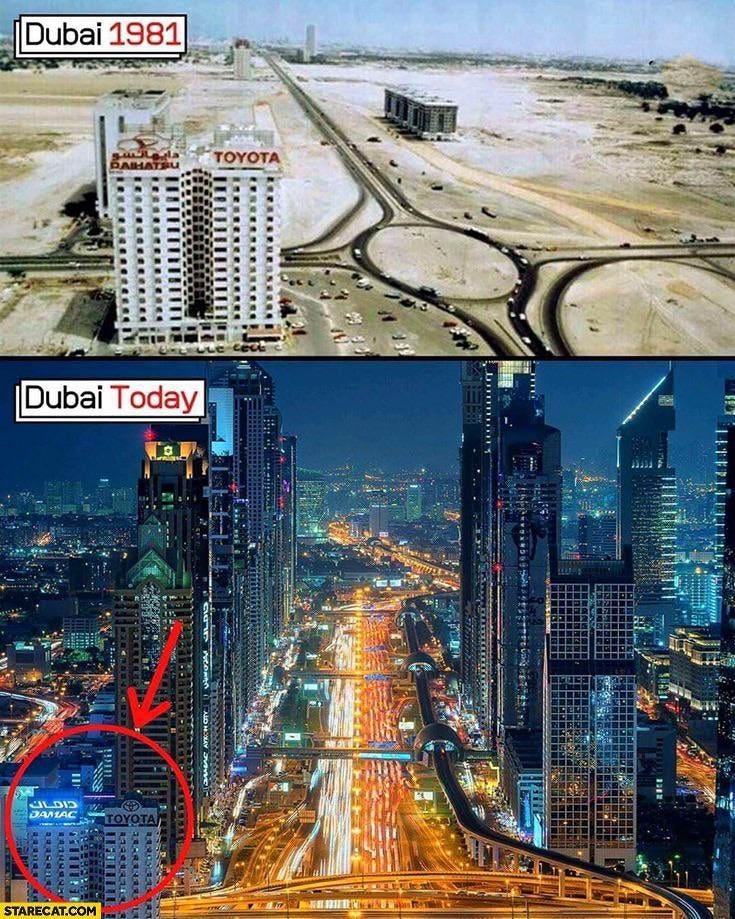
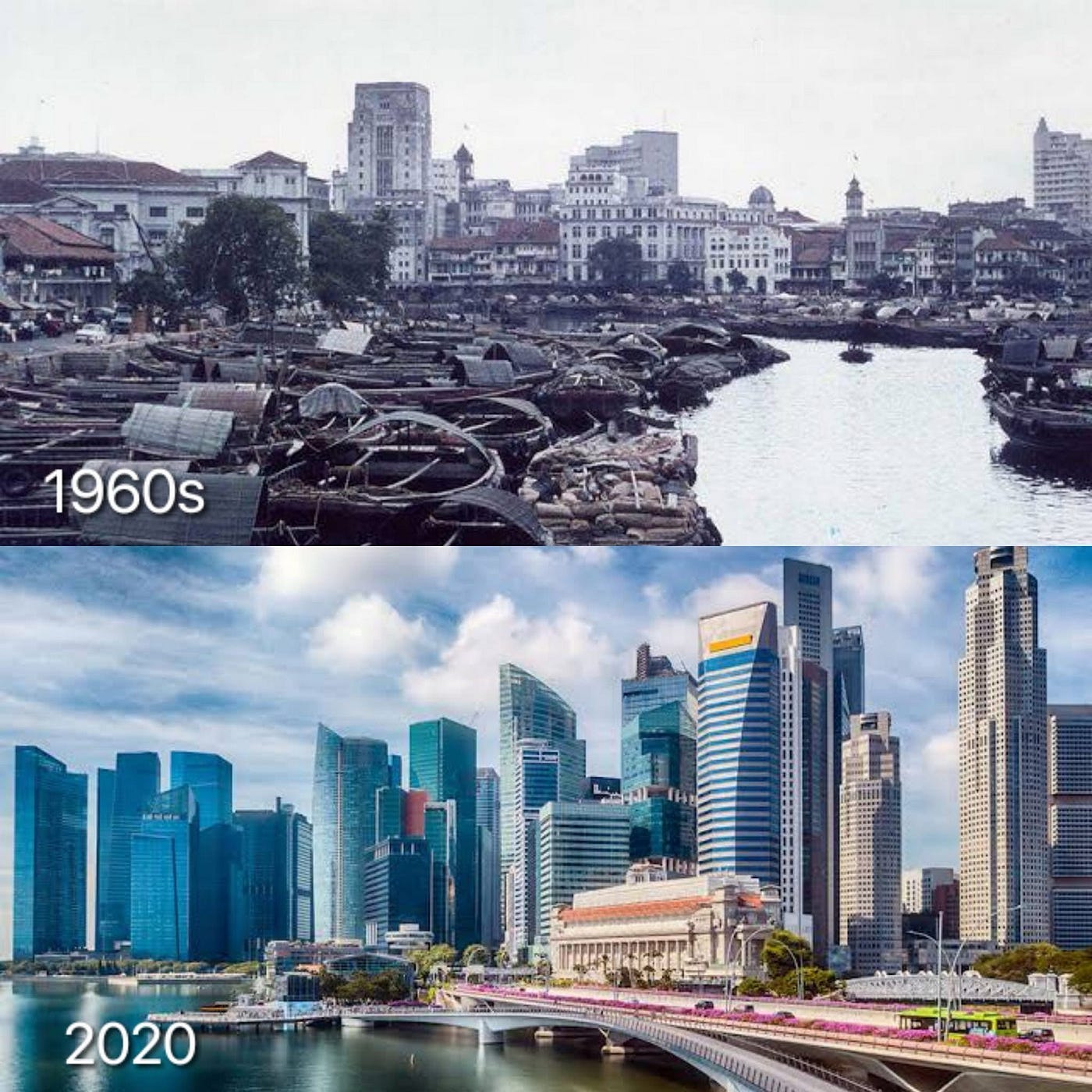
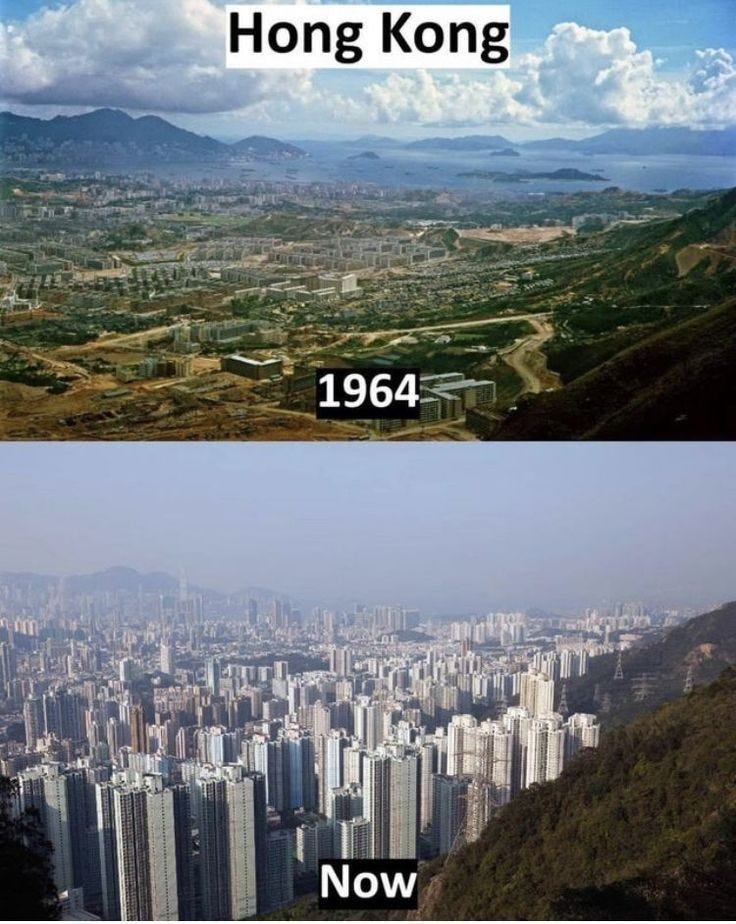
Dubai, Hong Kong, or Singapore. They all started basically from scratch roughly 50 years ago, and transformed into financial powerhouses due to forking the legal fabric of their host nation.
Singapore was a poor, unstable port city when it became independent in 1965, but under Lee Kuan Yew’s leadership, it was rapidly transformed into a “First World” economy through liberalizing economic reforms, pro-business policies, and aggressive development strategies.
Hong Kong maintained one of the world’s freest economies via simple low taxes, no tariffs, and strong property rights, attracting entrepreneurs and capital from all over the world.
We all generally acknowledge that in business innovation usually comes from the smaller teams that are able to move fast, break things, and do not cling on the old patterns. The same applies to nations.
Success of Prospera can revive the story of Free Trade Zones and accelerate the proliferation of Special Economic Zones across the globe.
Nations and cities are about quality of life they provide for their citizens. Whether knowingly or not, all the cities and countries compete for global talent, capital and resources. Success in one charter city can inspire more competition in other charter cities, and ultimately they will all hold the mirror up to legacy nations that will need to adjust as well in order to retain citizens and justify the lack of progress.
As the last generation of charter cities have developed into global super hubs, we need a new cohort to take the lead. After the last weekend elections in Honduras, Prospera is in a good position to make the waves in the governance arena in the next years.
It is not the only contestant in the game though. Alpha City, in Africa, is still under the radar but soon might make some meaningful progress. I recommend watching this interview with its founder Bradford Cross. Tools for the Commons are launching a new digital zone in Zanzibar, and is in talks with a couple other nations.
Even Prospera itself is rumoured to expand to African nations. Projects like Arc and Praxis do not have the land location locked in, yet they have managed to get meaningful traction and are on a good trajectory. Of course, Network School can not be omitted from the list either.
While permanent charter cities and network states are taking longer to form and develop, pop-up cities are blossoming around the world. A new community has emerged that rotates between the pop-up cities that span through the whole year by now. If you want to keep track of them check XYZ city.
The whole space is growing, and gaining its momentum. Global mobility has been massively increasing in the past 5 years, and the number of digital nomads, and global citizens is growing steadily, totalling over 45 million worldwide. Friction to move where you are treated best will be just lower, and the reward to govern well is rising.
As the space is rapidly evolving, along with global macro, keeping up with all the changes is tough, and find your own way to live and set your life well even tougher. Investment migration, changes in tax and visa laws, plan B, second citizenships, corporate structures that serve your situation — all important pieces for global citizen strategy. I set up on a mission to make it easier for people to figure it out for themselves, how to become sovereign.
That’s why I started to work on Polystate. Launching now in Beta, and happy to get any feedback on the MVP as well as your ideas on what would you want to see in this global mobility app. Check it out at —https://polystate.io/. I talked about it for the first time publicly in the interview with James of Arc.
Stay tuned for info and announcements coming soon!
Links for your convenience:
My web: davidstancel.com
My book: Coinstory
No posts
Comments
Nothing yet. Say the first thing.
Sign in to join the conversation.