
Dear Reader,
As the second quarter of 2026 begins, we reflect on the work carried out in the first quarter and the progress made. Our engagement over the past three months shows that data alone does not drive change. What matters is how it is used, who tells the story, the questions asked, and whether it reaches those who need it most.
In 2026, Dataphyte Foundation continues to deepen its work at the intersection of data, technology, and public-interest journalism, strengthening how stories are told, understood, and applied to drive accountability and development across Nigeria and Africa.
During the first quarter, critical social development issues remained central to this work. Engagements focused on public safety, environmental sustainability, gender equality, digital governance, electoral integrity, civic space protection, and AI and digital safety. These efforts reinforce a broader commitment to using data and evidence-based research to advance development and shape policy conversations.
This newsletter highlights the milestones, key conversations, and activities that defined the first quarter and continue to shape the work ahead.
To address public concerns and misconceptions on the implementation of the Nigeria Tax Act 2025, Dataphyte organised an X Space in January 2026, themed “Understanding the Implementation of Nigeria’s Tax Reform Act 2025.” The conversation convened tax policy experts, including Mr Olufemi Olarinde - Head, Fiscal and Tax reforms, Nigeria Revenue Service; Toluwalogo Odutayo - Partner, Deloitte Nigeria, to provide insights into how the Nigeria’s Tax Act 2025 will impact individuals and small business owners in the informal sector as well as the accountability structures that the government plan to create to ensure fair and effective implementation. Speakers acknowledged that there are a lot of misleading analyses and information on the internet and encouraged business owners to consult experts on the subject matter, listen to professionals to know how the new tax regime affects their business, in order to have good knowledge of what they are supposed to do. Listen to it here.

In response to the ongoing tax conversations, especially on how individuals and business owners can calculate the percentage of their income that is taxable, Dataphyte launched a tax calculator that enables individuals and business owners to estimate the percentage of their income payable in tax under the new tax law. By providing clarity and precision, the calculator enables employees and individuals to estimate their tax obligations, factoring in reliefs such as pension, rent, and NHF, promoting transparency in tax planning. Check out the calculator here.

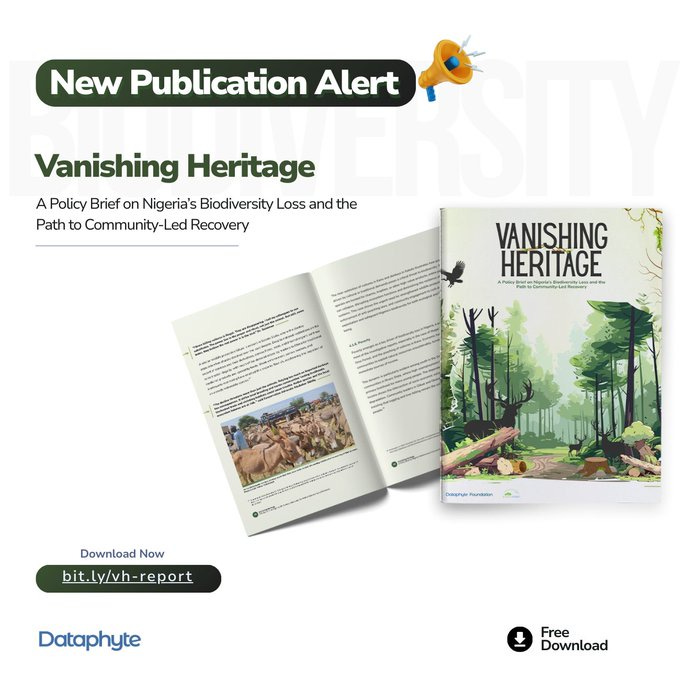
To strengthen evidence-based policy making for enhanced environmental conservation and sustainability, Dataphyte published a policy brief on the state of biodiversity and ecosystem conservation in Nigeria under its Biodiversity Media Initiative, supported by Internews’ Earth Journalism Network.
The brief draws on insights from 10 field investigations conducted by Dataphyte’s biodiversity reporting fellows, highlighting how human activities continue to endanger ecosystems across the country, from unregulated logging and farming that have displaced elephant populations in the Omo Forest Reserve in Ogun State, to development projects that have destroyed large portions of the Stubbs Creek Forest Reserve in Akwa Ibom. It also examines how cultural practices and market demand for wildlife are driving declines in vultures in Kano and donkeys in Sokoto State. To minimise the threats to biodiversity and protect Nigeria’s rich ecosystem, the policy brief provided recommendations, including strengthening the enforcement of existing environmental laws, increasing partnerships between the government and local communities on conservation of biodiversity hotspots, as well as sustained financial and technical support for conservation initiatives by the relevant institutions and development partners. Read more here.
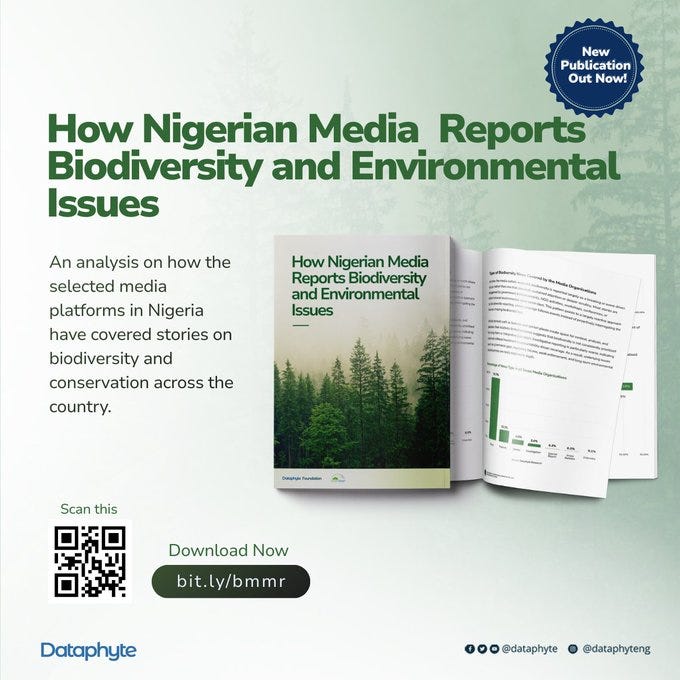
Media coverage of biodiversity-related issues in Nigeria is widely perceived to be limited compared to other environmental topics however, data-driven evidence to substantiate this claim remains scarce. This gap informed Dataphyte’s policy brief, “How Nigerian Media Reports Biodiversity and Environmental Issues,” which provides empirical insights into how Nigerian media outlets report on biodiversity loss, ecosystem degradation, and human activities that threaten the country’s rich biodiversity. The report analyses coverage across selected Nigerian newspapers (both print and digital), examining key themes, authorship patterns, story types, and geographic distribution. It identifies critical gaps in reporting and highlights areas where coverage remains shallow or underrepresented. The brief concludes with steps media organisations can take to improve the depth, quality, and overall impact of biodiversity and environmental reporting, including strengthening subnational and community-centred reporting that better reflects where biodiversity loss is occurring, particularly in underreported states facing desertification, wetland degradation, mining pressures, and human-wildlife conflict. You can download the report here:
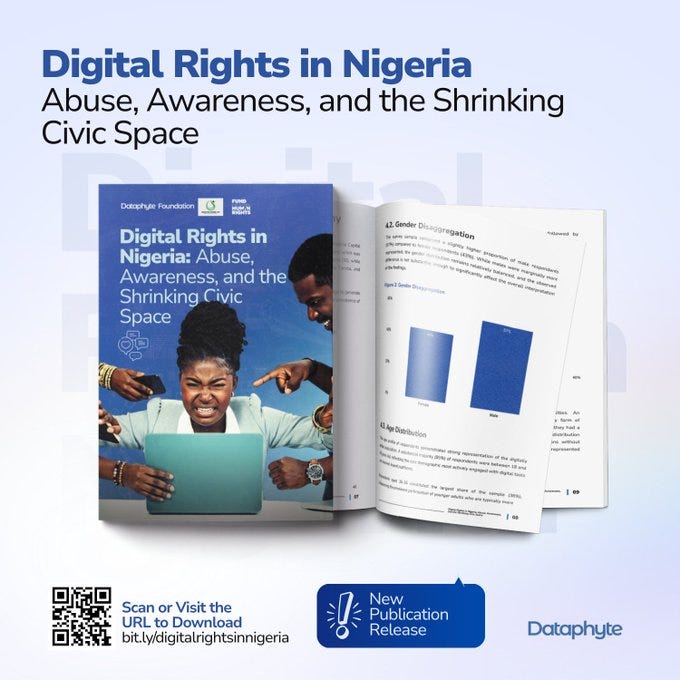
Through an online survey conducted under its activities with the Action Group for Free Civic Space (AGFCS), Dataphyte generated critical evidence on the scale and nature of digital rights abuses in Nigeria. The study assessed the prevalence of digital rights violations and public awareness of existing legal protections, addressing a gap in data on how these violations affect civic space. The findings reveal the demographics most affected, the common perpetrators, and the dominant forms of digital abuse, while also exposing significant gaps in awareness of digital rights laws. Consolidated into a policy brief, this evidence strengthens the case for more targeted advocacy and informed policy reforms aimed at safeguarding civic freedoms in Nigeria’s digital space. Click here to download the brief.
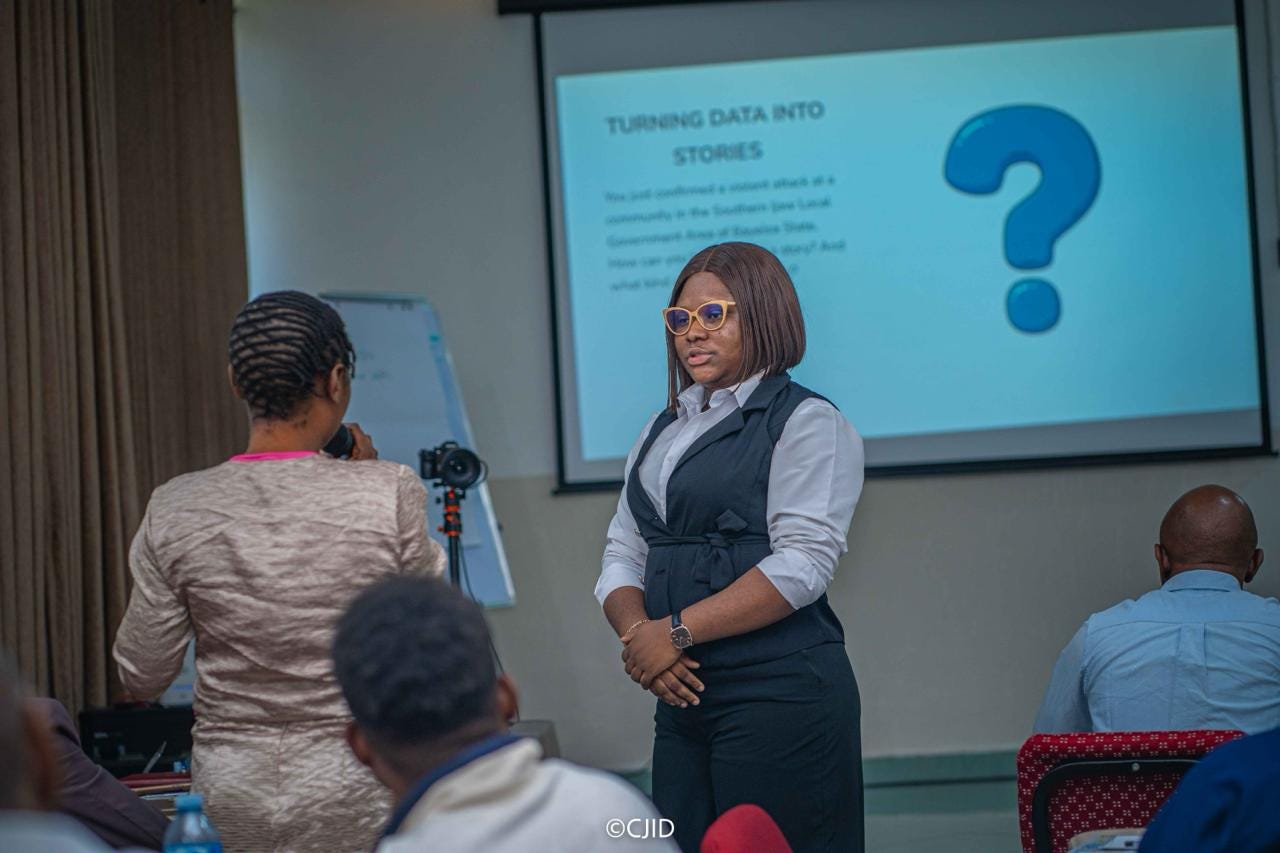
Dataphyte trained over 50 journalists on data-driven public safety reporting at the public safety reporting workshop organised by the Centre for Journalism Innovation and Development (CJID). The session equipped participants to integrate data and community-level insights into their reporting, enabling more accurate and context-rich coverage of conflict and public safety issues in Nigeria. The training addressed a critical gap in media reporting, shifting narratives from reactive and surface-level accounts to reporting grounded in the lived realities of affected communities. This contributes to more informed public discourse and supports efforts toward safer communities and a more responsive security ecosystem. This engagement further affirms Dataphyte’s efforts towards a data-driven policy ecosystem where decisions on social development are not distant from the realities of the people. Read more here.
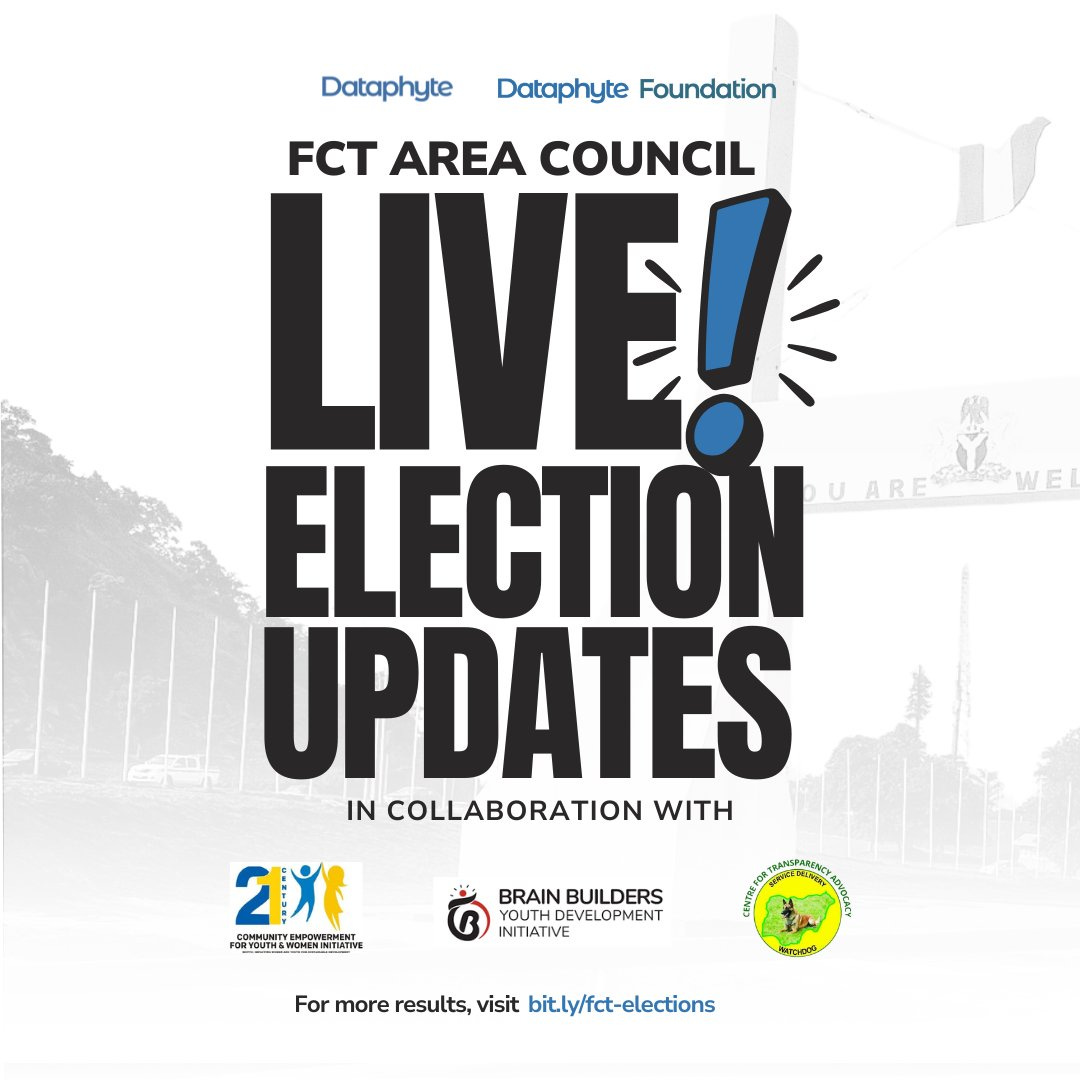
Another defining moment for Dataphyte this quarter was reinforcing electoral transparency and elevating public attention to grassroots elections through real-time monitoring of the FCT Area Council elections in February. Dataphyte, in collaboration with its partners, the 21st Century Community Empowerment for Youth and Women Initiative, the Centre for Transparency and Advocacy, and the Brain Builders Youth Development Initiative (BBYDI), provided real-time updates on incidents and election results across all six Area Councils in the Federal Capital Territory. These updates were disseminated through the Dataphyte Election Portal and our social media platforms, ensuring timely access to credible electoral information.
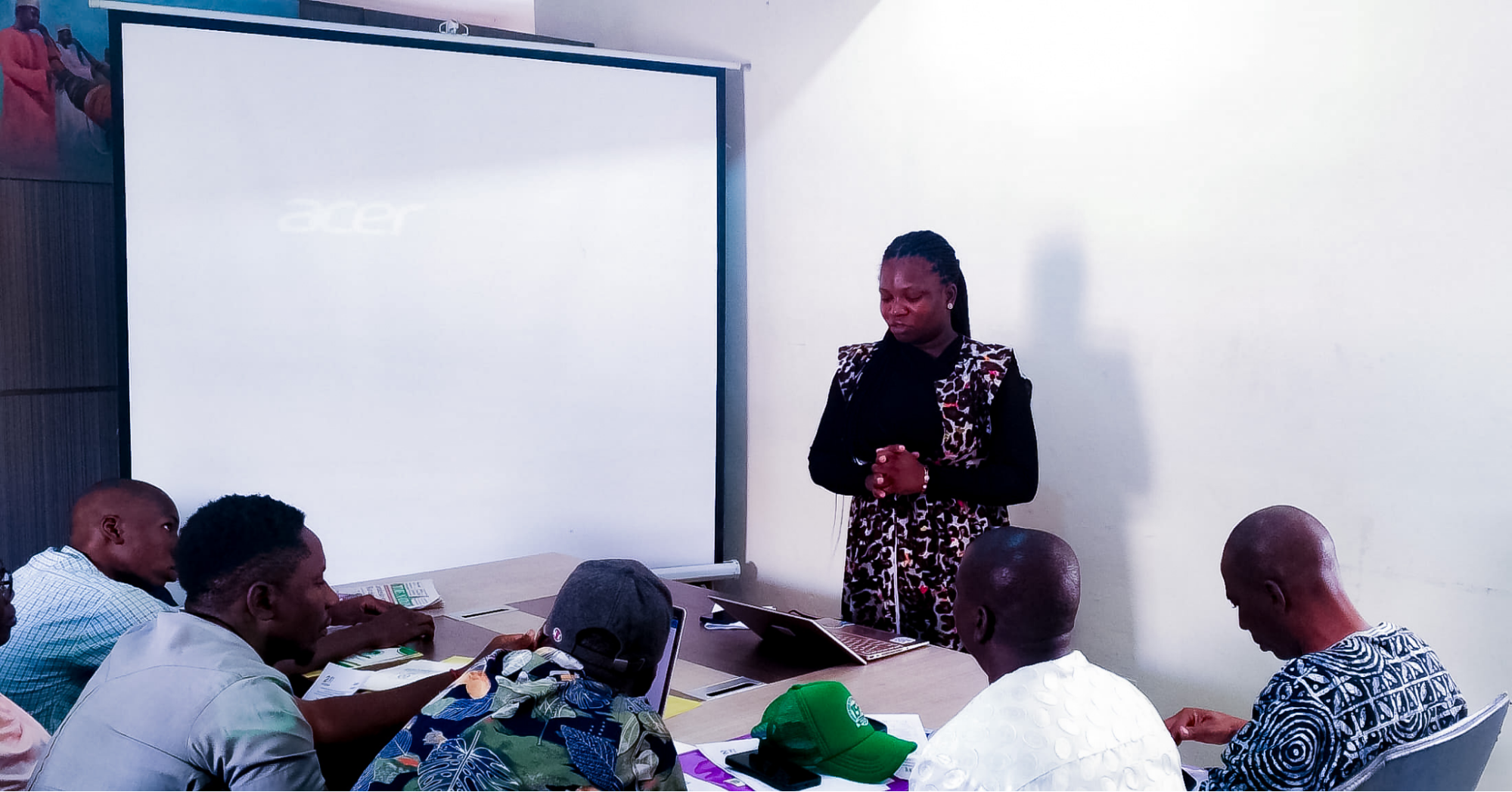
In preparation for the elections, Dataphyte partnered with the 21st Century Community Empowerment for Youth and Women Initiative to train 30 election observers deployed across the six Area Councils. The training focused on incident reporting techniques, ethical data collection, evidence gathering, and effective stakeholder engagement. Observers were also guided on key actors and processes to monitor at polling units, while being encouraged to uphold the principles of neutrality, clarity, and accuracy in their reporting. Read more.
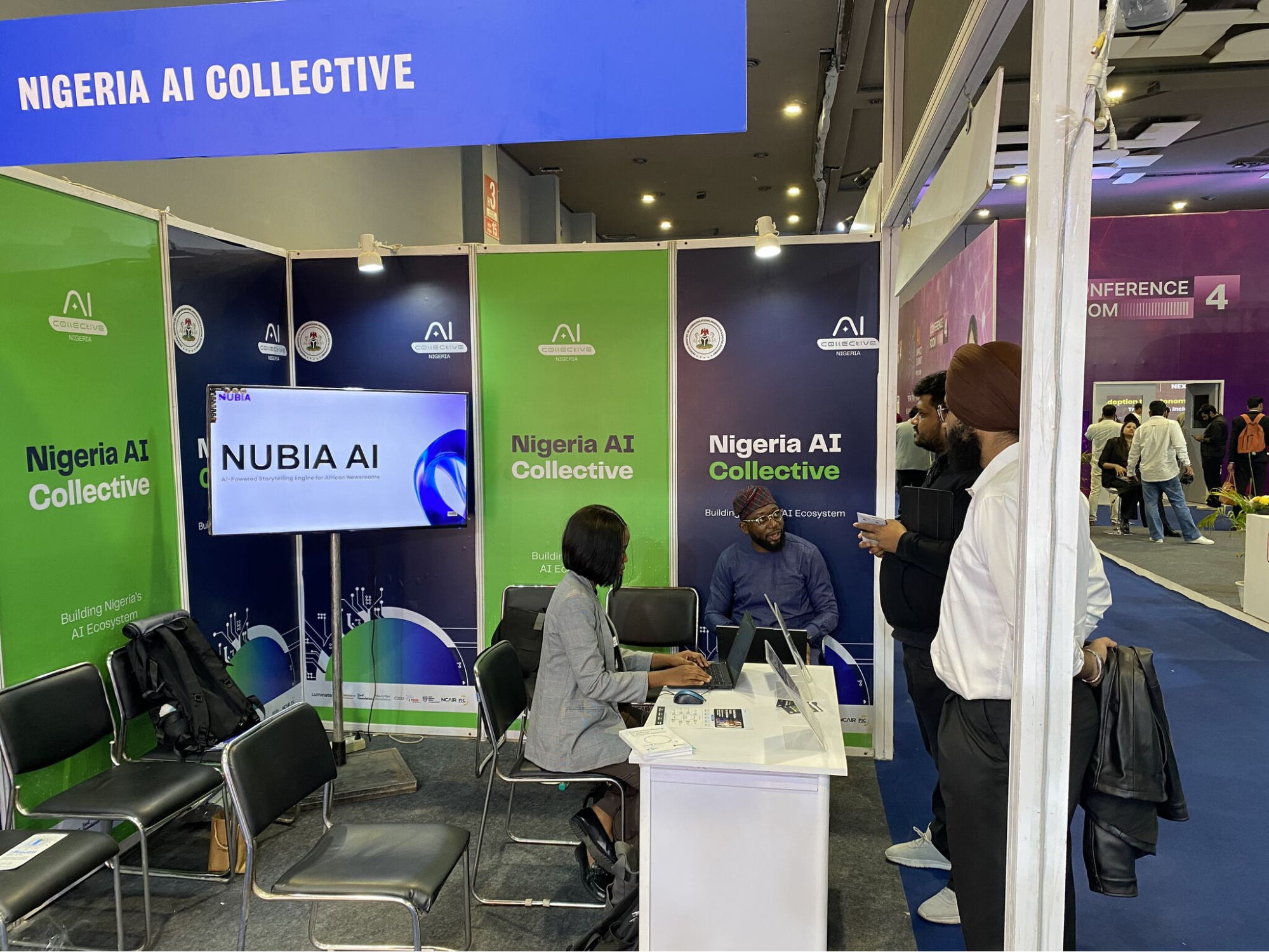
At the India AI Summit in February, Dataphyte showcased Nubia AI at the Nigeria AI Collective Pavilion, an innovative tool designed to advance data journalism and strengthen media narratives and the broader information ecosystem across Nigeria and Africa. By promoting data-driven storytelling over reactive and sensational reporting, Nubia AI reflects Dataphyte’s commitment to building a more informed and responsible media ecosystem in Nigeria and Africa. Read more here.
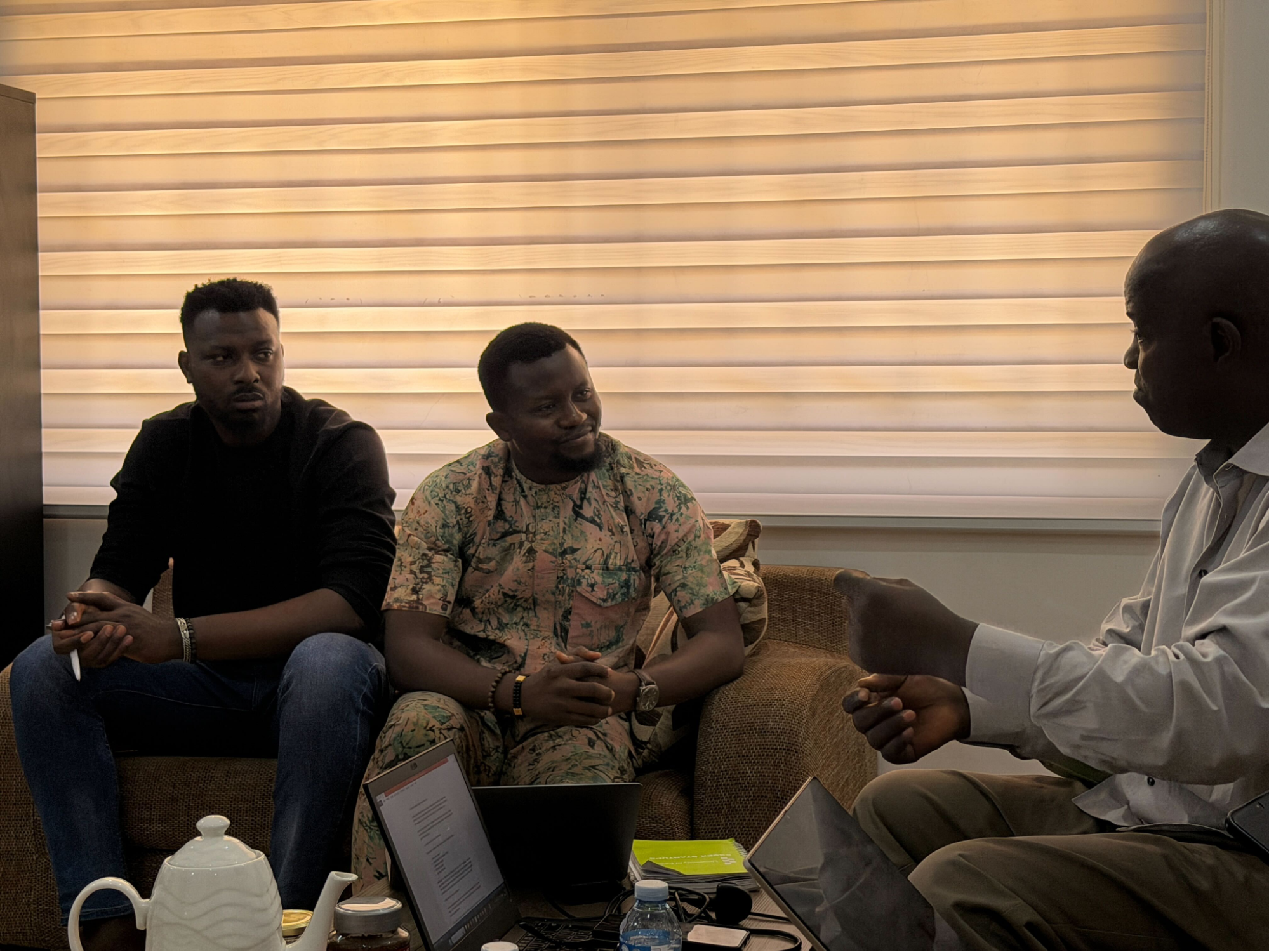
In March, the Dataphyte team paid a courtesy visit to the Chief Technical Adviser on Development Partnerships to the Plateau State Governor, Manji Wilson, to discuss opportunities for collaboration to strengthen open government processes in the state, particularly in advancing digital governance. As the civil society co-chair of the digital governance thematic working group of the Open Government Partnership (OGP), Dataphyte provides technical support to government institutions at both national and subnational levels to strengthen systems, policies, and frameworks that promote ethical and responsible digital transformation. This engagement marks the beginning of a partnership where Dataphyte will work with relevant state agencies in Plateau State to ensure that the adoption of digital technologies across key workstreams delivers tangible outcomes that enhance accountability, transparency, and civic participation. Read more here.

Dataphyte also hosted the Executive Director of the Centre for Peace Education and Community Development, Dr Joseph Gimba, a fellow member of the Action Group for Free Civic Space, a coalition coordinated by Space for Change to promote civic engagement and protect the rights of individuals, civil society actors, and the media in Nigeria to freely express themselves without fear of intimidation or repression.
Through this coalition, Dataphyte has collaborated with the Centre to generate evidence on civic space restrictions, human rights violations, and the suppression of civic voices in Nigeria through research, primary data collection, and stakeholder engagement. The visit provided an opportunity to deepen this collaboration by exploring ways to leverage data and policy dialogue to influence reforms that strengthen and protect civic space. Read more here.
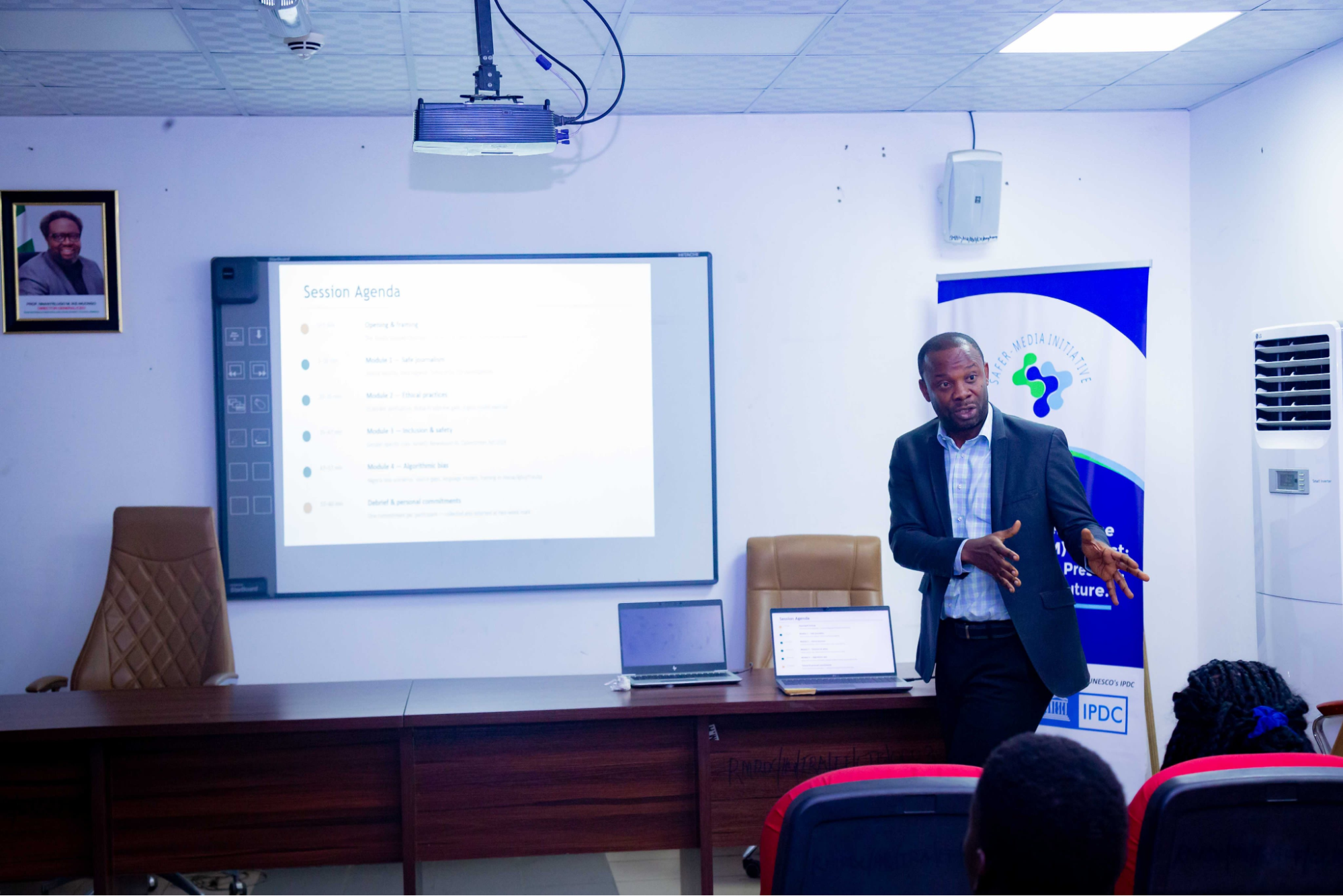
Dataphyte’s Country Director, Oluseyi Olufemi, facilitated a session in March on the responsible use of AI and digital safety at the Safer-Media Initiative Workshop for media practitioners. During the session, he guided participants through practical frameworks for navigating today’s rapidly evolving information ecosystem, highlighting the risks of misinformation, deepfakes, and the broader implications of AI for journalism in Nigeria, while outlining key safeguards for ethical and secure media practice. Read more here.
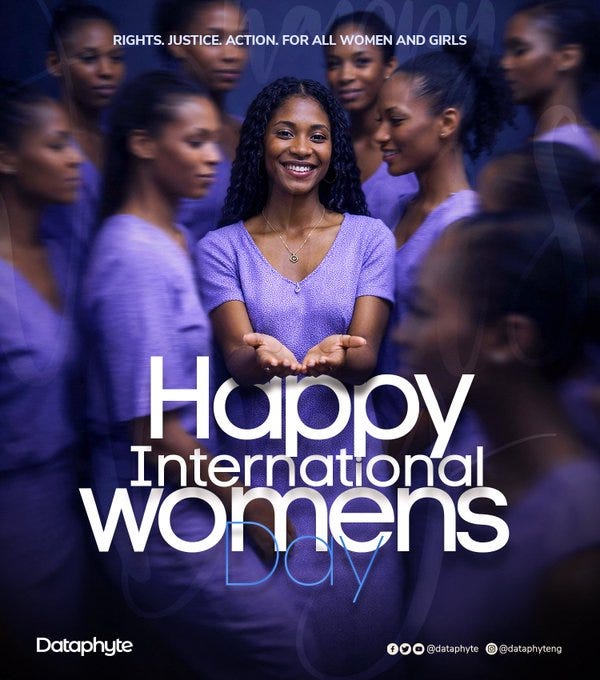
This year’s International Women’s Day once again brought together stakeholders across the public and private sectors, alongside leaders from civil society and the development space, to reflect on progress made in advancing gender equality, the barriers that persist, and the structural challenges that continue to drive gender injustice.
In commemoration of the day, Dataphyte amplified women’s voices through a blend of storytelling and stakeholder engagement, combining powerful narratives from women in local markets with dialogue involving gender advocates and policy actors to chart a practical pathways to addressing the factors that continue to hinder the country’s efforts towards a society that is fair and livable for all people across gender, sex, age and social groups. Our team engaged women in local markets in Abuja to understand what they perceive as the most pressing challenges facing women in Nigeria and what needs to change. From limited access to education and economic opportunities, to domestic and sexual violence and the disproportionate economic burdens many women shoulder, their voices reflected the everyday struggles that often go unheard. Watch the video here.
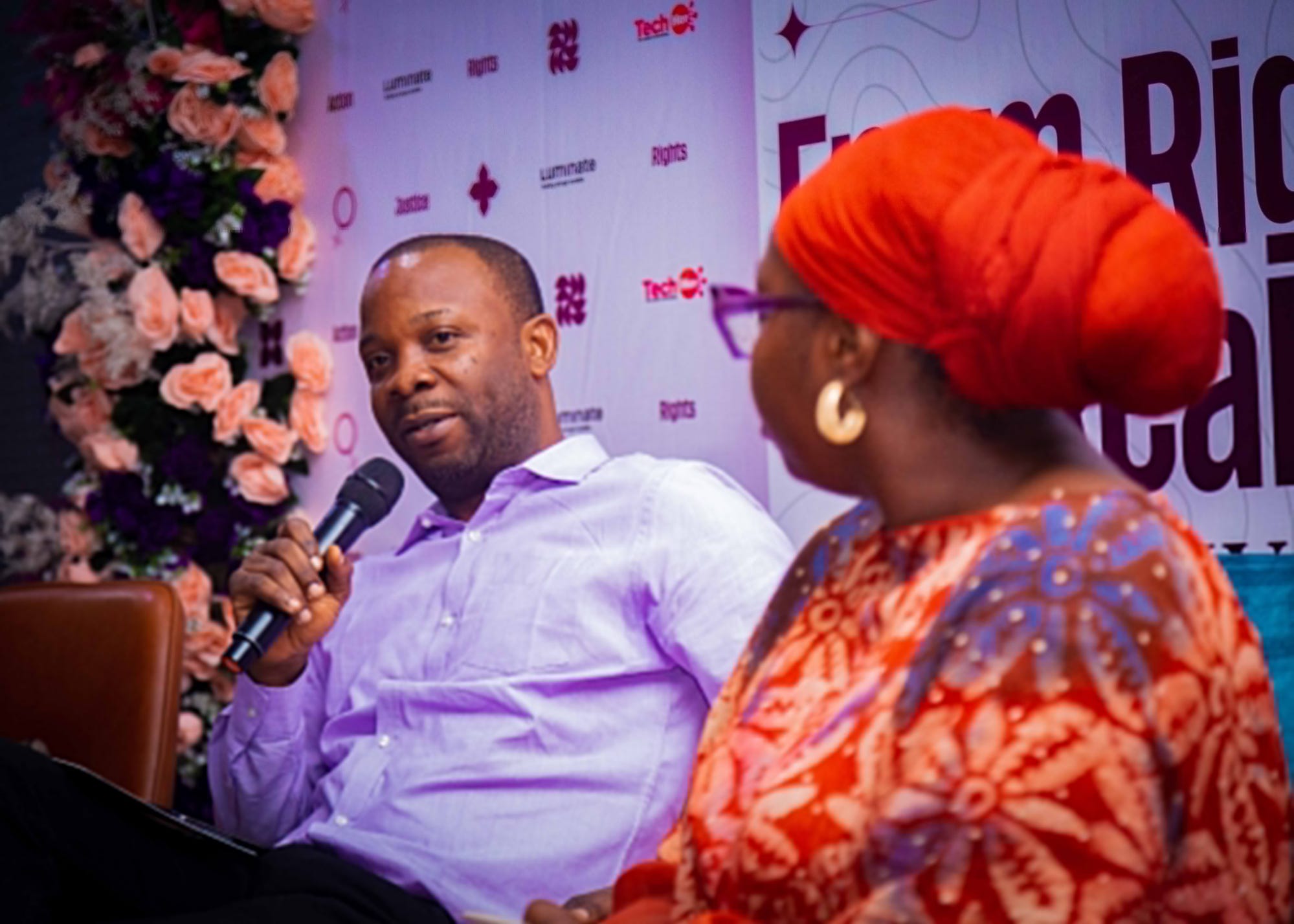
At the TechHer convening to mark International Women’s Day, Dataphyte’s Country Director, Oluseyi Olufemi, spoke on advancing women’s rights through data-driven advocacy. He highlighted that many women continue to face significant safety challenges and that meaningful advocacy must be grounded in credible data reflecting these realities. He further emphasised the role of data in guiding citizen engagement with political actors, particularly in assessing those seeking public office. He concluded by noting that inclusive dialogue spaces are critical for fostering understanding, strengthening accountability, and supporting the reorientation needed to prevent violations against women. Read more here.
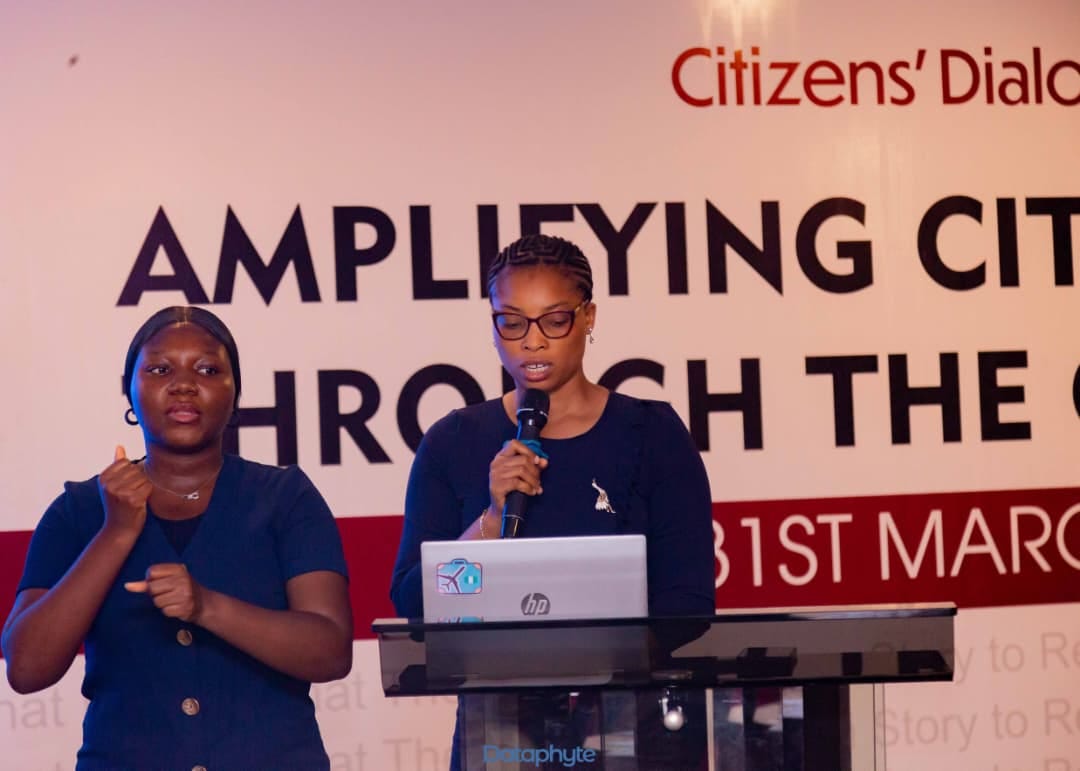
As part of our March activities, Dataphyte, alongside partners including Accountability Lab, the Open Government Partnership, and the Foreign, Commonwealth and Development Office (FCDO) Partnership for Agile Governance and Climate Engagement programme, co-hosted a two-day Citizens’ Dialogue Forum. The forum convened civic-minded citizens, civil society organisations, youth groups, the media, persons with disabilities, and government Ministries, Departments, and Agencies (MDAs) to explore strategies to improve service delivery and strengthen government responsiveness to citizens’ needs. During the dialogue, stakeholders examined how the Citizen Delivery Tracker (CDT), managed by the Central Results Delivery Coordination Unit (CRDCU), can be optimised as an accountability tool, enabling citizens to track government projects and monitor policy implementation. Dataphyte also presented findings from its nationwide survey and key informant interviews, highlighting how citizens, CSOs, and government actors engage with the tracker to provide feedback, support policy advocacy, and improve service delivery outcomes. Read more here.
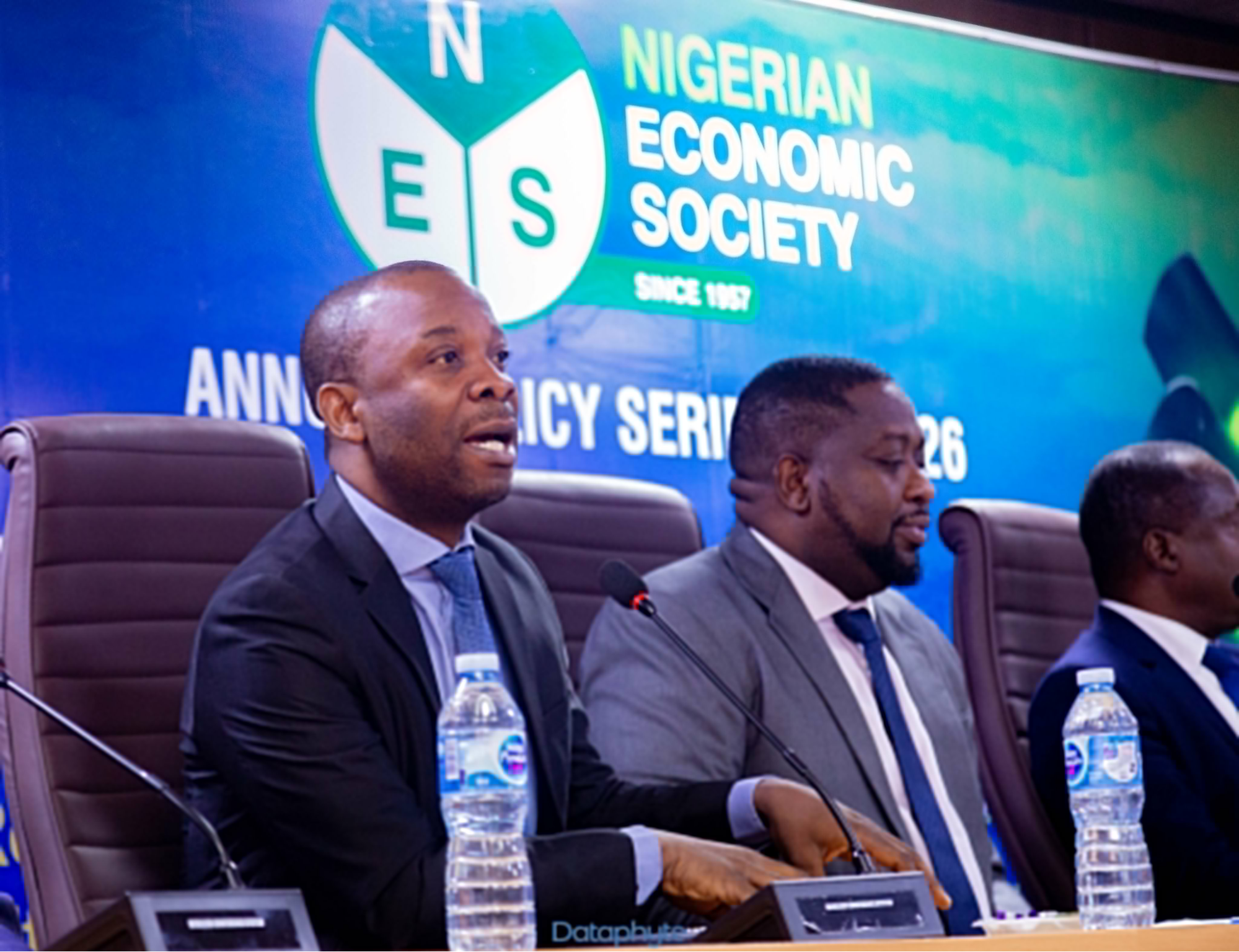
At the launch of the 2026 Economic Outlook hosted by the Nigerian Economic Society (NES), Dataphyte’s Country Director, Oluseyi Olufemi, joined a panel of experts to discuss the socio-economic implications of ongoing reforms under the theme “From Adjustment Pains to Consolidation Gains: Welfare and Credibility.” He emphasised that gaps in reliable, coherent data continue to limit the effectiveness of Nigeria’s reform efforts, noting that although significant fiscal and monetary reforms have been implemented, the absence of critical data-driven insights constrains the ability to design policies that effectively reach vulnerable populations. Read more here.
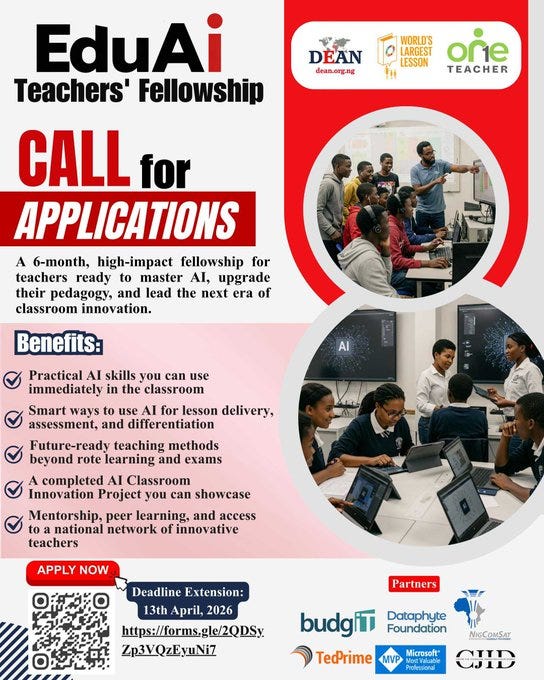
Dataphyte, in partnership with the DEAN Initiative, BudgIT, the Centre for Journalism Innovation and Development (CJID), and other stakeholders, is implementing the EduAI Teachers’ Fellowship. The programme is designed to equip educators with practical AI skills to enhance lesson delivery, assessment, and learner support. As artificial intelligence continues to reshape education and other sectors, empowering teachers with the tools to effectively integrate AI into their classrooms is critical to improving teaching and learning outcomes.
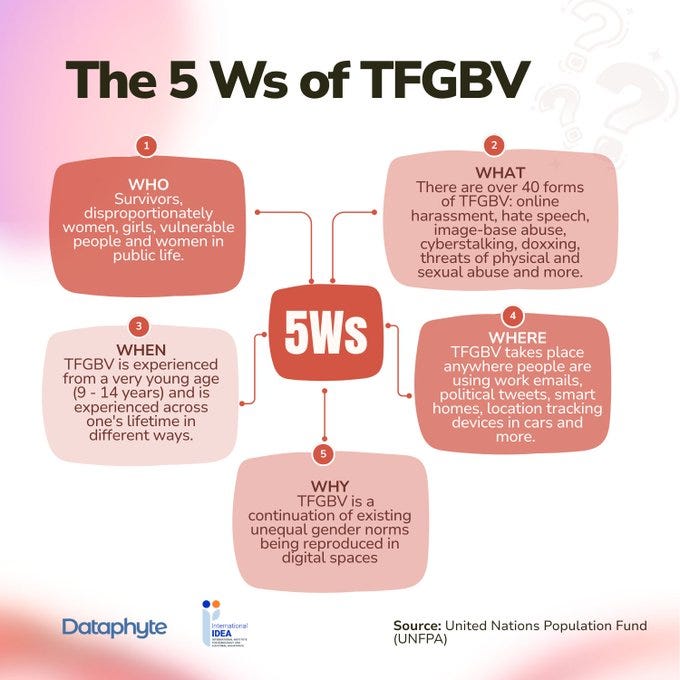
Throughout the quarter, Dataphyte also sustained its advocacy on technology-facilitated gender-based violence (TFGBV) across its social media platforms. Central to this engagement is the message that digital violence is real violence; its online nature, often perpetrated by anonymous actors, does not diminish its harm or impact. These acts disproportionately affect women, girls, and other vulnerable groups, reinforcing the urgent need for awareness, accountability, and stronger protections. Check here to read more.
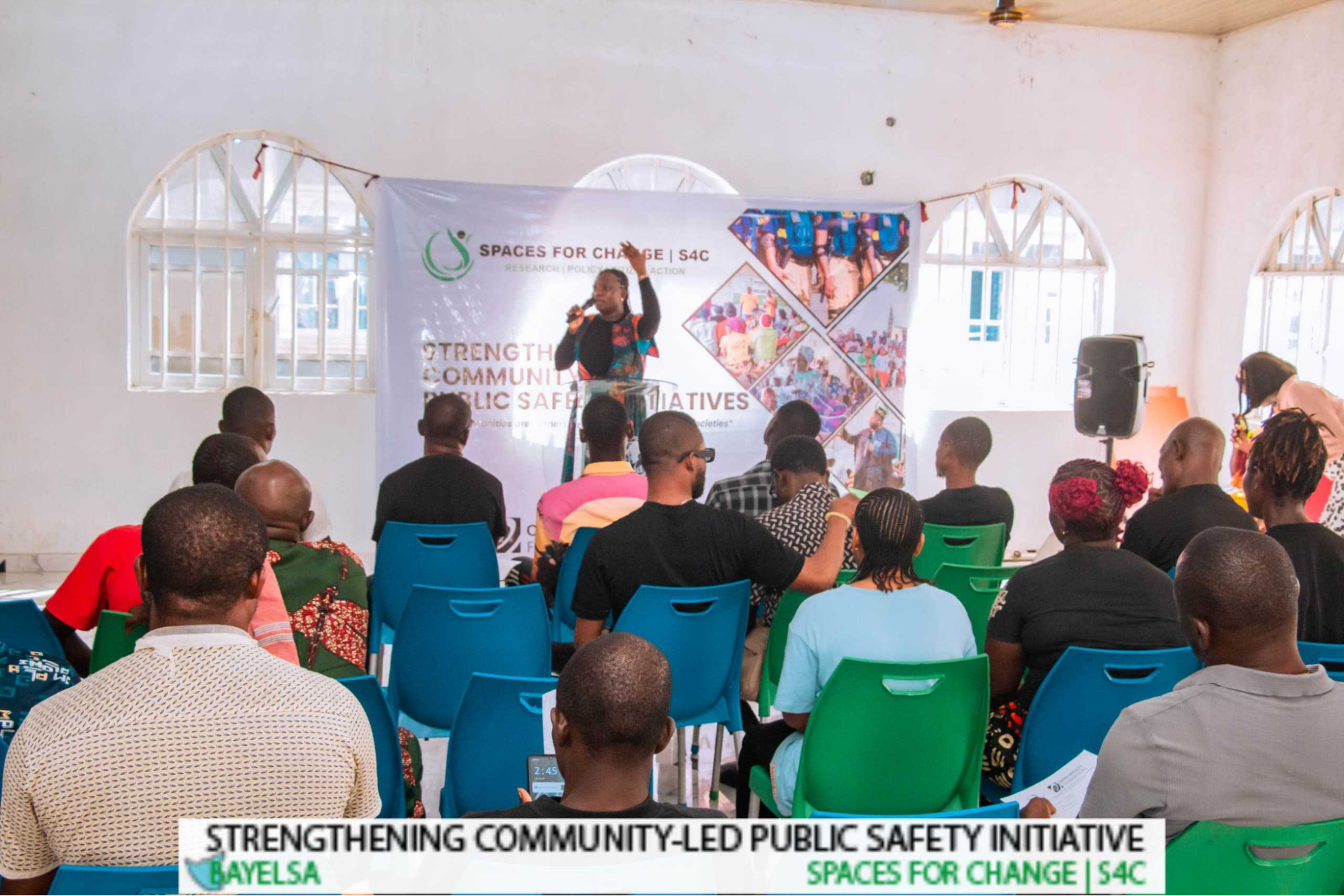
As part of our efforts to strengthen community-based safety systems under our Open Society Foundation-funded People-Centred Public Safety (PCPS) projects, Dataphyte joined Spaces for Change to train over 100 Neighbourhood Security Watch groups at the two-day legal empowerment program for Neighbourhood Security Watch groups in Amassoma and Ondewari communities in Bayelsa State. The training focused on community mobilisation and media engagement for public safety and security, highlighting the importance of inclusive stakeholder participation in addressing security challenges.
At the training, Dataphyte’s Program Officer, Funmilayo Babatunde, emphasised that effective responses to security issues depend on engaging diverse stakeholders across age groups, social backgrounds, and occupations, who are either affected by or play a role in resolving these challenges. This approach is central to people-centred public safety and forms part of Dataphyte’s broader People-Centred Public Safety Project, which aims to build community-driven safety structures aligned with local needs and realities. Read more here.
In Q1 2026, Dataphyte’s Insights Team stayed ahead of social conversations, delivering thought leadership and data-driven insights through in-depth analytical reports, infographics, and visualisations. Through our weekly newsletters, Pocket Science, SenorRita and Marina & Maitama, the team explored a wide range of issues spanning household socio-economic realities, emerging gender concerns, business and policy developments, as well as broader global and geopolitical trends.
Pocket Science editions during the quarter examined the real-time effects of economic reforms at the micro level, focusing on everyday household realities. From analysing the cost of living crisis in Nigerian households to unpacking the struggles of Nigerians in keeping up with the prices of food and basic items, which now cost twice the price in 2025 when compared to 2020, these editions highlighted the lived experiences of citizens while offering practical insights on how households can navigate current economic pressures
SenorRita editions in this quarter focused on the gender inequalities that persist across sectors in Nigeria, spotlighting gaps within Nigeria’s legal and structural frameworks affecting women’s empowerment. From gender disparities in the legal profession to broader systemic barriers limiting women’s economic opportunities, the series provided evidence-based analysis to inform advocacy and reform towards a more equitable political, social and economic environment.
The editions of Marina & Maitama explored the dynamics of Nigeria’s capital importation and the uneven distribution of economic gains, especially in households and the real economy.
Beyond these newsletter series, Dataphyte’s special reports within the quarter also covered a diverse range of socio-economic and governance issues. These include the impact of global geopolitical tensions involving the United States, Israel, and Iran on Nigeria’s economy, analysis of Nigeria’s foreign affairs budget amid prolonged ambassadorial vacancies, trade dynamics such as China’s dominance in Nigeria’s imports, and safety assessment of states like Borno over time, especially amidst recent security crises across the country.
As we build on these insights, we remain committed to deepening analysis, expanding conversations, and driving impact through data in the months ahead.
Stay connected with Dataphyte and be the first to receive updates on our activities, insights, and opportunities by following us on our social media channels.
Visit our website to explore our latest briefs and analyses.
Comments
Nothing yet. Say the first thing.
Sign in to join the conversation.