
It’s 10 pm—do you know where the grownups are? No seriously, where are the adults in the room?
We fixate on young people, debating endlessly about their trajectories and timelines. Why aren’t they growing up fast enough or why are they growing up too fast? Those are real issues, but maybe the bigger issue isn’t actually about “kids these days” at all; maybe it’s about us, and what we don’t want to face.
The line between child and adult is never clear. Now it’s stretched with tweens on one end and twentysomethings on the other, which totally tracks with biology—puberty starts earlier, brains finish maturing later. Aligning expectations with reality is a good thing. The problem is that we don’t design laws, tax codes, or shared protections and investments around those truths.
So why do we treat “delayed adulthood” like a crisis, when it may simply reflect how humans actually grow up at a time when the real‑world economy bites harder, offering fewer clear paths into adult living? And why don’t we focus more on the bigger issue: too few decision‑makers and leaders maturing into elderhood, an age when getting and holding on should shift toward sharing and passing on so young people can start out and have their turn.
Without elders, who’s looking out for future generations? With the graying demography, that’s not a good trend. But it’s not a new one.
The problem isn’t delayed adulthood. It’s delayed elderhood.
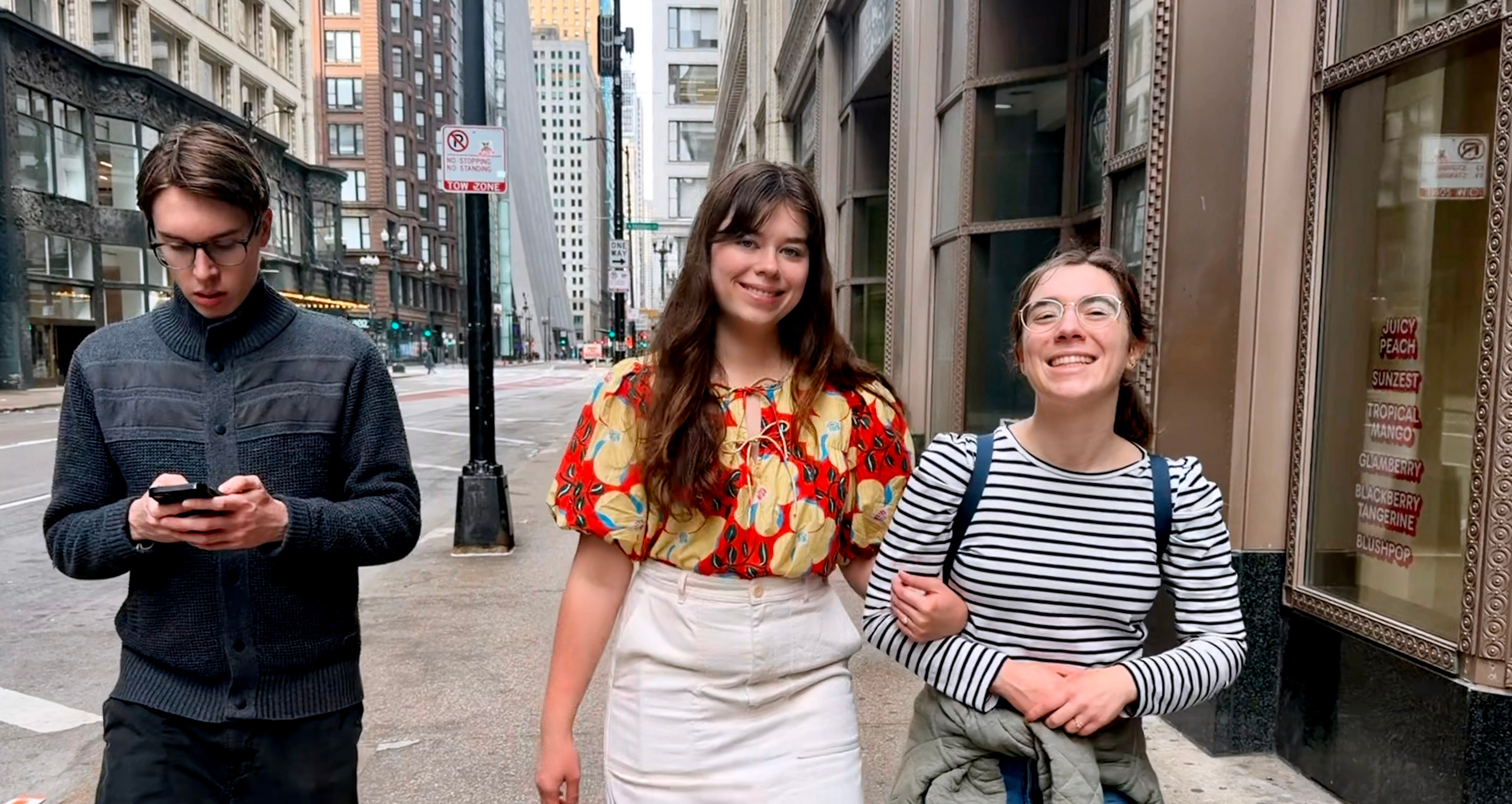
I was married when I was my son’s age and a mom at my daughter’s age. The generational turn is impossible not to notice.
Every time I see my daughter lately, I can’t help but see myself at that age, holding her as a baby. And I can’t see my young adult kids and not think back a generation before. My daughter’s wedding is this year in Madison, the same place my parents met and married. My oldest son is starting at UW–Madison this fall, sixty years after my dad did.
It’s a weird feeling to be sandwiched between generations who share experiences you don’t have, even though you’re the one connecting the two.
At 35, I looked at the elder gap problem as them and not me. Today, I know it’s me too. I’m the old one now, having witnessed a full generational turn.
The generational turn keeps reminding me of my own mortality as well. Maybe it’s being smooshed in a sandwich or maybe it’s because I’m turning 52 this summer, the age my brother died of “natural” causes. Or maybe it’s perimenopause, with each monthly cycle feeling like a little taste of death.
But just like marriage and a baby don’t mean you grow up (I have plenty of those receipts, don’t you?), living longer doesn’t mean reaching elderhood, at least not in purpose.

Elderhood, as I see it, is that stage when you start taking more of the burdens and less of the rewards, accept that you can’t have everything so the kids can have something (and not only your kids), and use whatever power you have to protect and pass on instead of hoarding and delaying.
The elder gap first hit home when I turned 35. Adulthood seemed stuck in a high school reunion warp; instead of adults reliving youth once a decade, it became everyday on Facebook and IRL. No one wanted to be the adult who says, “No. Not ever. That is not okay. The buck stops here.” Adults want to keep being cool and never the prude, even in the prudent sense of wise, cautious, and sensible.
When we dodge elderhood, we don’t necessarily stay neutral. We can slide into a second adolescence, one the culture is more than happy to monetize.
The problem isn’t older adults enjoying life or trying to stay “cool.” It’s when a me‑generation POV stretches on, shaping how resources and power are distributed long after it should have shifted toward sharing and passing on.
Growing up doesn’t mean letting go of childlike fun imaginative energy; that’s forever worth keeping.
1983 was the last year I played with toys, and I thought this meant I was so mature. Letting my imagination die wasn’t a marker of growing up, but instead of growing cynical. After living through my kids’ imaginations for decades, I’ve reclaimed mine and now nurture it because it’s such a precious part of being alive. I can’t imagine facing the realities of aging without it.
So what kind of growing up am I talking about?
I’m talking about being willing to catch the potato, knowing you might be stuck with a hot one, but knowing someone’s gotta do it, and better you than someone younger with their whole life ahead.
I’m talking about doing the terrible, horrible, no‑fun stuff that either doesn’t get noticed or makes you noticed at a cost, and doing it anyway because you know something might be better for someone other than yourself.
I’m talking about quietly sitting down when you know there’s nothing you can say or do that will help, even though you really, really want to tell them what you know, but they can only learn from living life.
It’s tricky to know what to do when roles start changing with young people in your life. Too often, we only flip one part of the script at a time. We either infantilize young people, acting like they can’t speak for themselves, or adultify them, acting like they’re savvy enough to make every choice and deserve the full weight of the consequences. But mostly we think of ourselves even when we argue about “what’s best” for them.
My early civics lesson: few “important” powerful people really care about young people. Kids don’t vote. Adults argue and young people get ignored or worse, and either way, they pay the price for adult choices in deficits, wars, and toxic waste.
When sex scandals made headlines in the nineties, the focus was on how he cheated on his wife, how he betrayed her. Very little attention, sympathy, or concern went to the younger person in the story, even if still a teen. If she was mentioned at all, it was usually to blame or label her. Imagine Monica without the blue dress.
Generations of adults have been busy avoiding adulthood altogether, from the boomers’ “don’t trust anyone over 30” mantra to today’s “don’t look a day over 30.” Meanwhile, time keeps doing what it does: moving forward, even when people don’t.
Human nature doesn’t change just because the birth year does.
By 2010, the sandwich was setting in for me. My mom was out of work for a full year, and at sixty, was really worried whether she’d be able to re-enter. The stress of that led to her having a health event from sitting endlessly applying to jobs and probably forgetting to stay hydrated or even move. Being out of work was the most exhausting job she’s ever had, she’ll say. Just two years before, my dad died suddenly just after turning sixty and I was really worried about losing Mom too.
My middle son was born later that year, a rainbow baby, as they say, though the feeling of storm clouds overhead lingers long after the loss, no matter what comes next. With a preschooler and a tween, I was first realizing that, even as kids grow, juggling work doesn’t get easier. The logistics of carting them around and needing to be home all the hours they’re not in school is its own kind of full-time job. Then there’s the emotional load of negotiations, debates, and guidance that can make parenting older kids even more tiring and time‑consuming. That part is so under noticed.
My husband was working 60+ hours a week with offshore teams and a constant threat his onshore role would go too. Checking on “one thing” could turn into a whole day, and with the internet everywhere, work followed him 24/7, filling our home with stress and making any kind of planning feel impossible.
I timed my pregnancies and part‑time work around my husband’s career and our kids’ schedules, absorbing the shocks of everyone else’s stress as a built‑in buffer. It’s a juggle no matter what, and from watching my mom do it alone, I knew how much harder those years would have been without a parenting partner. Yet it was still easy to feel alone and run down, and to feel guilty for even feeling that way.
Realizing working from home would make it easier for me to work more to ease financial strain which grows as kids do, I started an online master’s program in medical informatics. It cost way too much, and I couldn’t make my brain care about abstractions when my heart only wanted to focus on the flesh and blood of life. I dropped out the semester my baby was due. How many people waste time and money on programs they never finish? You feel worse afterwards.
But here’s the thing I had to face: while I was crossing the threshold into full‑blown adulthood, I did not feel ready or wise enough. I grew more sympathetic to the situation decision‑makers were in, and also to the anxiety of becoming the “responsible” one. Please, please, I’m not ready.
You can come to elderhood from different perspectives or points of view and reach it at different ages. But if there’s a way to dodge it, postpone it, or pretend play it with no real skin in the game, human nature will avoid the fuddy-duddy, no-fun nature of elderhood.

Clinging to, rather than letting go, might feel natural when you’re suddenly vulnerable again in midlife to pressure, insecurities—and the impulse from the added intensity of now or never. There are plenty of people and industries eager to profit from that vulnerability, selling you ways to hide or conform instead of helping you live truthfully as you are—and as you’re becoming, again.
Marketing has a simple strategy: keep us feeling never enough. But when you chase looking “camera‑ready” and becoming “optimized,” you often lose your voice in the process; you become less of the human you are and more of a product you’re supposed to maintain. The second time around it only feels sicker and sadder. But this time, I’m older and wiser. Don’t market to me. You’re wasting your time.
Coming out of yourself seems core to growing up. Seeing yourself honestly is so important and necessary to be able to witness others. From there, you can see beyond your bubble to possibilities and needs that aren’t yours to hold and keep but to help build and then share.
I am here to witness, not consume. That’s my new motto. A script I tell myself. There’s always a script so might as well choose it. It’s about what to do in this season of life. I’m grateful for Mariah Maddox’s thoughtful post on this topic to get me thinking, and it’s been sitting with me this spring in a change‑making way. It was a joy and honor to interview Mariah last month. She is someone to learn from. Do you follow her?
Older generations can learn so much from younger ones. Learning always goes both ways.
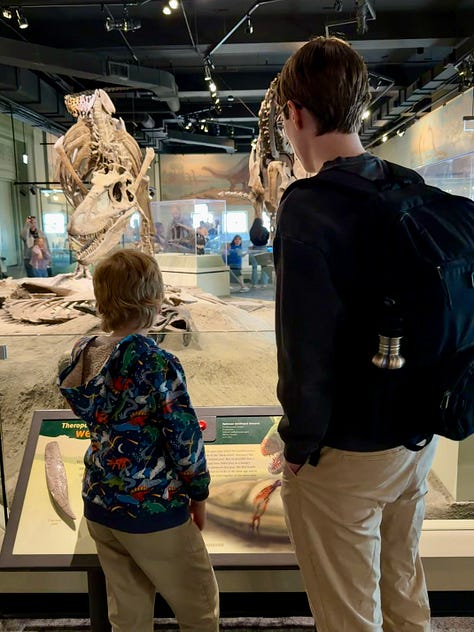
So how can I support younger generations in meaningful ways? Becoming less materialistic, supporting investments in the future, servant leadership, and mentoring, supporting, and cheerleading from the sidelines. Sometimes the best we can do is pray they never have to unlearn or heal as much as we did. And sometimes just shutting up and staying out of the way is the work best done (I call it work because that’s really hard).
There’s no one path to grow up or to support people in the process. It’s an unchoreographed dance that’s different from one person to the next.
But I do know this: what young people actually need is both real protection and real voice. Adults who will stand between them and harm, and also stand beside them while they learn how to speak and decide for themselves. And we need more adults who have more to give more—not as a great compromise or sacrifice, but as a gift, as a natural sharing and concern for a future that belongs more to young people than over‑50s like me.
There’s also a lot of logistical, practical, artistry, gentle guidance, and counseling work that’s desperately needed in institutions of every kind from family on up, and older people can really help in these places. This is where imagination and play can really help moving into an elder phase of life.
With whatever power I have left in my own two hands, I want to be the most generous, fiercely nurturing old lady I can be for younger generations. The one who shares snacks, listens when they talk, believes them when something feels wrong to them even if it doesn’t to me. The one who doesn’t hesitate in moments that matter to say strongly and out loud, “No. Not ever. That is not okay.”
What will you do? We don’t all have to do the same thing. We really do get to pick and choose more parts than we realize. Leave the slots to machines and wings in heaven. And don’t forget: This is their time.
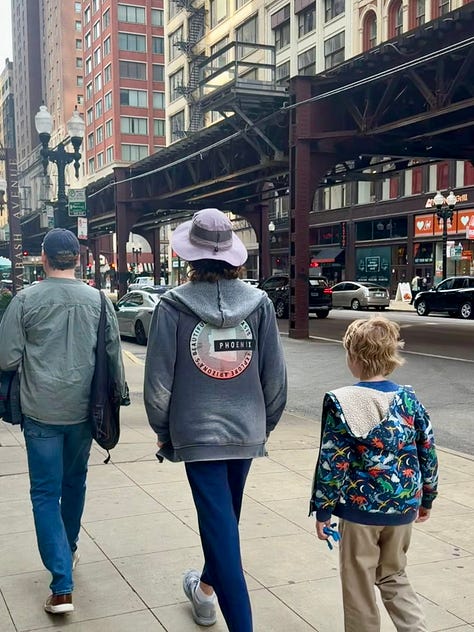
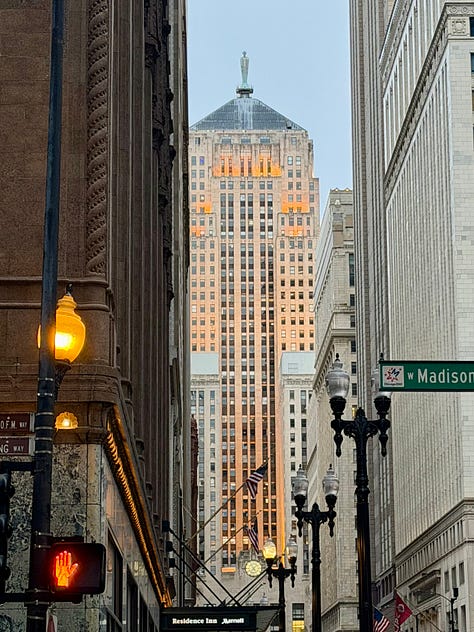

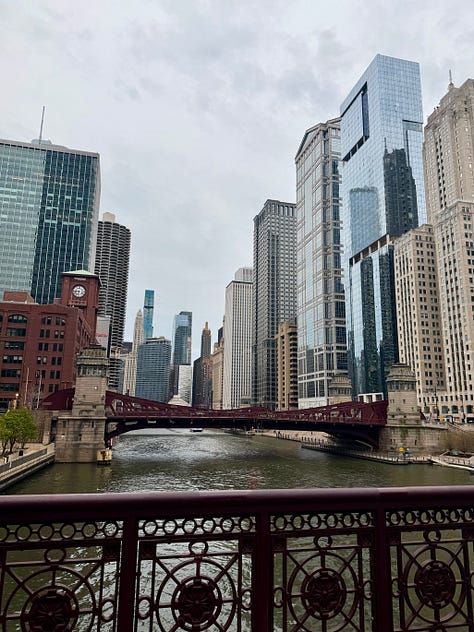
We’re at the “older” adult table now, ready or not.
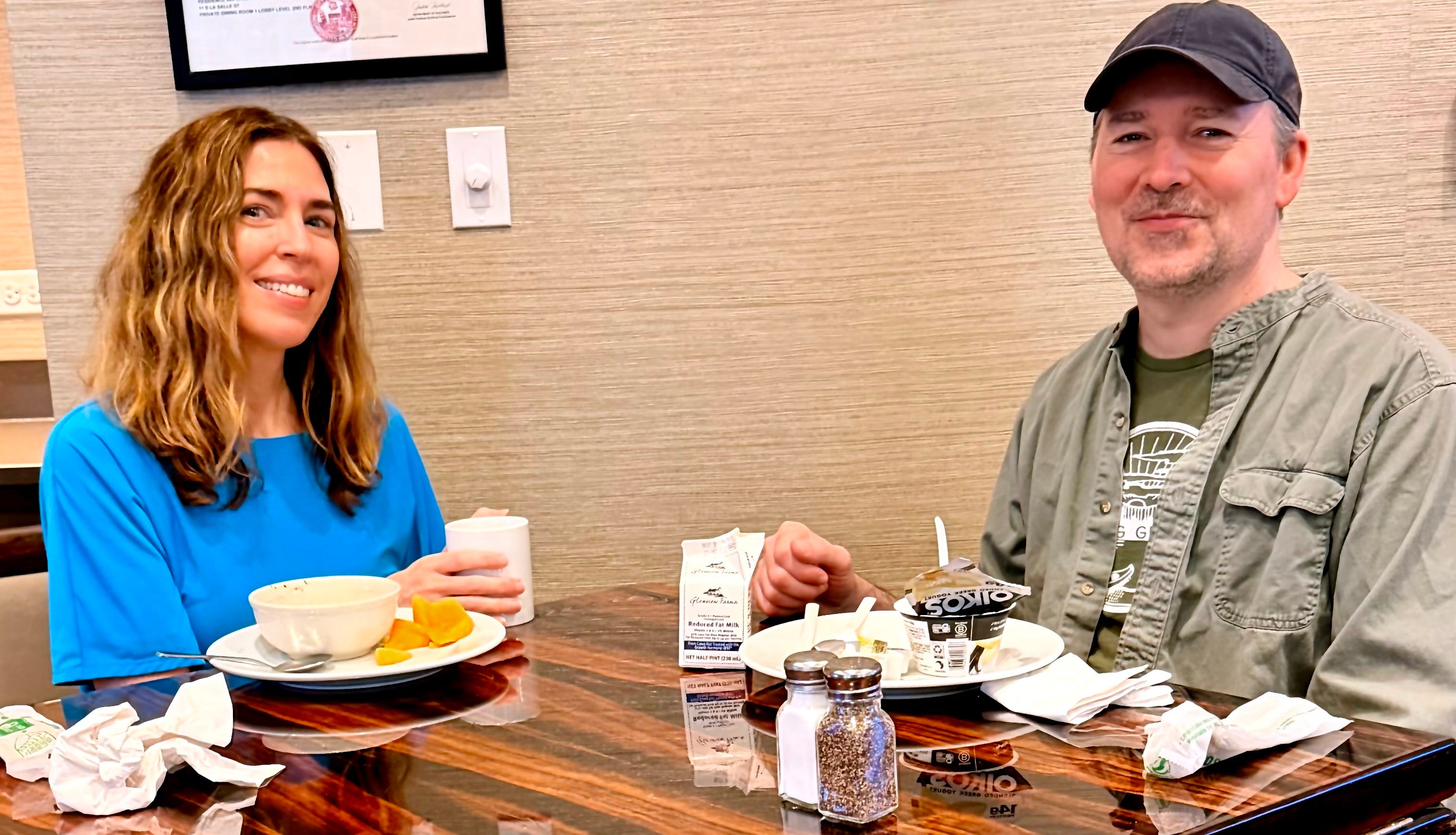
This was the weird moment when we realized we’d been moved to the older adult table—not just the adult table, but the older adult table. Similarly, at my daughter and her fiancée’s wedding shower last weekend, I was seated in my dining room with the older adults. The young people were in the sun room. I bought a new baby gift for one of their friends their age, not a friend of my own.
I don’t feel like an elder yet. But ready or not, it’s time for me to chart my way into elderhood with helping hands and a giving heart. Does that make me old, or just older? Wordy people like me overthink these things. Jenna Park got it perfect in this title—”On getting old(er). Meet yourself, honestly”—and I think I’m going to borrow that: old(er). Even on her own birthday, she’s the gift‑giver.
Coming up: Can you really talk about an elder gap without talking about the wealth gap too? I can’t, so that’s next.
Comments
Nothing yet. Say the first thing.
Sign in to join the conversation.