
There’s a moment, when you stare long enough at the Epstein mess — the island, the flight logs, the billionaires and “visionaries” who kept orbiting him — when it stops feeling like a scandal and starts looking like a game plan. A template of how power actually organizes itself when no one’s watching.
Epstein wasn’t an outlier. He was a peek behind the curtain
.
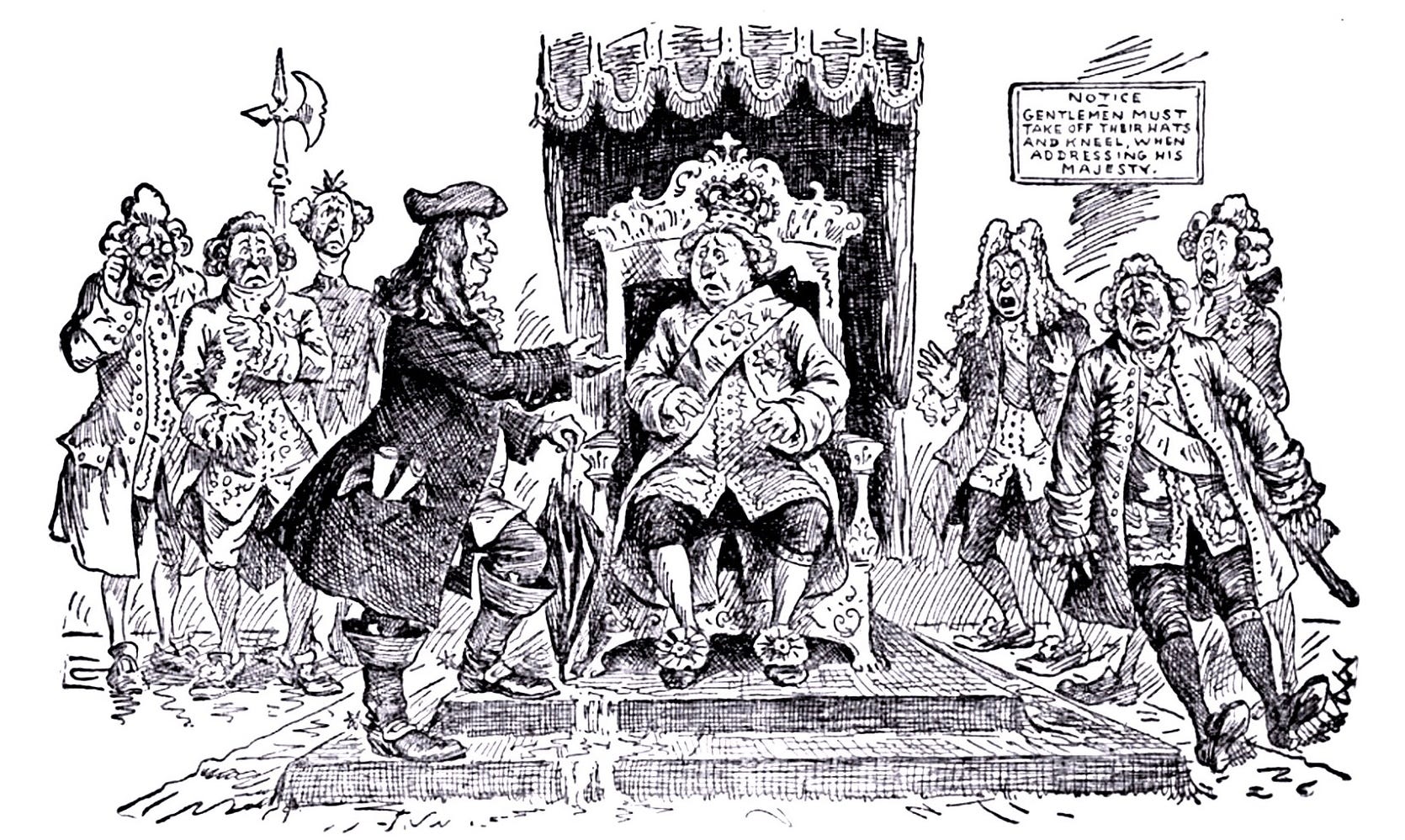
Private Islands as the New Royal Court
Epstein’s island functioned like a court. A place where normal rules dissolved, where powerful men slipped into their primal posture: unobserved, unchallenged, insulated from consequence. Medieval lords used royal chambers for their indulgences; Epstein’s circle used a Caribbean compound with biometric locks and a staff trained to un-see everything.
The young girls funneled into that world weren’t victims of a single predator. They were fuel for a system where bodies become consumables and privilege shields the consumers. The role is ancient. The language around it is new.
And the people who should have noticed somehow never noticed. That silence wasn’t incidental; it was structural.
Exploitation Isn’t a Scandal — It’s a Feature
Let’s be honest: the Epstein network wasn’t some rogue horror. It was a peek into how the very top behaves when they know no one can touch them.
Feudal lords claimed the first night with brides. Modern lords claim teenagers flown in by private jet. Both systems run on the same principle: power warps morality, and absolute power launders it.
Today’s aristocrats hide behind LLCs, foundations, donor networks, and private equity portfolios. But peel away the Gucci loafers and tech jargon, and you find the same ancient script underneath: a ruling class at the top, a protective ring of courtiers around them, and everybody else grinding to survive — disposable, interchangeable, forgettable.
In the old days, the church would bless the kings. Today the equivalent blessing comes from PR firms, compliant media, and a political class too intertwined with wealth to notice where the rot starts.
Meanwhile, a New Kind of Serfdom
Back in the world the rest of us inhabit, people grind harder than ever and slide backward anyway. Wages barely move. Housing costs sprint. Health care drains savings like a leak in the hull. A handful of corporations record historic profits while millions talk themselves into believing the stress is their fault.
The modern serf doesn’t harvest wheat. The modern serf delivers food, drives ride-shares, teaches online, juggles three side hustles, and pays for the privilege of participating in the “new economy.” The one with a digital leash.
And when people crack under the pressure, they’re dismissed as “low-information,” “unskilled,” “unqualified.” A thousand years later, the labels changed but the contempt stayed exactly the same.
Exploitation Isn’t a Scandal — It’s the Operating System
The ugliest truth is the simplest one: Epstein didn’t break the system. He revealed it. Concentrated power always drifts toward indulgence, and if history teaches anything, it’s that accountability shrinks the closer you get to the top. Kings once used divine right as the alibi. Today’s kings use wealth, philanthropy, or networking.
The institutions that should restrain them — media, politics, academia — often end up orbiting them instead. Not by conspiracy, but by the gravitational pull of wealth and power. And careers bend toward the curve of that binding energy. Obscene wealth is the nuclear fusion of predatory Capitalism.
Neo-Feudalism in Modern Clothing
People roll their eyes at the phrase “neo-feudal,” but look around. A narrow economic caste holds wealth so immense that medieval monarchs couldn’t have imagined it. Laws soften when they collide with that level of influence. Decisions affecting millions get made in closed rooms — Davos, Sun Valley, island compounds — far from anything resembling a public square. And everyone else is told to stay hopeful, stay grateful, and not look directly at the machinery.
Without the crowns and tapestries, the arrangement is easier to overlook. But the resemblance is unmistakable.
Epstein Wasn’t the Disease. He Was the Fever.
At some point, Epstein became the moment when the temperature spiked too high - a flash where the curtain slipped and the public saw what the court looks like when the doors are shut. Kings by portfolio instead of lineage. Courtiers by association. And a restless population asked to believe their stagnation is a personal failure, not a feature of the architecture.
Feudalism didn’t die. It just traded the crown for a capital fund and learned to speak in the language of innovation and access. The kings have hedge funds. The courtiers have NDAs. And the peasants have apps that make them feel included while keeping them firmly in place.
Epstein didn’t expose a flaw. He exposed the blueprint. And we’re left with the same question peasants have asked in every era: how long can a castle sit on a fault line before something shifts?
If you’ve made it this far, cheers — you’re part of the unreasonable minority still willing to question the stories we’re fed about “socialism,” “freedom,” and who’s supposedly paying for whom in this country.
If you liked this, hit Subscribe or Share — not for my ego, but because the next few posts are going to poke at the soft underbelly of American mythology, and those algorithms don’t exactly reward nuance.
And if you’re already a subscriber: gracias. You’re helping keep this little corner of the internet weird, honest, and inconvenient to the people who prefer everything wrapped in flag-themed bubble wrap.
See you in the next one.
Comments
Nothing yet. Say the first thing.
Sign in to join the conversation.