
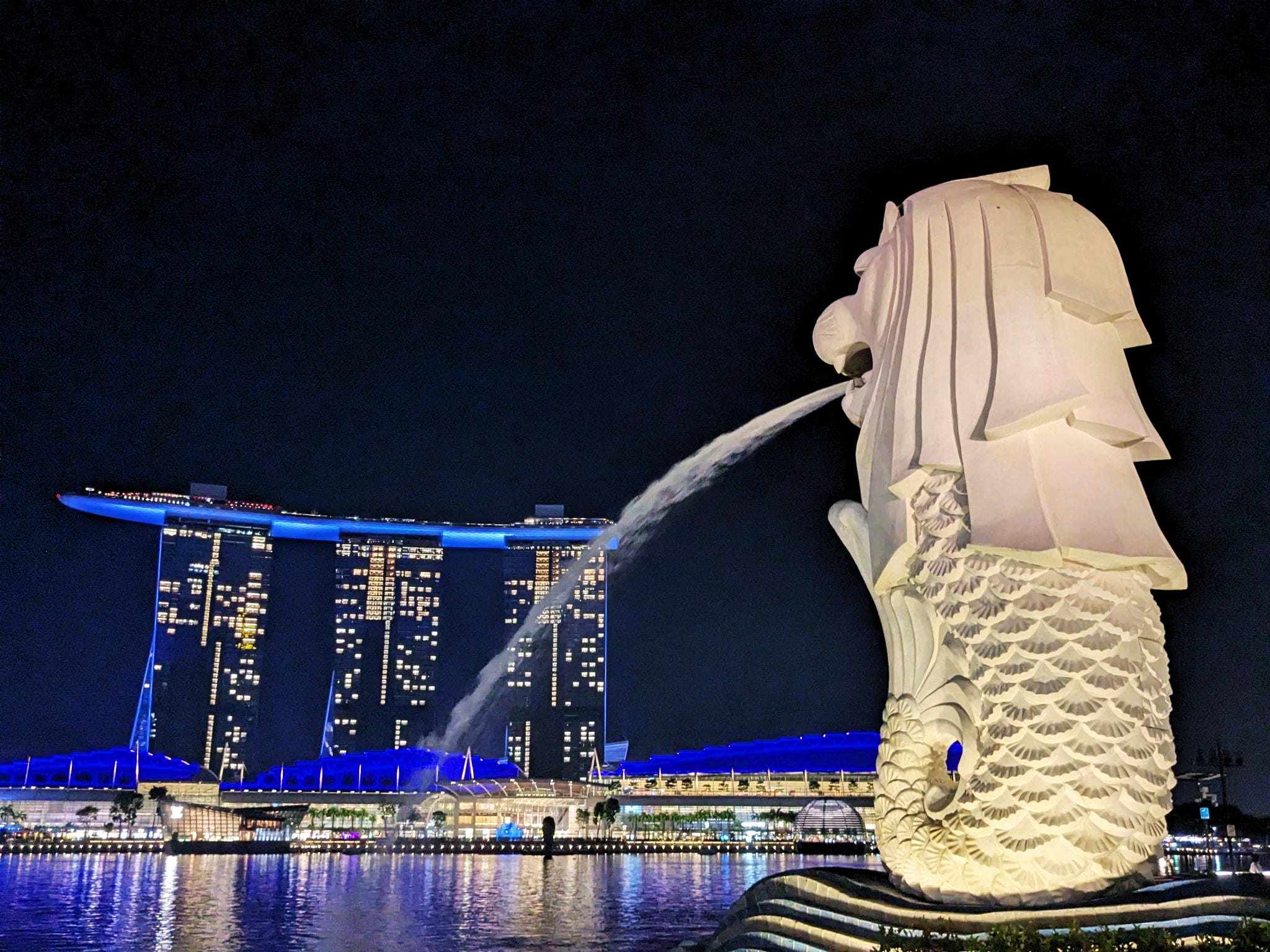
I was in Singapore last week, working and on the way to the wedding of one of my best friends in Malaysia.
Eleven years in Japan means I can’t land anywhere new without immediately reading the service culture. Singapore made me think harder than most places have in a while, mostly because it didn’t fit the story I usually see and tell.
I almost wrote the easy version of this. Singapore runs on rules, Japan runs on heart. It’s a clean story but it’s also not true, and I’ve lived in Japan long enough to know it isn’t.
Singapore has a saying: pay peanuts, get monkeys.
Underpay, understaff, undertrain, and the service reflects it. So the country leans the other way. Pay for standards. Audit for them. Make good service the easiest path, not the exceptional one.
There’s a second idea sitting underneath it: kiasu, the fear of losing out.
It’s usually used to describe Singaporeans rushing for a queue or a deal, but it shows up in business too. Nobody wants to be the company that lost the customer because the experience was worse than the one next door. That fear is a kind of fuel. Not affection for the customer. Closer to not wanting to lose.
“Kiasu isn’t affection for the customer. It’s closer to not wanting to lose.”
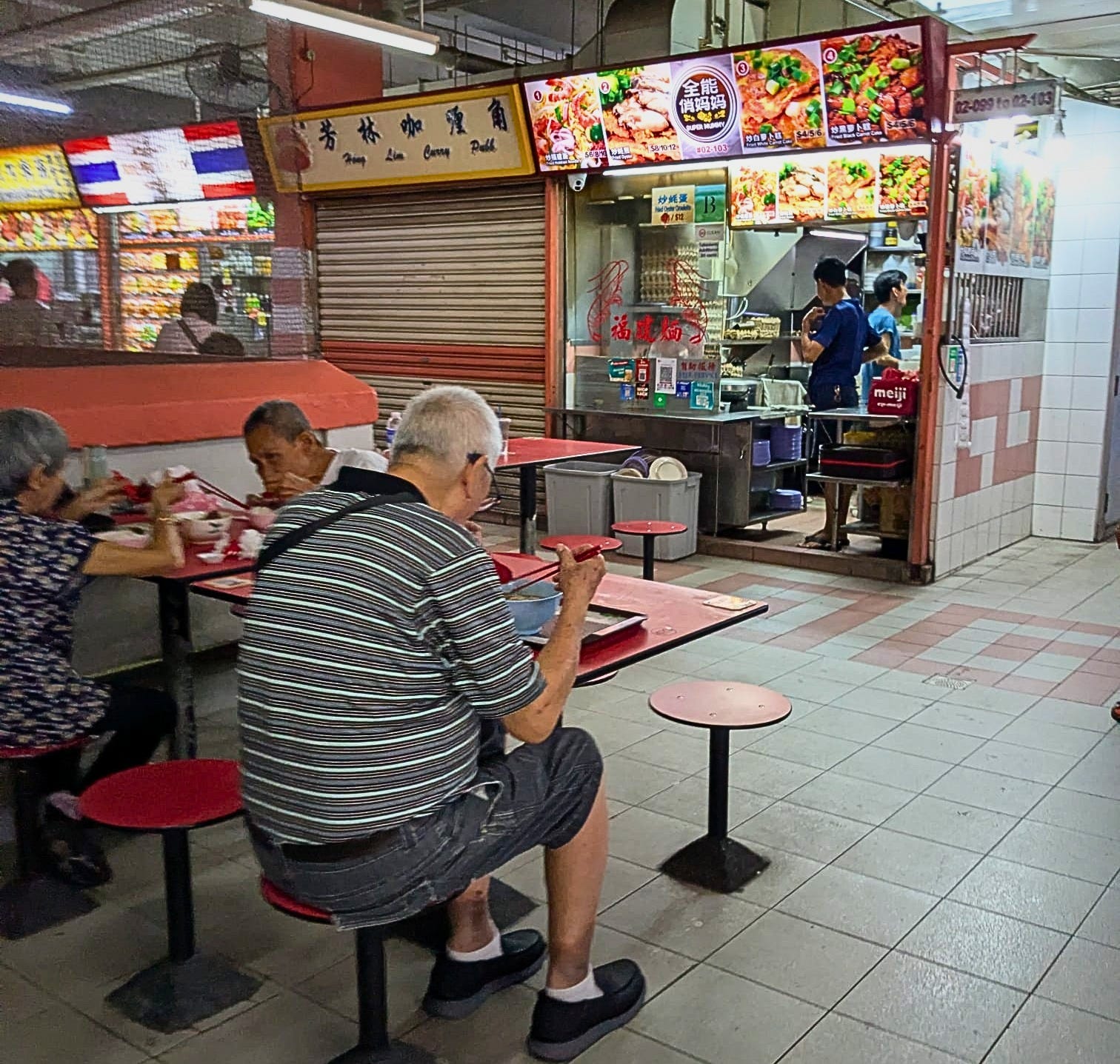
Here’s the strange part. Every hawker stall, every taxi, every interaction I had in Singapore was genuinely warm. Not just efficient. Warm. If kiasu were the whole story, I’d expect brisk and competent. I got something closer to care. Which tells me the system produces more than what it was designed to guarantee.
Now the part that doesn’t fit neatly into any system at all. In Japan, you find real attention to detail in moments nobody is being paid extra for and nobody is grading. A shopkeeper re-folding your bag so the logo faces you. Someone running down the street to return ¥50 in change you didn’t notice you’d left behind.
Nobody is auditing that. There’s no fear of losing the customer behind it, because the customer already paid and already left. It happens because the person decided it should.
“Nobody is auditing small CS moments in Japan. It happens because the person decided it should.”
That’s the moment I usually reach for to make my point about Japan. But it’s not the whole picture, and pretending it is would be dishonest.
Go to a Japanese bank or a government office and you’ll meet a completely different version of the country. The process is rigid. The forms are excessive. The rules exist for the sake of the rules, and the person in front of you often can’t deviate from them even when it’s obviously the right thing to do. I’ve sat through hours of bureaucracy that no customer-first company would ever design on purpose.
This is where Singapore wins outright. Opening a bank account in Singapore is fast, because the bank has a direct interest in you opening it. The incentive is aligned, so the friction gets removed. In Japan, the bank often has no equivalent urgency. The CX is bad not because Japan forgot how to care, but because nobody built a reason to.
"The bank in Singapore wants you. The bank in Japan just processes you."
So it isn’t “rules vs. heart.”
It’s this: wherever there’s a clear incentive, you tend to get good service, in both countries. Singapore builds that incentive deliberately, almost everywhere, which is why it’s so consistent. Japan sometimes gives you extraordinary care for free, in moments with no incentive attached at all, and sometimes gives you terrible service in the exact places where an incentive should exist but doesn’t.
I don’t think one country does this better. I think they fail differently, and they succeed differently, and the interesting question isn’t which one gets CX “right.”
It’s why care shows up reliably in one place, and randomly in another.

—
I’m in Malaysia next, and the way a restaurant folds a banana leaf told me something about service I wasn’t expecting. More on that soon.
Hello and thanks for reading. If this is your first time here, I’m Daniel, and I’ve spent 12 years living and working in Japan, leading Customer Experience and Conversational AI for some of Japan’s biggest companies. I write about what gets lost when technology moves fast, and what Japanese service culture can teach us about bringing it back.
I publish an article weekly, next one coming soon. In the meantime, you might find the following reads interesting:
Or we can also connect on LinkedIn. I talk about these topics there too.
Comments
Nothing yet. Say the first thing.
Sign in to join the conversation.