
Pretty much everyone wants to be liked. That doesn’t mean you’re needy; it means you’re a member of Homo sapiens. We evolved in small tribes where banishment could equal death. We (again, most of us—some people truly don’t give a shit) are deeply wired to want social acceptance.
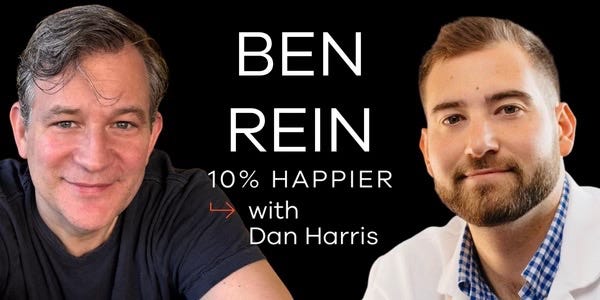
What’s cool is that new science is now showing that there are evidence-based ways to boost your likability. I learned about these hacks from the Stanford neuroscientist Ben Rein, author of Why Brains Need Friends.
Talk more than you think you should. Most of us assume the key to being likable is letting the other person do most of the talking. Surprisingly, the research suggests otherwise. Speaking more tends to signal warmth and confidence. In one study, college students assigned to speak about 70% of the time were rated as more likable than those assigned to speak only 30%. This doesn’t mean monopolize the conversation. It means don’t stay quiet because you’re afraid of saying the wrong thing.
Be strategically vulnerable. Sharing something real about yourself consistently increases how much people like you. You need to pick your spot, though. You don’t want to bleed all over the place in random, inappropriate moments. But if you can use your Spidey sense to figure out when to open up, it’s often a winning strategy.
Let mimicry happen. In good interactions, people naturally start to mirror each other: body position, facial expressions, vocal cadence. This isn’t just a byproduct of connection, it’s a driver of it. When it happens, the other person’s brain registers it as affiliation. You don’t need to manufacture it. Just don’t suppress it.
Make eye contact. Eye contact is a strong builder of affiliation. Studies show that appropriate, sustained eye contact increases perceived warmth and trustworthiness. It also triggers what Rein calls “interbrain synchrony,” your brain beginning to sync up with the person you’re talking to. If sustained eye contact makes you anxious, here’s his practical fix: when you’re three feet from someone, looking at the other person’s mouth reads as eye contact.
Check out my full conversation with Dr. Rein. We talk about why the most powerful thing you can do for your brain health costs nothing. Social connection improves your biology, mood, and longevity. It affects everything from your immune system to your bone density to your risk for dementia, stroke, and heart disease. It also makes you happy (even introverts, who simply need less of it). As Rein puts it, social connection changes your brain in ways that resemble some of the mechanisms engaged by MDMA, but without the hangover.
This need for connection applies to meditation too. It used to be communal, before our culture made it a solo app habit (which is probably why it’s so hard for so many to boot up a practice or stick with it). One way to build community back in: my app — guided meditations, live teacher-led sessions, and real people doing it with you. Life is better in the carpool lane. (Introverts, no trust falls required — camera off is fine.)
Check out the 10% with Dan Harris app
Enjoying this newsletter? Send it to a friend.
And please check out our new website and consider following us on YouTube.
Comments
Nothing yet. Say the first thing.
Sign in to join the conversation.